This page is archived and no longer updated — see the current guide: See the current guide
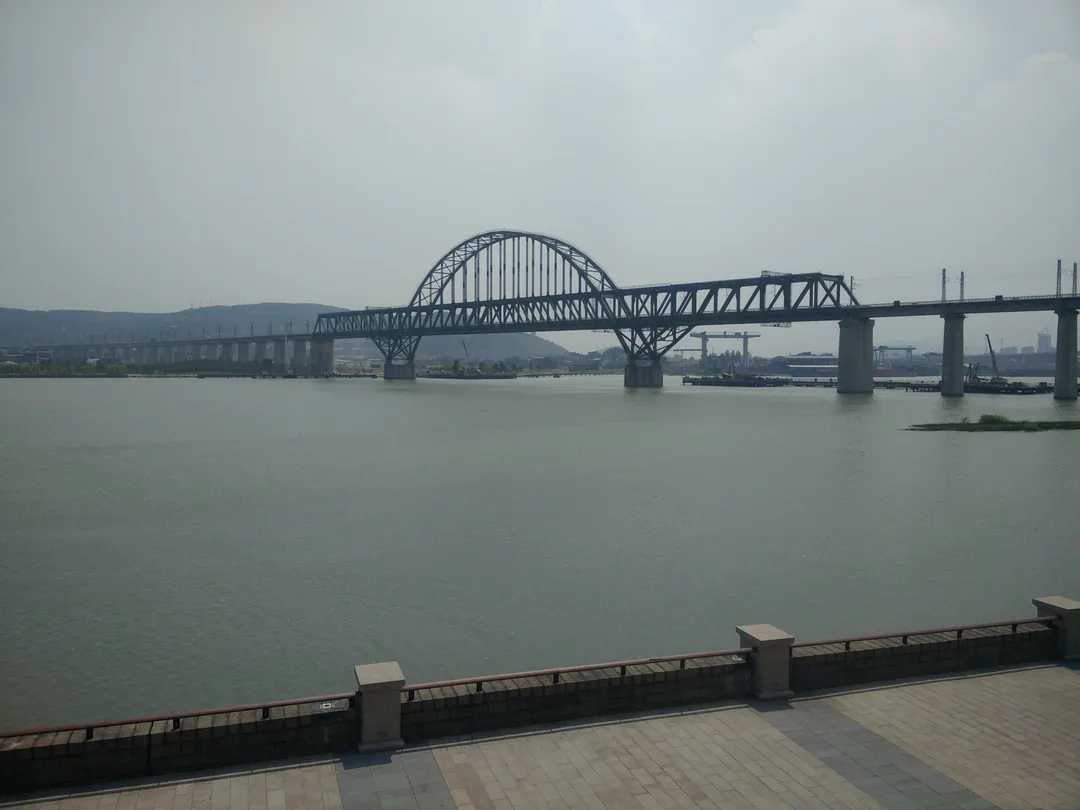
Min River (Minjiang River)闽江
The Min River, Fujian's largest, runs 562 km through Fuzhou to the Taiwan Strait — riverside parks, a colonial-era bund and night cruises of the lit skyline.
Fuzhou · Visitor Guide2026-10-19
Quick Answer
Is Min River (Minjiang River) worth visiting?
Fujian's largest river, flowing past Fuzhou's colonial riverfront. Night cruise shows city's illuminated skyline. ¥100+ for cruise.
Quick facts
| Ticket | Free to walk the riverfront bund and parks (as of 2026). Night cruise: ¥100–180 per person. Fuzhou Jiangbin Theatre: ¥80–200. |
|---|---|
| Hours | Riverfront parks open 24 hours. Night cruises depart 19:00–21:00 in summer (less frequent in winter). Jiangbin Theatre: performances typically start at 19:30. |
| Recommended duration | 2–3 hours (riverfront walk or cruise). |
| Best time to visit | Evening (after 6 PM) for the illuminated skyline and cooler air. Autumn and spring for comfortable outdoor walking. Summer evenings are popular with locals. |
| How to get there | Take Metro Line 1 or Line 2 to Fuzhou South Railway Station, then walk 15 minutes east along the river. Bus routes 12, 15, 42, 79, 85, 88, 92, 97, 112, 115, 117, 121, 128, 136, 137, 150, 151, 163, 175, 176, 302, 307 also run along the riverfront. |
| English signage | Partial |
| Wheelchair accessible | Yes |
| Length | 562 km |
| Drains into | Taiwan Strait (via Fuzhou/Mazui Inlet) |
| Fuzhou waterfront | 4 km of parks and bund from Nanhou Street to Jinshan Bridge |
| Key bridge | Jinshan Bridge (金山大桥) — illuminated at night |
| Night cruise | 1.5-hour circuit departing from Maurer Island (望江楼码头) |
What to expect
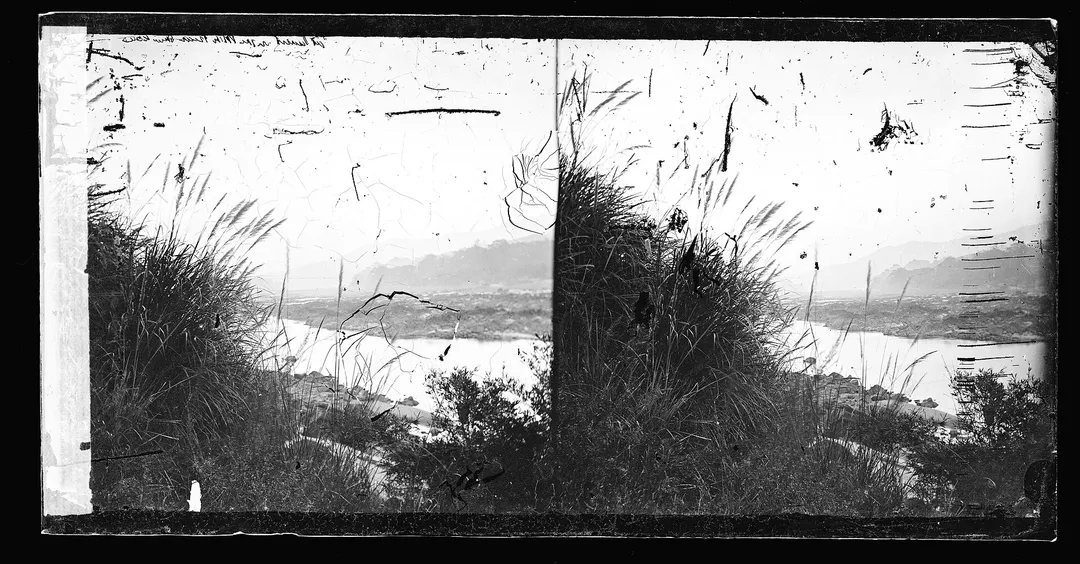
The Min River originates in the Wuyishan mountains of northwestern Fujian and flows southeast through the province's interior before reaching the coast at Fuzhou. The river's broad delta, where it fans into multiple channels before entering the sea, created the natural harbor that made Fuzhou a major port city from the Tang Dynasty onward. In the 19th century, foreign consuls and trading houses built their offices along the river's Fuzhou banks, creating a colonial-style bund that still defines the city's riverside character.
The riverfront bund (江滨大道) runs for 4 kilometers along the north bank, lined with parks, cafés, and historic buildings repurposed as restaurants and galleries. The Nanhou Street (南后街) area at the eastern end has preserved some of Fuzhou's old riverfront shop-houses. The Jinshan Bridge spans the river to the west and is lit in a different color scheme each night. North of the river, Niyangshan (Ode Mountain) rises gently, its forested slopes providing a dramatic backdrop to the illuminated skyline.
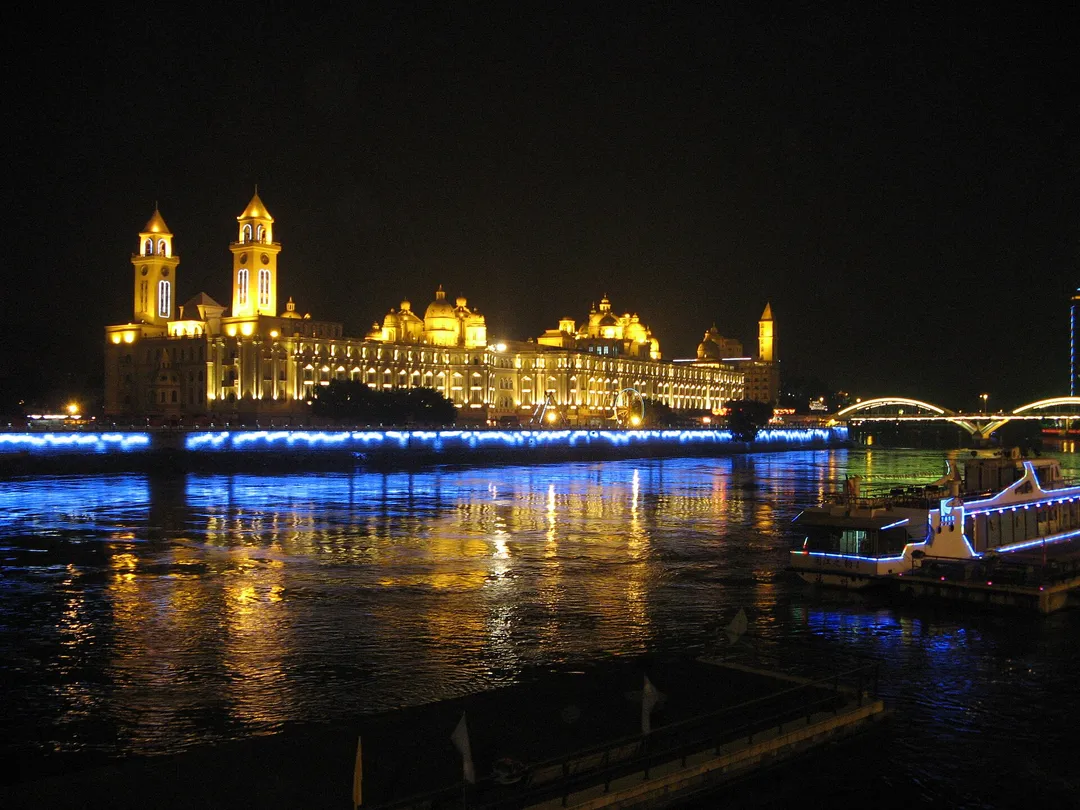
The best experience on the Min River is a night cruise. The 1.5-hour circuit departs from Maurer Island (望江楼码头) near the city center, passes under the Jinshan Bridge, and turns at the river's mouth. From the water, the entire Fuzhou skyline is visible — the colonial buildings of the bund, the modern towers of the financial district, and the forested mountain beyond. Cruises operate year-round but are most popular in summer.
How to get there
The riverfront bund is easily reached on foot from central Fuzhou — walk south from Dongjie station for 15 minutes. For the night cruise, go to Maurer Island (望江楼码头) on the north bank, a 10-minute walk from Metro Line 1's Fuzhou South Railway Station. Buses 12, 15, 42, 79, 85, 88, 92, 97, 112, 115, 117, 121, 128, 136, 137, 150, 151, 163, 175, 176, 302, 307 all stop along the riverfront.
Best photo spots
- The Fuzhou skyline from the middle of the river on a night cruise — illuminated towers with Niyangshan as backdrop
- Jinshan Bridge from the riverbank near Maurer Island — best at 8:00 PM when the lights peak
- The colonial-era bund buildings (former British and American consulates) from across the river
- The sunset over the river mouth from the western end of the bund — open sky and water
Tips
- Take the night cruise for the definitive Fuzhou experience — the skyline views from the water are far better than from shore
- Book cruise tickets through your hotel or the WeChat mini-program "Fuzhou River Cruise" to avoid ticket scalpers
- The riverfront is best from 6:00–9:00 PM when locals come out to stroll — the atmosphere is lively and genuine
- Combine a daytime visit to Three Lanes and Seven Alleys with an evening river cruise for a complete Fuzhou day
- Bring a light jacket on the cruise — the river wind is cool at night, even in summer
Scams to avoid
- "Priority boarding" sellers near the cruise dock who overcharge — buy tickets at the official ticket office or via the WeChat mini-program
- "Taxi drivers" who offer a package deal including cruise and dinner — always buy cruise tickets separately at official prices
Frequently asked questions
Is the night cruise worth it?
Yes — it offers the best panoramic views of Fuzhou, especially the illuminated skyline and Jinshan Bridge. At ¥100–180, it is good value for a 1.5-hour experience. Book directly at the dock or via WeChat rather than through intermediaries.
Can I walk along the riverfront instead of taking a cruise?
Yes — the riverfront bund (江滨大道) runs for 4 km and is free. Start at Nanhou Street (南后街) near the east end and walk west toward Jinshan Bridge. The walk takes 1–2 hours. The views from the shore are pleasant but less dramatic than from the water.
Is the riverfront accessible for wheelchair users?
Yes — the riverfront parks and bund walkway are smooth, level, and wheelchair-friendly. The cruise boats have accessible decks. The Maurer Island dock has ramps.
What is the best time for a river cruise?
Year-round, but most pleasant in spring and autumn. In summer, go at 7:00 PM to avoid the last heat of the day. Winter cruises are less popular but the city lights are equally impressive. Rain rarely disrupts cruises.
What is visible from the river at night?
The illuminated bund buildings (former consulates), the Jinshan Bridge light show, the Fuzhou financial district towers, and Niyangshan (Ode Mountain) with its lit pagoda. On clear nights, the view is excellent.
Read next
Other things to do in Fuzhou
Drum Mountain
Covering about 48 square kilometers on the east bank of the Min River, Drum Mountain rewards a half-day trip with the 783-meter peak, a 1,000-year-old Yongquan Temple, cliff carvings, and a cable car.
Pingtan Island
Fujian's largest island, connected by bridge to the mainland. Sea breeze, windmills, beaches, and China's largest seaside Buddha. Free to drive onto; plan a full day or 2 with an overnight.
Gushan (Drum Mountain)
Forested mountain park east of Fuzhou with ancient temples, pavilions, and city views. Cable car to summit. Free to enter; ¥70 cable car.
Fuzhou West Lake
1,700-year-old imperial garden in the city center. Free. Lotus ponds, pavilions, and Fuzhou's best urban green space.
Three Lanes and Seven Alleys
Fuzhou's 1100-year-old heritage district of Ming and Qing courtyard houses and scholar gardens; free to wander the lanes, historic-house tickets from 120 yuan, on Metro Line 1 at Dongjiekou.
Fujian Tulou — Nanjing Cluster
Clusters of rammed-earth round towers in tea-growing hills 130 km southwest of Xiamen — about 90 yuan gets you into Tianluokeng and Yunshuiyao for a long, slow day of stepping into courtyards.
Yongding Tulou Cluster
The Yongding cluster holds roughly 23,000 earthen roundhouses inside one Fujian county; budget 1 long day (about 10 hours door-to-door from Xiamen) for the three headline towers — Chengqi, Zhenc.
Museums in Fuzhou
Fujian Museum
Fujian's provincial museum in Fuzhou, strong in Min culture, overseas Chinese history, maritime heritage and the Jian-kiln Fujian blue ceramics. Free; verified in 2026.
Fuzhou Three Lanes and Seven Alleys Museum
The museum of Fuzhou's Three Lanes and Seven Alleys, China's best-preserved Song-dynasty alley network, some 1,600 years old. Free with district entry; verified in 2026.