This page is archived and no longer updated — see the current guide: See the current guide
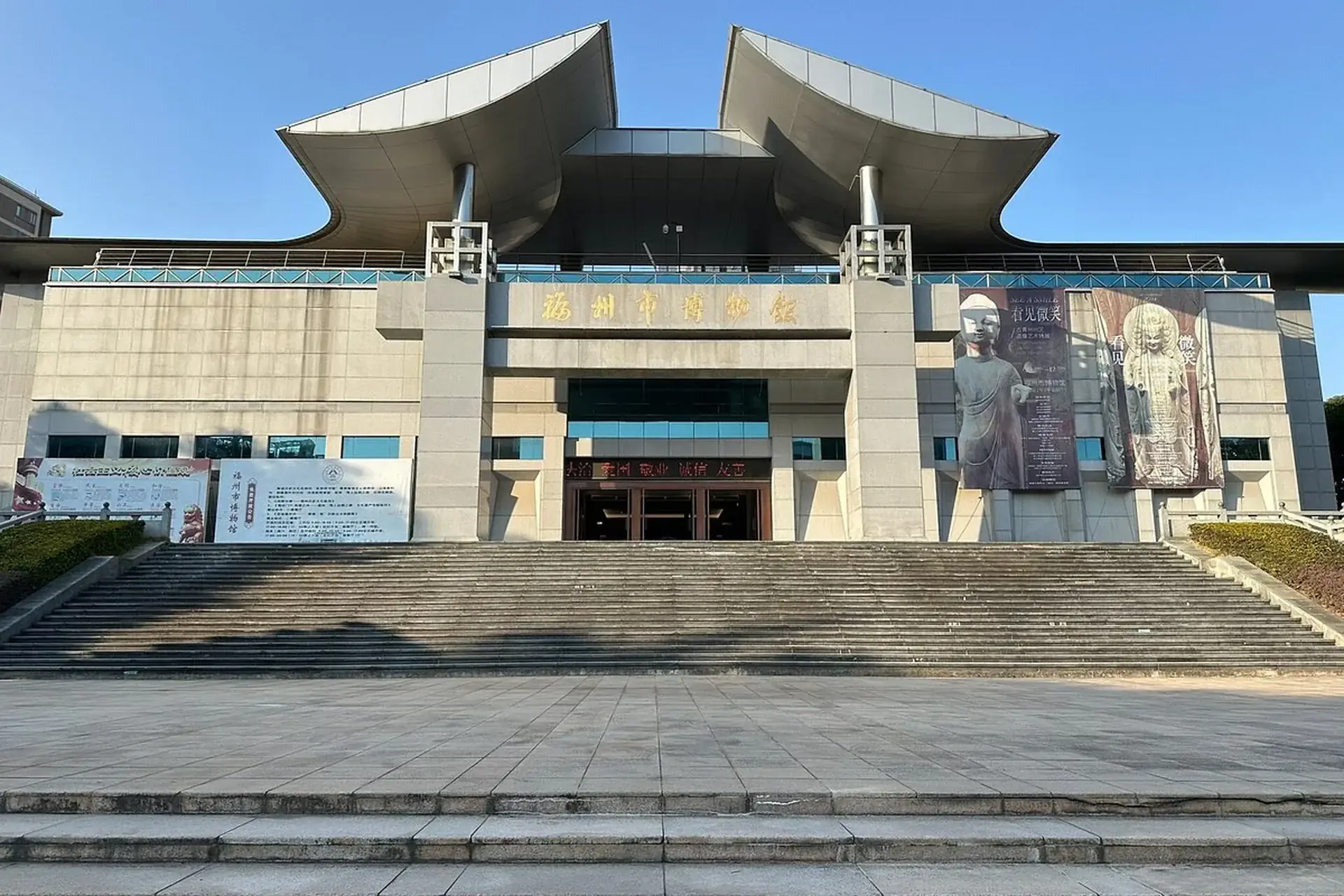
Fuzhou Three Lanes and Seven Alleys Museum
The Three Lanes and Seven Alleys (三坊七巷) is Fuzhou's famous 1,600-year-old historical district — the best-preserved network of Song and Ming Dynasty lanes, alleys, and traditional houses in China. The museum documents the history of the district.
Fuzhou · history museum2026-10-19
Quick Answer
Is Fuzhou Three Lanes and Seven Alleys Museum worth visiting?
The museum of Fuzhou's Three Lanes and Seven Alleys, China's best-preserved Song-dynasty alley network, some 1,600 years old. Free with district entry; verified in 2026.
Quick facts
| Category | history |
|---|---|
| Ticket | Free entry to the district. Some historic houses charge ¥5-10. |
| Hours | The district is open 24 hours. Individual sites: 9:00-17:00. |
| Recommended duration | 2-3 hours walking the district. |
| Best time to visit | Year-round. Evenings and early mornings most atmospheric. |
| How to get there | Metro Line 1 to Dong Street (东街口) stop. |
| English signage | Partial |
Why visit
The Three Lanes and Seven Alleys is the most authentic preserved historical district in Fuzhou — providing context for Fuzhou's traditional culture.
Collection highlights
- Lin Zexu (林则徐) birthplace
- "Mazu" (妈祖) culture in Fuzhou
- Traditional Fuzhou courtyard houses
Tips
- Best experienced on foot in early morning or evening
- Fuzhou food street nearby for local snacks
Frequently asked questions
What does the Three Lanes and Seven Alleys neighborhood contain?
Three Lanes and Seven Alleys (三坊七巷) is the best-preserved traditional residential area in Fuzhou, dating to the Ming and Qing dynasties. The 21 acres contain 268 heritage buildings including ancestral halls, temples, and the homes of famous Fuzhou figures. The Lin Zexu Memorial Hall is here.
Is Fuzhou Three Lanes and Seven Alleys free to visit?
The neighborhood itself is free to walk. Some specific heritage houses (including Lin Zexu's birthplace) charge ¥8-20 entrance. The Fuzhou Changle Archaeology Museum may charge ¥20-30 for special exhibitions. Best visited in the evening when the area is lit up and locals come out.
How do I get to Three Lanes and Seven Alleys by metro and what is nearby?
Take Metro Line 1 to Dong Street (东街口) station, exit directly to the area. Fuzhou's historic Fushan (福州市) area is walkable — combine with a visit to the nearby Gele (哥老) restaurant street for Fuzhou cuisine. The Minjiang River promenade is a 15-minute walk east. Fuzhou's famous "lychee" (荔枝) trees can be seen along the river in summer.
Read next
Other things to do in Fuzhou
Drum Mountain
Covering about 48 square kilometers on the east bank of the Min River, Drum Mountain rewards a half-day trip with the 783-meter peak, a 1,000-year-old Yongquan Temple, cliff carvings, and a cable car.
Pingtan Island
Fujian's largest island, connected by bridge to the mainland. Sea breeze, windmills, beaches, and China's largest seaside Buddha. Free to drive onto; plan a full day or 2 with an overnight.
Gushan (Drum Mountain)
Forested mountain park east of Fuzhou with ancient temples, pavilions, and city views. Cable car to summit. Free to enter; ¥70 cable car.
Fuzhou West Lake
1,700-year-old imperial garden in the city center. Free. Lotus ponds, pavilions, and Fuzhou's best urban green space.
Min River (Minjiang River)
Fujian's largest river, flowing past Fuzhou's colonial riverfront. Night cruise shows city's illuminated skyline. ¥100+ for cruise.
Three Lanes and Seven Alleys
Fuzhou's 1100-year-old heritage district of Ming and Qing courtyard houses and scholar gardens; free to wander the lanes, historic-house tickets from 120 yuan, on Metro Line 1 at Dongjiekou.
Fujian Tulou — Nanjing Cluster
Clusters of rammed-earth round towers in tea-growing hills 130 km southwest of Xiamen — about 90 yuan gets you into Tianluokeng and Yunshuiyao for a long, slow day of stepping into courtyards.
Yongding Tulou Cluster
The Yongding cluster holds roughly 23,000 earthen roundhouses inside one Fujian county; budget 1 long day (about 10 hours door-to-door from Xiamen) for the three headline towers — Chengqi, Zhenc.