This page is archived and no longer updated — see the current guide: See the current guide
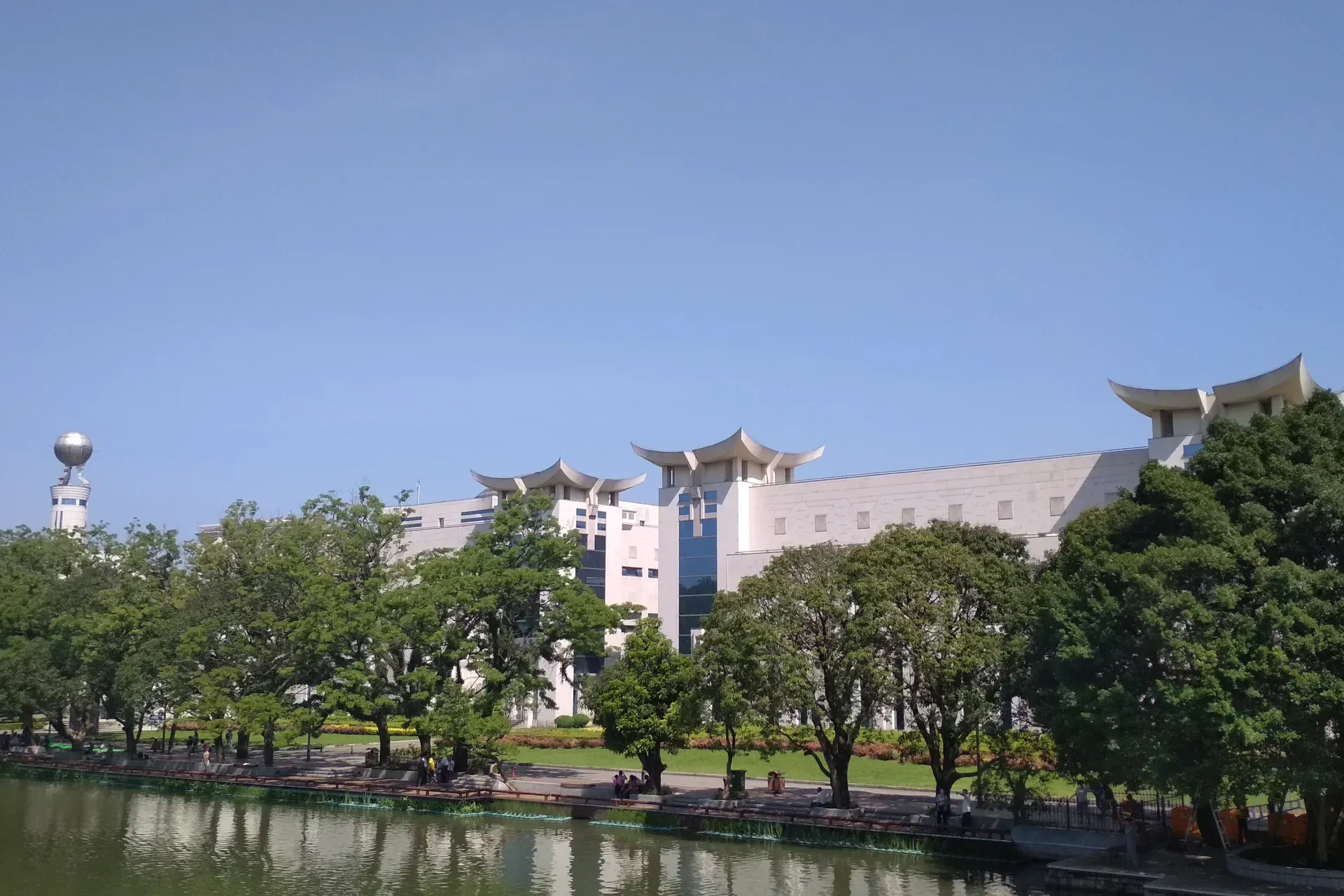
Fujian Museum
The Fujian Museum (福建博物院) is located in Fuzhou's Gulang district near the famous Fuzhou National Forest Park. Fujian's museum is shaped by the province's unique geography — 90% mountains, long coastline, and the historical isolation of being the origin of China's largest overseas diaspora. The four core collection areas are: (1) Min culture — the distinct Fujian cultural identity including the famous Fuzhou Bodiless lacquer (脱胎漆器), Shoushan stone carving (寿山石), and the Minnan (Southern Fujian) cultural zone; (2) "Haiou" maritime culture — Fujian's fishing, navigation, and shipbuilding traditions including the famous "Zhongshan" junk and Song Dynasty maritime commerce; (3) overseas Chinese history — documents, objects, and photographs of the Fujian diaspora that sent 10 million people to Southeast Asia, the Americas, and Europe; (4) the "Jian ware" (建窑) and "Dehua" porcelain traditions.
Fuzhou · history museum2026-10-19
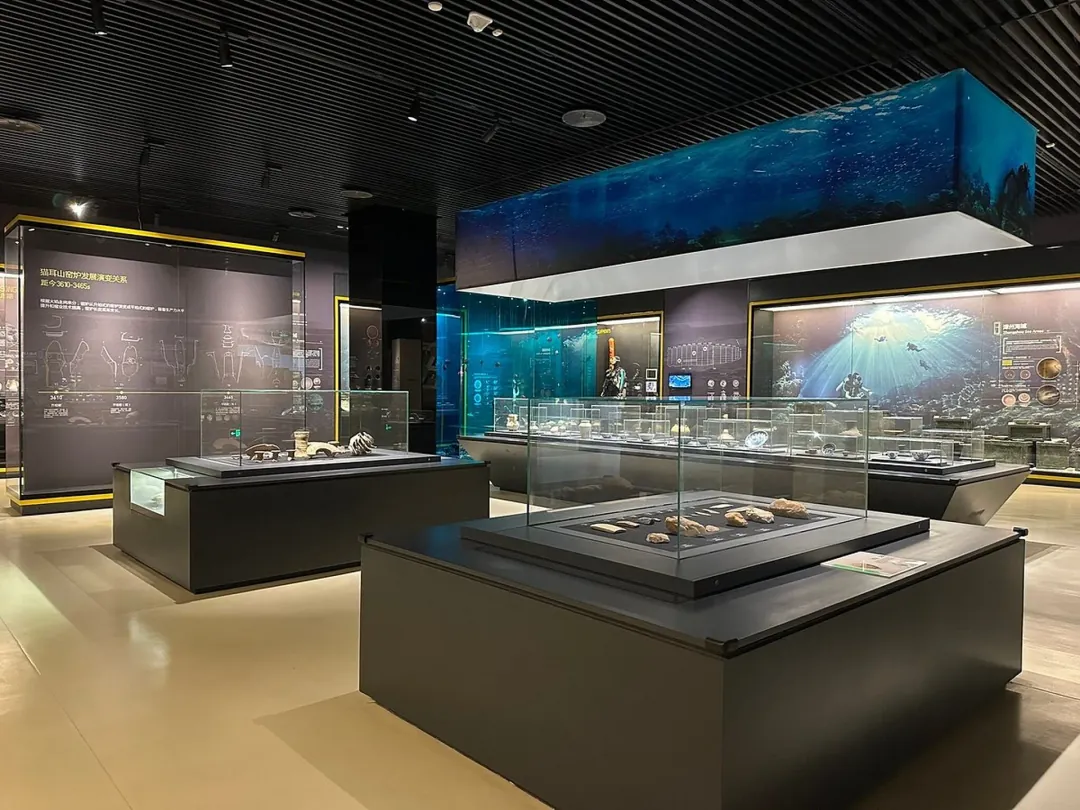
Quick Answer
Is Fujian Museum worth visiting?
Fujian's provincial museum in Fuzhou, strong in Min culture, overseas Chinese history, maritime heritage and the Jian-kiln Fujian blue ceramics. Free; verified in 2026.
Quick facts
| Category | history |
|---|---|
| Ticket | Free. Passport required. Walk-in tickets from the main gate. |
| Hours | 9:00-17:00 (last entry 16:00). Closed Mondays. |
| Recommended duration | 2.5-3.5 hours. |
| Best time to visit | October through April (cool, dry). Fuzhou is extremely hot and humid in summer (June-September, 35°C+). Spring (March-April) is ideal for combining with a visit to the historic Sanfang Qixi (三坊七巷) old neighborhood. |
| How to get there | Bus routes 10, 23, 66, 70, 88, 101, 162, 200, 308 to Fujian Museum stop (福建博物院站). Metro Line 1 to Fuzhou Olympic Sports Center Station (奥林匹克体育中心站), then walk 15 minutes. From Fuzhou Railway Station by DiDi: ¥25-35. From Fuzhou Changle International Airport: ¥60-80. |
| English signage | Partial |
Why visit
The Fujian diaspora history gallery is unique in China — no other museum covers the scale and impact of Chinese emigration as comprehensively. The "Bodiquel" (脱胎漆器) Fuzhou bodiless lacquer technique produces objects of extraordinary lightness and beauty. For understanding the overseas Chinese experience that shaped the modern world, this museum is essential.
Collection highlights
- Overseas Chinese history archive — photographs, documents, and objects from the 10 million Fujian emigrants who left for Southeast Asia, the Americas, and Europe from the 16th century onward
- Fuzhou Bodiless lacquerware (脱胎漆器) — the museum's collection of "Bodiquel" lacquer technique objects, produced by a labor-intensive process that creates extremely light and durable lacquer ware
- Shoushan stone carvings (寿山石) — the famous "Shoushan stone" (agate from Shoushan, Fuzhou) carved into seals, figures, and ornaments, a Fujian specialty for 1,500 years
- "Haiou" maritime culture — navigation instruments, ship models, and archaeological objects from Fujian's shipbuilding and fishing traditions
- Song Dynasty Dehua porcelain — white-glazed Dehua (德化) porcelain from the Song Dynasty, considered among the finest white porcelain ever produced in China
- "Fujian Blue" Jian ware (建窑) — the distinctive "Jian tea bowl" (建盏) with oil-spot and hare's fur glaze patterns, from the Song Dynasty Fujian kilns that supplied tea ceremony bowls to Japan
Tips
- Combine with Sanfang Qixi (三坊七巷) — Fuzhou's famous 1,600-year-old neighborhood of lanes and traditional houses, a 20-minute bus ride from the museum
- The Bodiless lacquer (脱胎漆器) technique produces objects that look like carved wood but weigh almost nothing — the museum shop sells small pieces (¥200-800)
- Fuzhou is a food city — the museum is close to the famous Fuzhou seafood restaurant chain and the Dongjiekou (东街口) food street
- The overseas Chinese diaspora section is the most internationally significant for visitors from Southeast Asia, North America, and Europe
- Shoushan stone carving workshops can be visited in Fuzhou's Yangxiaoste (杨桥路) area
Frequently asked questions
Why is Fujian the origin of so many overseas Chinese?
Fujian's geography drove emigration: the province is 90% mountains, leaving little farmland for its dense population. Fujian's long coastline made fishing and maritime trade natural occupations, and the province's ports (Fuzhou, Quanzhou, Xiamen) were major nodes in the maritime trade routes. From the 16th century onward, Fujianese emigrated to the Philippines, Indonesia, Malaysia, Singapore, the US, and Europe in enormous numbers. Today there are more people of Fujian descent overseas than in Fujian itself.
What is "Fujian Blue" Jian ware?
Jian ware (建窑, Jian yao) was a type of black-glazed ceramic produced in Fujian's Jianyang (建阳) region during the Song Dynasty (10th-13th centuries). The most famous products were tea bowls (建盏, Jian zhan) with distinctive "oil-spot" (油滴) and "hare's fur" (兔毫) glaze patterns. These tea bowls were prized in Song Dynasty tea ceremonies and were exported to Japan, where they became known as "Tenmoku" bowls and are still used in Japanese tea ceremonies.
What is Fuzhou Bodiless lacquerware?
Fuzhou bodiless lacquer (脱胎漆器, "Bodiquel") is a 200-year-old Fuzhou lacquer technique that produces objects by building up layers of lacquer over a clay core, then removing the core to leave an extremely light hollow shell. The resulting objects are lighter than wood, stronger than ceramic, and can be carved with intricate designs. It is one of Fuzhou's most famous crafts.
Does Fujian Museum have English signage?
Partial — the overseas Chinese section has some English. The bodiless lacquerware and Shoushan stone sections have limited English. The Jian ware and maritime sections are mostly Chinese-only. No English audio guides as of 2026.
Is this museum comparable to the Xiamen museums?
Fujian Museum (Fuzhou) is the provincial institution and most comprehensive. The Xiamen Museum (厦门博物馆) focuses specifically on Xiamen's maritime trade history and the overseas Chinese connections of the Amoy (Xiamen) port. For a general overview of Fujian's culture, start here.
Read next
Other things to do in Fuzhou
Drum Mountain
Covering about 48 square kilometers on the east bank of the Min River, Drum Mountain rewards a half-day trip with the 783-meter peak, a 1,000-year-old Yongquan Temple, cliff carvings, and a cable car.
Pingtan Island
Fujian's largest island, connected by bridge to the mainland. Sea breeze, windmills, beaches, and China's largest seaside Buddha. Free to drive onto; plan a full day or 2 with an overnight.
Gushan (Drum Mountain)
Forested mountain park east of Fuzhou with ancient temples, pavilions, and city views. Cable car to summit. Free to enter; ¥70 cable car.
Fuzhou West Lake
1,700-year-old imperial garden in the city center. Free. Lotus ponds, pavilions, and Fuzhou's best urban green space.
Min River (Minjiang River)
Fujian's largest river, flowing past Fuzhou's colonial riverfront. Night cruise shows city's illuminated skyline. ¥100+ for cruise.
Three Lanes and Seven Alleys
Fuzhou's 1100-year-old heritage district of Ming and Qing courtyard houses and scholar gardens; free to wander the lanes, historic-house tickets from 120 yuan, on Metro Line 1 at Dongjiekou.
Fujian Tulou — Nanjing Cluster
Clusters of rammed-earth round towers in tea-growing hills 130 km southwest of Xiamen — about 90 yuan gets you into Tianluokeng and Yunshuiyao for a long, slow day of stepping into courtyards.
Yongding Tulou Cluster
The Yongding cluster holds roughly 23,000 earthen roundhouses inside one Fujian county; budget 1 long day (about 10 hours door-to-door from Xiamen) for the three headline towers — Chengqi, Zhenc.