This page is archived and no longer updated — see the current guide: See the current guide
- Home
- Nanjing (Fujian)
- Fujian Tulou — Nanjing Cluster
Fujian Tulou — Nanjing Cluster南靖土楼
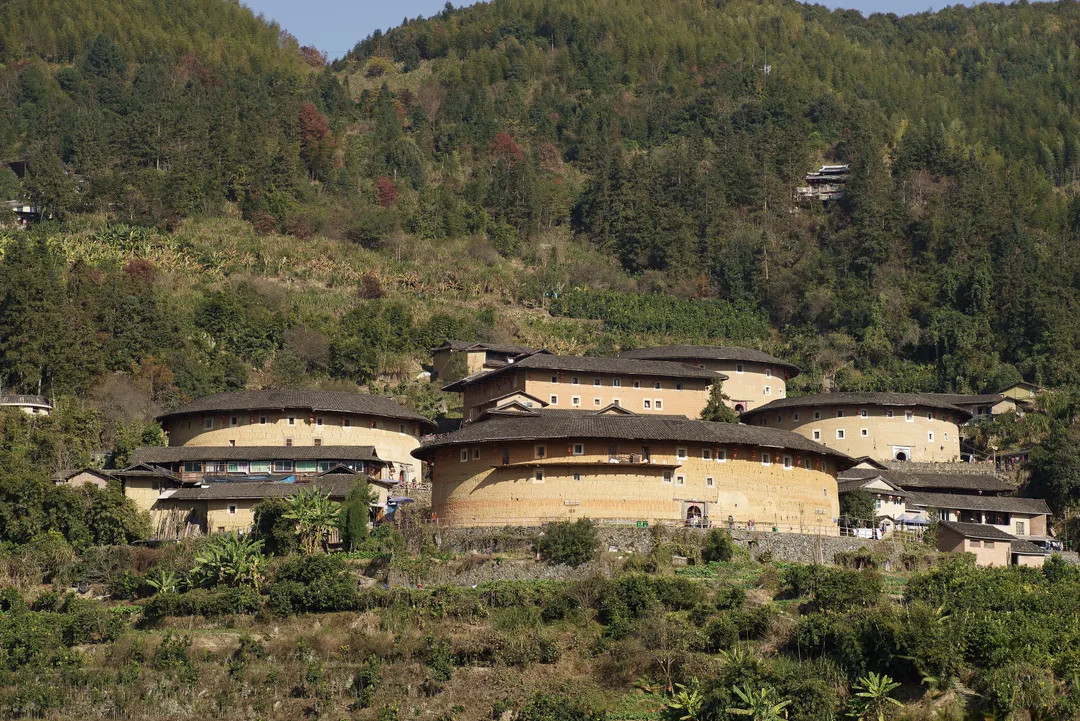
Nanjing County's tulou: 46 Hakka and Minnan rammed-earth fortresses (15th-20th c.), UNESCO 2008 — Tianluokeng, Yunshuiyao, Hekeng, Taxia and Hehua clusters.
Nanjing (Fujian) · Visitor Guide2026-10-19
Quick Answer
Is Fujian Tulou — Nanjing Cluster worth visiting?
Clusters of rammed-earth round towers in tea-growing hills 130 km southwest of Xiamen — about 90 yuan gets you into Tianluokeng and Yunshuiyao for a long, slow day of stepping into courtyards.
Quick facts
| Ticket | 90 CNY for Tianluokeng cluster, 90 CNY for Yunshuiyao cluster, separate tickets — combo around 150-180 CNY depending on bundle (as of 2026, verify on site); Hekeng, Taxia and Hehua villages are free (verify) |
|---|---|
| Hours | 08:00-17:30 in summer (April-October), 08:30-17:00 in winter (November-March), last entry usually one hour before close (verify) |
| Recommended duration | Full day 8-10 hours if combining Tianluokeng and Yunshuiyao; 3-4 hours for Tianluokeng alone; 4-5 hours for Yunshuiyao with the 5.3 km riverside walk |
| Best time to visit | October to early December after the autumn tea harvest — soft light, clear views, comfortable walking, and the Hakka families are at home; avoid the first week of May and National Day Golden Week (Oct 1-7) when Tianluokeng holds up to 10,000 day-trippers and the four-rings-and-square view is ringed by selfie-sticks |
| How to get there | No metro — drive or take the tourist shuttle bus from Xiamen, Zhangzhou or Longyan |
| English signage | Partial |
| Wheelchair accessible | No |
| UNESCO Year | 2008, inscribed alongside Yongding and Hua'an clusters |
| Tulou in Nanjing County | 46 official heritage structures, 13 in Tianluokeng core area |
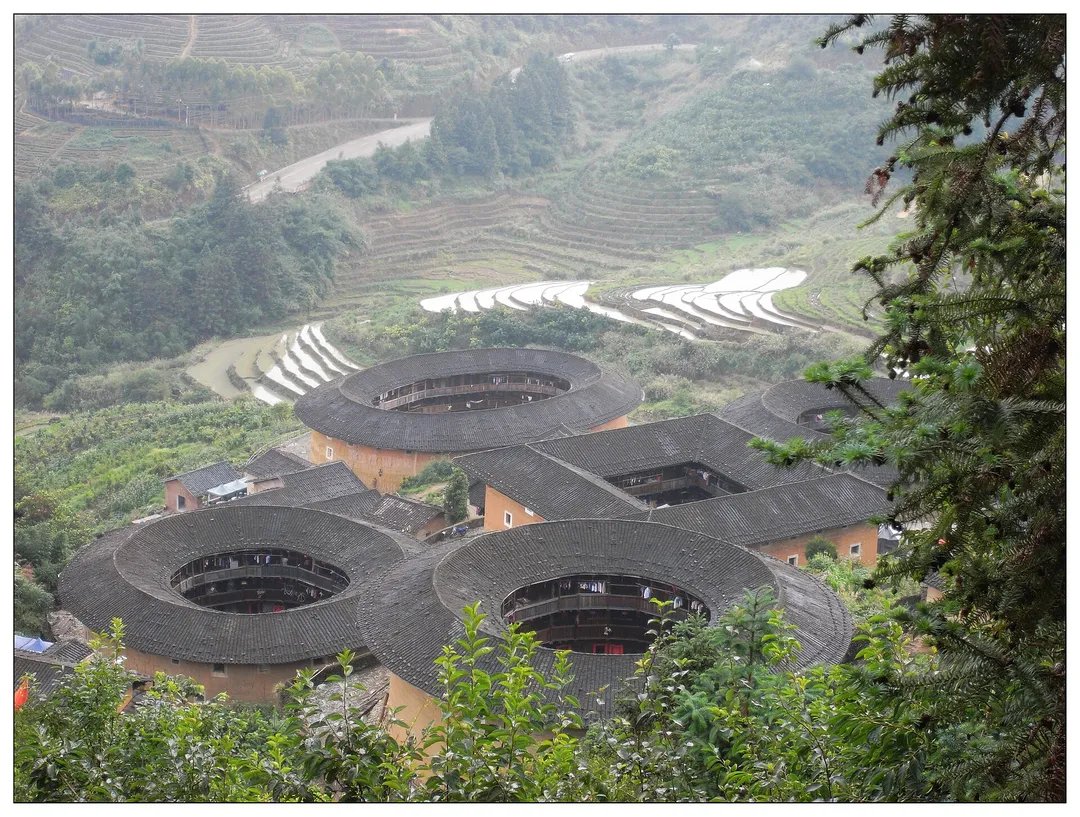
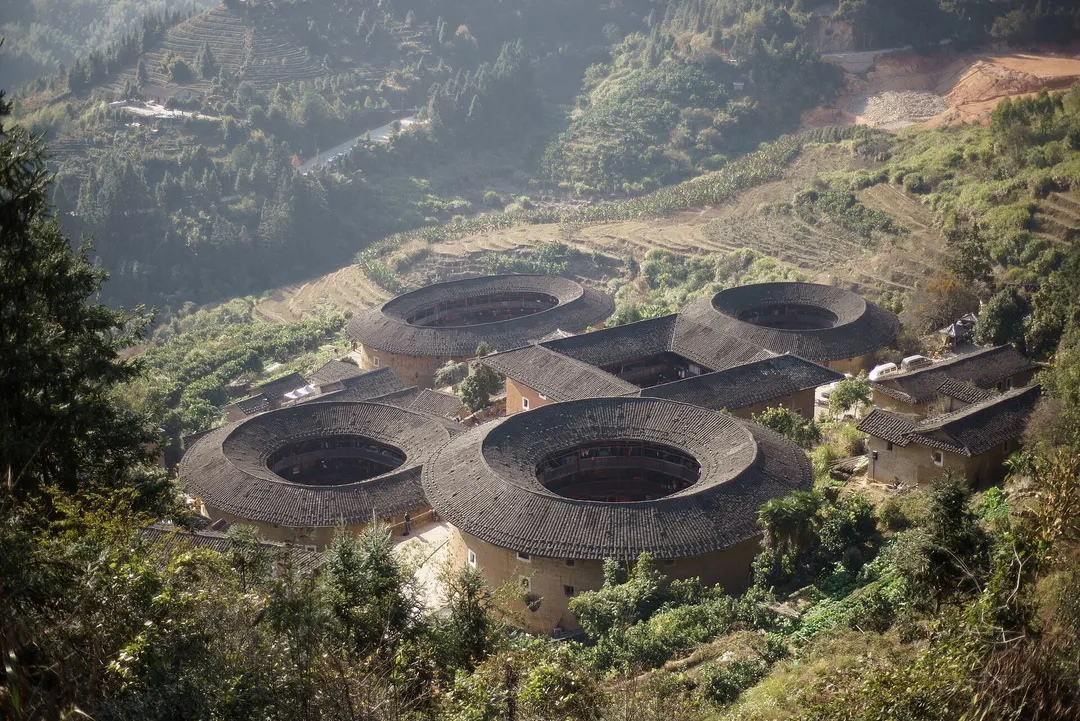
| Tianluokeng layout | Four round towers + one square (Buyun, Hechanglou, Zhenchanglou, Ruiyun, square Anding) |
| Highest round tower nearby | Yuchanglou, 5 stories, the tallest in Fujian at 18.2 m interior height |
| Distance from Xiamen | About 130-150 km, roughly 2.5-3 hours by car |
| Residents | About 50+ families still living inside Tianluokeng tulou in 2026 (verify) |
What to expect
The roads between sites are winding two-lane mountain highways with passing lanes only on blind curves. There is no metro and no English-language interpretation inside the towers — the standard printed guides at Buyunlou are Chinese-only. In 2026 expect the smoking-in-courtyards habit (some families still cook on wood fires inside), uneven stone thresholds that are trip hazards on the dim ground floors, and very limited wheelchair access because the second-floor wooden stairs are steep and narrow.
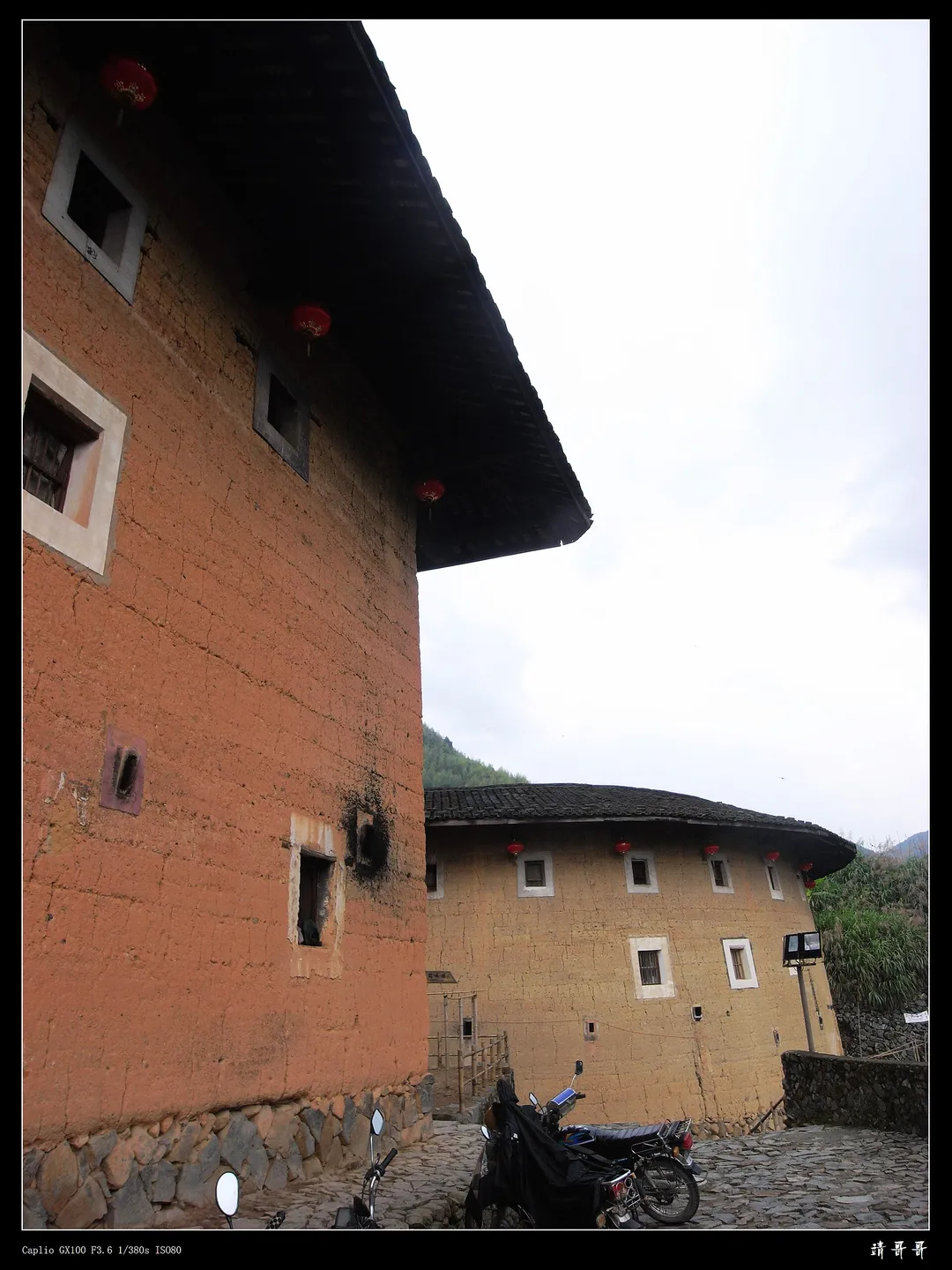
The first documented Nanjing tulou, Buyunlou at Tianluokeng, was completed in 1418 during the early Ming dynasty; most surviving round towers in the cluster date to the 17th-19th centuries, when Hakka and Minnan clans built them as fortresses against bandits and inter-clan feuding. The earthen walls — typically 1-2 meters thick at the base — were rammed layer by layer with a sticky mix of clay, sand, lime, glutinous rice and bamboo strips, and are still load-bearing after 600 years. UNESCO inscribed 46 buildings across Nanjing, Yongding and Hua'an counties in 2008.
Cash is still useful for tea-stalls and the small noodle shop near the Tianluokeng entrance. Weekend crowds are heavy; Tuesday and Wednesday are quietest. Most visitors who try to see both Tianluokeng and the more remote Yuchanglou in one day find they have to skip either Yunshuiyao or the round-and-square rice terraces of Taxia village — plan accordingly, or stay overnight in Nanjing County.
How to get there
From Xiamen: take a high-speed train from Xiamen Station or Xiamen North to Nanjing Station (about 1 hour, 45-65 yuan second-class), then a DiDi or green taxi 35-45 km into the mountains to Tianluokeng (around 120-180 yuan, 45-60 minutes) or Yunshuiyao (around 150-200 yuan). Direct tourist shuttle buses from Xiamen Fanghu or SM Bus Terminal run to Tianluokeng, depart 07:30-08:30, return 16:00-17:00, round-trip around 100-130 yuan (verify current schedule at the station). From Zhangzhou: drive via G76 expressway then county road S318, about 90 km, 2 hours. From Longyan: drive via G76, about 120 km. Self-driving is the most flexible option — Tianluokeng, Yunshuiyao, Taxia and Hehua can be linked in one loop of about 60 km. DiDi does not work reliably inside the tulou valleys, so pre-arrange your return taxi before sunset — phone signal drops in places.
Best photo spots
- Tianluokeng viewing platform (upper terrace) — the four round + one square layout from the upper hill path, classic shot; go before 09:30 for empty cobbles.
- Buyunlou interior courtyard — looking straight up from the open-air center, four timbered floors of washing and bamboo poles framing a square of sky.
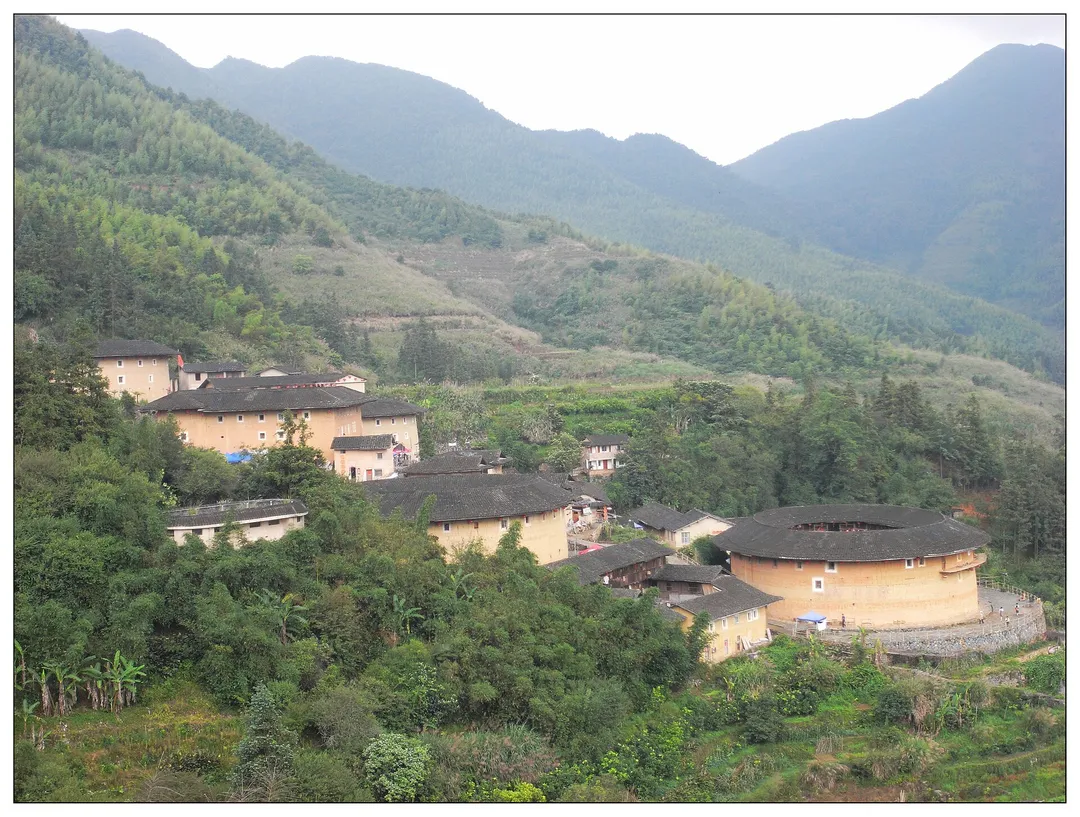
- Yunshuiyao riverside path at Hegui Lou — reflection of the 300-year-old round tower in the canal water, with old banyans overhead; late afternoon side-light is best.
- Huaiyuan Lou second-floor corridor — looking down through the radial wooden partition walls into the central courtyard; bring a wider lens.
Tips
- Bring cash — small tea-stalls and the family-run noodle shop near Tianluokeng rarely take WeChat or Alipay, let alone cards.
- Pre-arrange your return taxi — DiDi coverage is patchy in the valleys; agree a fixed-price return with your Nanjing-station driver before going up the mountain.
- Tuesday or Wednesday is quietest — weekends and the Hakka New Year period in lunar first month are packed.
- Skip the Tianluokeng upper-view cafe — the cliff-side glass-walled cafe above the cluster charges 38 yuan for a pot of ordinary tea with the view you can already see free from the platform.
- Carry water and a headlamp — lower floors of the towers are dim, and most visitors stay only on the bottom and second floors; going up to the 4th reveals empty ancestral-hall space.
Scams to avoid
- Selfie-stick touts at Tianluokeng viewing platform — expect persistent offers of "free group photo" that turn into a 20-30 yuan print charge; politely decline or set a price before anyone poses you.
- "Local guide" villagers near Buyunlou offer unscheduled "tours" up to the 4th floor that end with an envelope tip request; the standard route is self-guided, pay nothing.
- Tea-tasting markups — tulou oolong sold at roadside stalls between Yunshuiyao and Taxia is typically 3-5x its actual price; if you want tea, buy in Zhangzhou city or at the train station.
Frequently asked questions
How much does it cost to enter the Nanjing Tulou cluster in 2026?
Tianluokeng and Yunshuiyao are each 90 yuan; combined ticket bundles run 150-180 yuan; the smaller villages Hekeng, Taxia and Hehua are free, though small viewing-area fees (5-10 yuan) sometimes appear on weekends. Verify on the day — prices changed twice between 2018 and 2024.
What are the opening hours?
Officially 08:00-17:30 April through October and 08:30-17:00 November through March, last entry 60 minutes before close. Realistically you can stay until sunset if you entered in the morning. The gates are not staffed after 17:30 so do not plan a sunset shoot.
How do I get from Xiamen to the tulou without a car?
High-speed train from Xiamen or Xiamen North to Nanjing Station (about 1 hour, 45-65 yuan), then a DiDi or green taxi 35-45 km to Tianluokeng or Yunshuiyao (roughly 45-60 minutes, 120-200 yuan). Tourist shuttle buses from Xiamen SM or Fanghu Bus Terminal depart 07:30-08:30, return 16:00-17:00, about 100-130 yuan round-trip — verify the current schedule.
Which cluster is best — Tianluokeng or Yunshuiyao?
Both, ideally — they are 20 km apart and very different. Tianluokeng is the famous four-round-one-square layout and the most-photographed. Yunshuiyao is a longer, slower walk between two towers along a canal with old banyans. If you have one day only, do Tianluokeng in the morning and Yunshuiyao in the afternoon.
When were the tulou built?
The earliest preserved tulou in Nanjing County dates to the early Ming dynasty — Buyunlou at Tianluokeng was completed in 1418. The cluster spans roughly 1418 to the early 1900s, with most surviving round towers from the 17th-19th centuries. Construction of a typical round tulou took one to two years of clan-wide labor.
Are the tulou still lived in?
Yes — about 50-plus families still live inside Tianluokeng's Buyunlou as of recent surveys, and Yunshuiyao's Hegui and Huaiyuan Lou also hold full-time residents. They are not open-air museums. Behave accordingly — keep voices low in the inner courtyards, do not touch ancestor tablets, ask before photographing residents up close.
What is the best season to visit?
October to early December. The autumn tea harvest ends in late September, the air clears, the soft afternoon light hits the round towers without harsh summer contrast, and temperatures sit around 18-24 degrees. Avoid the May Day holiday (May 1-5), the National Day Golden Week (October 1-7), and the lunar New Year period — all three are crushingly busy. Summer (June-August) is hot, humid, and rain-prone.
Can I see the tulou in one day from Xiamen?
Yes, but it is a long day — about 12-14 hours door-to-door. The 06:00-08:00 train or shuttle departure, both clusters in one day, return to Xiamen by 19:30-21:00 is realistic. If you want to see Yuchanglou (the tallest round tower) or Taxia village's square-and-rice-terrace layout, plan an overnight in Nanjing County.
Is there wheelchair access?
No. The ground floor of most towers has step-free entry through a single archway, but the wooden interior staircases to upper floors are steep and narrow, and the Tianluokeng viewing platform is up a sloping cobbled path with no rail. Visitors with mobility issues can enjoy the exterior views and ground-floor courtyards but not the upper-floor cultural content.
Is there an English-language tour?
Occasionally, through Xiamen-based tour operators, but rarely at the site itself. The printed tour cards at Buyunlou are Chinese only. A few guides from Nanjing County's official tourism office speak basic English if pre-booked. Otherwise, this is a destination where a translation app on your phone is genuinely useful.
Read next
Other things to do in Nanjing (Fujian)
Drum Mountain
Covering about 48 square kilometers on the east bank of the Min River, Drum Mountain rewards a half-day trip with the 783-meter peak, a 1,000-year-old Yongquan Temple, cliff carvings, and a cable car.
Pingtan Island
Fujian's largest island, connected by bridge to the mainland. Sea breeze, windmills, beaches, and China's largest seaside Buddha. Free to drive onto; plan a full day or 2 with an overnight.
Gushan (Drum Mountain)
Forested mountain park east of Fuzhou with ancient temples, pavilions, and city views. Cable car to summit. Free to enter; ¥70 cable car.
Fuzhou West Lake
1,700-year-old imperial garden in the city center. Free. Lotus ponds, pavilions, and Fuzhou's best urban green space.
Min River (Minjiang River)
Fujian's largest river, flowing past Fuzhou's colonial riverfront. Night cruise shows city's illuminated skyline. ¥100+ for cruise.
Three Lanes and Seven Alleys
Fuzhou's 1100-year-old heritage district of Ming and Qing courtyard houses and scholar gardens; free to wander the lanes, historic-house tickets from 120 yuan, on Metro Line 1 at Dongjiekou.
Yongding Tulou Cluster
The Yongding cluster holds roughly 23,000 earthen roundhouses inside one Fujian county; budget 1 long day (about 10 hours door-to-door from Xiamen) for the three headline towers — Chengqi, Zhenc.
Museums in Nanjing (Fujian)
Fujian Museum
Fujian's provincial museum in Fuzhou, strong in Min culture, overseas Chinese history, maritime heritage and the Jian-kiln Fujian blue ceramics. Free; verified in 2026.
Fuzhou Three Lanes and Seven Alleys Museum
The museum of Fuzhou's Three Lanes and Seven Alleys, China's best-preserved Song-dynasty alley network, some 1,600 years old. Free with district entry; verified in 2026.