이 페이지는 보관되어 더 이상 업데이트되지 않습니다. 최신 가이드: 최신 가이드 보기
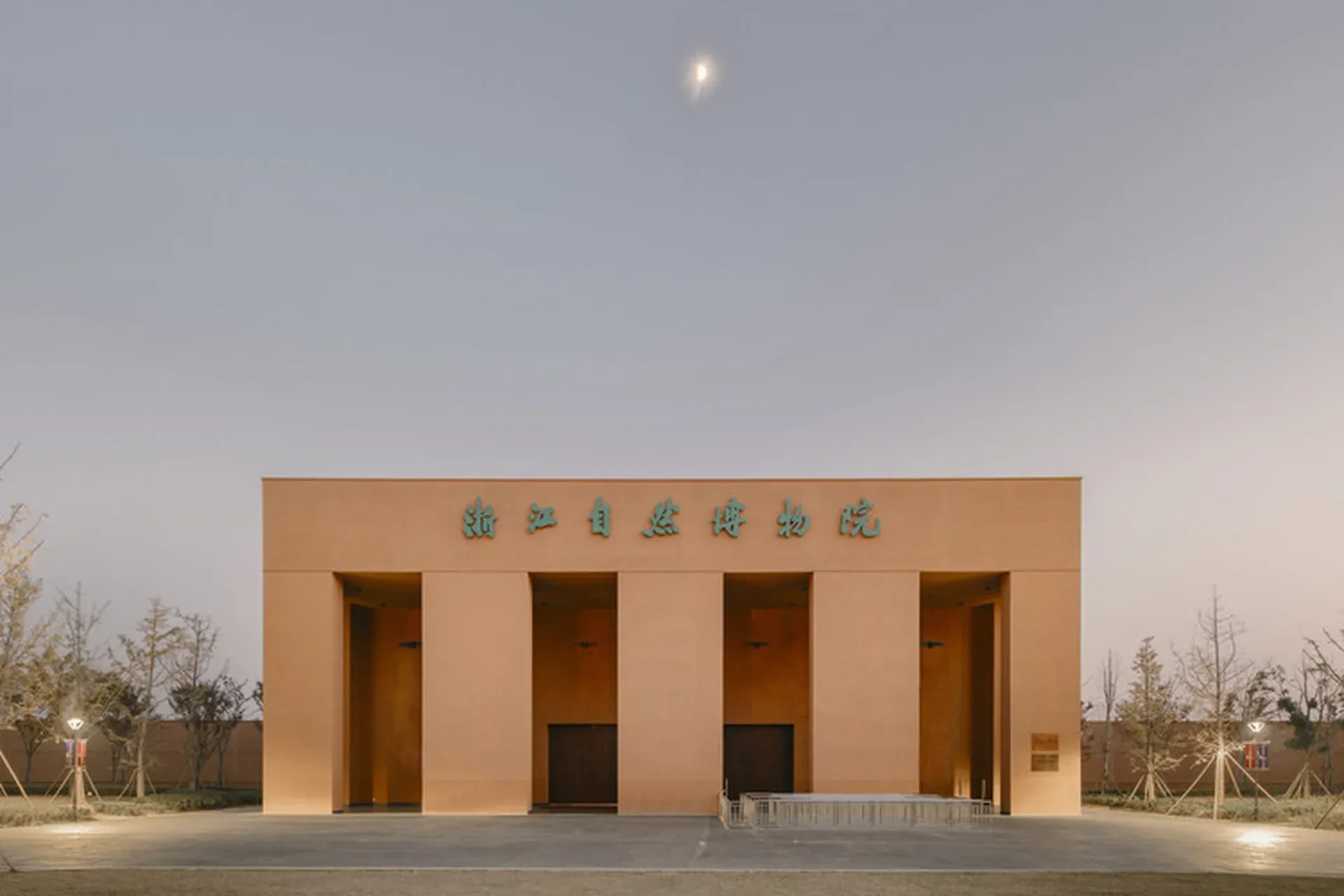
저장박물원
저장박물원의 현재 건물은 2007년 항저우 시후(서호) 기슭에 개관했으며, 목적에 맞게 지어진 현대식 박물관과 역사 건물 러산탕을 결합합니다. 350,000점의 소장품은 저장의 100,000년 인류사를 아우르며, 네 가지 주요 강점은 (1) 허무두 문화 신석기 고고학(7,000-5,000년 전) — 중국 초기 농업에 대한 이해를 바꾼 벼농사와 수리 발견, (2) 룽취안 청자 — 송대 룽취안 청자의 세계 최고 컬렉션으로 중국 도자기 예술의 정점으로 널리 여겨짐, (3) 남송 역사 — 항저우는 1127-1279년 남송의 수도(린안)였으며 이 시기의 뛰어난 유물 보유, (4) 월왕 칠기 병풍(월왕구절검 병풍과 백준도 칠기 병풍 잔편).
Hangzhou · 역사 박물관2026-10-19
빠른 답변
저장박물원에 갈 가치가 있나요?
시후 기슭의 저장 최고 박물관 — 신석기 고고학(허무두/양사오), 룽취안 청자, 항저우의 남송 역사가 강점. 2026년 확인.
핵심 정보
| 분류 | 역사 |
|---|---|
| 입장료 | 무료. 여권 필요. 저장박물원 위챗 미니프로그램 또는 공식 웹사이트로 시간제 예약 입장. 특별전은 별도 요금(¥30-80). |
| 관람 시간 | 9:00-17:00(마지막 입장 16:00). 월요일 휴관. |
| 권장 관람 시간 | 3-4시간. |
| 방문 최적기 | 평일 오전(화-목, 9:00-12:00). 항저우는 ‘일대일로’ 정상회의(격년, 5월)와 중국 황금연휴(10월 1-7일)에 매우 붐빕니다. 4-5월(꽃핀 시후)과 9-11월이 가장 좋습니다. 여름은 매우 더웁니다(35°C 이상). |
| 교통 방법 | 지하철 1호선 융진먼 역에서 하차, A 출구에서 10분 도보로 시후 북쪽 이동. 버스 4, 12, 31, 42, 51, 52번과 Y1(시후 관광 노선)으로 저장박물원 정류장 하차. 항저우 기차역에서 디디 택시로 ¥25-35. 항저우동역에서는 ¥35-50. |
| 영어 안내 표지 | 부분 |
방문해야 할 이유
룽취안 청자만으로도 방문할 가치가 있습니다 — 송대 저장의 옅은 청록 유약 도자기는 많은 수집가가 역사상 가장 아름다운 도자기로 여깁니다. 저장에 7,000년 전 정교한 벼농사가 있었음을 증명하는 허무두 논 유물과 함께, 이 박물관은 신석기부터 제국의 정점까지 저장 문명의 완결된 궤적을 보여줍니다.
소장품 하이라이트
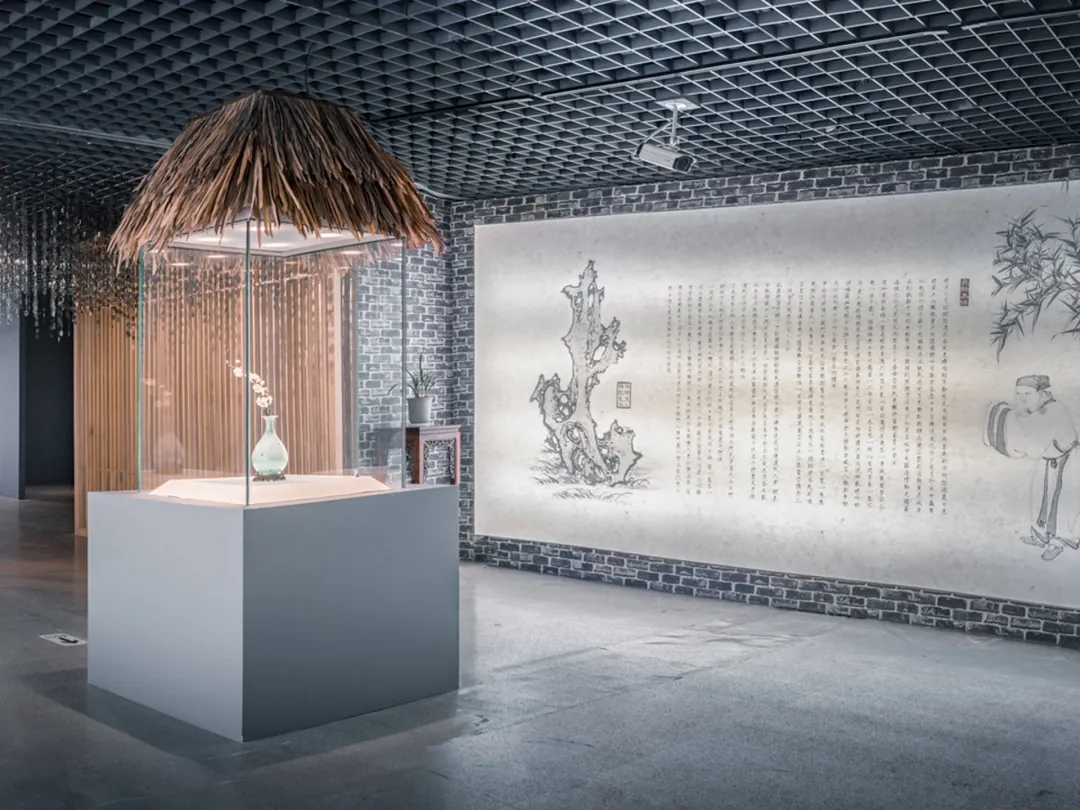
- 룽취안 청자 컬렉션 — 송대 룽취안 청자의 세계 최대·최고 컬렉션. 유명한 ‘메이완’ 청자 그릇과 대형 건축 도자기 포함
- 허무두 문화 논 유물 — 7,000년 된 벼알, 나무 도구, 수리 구조물로 저장 신석기 농업의 정교함을 증명
- 월왕 칠기 병풍 잔편 — 춘추 시대(기원전 5세기) 조각 칠기 병풍으로 말과 궁정 장면을 놀랄 만큼 정밀하게 묘사
- 남송 황실 유물 — 항저우가 남송 수도(린안)였던 시기의 물건들로 금·은 의기와 비단 황실 의복 포함
- ‘만혁송풍’ — 화원 화가 리청의 중요한 송대 그림 두루마리, 상설 전시
- 량주 옥 의기 — 5,000년 된 량주 문화의 옥종(총), 옥벽(비), 차축돌. 중국 최대의 옥 가공 문명
팁
- 박물관은 시후 옆에 있습니다 — 유람선, 링인 사, 단교잔설 산책과 함께 항저우 문화 하루 일정으로
- 룽취안 청자 전시실은 2층 — 투어 단체가 오기 전에 일찍 가세요
- 항저우 시후는 유네스코 세계유산입니다 — 박물관 외에 최소 반나절은 확보하세요
- 박물관 서점은 룽취안 청자 레플리카와 량주 옥 복제품이 있는 훌륭한 곳입니다
- 항저우 여름(7-8월) 습도는 극심합니다 — 박물관은 냉방이 잘 되어 있습니다
- ‘비 오는 날의 시후’를 고려하세요 — 봄비 내리는 아침에 박물관을 방문하면 시후가 가장 아름답습니다
자주 묻는 질문
저장박물원은 허난박물원과 비교하면 어떤가요?
허난박물원은 상·주 청동기와 중국 초기 문명(안양, 뤄양 역사)이 더 강합니다. 저장박물원은 신석기(허무두, 량주), 송대 도자기(룽취안 청자), 남송 역사가 더 강합니다. 둘 다 최상위 성급 박물관 — 관심 있는 시대에 따라 선택하세요.
룽취안 청자란 무엇인가요?
룽취안 청자는 송·원대(10-14세기) 저장 룽취안 지역에서 구운 고온 유약 도자기입니다. 옅은 청록 유약색(청자)과 흔히 조각 또는 형판으로 새긴 장식 문양이 특징입니다. 중국 도자기 예술의 정점으로 널리 여겨지며 동남아·중동·동아프리카의 주요 수출품이었습니다.
허무두 문화란 무엇인가요?
허무두는 저장의 야오 강 유역을 중심으로 한 신석기 문화로 기원전 7000-5000년으로 거슬러 올라갑니다. 1973년 발견은 저장에서 7,000년 전에 벼농사가 행해졌음을 — 황허 유역 양사오 문화와 동시대이지만 독립적으로 — 보여줌으로써 중국 초기 농업에 대한 통설을 뒤집었습니다.
저장박물원에 영어 안내 표지가 있나요?
부분적으로 — 룽취안 청자 전시실과 허무두 구역에는 영어 라벨이 있습니다. 남송 전시실은 영어가 제한적입니다. 영어 오디오 가이드 이용 가능(예치금 ¥50, 대여료 ¥30).
시후 방문과 함께할 수 있나요?
네 — 박물관은 시후 북쪽 해안에서 도보 5분 거리입니다. 이상적인 일정은 오전 박물관(9:00-12:30) + 뤄와이러우(항저우 최고의 식당) 점심 + 오후 시후 유람선입니다.
함께 읽기
Hangzhou의 다른 즐길 거리
징항 대운하(항저우 구간)
1,776km 베이징-항저우 대운하의 남쪽 종점 — 2014년 세계유산 등재 — 작업 수로로 항저우를 흐르며 1631년에 세워진 공천차오와 무료 박물관 곁을 지나갑니다.
항저우 박물관
항저우의 역사를 보여주는 지역 종합박물관. 소장품 약 3만 점, 대표 소장품은 전국시대 수정컵(높이 15.4cm). 무료, 09:00-16:30, 월요일 휴관. 지하철 1호선 딩안루역 B출구.
허팡제
칭허팡은 항저우에서 가장 유명한 골목 — 남송 이래 1,000년이 넘었고 입장 무료, 지하철 1호선에서 도보 10분, 후칭위탕 같은 백년 노포가 줄지어 있습니다.
허팡제
항저우에서 가장 역사적인 전통 상업 거리. 길이 약 1,800m, 명청~민국 시대 건축, 입장 무료. 상점은 09:00~22:00, 야경이 아름답습니다. 지하철 1호선 딩안루역 B출구에서 도보 10분.
레이펑타
시호 십경의 '레이펑 석양', 백사전 전설의 고향. 40위안으로 오르면 호수가 한눈에 내려다보이고 발굴된 지하 궁전도 만날 수 있습니다.
링인사
동진 시대에 창건된 항저우 최고(最古)의 사찰. 지금도 참배객으로 붐비고 귀한 석각을 간직하고 있습니다. 페이라이펑·융푸사 포함 입장권 위안 75.
룽징 차밭
시후 룽징 차의 심장부. 건륭제가 어봉한 18그루 어차나무의 고향. 차밭은 무료로 거닐며 산지에서 직접 차를 맛볼 수 있습니다.
메이링 터널 트레일
링인(灵隐)과 메이자우(梅家坞)를 메이링 터널로 잇는 항저우 클래식 하이킹 루트 — 고요한 숲과 아름다운 차테라스 풍경 약 8킬로미터.
보타산
관세음보살을 모시는 불교 섬 — 3대 사찰과 33미터 금빛 관음상. 저우산에서 페리 왕복 160위안. 최소 반나절 필요. 고요한 해안 분위기의 순례지.
궁천교 (대운교)
대운하 항저우 구간의 시그니처 삼공(三孔) 석교로 1631년에 세워졌고 바로 서쪽에 샤오헤 직가 유산 지구가 있습니다 — 무료이며 도보 탐방이 가장 좋습니다.
육화탑
첸탕강을 내려다보는 월륜산 위의 송나라 탑 — 바깥은 13층 처마, 안은 7층. 약 90분이면 정상까지 오르며 강과 다리 전망을 즐길 수 있습니다.
남송 어가
남송 수도 린안의 중앙 대로. 1,000년 역사를 품고 보존된 지층 도로도 볼거리. 산책은 무료, 허팡제와 이어지며 밤 조명이 가장 아름답습니다.
소동파 기념관
쑤둥퍼(소동파)를 기리는 테마 전시관. 2003년 건립, 면적 약 2500평방미터. 쑤디(소제)는 총 길이 2.8킬로미터. 무료 입장, 09:00-16:30, 월요일 휴관. 버스 K4/K504번 쑤디 정류장 하차. 쑤둥퍼와 항저우의 인연을 알기에 꼭 갈 만한 곳.
시후 (서호)
항저우를 상징하는 호수 — 면적 6.38㎢, 15km의 호숫가, 모두에게 무료, 2011년부터 유네스코 세계유산. 유람선 55위안부터. 지하철 1호선 룽샹차오 하차. 4-8시간을 잡으세요.
샹후 공원
항저우 제2의 명호이자 시호의 '자매호' — 약 5k㎡의 물과 15km 자전거 일주 코스. 입장 무료. 쿠후차오 박물관은 8,000년 된 문화를 다룹니다. 3-5시간을 잡으세요.
시후 음악 분수
항저우에서 가장 인기 있는 무료 야경 명소, 후빈 3공원에서 매일 밤 19:30과 20:30 두 번 공연(공휴일 추가 공연). 인산인해라 자리 잡기는 서두를 것.
시시 습지
중국 최초의 국가 습지공원 — 11.5km²의 갈대밭·연꽃 연못·감나무숲이 물길로 이어지며, 시후(서호) 서쪽 차로 약 20분 거리입니다.
Hangzhou의 박물관
중국견박물관
세계 최대의 실크 박물관. 산 누에, 19세기 직기의 직조 시연, 2,000년 된 실크로드 직물. 무료. 항저우에서 가장 과소평가된 박물관.
중국차박물관
중국 유일의 국가급 차 박물관. 항저우의 실제 룽징 차밭 사이에 자리하며 다도 시연, 1,000점 이상의 차 유물, 산지의 싱싱한 룽징 차를 맛볼 수 있습니다. 무료.
항저우 박물관(청허방)
신석기 량주부터 남송 제국의 전성기까지, 시후(西湖)의 문화사. 허팡제 인근, 무료 입장. 청자와 송대 도시 생활. 1.5-2시간을 잡자.
중국 국가판본관(항저우) 문윤각
중국에서 가장 최근에 문을 연 국가급 「판본(版本)」 저장고. 2022년 7월 개관, 항저우 여항 량주 고성 유적 인근 10만 제곱미터 산기슭 단지.
저장성 자연박물관(항저우)
시후문화광장에 있는 항저우의 자연사 박물관——공룡, 화석, 광물, 그리고 저장의 독특한 생태계의 생물학. 무료. 1.5-2시간을 잡자.
항저우 시후 박물관
하나의 호수만을 다루는 중국 최초의 박물관 — 시후의 지질과 기원, 2,000년의 준설과 시, 십경, 2011년 세계유산 등재를 기록한다. 무료. 시후 남안.
저장성박물관
량주 신석기 옥기(5,000년 된 의기 옥종과 옥벽), 세계 최고의 청자, 남송 황실 유물 — 시후 기슭. 무료.