Hangzhou · Visitor Guide
West Lake (西湖, Xī Hú)
西湖是中国最著名的湖泊之一,位于杭州市区西侧,以山水画般的美景和深厚的历史文化底蕴闻名。2011年被列入世界文化遗产,是中国首批国家重点风景名胜区和5A级旅游景区。
Last updated:
Quick Answer
Is West Lake worth visiting?
west-lake in Beijing: 杭州标志性湖泊,面积约6.38平方公里,周长约15公里。免费开放(部分景点另付费)。游船55元起。2011年世界文化遗产。苏堤全长2.8公里,地铁1号线龙翔桥站/凤起路站。深度游建议4-8小时。
Quick facts
| Ticket | 免费开放(部分景点需单独购票:雷峰塔40元,灵隐寺+飞来峰75元,游船55元起) |
|---|---|
| Hours | 全天开放(游船运营约 08:00-17:30) |
| Recommended duration | 建议4-8小时(深度游需1-2天) |
| Best time to visit | 春季(苏堤春晓)最佳,4月赏樱;秋季桂花飘香;冬季断桥残雪 |
| How to get there | 地铁1号线龙翔桥站/凤起路站;公交多条线路可达;杭州东站乘地铁1号线约30分钟 |
| English signage | yes |
| Wheelchair accessible | yes |
| 面积 | 约6.38平方公里 |
| 周长 | 约15公里 |
| 水深 | 平均1.5-2米 |
| 门票 | 免费(核心区域) |
| 评级 | 世界文化遗产(2011) |
| 所属城市 | 杭州 |
What to expect
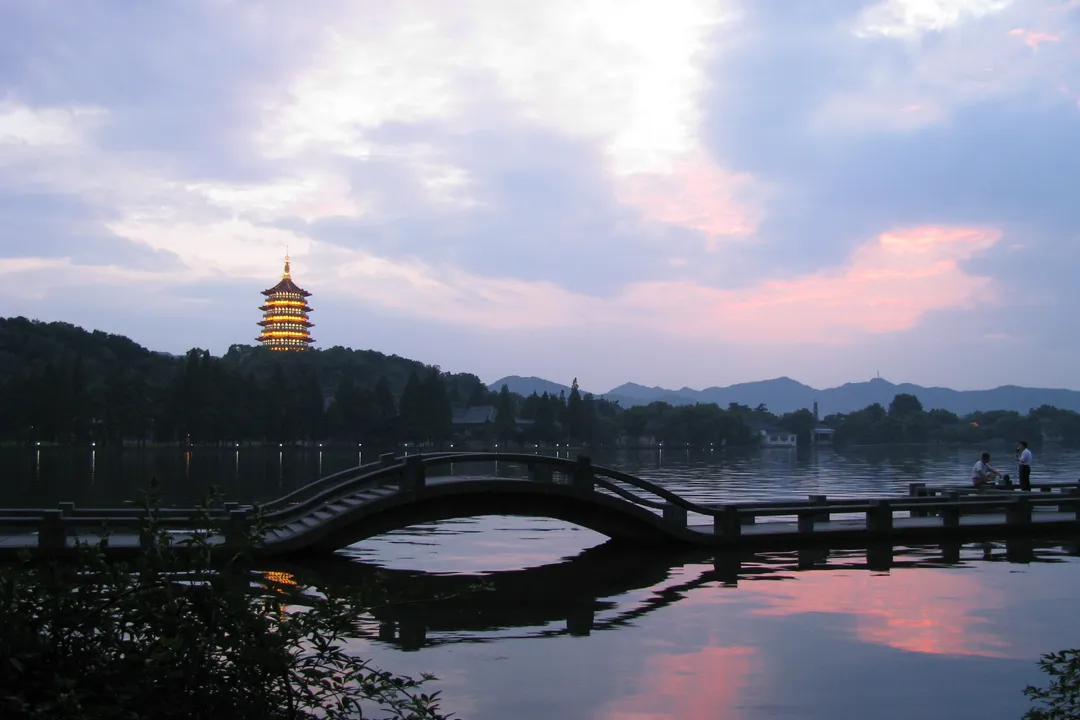
西湖位于浙江省杭州市西面,因其秀丽的湖光山色和众多名胜古迹而闻名中外,是中国首批国家重点风景名胜区和世界文化遗产。西湖三面环山,面积约6.38平方公里,以一山、二塔、三岛、三堤、五湖的基本格局著称。苏堤、白堤将湖面分割成五个区域,雷峰塔与保俶塔隔湖相望,构成雷峰夕照与保俶塔影的经典画面。
西湖的历史可追溯至秦朝,历代文人墨客在此留下无数诗词书画。白居易、苏轼、柳永等唐宋大家均有不朽名篇。苏轼任杭州知州时主持修筑的苏堤,至今仍是西湖最著名的景观之一。白娘子与许仙的传说更为西湖增添了浪漫色彩,断桥成为爱情圣地。历代营造的亭台楼阁、寺庙宝塔、园林宅院,构成西湖文化的物质载体。
游客可沿湖漫步、骑行或乘船游览。主要入口位于湖滨,断桥、苏堤、花港观鱼、曲院风荷等景点步行可达。景区内有多处码头可乘坐摇橹船(每小时约150元)或自开船(每小时约40元起)。周边龙井茶村、梅家坞等可顺游。旺季人流量大,建议早晨或傍晚前往避开高峰。
How to get there
杭州地铁1号线龙翔桥站C口出,步行约5分钟即到湖滨音乐喷泉区域。杭州东站乘地铁1号线至凤起路站或龙翔桥站,约25-35分钟。公交K7、K51、Y1等多条线路在西湖边停靠。
Best photo spots
- 断桥残雪(冬季最佳,雪后取景)
- 雷峰塔顶层(俯瞰西湖全景)
- 苏堤春晓(春季柳绿桃红)
- 花港观鱼(红鱼群景观)
- 三潭印月(人民币1元背景,需乘船登岛)
Tips
- 清晨6-8点是最佳游览时段,游客少、晨雾美,建议在苏堤跑步或散步
- 环湖骑行(约15公里)建议从湖滨出发,沿南山路、玉皇山路返回
- 梅雨季节(6月中下旬)湖面烟雨朦胧,别有一番意境
- 西湖醋鱼、龙井虾仁等杭州名菜可在楼外楼、知味观品尝
- 避开国庆、春节等长假高峰,或选择清晨、夜晚游湖
Scams to avoid
- 湖边野导声称可以低价购票或带你走本地人路线,实际会带你去购物点
- 手划船船夫可能中途提价,建议乘船前确认价格或选择正规码头购票
- 景区周边流动商贩的西湖莲蓬可能缺斤短两或以次充好
Frequently asked questions
西湖需要买门票吗?
西湖本身免费开放,但内部部分景点(雷峰塔40元、灵隐寺75元含飞来峰、曲院风荷等)需单独购票。游船另收费。
西湖一天够玩吗?
走马观花一天足够,但深度游览建议安排1.5-2天。第一天环湖步行+游船,第二天可去龙井茶村、灵隐寺等周边景点。
西湖音乐喷泉在哪里?怎么去?
音乐喷泉位于湖滨三公园(龙翔桥站C口出),晚间19:30和20:30各一场(节假日可能加场),提前30分钟在湖边等候可获好位置。
西湖可以骑共享单车吗?
可以,哈啰、美团等共享单车在湖边有多个停放点,环湖骑行道完善,很受欢迎。
Read next
Other things to do in Hangzhou
Grand Canal (Hangzhou Section)
The 1,776 km Grand Canal's southern terminus — a UNESCO World Heritage site since 2014 — runs through Hangzhou as a working waterway past the 1631-built Gongchen Bridge and free museums.…
Leifeng Pagoda
leifeng-pagoda in Beijing: 西湖十景雷峰夕照,新塔40元登塔俯瞰西湖,白蛇传传说源地,新塔内保存古塔遗址地宫,景色壮观。
Lingyin Temple
lingyin-temple in Beijing: 杭州最古老寺庙,东晋始建,香火极盛,寺内有珍贵石刻造像,飞来峰永福寺联票75元。
Longjing Tea Plantation
longjing-tea-plantation in Beijing: 西湖龙井茶核心产区,乾隆皇帝御封的十八棵御茶树所在地,免费茶田漫步,茶文化体验,品茶买茶。. 2026 verified.
Meiling Tunnel Trail
meiling-dragon in Beijing: 杭州经典徒步路线,连接灵隐与梅家坞,穿过梅灵隧道,全程约8公里,山林幽静,茶园风光佳。
Putuoshan Island
Buddhist island sacred to Guanyin — 3 major temples, 33 m golden statue. Ferry ¥160 round-trip from Zhoushan. Half-day minimum. Pilgrimage site with a serene coastal atmosphere.
Gongchen Bridge & Grand Canal
qi-bridge in Beijing: 京杭大运河杭州段标志性三孔石拱桥,建于1631年,桥西为小河直街历史文化街区,免费,漫步最佳。
Six Harmonies Pagoda
"A 60-meter Song-era pagoda on Yuelun Hill above the Qiantang River — 7 interior floors hiding behind 13 exterior eaves, climbable in about 90 minutes for a river-and-bridge view.".
Southern Song Imperial Street
song-dynasty-ruins in Beijing: 南宋都城临安的中轴大道,1000年历史,保存完好地下文物层,连接河坊街,免费漫步,夜晚灯光美。
Xiang Lake Park
xiang-lake-park in Beijing: 杭州第二大名湖,水域面积约5平方公里,西湖姐妹湖。免费进入(展馆另付费)。跨湖桥遗址博物馆免费(8000年文明)。环湖骑行约15公里。地铁1号线湘湖站步行15分钟。建议3-5小时。
Xixi National Wetland Park
China's first national wetland park — 11.5 sq km of reed beds, lotus ponds, and persimmon groves threaded by water lanes, about 20 minutes west of West Lake.…
Museums in Hangzhou
China National Silk Museum
"The world's largest silk museum. Live silkworms, weaving demonstrations on 19th-century looms, and 2,000-year-old Silk Road textiles. Free. Hangzhou's most underrated museum.".
China National Tea Museum
"China's only national-level tea museum, set among actual Longjing tea plantations in Hangzhou. Tea ceremony demonstrations, 1,000+ tea artifacts, and fresh Longjing at the source. Free.".
Hangzhou Museum
West Lake cultural history from Neolithic Liangzhu through Southern Song imperial glory. Free entry near Hefang Street. Celadon ceramics and Song Dynasty urban life. Allow 1.5–2 hours.
National Archives of Publications and Culture — Hangzhou Branch (Wenrun Ge)
"China's newest national \"version\" repository, opened July 2022 in a 100,000 sqm hilltop complex near Hangzhou's Xianghu Lake,.".
Zhejiang Museum of Natural History
Hangzhou's natural history museum near West Lake — dinosaurs, fossils, minerals, and the biology of Zhejiang's unique ecosystems. Free. Allow 1.5–2 hours.
Zhejiang Museum
"Zhejiang's premier museum at the foot of West Lake - strong in Neolithic archaeology (Hemudu/Yangshao), Longquan celadon, Hangzhou's Southern Song history,.".. 2026 verified.
Zhejiang Provincial Museum
"Liangzhu Neolithic jade (5,000-year-old ritual cong and bi), the world's finest celadon ceramics, and Southern Song imperial artifacts — on the shore of West Lake. Free.".