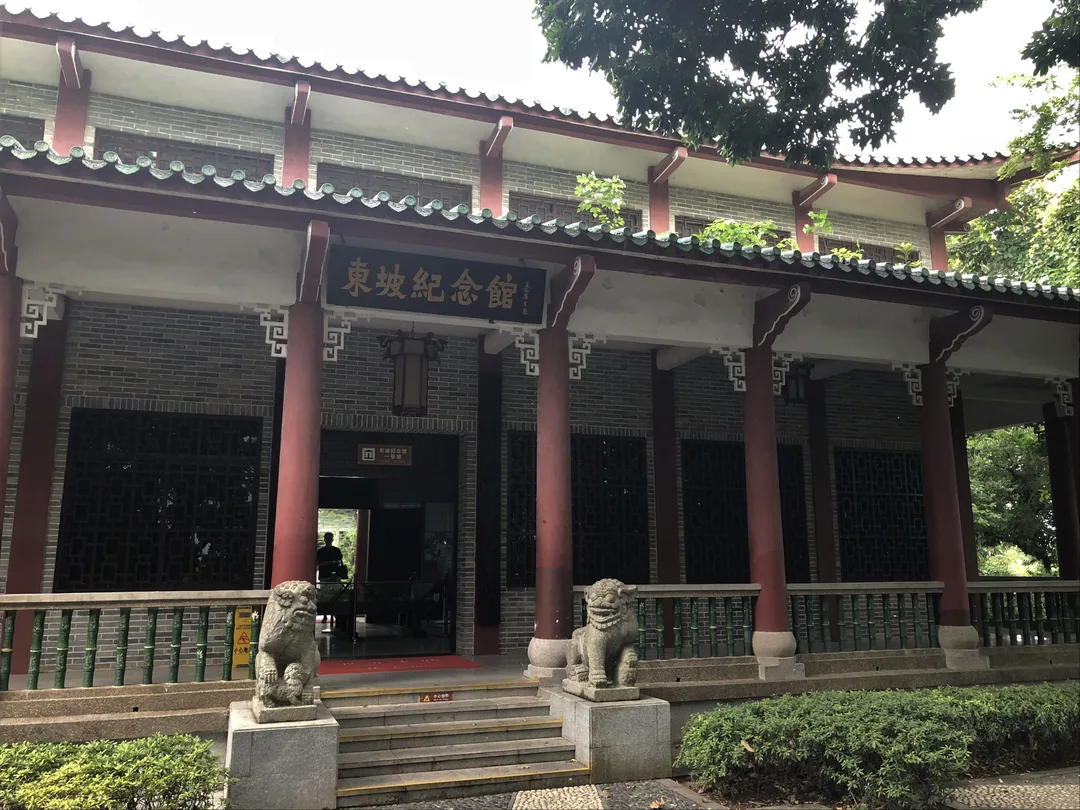
Su Dongpo Memorial Hall苏东坡纪念馆
Free museum at the south end of Su Causeway honoring Song-dynasty poet-governor Su Dongpo, who dredged West Lake and built the 2.8-km causeway.
Hangzhou · Visitor Guide2026-10-18
Quick Answer
Is Su Dongpo Memorial Hall worth visiting?
Memorial hall to poet Su Dongpo in Hangzhou, built in 2003 with about 2500 sqm of exhibits; free entry 09:00-16:30, closed Mondays, at the south end of the 2.8-km Su Causeway.
Quick facts
| Ticket | Free admission |
|---|---|
| Hours | 09:00-16:30 (last entry 16:00), closed Mondays |
| Recommended duration | 40 minutes to 1.5 hours |
| Best time to visit | Any season; best in spring, combined with Su Causeway and West Lake |
| How to get there | Bus K4 or K504 to Sudi stop; about 15 minutes on foot from Longxiangqiao station on Metro Line 1 |
| English signage | Yes |
| Wheelchair accessible | Yes |
| Built | 2003 |
| Floor area | About 2,500 sqm |
| Type | Memorial museum for a historical figure |
| Location | South shore of West Lake, south end of Su Causeway |
| Honoree | Su Shi (Su Dongpo) |
What to expect
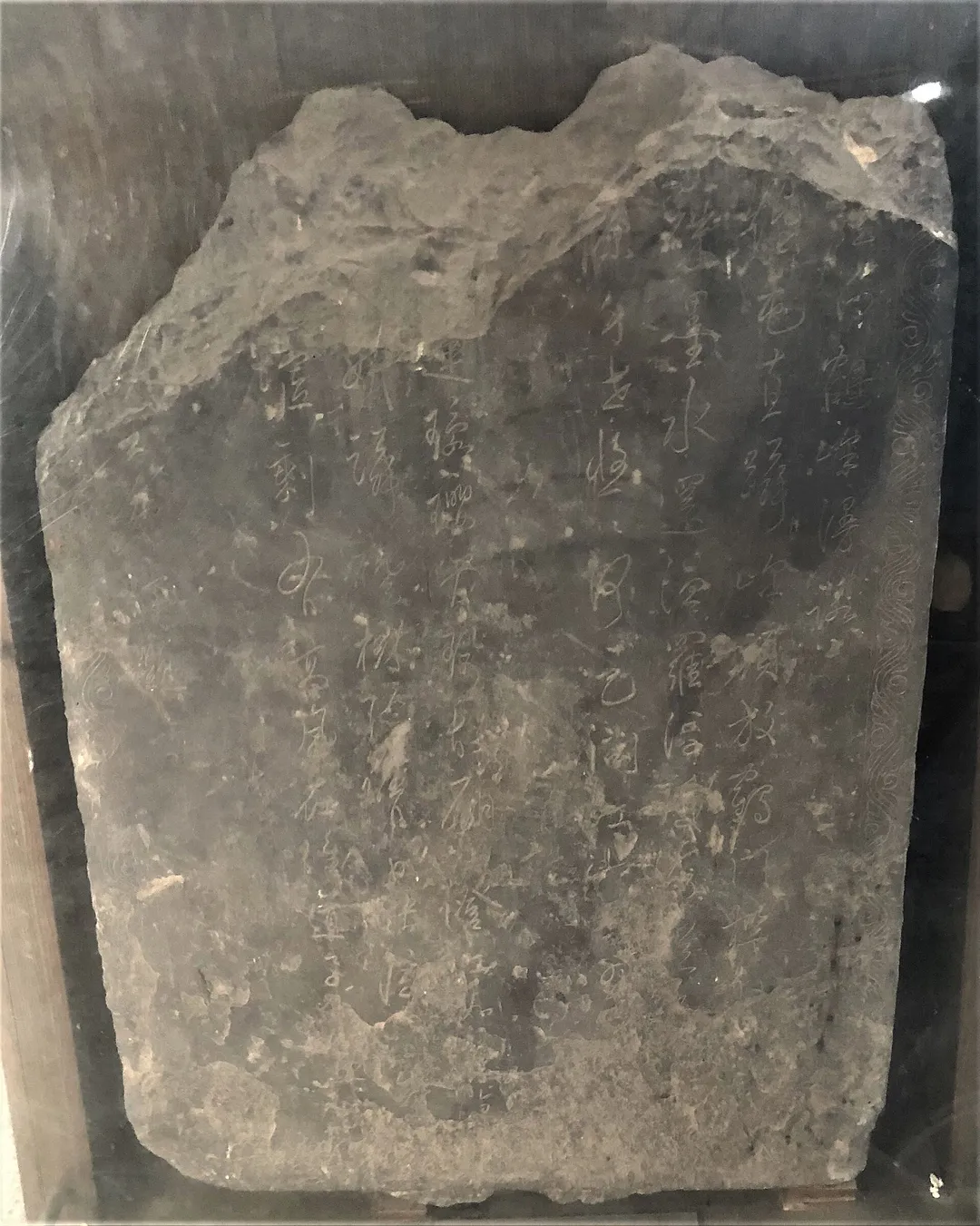
Built against the hillside, the museum spreads its roughly 2,500 sqm across a main hall, a stele corridor and a courtyard. Photographs, replicas and multimedia displays trace Su Dongpo's literary achievements, his political career and his bond with Hangzhou. The collection includes copies of his calligraphy, reproductions of Song-dynasty artifacts, and rubbings of poems later writers dedicated to him; the most prized piece is his West Lake poem stele.
Su Shi first came to Hangzhou in 1071 as a vice-magistrate and returned in 1089 as governor. His lasting gift to the city was dredging West Lake and shaping the dug-out silt into Su Causeway: 2.8 km across the lake, crossed by six stone bridges, lined with peach and willow trees, and now the lake's classic walk. His poem "Drinking on the Lake, First Clear Then Rainy" — "the water shimmers in sun, the hills blur in rain; West Lake is Xizi, lovely in light or heavy make-up" — remains the lake's unofficial anthem.
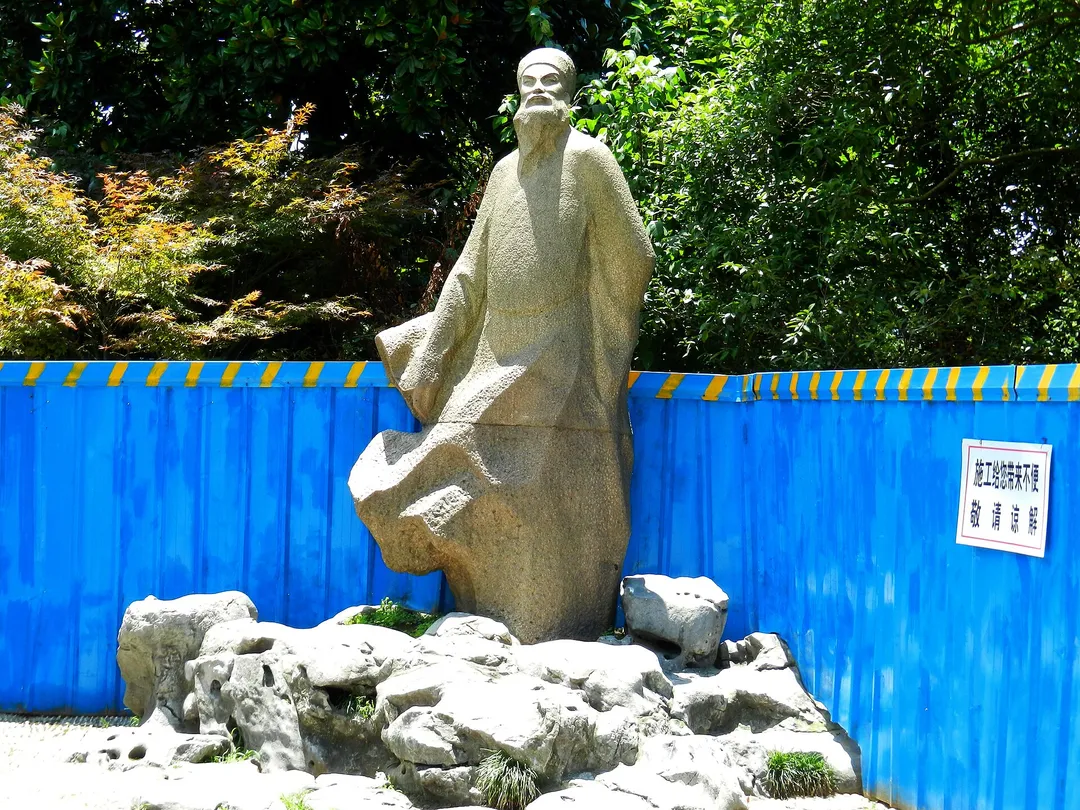
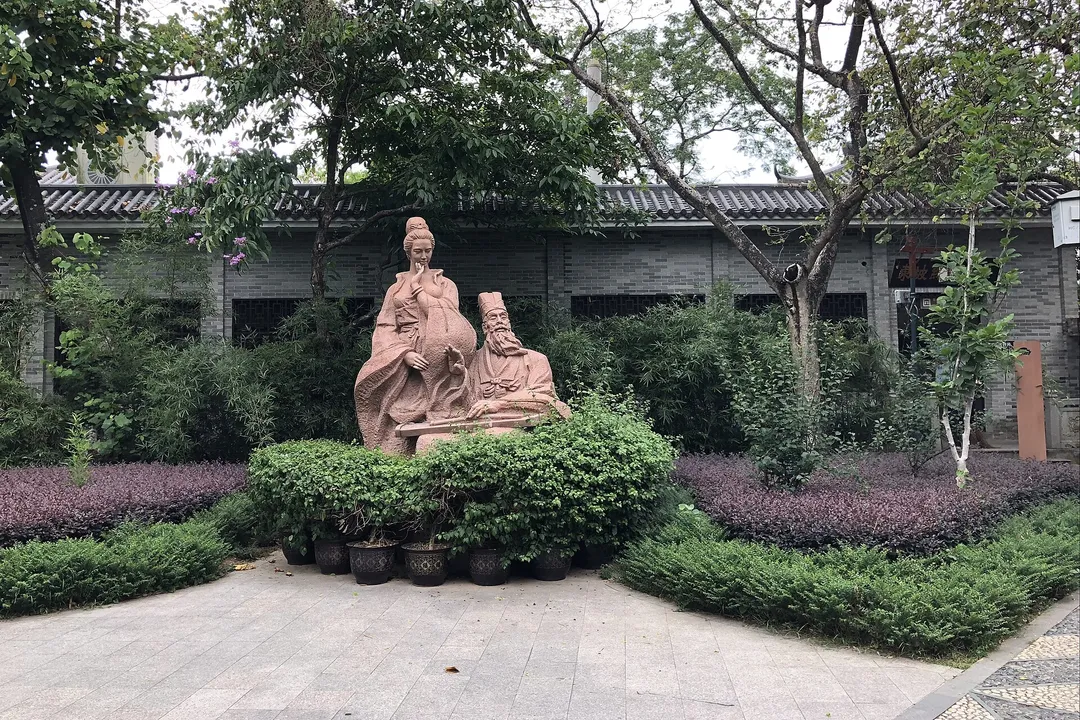
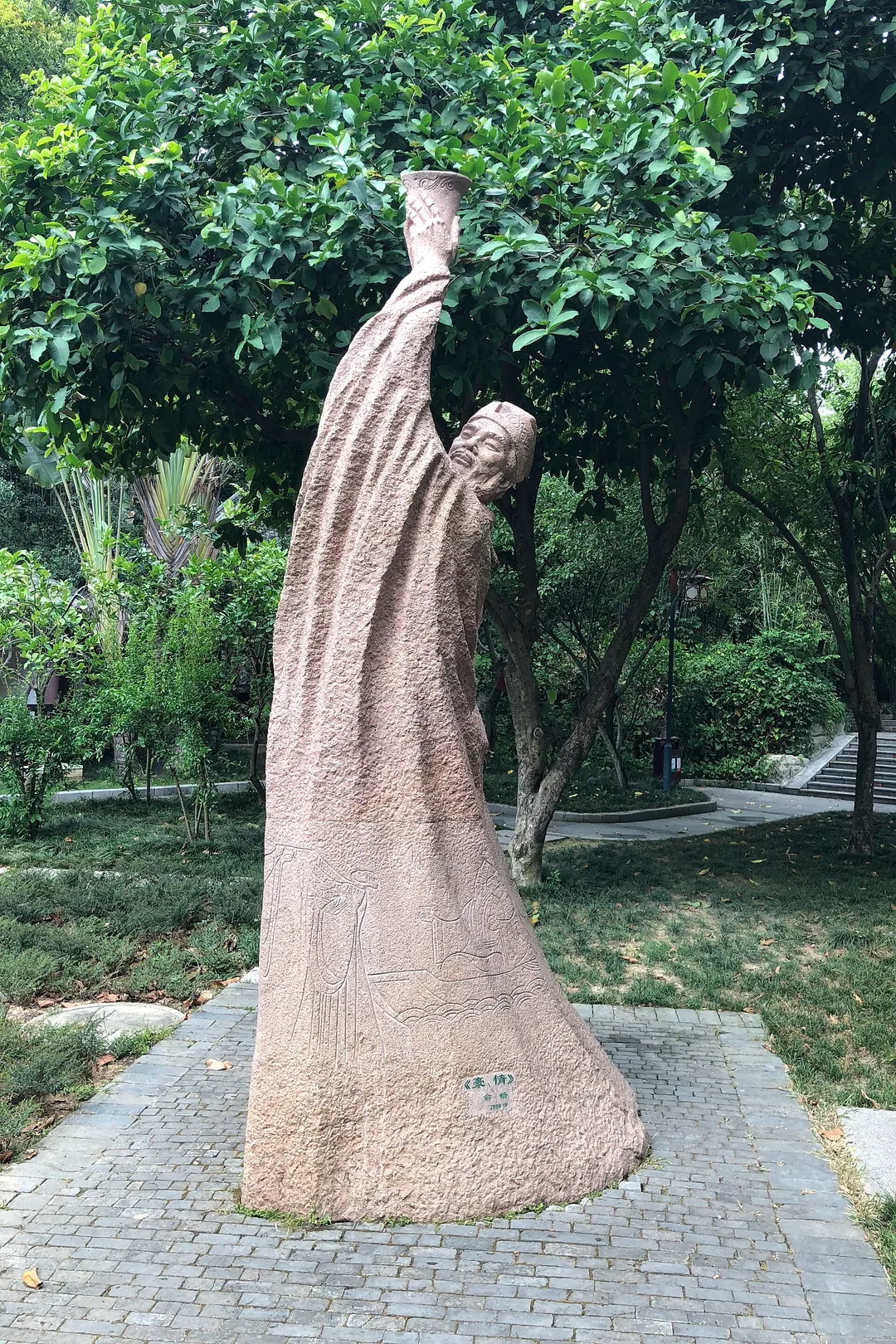
The museum sits at the start of Su Causeway, next to the Huagang Guanyu (Viewing Fish at Flower Pond) scenic spot. A good plan: tour the museum first for context, then walk the causeway north toward Broken Bridge — about 2.8 km and 1 to 1.5 hours of lake scenery. Around the entrance you will find sculptures of Su Dongpo and a corridor of inscribed poem steles worth a slow look.
How to get there
Take bus K4 or K504 to Sudi stop — the museum entrance is right where you get off. From Longxiangqiao station on Metro Line 1 it is about a 15-minute walk south along Hubin Road to the south end of the causeway. From Hangzhou East railway station allow about 30 minutes on Metro Line 1.
Best photo spots
- The full-length Su Dongpo statue at the museum entrance
- Su Causeway in spring (Spring Dawn at Su Causeway)
- The stele corridor inside the museum
- The Su Dongpo art sculpture in the courtyard
- Yingbo Bridge, one of the six causeway bridges
Tips
- Entry is free and the museum closes on Mondays — plan around it
- Pair it with Su Causeway and West Lake: museum first for background, then stroll the causeway
- There are no big restaurants nearby; bring a snack or eat near Huagang Guanyu
- Cycling is banned on Su Causeway — walk or take the scenic shuttle cart
Scams to avoid
- No notable scams here, though vendors along Su Causeway sell low-quality souvenirs
Frequently asked questions
Do I need to book for Su Dongpo Memorial Hall?
No — register with your ID card at the door. Closed Mondays; hours can shift on public holidays.
What is the connection between the museum and Su Causeway?
The museum stands at the causeway's south end and is the best place to learn its story: the causeway is the embankment Su Shi built as governor, so the two are inseparable.
How long does a visit take?
About 40 minutes to an hour; allow 1.5 hours if you linger over the poetry and Song history.
How long is Su Causeway? Can I cycle it?
About 2.8 km. Bikes and e-bikes are banned — walk or take the scenic cart (15 yuan per ride).
Read next
Other things to do in Hangzhou
Grand Canal (Hangzhou Section)
The 1,776 km Grand Canal's southern terminus — a UNESCO World Heritage site since 2014 — runs through Hangzhou as a working waterway past the 1631-built Gongchen Bridge and free museums.
Hangzhou Museum
Hangzhou's local-history museum, holding nearly 30,000 relics and the Warring States crystal cup (15.4 cm) as its treasure; free, 09:00-16:30, closed Mondays.
Hefang Street (Near West Lake)
Qinghefang is Hangzhou's most famous old street — 1,000-plus years since the Southern Song, free to enter, a 10-minute walk from Metro Line 1, lined with century-old shops like Hu Qingyu Tang.
Hefang Street
Hangzhou's most historic antique-style shopping street, about 1800 m of Ming, Qing and Republican buildings; free entry, shops 09:00-22:00, 10 minutes from Ding'an Road metro.
Leifeng Pagoda
Leifeng Pagoda in Evening Glow, one of the Ten Scenes of West Lake and home of the White Snake legend. CNY 40 buys the climb for sweeping lake views and the excavated underground palace.
Lingyin Temple
Hangzhou's oldest temple, founded in the Eastern Jin dynasty, still thronged with worshippers and rich in precious stone carvings. Combo ticket for Feilai Peak and Yongfu Temple CNY 75.
Longjing Tea Plantation
The heartland of West Lake Longjing tea, home to the 18 Imperial Tea Trees honored by Emperor Qianlong. Wander the tea fields free of charge and taste tea at the source.
Meiling Tunnel Trail
A classic Hangzhou hiking route linking Lingyin with Meijiawu by way of the Meiling Tunnel — about 8 km of quiet woodland and fine tea-terrace scenery.
Putuoshan Island
Buddhist island sacred to Guanyin — 3 major temples, 33 m golden statue. Ferry ¥160 round-trip from Zhoushan. Half-day minimum. Pilgrimage site with a serene coastal atmosphere.
Gongchen Bridge & Grand Canal
The Grand Canal's signature three-arch stone bridge in Hangzhou, built in 1631, with the Xiaohe Straight Street heritage quarter just west — free, and best explored on foot.
Six Harmonies Pagoda
A 60-meter Song-era pagoda on Yuelun Hill above the Qiantang River — 7 interior floors hiding behind 13 exterior eaves, climbable in about 90 minutes for a river-and-bridge view.
Southern Song Imperial Street
The central artery of the Southern Song capital Lin'an, carrying 1,000 years of history and a preserved underground road layer. Free to stroll, linked to Hefang Street, loveliest lit up at night.
West Lake
Hangzhou's defining lake — 6.38 sq km ringed by 15 km of shore, free to all, a UNESCO World Heritage site since 2011. Boats from CNY 55; Metro Line 1 to Longxiang Bridge. Allow 4-8 hours.
Xiang Lake Park
Hangzhou's second great lake and West Lake's 'sister' — about 5 sq km of water and a 15 km cycling loop. Free entry; the Kuahuqiao museum covers an 8,000-year-old culture. Allow 3-5 hours.
West Lake Musical Fountain
Free nightly shows at 19:30 and 20:30 at the Hubin gardens on West Lake in Hangzhou; the 126-m fountain has 333 jets, so arrive early for a spot.
Xixi National Wetland Park
China's first national wetland park — 11.5 sq km of reed beds, lotus ponds, and persimmon groves threaded by water lanes, about 20 minutes west of West Lake.
Museums in Hangzhou
China National Silk Museum
The world's largest silk museum. Live silkworms, weaving demonstrations on 19th-century looms, and 2,000-year-old Silk Road textiles. Free. Hangzhou's most underrated museum.
China National Tea Museum
China's only national-level tea museum, set among actual Longjing tea plantations in Hangzhou. Tea ceremony demonstrations, 1,000+ tea artifacts, and fresh Longjing at the source. Free.
Hangzhou Museum
West Lake cultural history from Neolithic Liangzhu through Southern Song imperial glory. Free entry near Hefang Street. Celadon ceramics and Song Dynasty urban life. Allow 1.5–2 hours.
National Archives of Publications and Culture — Hangzhou Branch (Wenrun Ge)
China's newest national "version" repository, opened July 2022 in a 100,000 sqm hillside complex beside the Liangzhu Ancient City ruins in Hangzhou's Yuhang district.
Zhejiang Museum of Natural History
Hangzhou's natural history museum at West Lake Culture Square — dinosaurs, fossils, minerals, and the biology of Zhejiang's unique ecosystems. Free. Allow 1.5–2 hours.
West Lake Museum
China's first museum devoted to a single lake — West Lake's geology, 2,000 years of dredging and poetry, the Ten Scenes, and the 2011 UNESCO inscription. Free. On the lake's south shore.
Zhejiang Museum
Zhejiang's premier museum at the foot of West Lake — Neolithic archaeology (Hemudu, Liangzhu), Longquan celadon, and Hangzhou's Southern Song history. Free; 3–4 hours.
Zhejiang Provincial Museum
Liangzhu Neolithic jade (5,000-year-old ritual cong and bi), the world's finest celadon ceramics, and Southern Song imperial artifacts — on the shore of West Lake. Free.