Stone City Park石头城公园
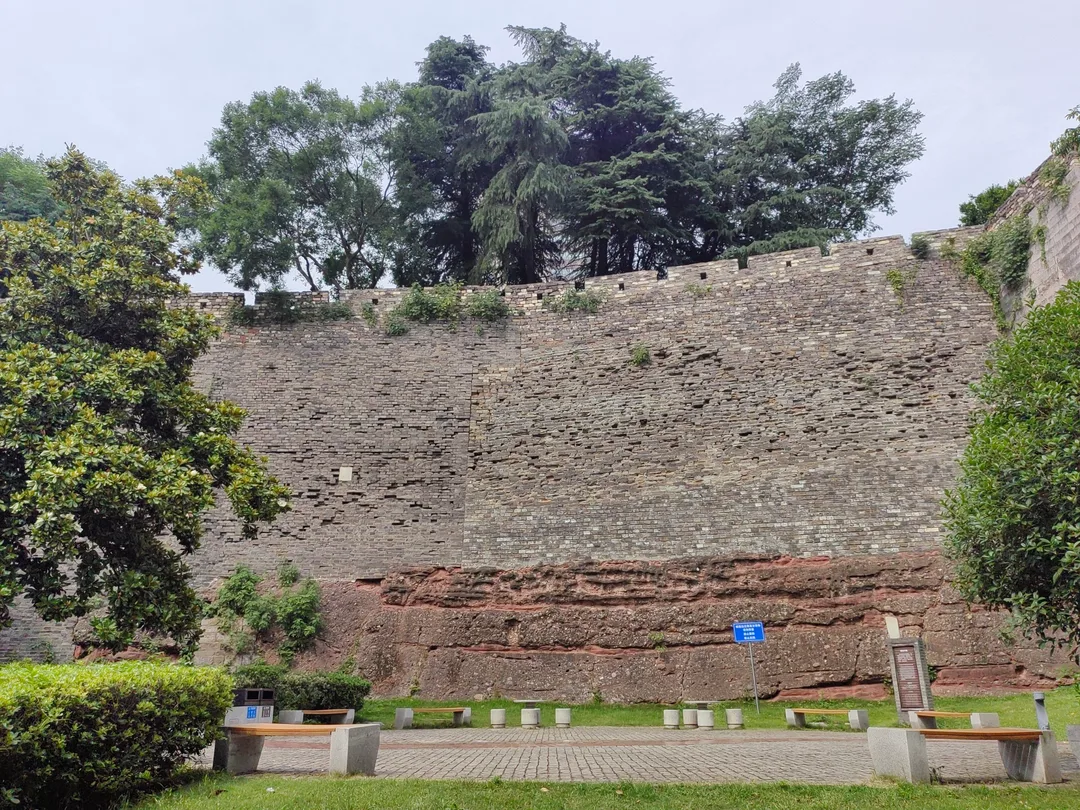
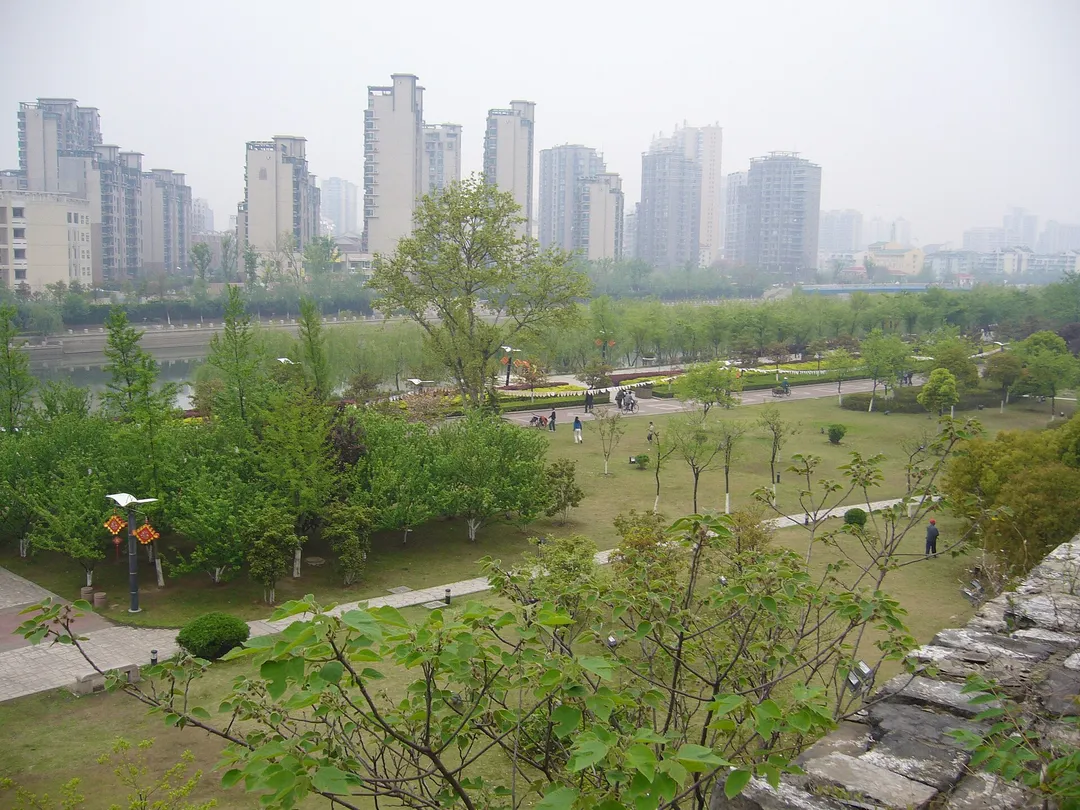
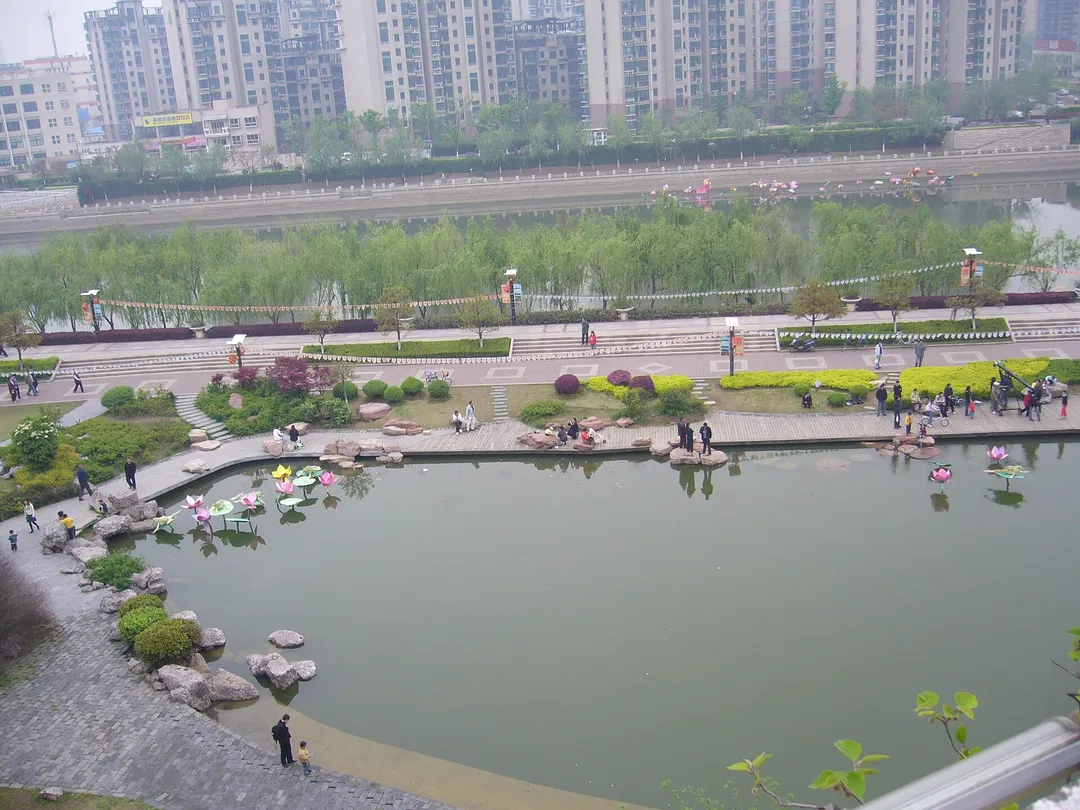
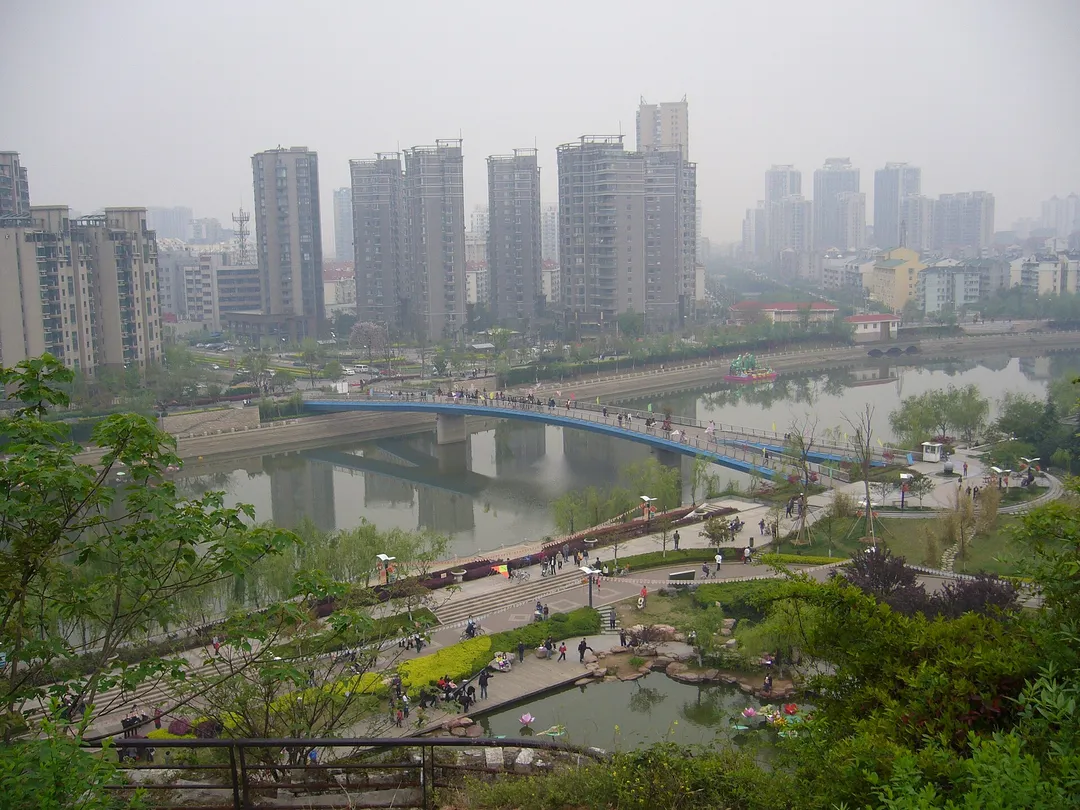
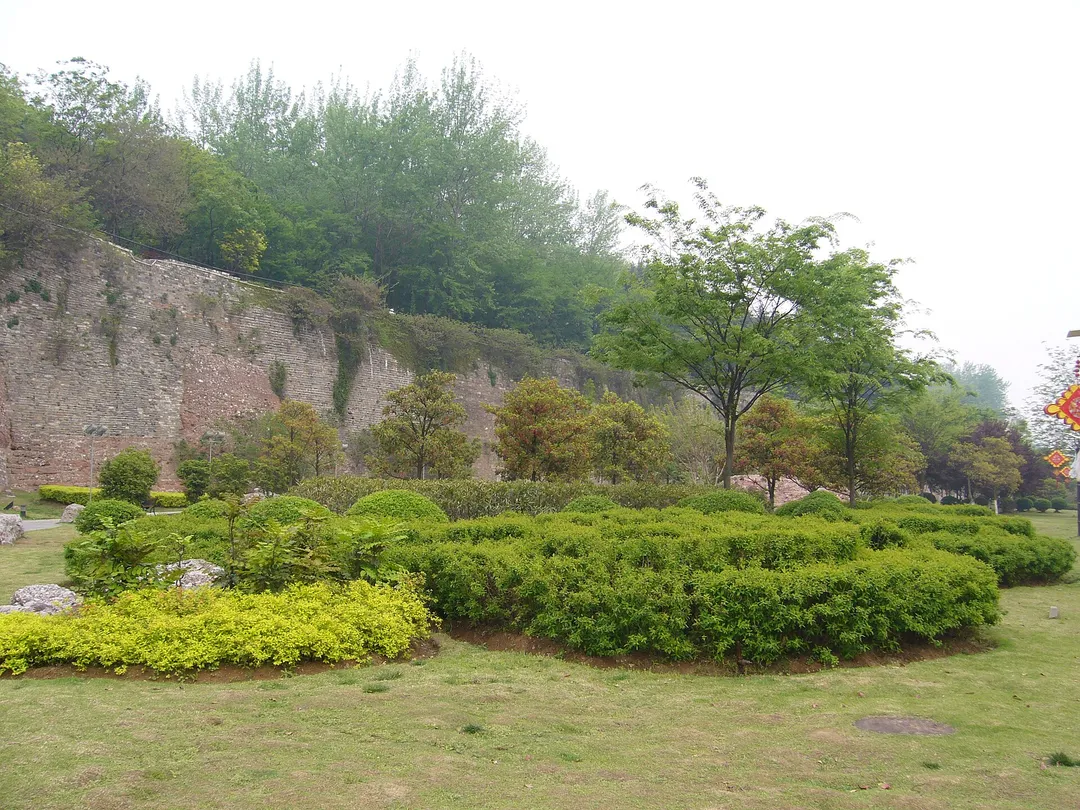
El parque de la Ciudad de Piedra (Shitou Cheng Gongyuan) ocupa un tramo de 300 metros de la muralla Ming en el oeste de la ciudad interior de Nankín, con la famosa 'Ciudad de Piedra': un acantilado natural de caliza que los constructores antiguos integraron directamente en la muralla. El parque es gratuito y mucho más tranquilo que otras atracciones de Nankín; desde la pasarela elevada sobre el acantilado se obtienen vistas panorámicas del río Qinhuai y del moderno horizonte urbano.
Nanjing · guía de visita2026-10-18
Respuesta rápida
¿Merece la pena visitar Stone City Park?
Parque urbano construido a lo largo de un tramo de 300 metros de la muralla Ming, famoso por la formación rocosa de la 'Ciudad de Piedra', donde la muralla antigua queda expuesta.
Datos rápidos
| Entrada | Entrada gratuita |
|---|---|
| Horario | Abierto las 24 horas; mejor visitarlo de día (06:00–19:00) |
| Duración recomendada | 45 minutos–1,5 horas |
| Mejor época para visitar | Otoño y primavera por el clima agradable para caminar; primeras horas de la mañana para ver a quienes practican taichí; atardecer para fotografiar |
| Cómo llegar | Metro línea 2 hasta Shuigeshou Street (salida 2) y 5 minutos a pie; autobuses 34 y 307 hasta la parada del parque; 15 minutos a pie desde la puerta sur del lago Xuanwu |
| Señalización en inglés | limited |
| Acceso en silla de ruedas | Parcial |
| Tramo de muralla | 300 metros de construcción Ming expuesta |
| Altura del acantilado | Aproximadamente 20 metros |
| Edad de la muralla | Construida entre 1366 y 1386 (reinado del emperador Hongwu) |
| Rasgo geológico | Antiguo acantilado de caliza usado como defensa natural |
| Mirador clave | Pabellón Yanzhong, con panorámica del río Qinhuai |
| Ubicación | Oeste de la ciudad interior, al norte del lago Xuanwu |
Qué esperar
El parque de la Ciudad de Piedra conserva uno de los paisajes urbanos más significativos de Nankín, tanto geológica como históricamente. Su pieza central es un tramo de 300 metros donde la muralla Ming se levantó directamente contra y alrededor de un acantilado natural de caliza, creando una fortificación híbrida entre lo natural y lo artificial, única en el patrimonio urbano chino. El acantilado es millones de años anterior a la muralla — forma parte, geológicamente, del basamento calizo de las colinas de Nankín — y los ingenieros Ming lo usaron como cimiento y componente natural de la defensa, reduciendo costes y creando la singular imagen en que piedra, ladrillo y roca viva se funden.
Históricamente, este tramo formó parte de las defensas occidentales de Nankín, protegiendo la ciudad interior desde el siglo XIV. La zona se conocía como 'Yanzhong' ('en medio de la roca') por la prominente pared del acantilado visible desde el río. Durante la Rebelión Taiping la muralla se reforzó y el acantilado se usó como puesto de vigilancia. Tras perder Nankín su condición de capital Ming, la muralla cayó en deterioro en esta zona, aunque el acantilado siguió siendo un hito local célebre, presente en pinturas y poemas Qing como 'Yanzhong Fubo' (precipicio de la veta de roca).
El desarrollo urbano de los años noventa y dos mil amenazó la zona con la demolición. La presión pública logró su conservación como parque en 2001, con una renovación posterior que incluyó una pasarela elevada de madera a lo largo del borde del acantilado, paneles interpretativos (casi todos en chino) y el mirador del pabellón Yanzhong. El parque es más apacible que el lago Xuanwu o el río Qinhuai, y por las mañanas lo frecuentan vecinos que practican taichí, caligrafía y baile. Desde el pabellón Yanzhong la vista abarca el río Qinhuai, el horizonte moderno de Nankín y, al fondo, la Montaña Púrpura.
Cómo llegar
Desde la puerta sur del lago Xuanwu, camine 10 minutos al oeste por el sendero de la muralla interior. Desde la estación de metro Shuigeshou Street (línea 2, salida 2), 5 minutos a pie hacia el norte. El parque no tiene puerta de entrada formal: se accede desde varios puntos a lo largo de la muralla.
Mejores puntos fotográficos
- Pabellón Yanzhong — panorámica del río Qinhuai y la ciudad
- La pared de caliza — donde la roca natural se encuentra con la mampostería Ming
- Perspectiva desde la pasarela elevada — muralla, acantilado y río en un mismo encuadre
- Amanecer sobre el río desde el mirador
Consejos
- Combínese muy bien con el lago Xuanwu (5 minutos a pie) o con el paseo por la muralla interior (hacia el norte, hasta la calle Taicheng)
- Venga por la mañana para ver a los vecinos haciendo taichí y ejercicio: mucho ambiente y buenas fotos
- La señalética en inglés es muy escasa: use una app de traducción o sume una visita guiada
- La pared del acantilado resbala después de la lluvia: por seguridad, quédese en la pasarela elevada
- En la cercana calle Shuigeshou hay excelentes desayunos locales (de 06:00 a 10:00)
Estafas que evitar
- No hay riesgos relevantes de estafas en este parque local y gratuito
Preguntas frecuentes
¿El parque de la Ciudad de Piedra es lo mismo que la urbanización 'Stone City'?
El parque se refiere específicamente al espacio verde público junto a la muralla Ming. 'Stone City' también designa un desarrollo comercial y residencial mayor (Shimao Shitou Cheng), construido en los años 2010, justo al lado. El parque es anterior y distinto de esa urbanización.
¿Se puede caminar sobre la muralla aquí?
Sí: la pasarela elevada de madera recorre la cima del acantilado y del tramo de muralla, con vistas desde arriba. Mide unos 300 metros y conecta con el paseo más amplio de la muralla interior.
¿Cómo se compara con otros tramos de muralla Ming de Nankín?
Nankín conserva unos 25 km de muralla Ming, la muralla urbana superviviente más larga del mundo. El tramo de la Ciudad de Piedra es único por su integración con el acantilado. Los tramos más famosos son la puerta Zhonghua y el reconstruido junto al lago Xuanwu.
¿Es seguro visitarlo de noche?
El parque abre las 24 horas, pero la iluminación de la pasarela es limitada tras el anochecer. Se recomienda visitarlo de día o a primeras horas de la tarde. La zona es en general segura, aunque poco transitada de noche.
Leer después
Otras cosas que hacer en Nanjing
Chaotian Palace
Conjunto palaciego de la dinastía Ming que hoy alberga el Museo Municipal de Nankín. La mejor arquitectura ceremonial conservada del sureste de China, con pavos reales sueltos en el patio. Más de 600 años de historia.
China Imperial Examination Museum (Gongyuan)
Antiguas salas de examen imperial donde durante más de 600 años los eruditos competían por puestos en la administración. Hoy, un museo de nivel mundial con cubículos reconstruidos, artefactos y exposiciones inmersivas.
Confucius Temple (Fuzimiao)
Un complejo de templos ribereño convertido en animado distrito peatonal — santuario confuciano, barcas en el río Qinhuai y la mejor calle de tapeo de Nankín. Templo 30 ¥, la zona es gratis. 2-3 horas.
Zhonghua Gate Castle
El mayor conjunto de puertas amuralladas antiguas que sobrevive, parte de la muralla Ming de Nankín. Tres niveles de recinto (wengcheng) con 27 cuevas ocultas para tropas.
Ming Xiaoling Tomb
La tumba del emperador Hongwu (fundador de la dinastía Ming, m. 1398) y su emperatriz Ma. La mayor tumba imperial Ming de China, con una avenida pétrrea de 600 años de elefantes y leones.
Memorial Hall of the Victims of the Nanjing Massacre
Uno de los museos memoriales de guerra más importantes de China, construido sobre el emplazamiento de una fosa común de víctimas de la masacre de Nankín (1937-38). Solemne, sobrecogedor e imprescindible. Entrada gratuita.
Nanjing Museum
El tercer mayor museo de China por tamaño de colección, con más de 1,2 millones de piezas que abarcan 5.000 años. Jade, porcelana y piezas Ming excepcionales, además de una sobresaliente exposición digital de la civilización.
Presidential Palace
Sitio histórico del Palacio Presidencial de Nankín: cuartel general del Reino Celestial Taiping, oficina virreinal Qing, despacho de Sun Yat-sen en 1912 e investidura de Chiang Kai-shek en 1948. Verificado en 2026.
Purple Mountain (Zijinshan)
La montaña central de Nankín, hogar del Mausoleo de Sun Yat-sen, la tumba Ming Xiaoling y el Observatorio de la Montaña Púrpura.
Qinhuai River
El famoso río cultural de Nanjing, de 110 km de longitud, que fluye por el histórico barrio del Templo de Confucio.
Sun Yat-sen Mausoleum
El mausoleo de 392 escalones y tejas azules donde reposa el fundador de la China moderna. Gratis con el abono del parque nacional. Su escalinata es una de las piezas más dramáticas de la arquitectura de la era republicana en Asia.
Xuanwu Lake Park
El parque lacustre del centro de Nankín: 4,7 km² de islas, pabellones, campos de loto y senderos. Entrada gratuita, ideal para pasear al atardecer y remar. Un oasis urbano con más de 2.000 años de historia.
Yongle Temple
Templo budista histórico en la ladera sur de la Montaña Púrpura, fundado en 1455 durante la dinastía Ming. Famoso por sus jardines rosados de flor de melocotón en primavera y su arquitectura tradicional.
Zhangfuyuan Historical District
Barrio residencial histórico de Nankín junto al Templo de Confucio, casas patio de los Ming y Qing, puente de arco de piedra Wanmin del siglo XV. Recorrer el barrio es gratis. Metro línea 1, estación Zhangfuyuan (salida 1).
Museos en Nanjing
Museo Provincial de Jiangsu
Nota — Nankín alberga el Museo de Nankín, un complejo de nivel nacional y no un museo provincial estándar. Esta entrada es solo de referencia. Verificado en 2026.
Museo Memorial de las Víctimas de la Masacre de Nanjing
Uno de los museos memoriales de guerra más importantes de China — documenta la Masacre de Nanjing de 1937, cuando las fuerzas japonesas mataron a 300.000 civiles y soldados chinos.
Museo de Nankín
El tercer museo más grande de China tras el Museo del Palacio y el Museo Nacional de China — un museo combinado de historia y arte con destacadas colecciones de las dinastías Han y Tang.