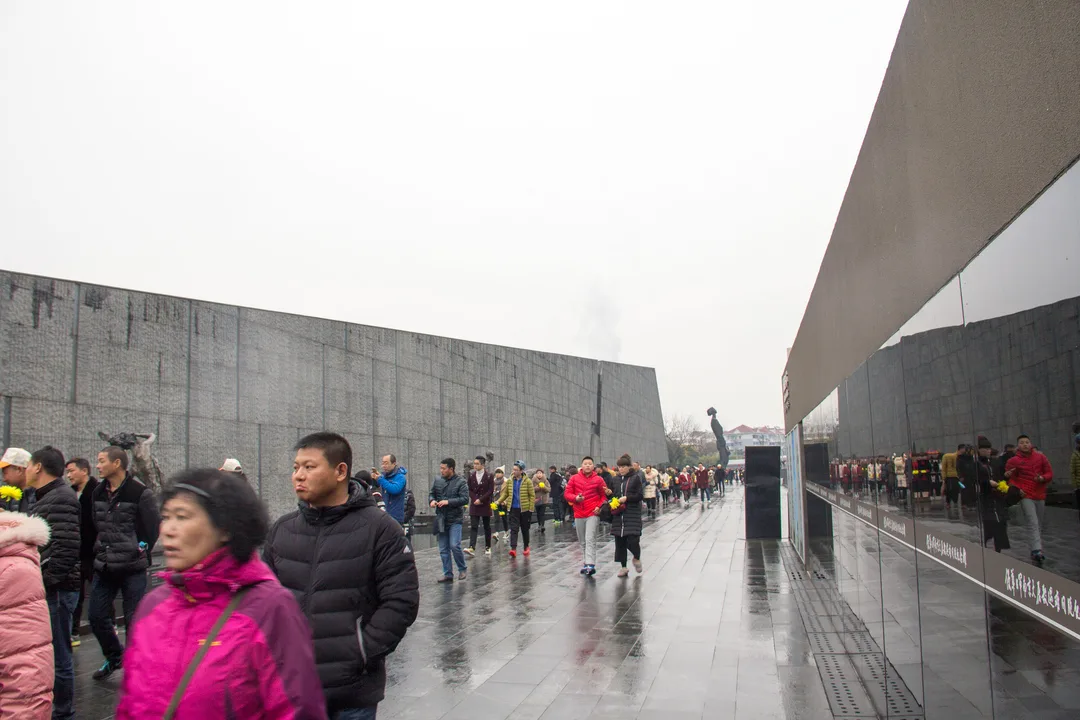
Memorial Hall of the Victims of the Nanjing Massacre南京大屠杀纪念馆
The Memorial Hall of the Victims of the Nanjing Massacre (Nanjing Datusha Jinianguan) documents the Nanjing Massacre of 1937–38 when Japanese forces killed an estimated 200,000–300,000 Chinese civilians and disarmed soldiers over six weeks following the fall of Nanjing. The hall was built in 1985 on the site of a mass burial pit and has been expanded twice, receiving over 30 million visitors to date. It serves as a memorial, educational center, and statement of historical truth.
Nanjing · Visitor Guide2026-10-18
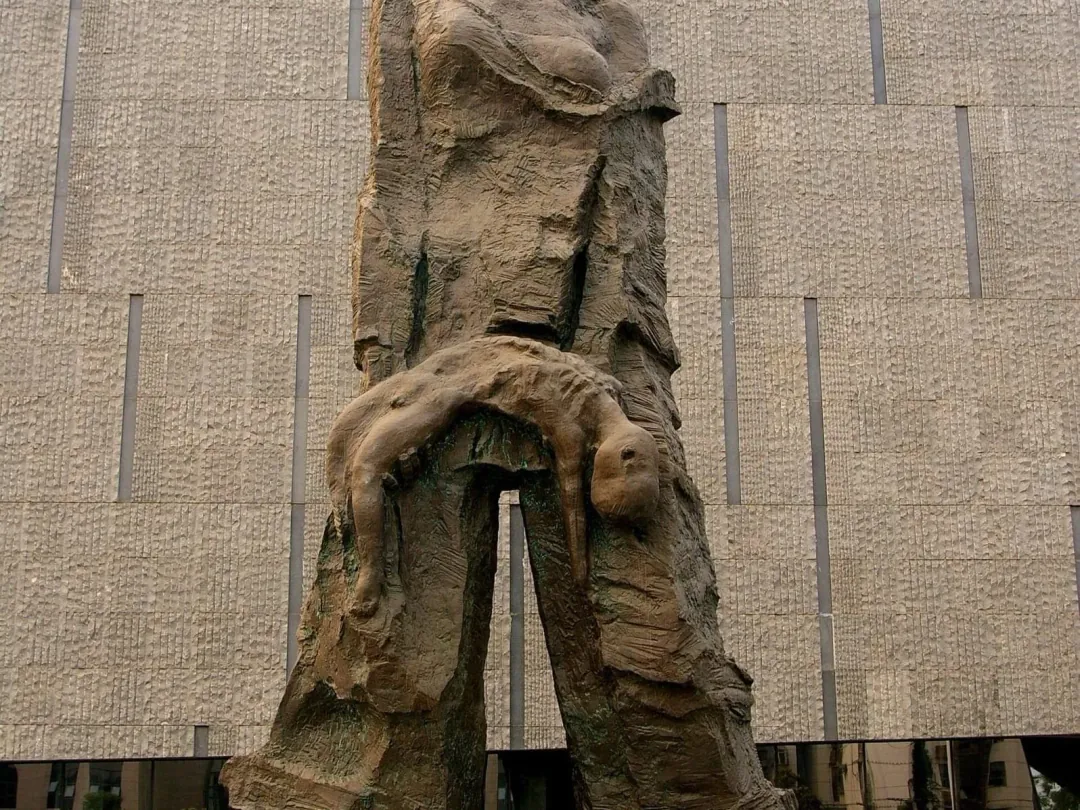
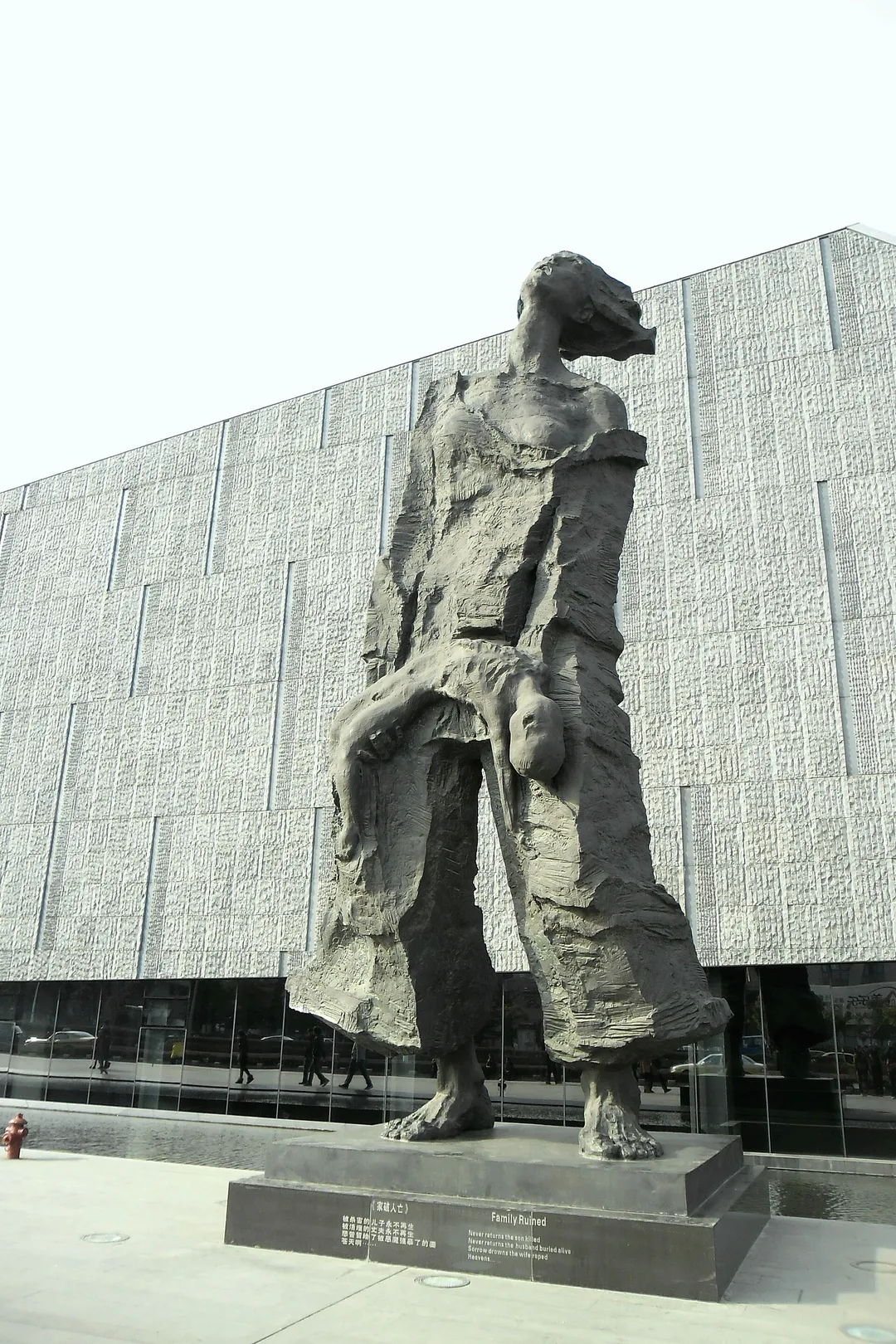
Quick Answer
Is Memorial Hall of the Victims of the Nanjing Massacre worth visiting?
One of China's most significant war memorial museums, built on the site of a mass grave of Nanjing massacre victims (1937–38). Solemn, powerful, and essential. Free admission.
Quick facts
| Ticket | Free admission (timed entry tickets required on weekends and holidays via WeChat mini-program '南京大屠杀纪念馆') |
|---|---|
| Hours | 08:30–16:30 (Tuesday–Sunday); closed Mondays (except public holidays); extended hours to 17:00 in summer |
| Recommended duration | 1.5–3 hours |
| Best time to visit | Year-round; weekday mornings are least crowded; avoid Chinese national holidays |
| How to get there | Metro Line 2 to Yanjiang Avenue Station (Exit 1); Bus 7, 37, 61, 163 to Nanjing Massacre Memorial Hall Station |
| English signage | Yes |
| Wheelchair accessible | Yes |
| massacre Period | December 13, 1937 – late January 1938 |
| Estimated Victims | 200,000–300,000 |
| Memorial Hall Built | 1985; expanded 1995 and 2015 |
| Total Exhibits | Over 5,000 historical artifacts, photographs, and documents |
| Annual Visitors | Approximately 8 million |
| UNESCO Status | World Heritage Site candidate (2024 nomination) |
What to expect
The Memorial Hall stands on the site of the former 'Pit of Ten Thousand Corpses' (Wanju Pit), one of the principal mass burial sites where Japanese forces deposited victims of the Nanjing Massacre. After the Japanese army entered Nanjing on December 13, 1937, they embarked on six weeks of systematic killing, rape, and destruction that reduced China's capital to a scene of horror documented by international journalists, missionaries, and military officers. The memorial was built in 1985, funded by the Nanjing municipal government, and expanded significantly in 1995 and 2015 to accommodate growing visitor numbers.
The hall's architecture is deliberately sobering — dark granite exterior, an unfinished 'death wall' of names, and a descent into underground exhibition chambers that simulate the atmosphere of the massacre period. The main exhibition follows three chronological themes: 'The Catastrophe' (the fall of Nanjing and initial massacres), 'The Massive Killing' (documented mass graves and killing sites), and 'The Historical Verdict' (international legal precedents and testimony). Over 5,000 primary source artifacts are displayed, including photographs taken by John McEwen (German) and Robert Bates (American), diary entries, Japanese military documents, and survivor testimony videos.
The outdoor 'Death Pit' exhibition preserves the original burial site with a haunting array of skulls and bones exposed during the 1985 excavation, displayed behind glass. The hall ends with a 'Hall of Peace' featuring children's paintings and international messages of reconciliation. The experience is emotionally intense and designed for reflection. Visitors should maintain quiet and respectful behavior. Photography is permitted but flash is prohibited. The hall is considered essential for understanding modern China-Japan relations and serves as one of China's primary patriotic education bases.
How to get there
From Nanjing railway station, take Metro Line 2 to Yanjiang Avenue Station (Exit 1). Walk 5 minutes south along Daxinggong Road. The memorial hall is clearly visible from the station. Total travel time: approximately 20 minutes.
Best photo spots
- The 'Death Wall' of names — inscribed granite with thousands of victim names
- The outdoor death pit — exposed bones and archaeological excavation site
- The torch of peace sculpture — particularly powerful at dusk
- The underground corridor entrance — long perspective with dramatic lighting
Tips
- Book timed entry tickets via the '南京大屠杀纪念馆' WeChat mini-program, especially on weekends and Chinese public holidays
- Visit on weekday mornings for a solemn, uncrowded experience; afternoons on weekends are very crowded
- Allow at least 2 hours — the exhibition is extensive and emotionally demanding
- Dress somberly; the hall is a memorial, not a tourist attraction
- Audio guides (CNY 20, English available) provide essential context; English signage alone is insufficient
Scams to avoid
- There are no scams specific to this site; be wary of unofficial 'historical guides' who approach visitors outside
Frequently asked questions
Is the memorial hall appropriate for children?
This depends on the child's age and maturity. The content is intense (documentary evidence of mass killing) and emotionally heavy. Parents should use judgment; children under 10 may find it distressing. The museum provides educational programs tailored for different age groups.
Why is the death toll disputed by some Japanese sources?
Chinese and international historians generally accept 200,000–300,000 deaths based on documented evidence, international tribunal findings, and survivor testimony. Some Japanese nationalist sources dispute this figure. The memorial hall presents documented evidence, including Japanese military records and international testimony.
Are there any survivor testimonies available to hear?
Yes, the exhibition includes video interviews with Nanjing massacre survivors, conducted in the 1990s and 2000s. As survivors pass away, these recordings become increasingly important historical documents.
Is photography allowed?
Personal photography is permitted in most areas but flash is prohibited. The outdoor death pit can be photographed. Some specific artifact cases prohibit photography — look for signage.
Read next
Other things to do in Nanjing
Chaotian Palace
Ancient Ming dynasty palace complex now housing the Nanjing Municipal Museum. Best-preserved ceremonial architecture in southeast China; free-roaming peacocks in the courtyard. 600+ years old.
China Imperial Examination Museum (Gongyuan)
Ancient examination halls where scholars competed for imperial civil service positions over 600+ years. Now a world-class museum with reconstructed cubicles, artifacts, and immersive exhibits.
Confucius Temple (Fuzimiao)
A riverside temple complex turned lively pedestrian district — Confucian shrine, Qinhuai River boats, and Nanjing's best snack street. Temple ¥30, area free. 2–3 hours.
Zhonghua Gate Castle
The world's largest surviving ancient city gate complex, part of Nanjing's Ming dynasty wall. Three-tiered瓮城 (wengcheng/retreat defense) with 27藏兵洞 (hidden troop caves).
Ming Xiaoling Tomb
The tomb of the Hongwu Emperor (founder of the Ming dynasty, d. 1398) and his empress Ma. The largest imperial Ming tomb in China, with a 600-year-old stone avenue of elephants and lions.
Nanjing Museum
China's third-largest museum by collection size, with 1.2 million+ artifacts spanning 5,000 years. Exceptional jade, porcelain, Ming dynasty artifacts, and an outstanding digital civilization exhibit.
Stone City Park
Urban park built along a 300-meter stretch of Ming dynasty city wall, featuring the famous 'Stone City' cliff formation where the ancient wall is exposed.
Presidential Palace
Nanjing Presidential Palace historic site - served as Taiping Heavenly Kingdom headquarters, Qing provincial office, Sun Yat-sen 1912 office, and Chiang Kai-shek 1948 inauguration.
Purple Mountain (Zijinshan)
Nanjing's central mountain, home to Sun Yat-sen Mausoleum, Ming Xiaoling Tomb, and the Purple Mountain Observatory. Free area entry; allow a full day (5–8 hours) for the sites.
Qinhuai River
Nanjing's famous cultural river, 110 km long, flowing through the historic Confucius Temple district.
Sun Yat-sen Mausoleum
The 392-step blue-tile mausoleum where the founder of modern China rests. Free with national park ticket. The staircase is one of the most dramatic pieces of Republican-era architecture in Asia.
Xuanwu Lake Park
Nanjing's central lake park, 4.7 km² of islands, pavilions, lotus fields, and walking paths. Free entry, excellent for sunset walks and boat rides. Urban oasis with 2,000+ years of history.
Yongle Temple
Historic Buddhist temple on Purple Mountain's southern slope, founded 1455 during Ming dynasty. Famous for pink peach-blossom gardens in spring and traditional architecture.
Zhangfuyuan Historical District
Nanjing historic residential quarter near Confucius Temple, Ming-Qing courtyard houses, 15th-century Wanmin Bridge stone arch. Free to walk district. Metro Line 1 Zhangfuyuan Station (Exit 1).
Museums in Nanjing
Jiangsu Provincial Museum
Note: Jiangsu's primary museum is the national-level Nanjing Museum in Nanjing, not a standard provincial museum; treat this entry as reference only (2026).
Memorial Hall of the Victims in Nanjing Massacre by Japanese Invaders
One of China's most significant war memorial museums — documenting the 1937 Nanjing Massacre when Japanese forces killed 300,000 Chinese civilians and soldiers.
Nanjing Museum
China's third-largest museum after the Palace Museum and National Museum of China — a combined history and art museum with strong Han/Tang collections. Free with passport; 4–6 hours.