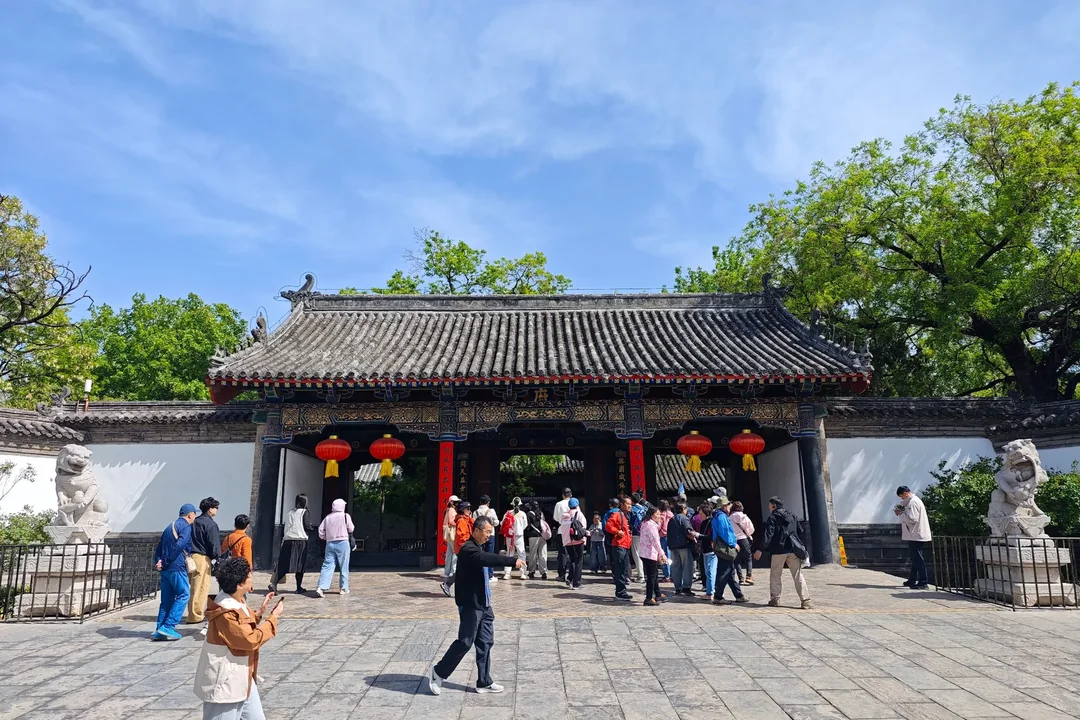
China Imperial Examination Museum (Gongyuan)科举博物馆(贡院)
The Nanjing Gongyuan (Imperial Examination Hall), now the China Imperial Examination Museum, preserves the world's largest surviving examination complex where aspiring scholars from across China competed in grueling multi-day tests for government posts from the Song dynasty through 1905. The museum's modern architectural design — a sunken bamboo-covered structure descending 30 meters underground — contrasts sharply with the traditional courtyard spaces above ground.
Nanjing · Visitor Guide2026-10-18
Quick Answer
Is China Imperial Examination Museum (Gongyuan) worth visiting?
Ancient examination halls where scholars competed for imperial civil service positions over 600+ years. Now a world-class museum with reconstructed cubicles, artifacts, and immersive exhibits.
Quick facts
| Ticket | Adults: 50 CNY; Students/seniors: 25 CNY; Audio guide: 20 CNY (English available) |
|---|---|
| Hours | 09:00–21:30 (Monday–Thursday); 09:00–22:00 (Friday–Sunday and holidays); last entry 1 hour before closing |
| Recommended duration | 2–3 hours |
| Best time to visit | Year-round; weekdays for fewer crowds; evenings especially atmospheric |
| How to get there | Metro Line 1 to Zhangjiakou Station (Exit 1); Metro Line 3 to Nanjing South Station then taxi (CNY 15); Bus 1, 31, 202 to Confucius Temple (Fuzi Miao) area |
| English signage | Yes |
| Wheelchair accessible | Yes |
| Examination Cubicles | 20,644 cubicles at peak (Ming-Qing era) |
| Examination Period | Started Song dynasty; abolished 1905 |
| Museum Depth | 30 meters underground (4 underground floors) |
| Building Area | 22,000 square meters |
| Heritage Status | National Key Cultural Relic; 5A scenic spot |
| Famous Examinees | Tang Xianzu, Zheng Chenggong (Koxinga) |
What to expect
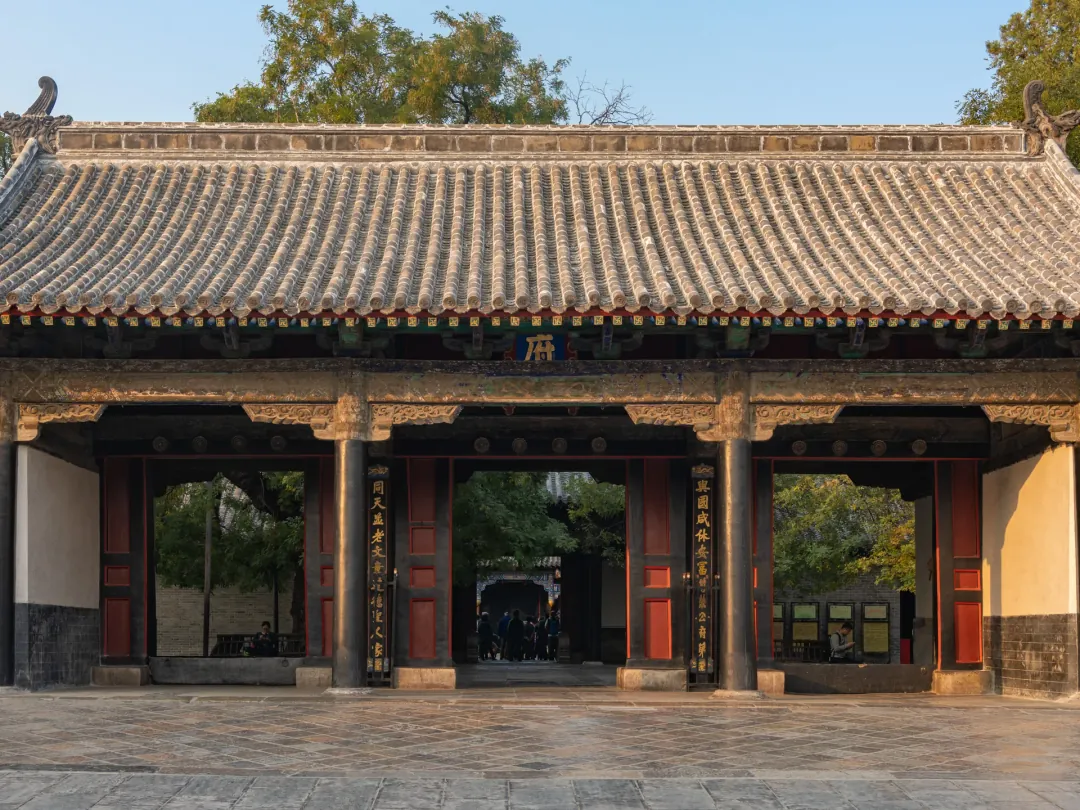
The Nanjing Gongyuan is the best-preserved imperial examination complex in China, occupying a full city block in the Qinhuai River district. During the Ming and Qing dynasties it served as the official examination hall for the Jiangnan region — China's most academically competitive area. Scholars from Jiangsu, Zhejiang, Anhui, and Jiangxi provinces traveled to Nanjing to compete in three-tier examinations (乡试, 会试, 殿试) that could take months to complete. The grueling tests assessed classical essay writing, policy analysis, and poetry composition under strictly monitored, cramped conditions.
The examination system (keju) was the world's first standardized meritocratic civil service examination, operating continuously for over 1,300 years. It was abolished in 1905 as part of reforms following the Sino-Japanese war, replaced by modern Western-influenced schools. The Nanjing Gongyuan survived as an educational institution into the 1990s before being converted into the museum that opened in 2013. The architecturally striking museum descends 30 meters into the earth, with the above-ground courtyard spaces preserving the original examination hall geometry.
The museum experience moves through chronological galleries: the origins of meritocratic testing in ancient China, the Gongyuan's architectural logic (each cubicle was 1.5 square meters, windowless, furnished with a board that doubled as a bed), and the lived experience of examinees. Notable artifacts include Ming-dynasty examination papers with examiners' annotations, the massive official notification boards listing successful candidates, and interactive exhibits explaining the examination curriculum. The museum is especially powerful in the evening when the bamboo-clad underground structure is illuminated, creating an otherworldly atmosphere.
How to get there
From Nanjing railway station, take Metro Line 1 to Zhangjiakou Station (Exit 1), 5-minute walk. From Confucius Temple (Fuzi Miao), walk north for 10 minutes along Qinhuai River. The museum is clearly signposted in the Fuzi Miao historical district.
Best photo spots
- Underground bamboo atrium — dramatic descending perspective
- Reconstructed examination cubicles — atmospheric, moody lighting
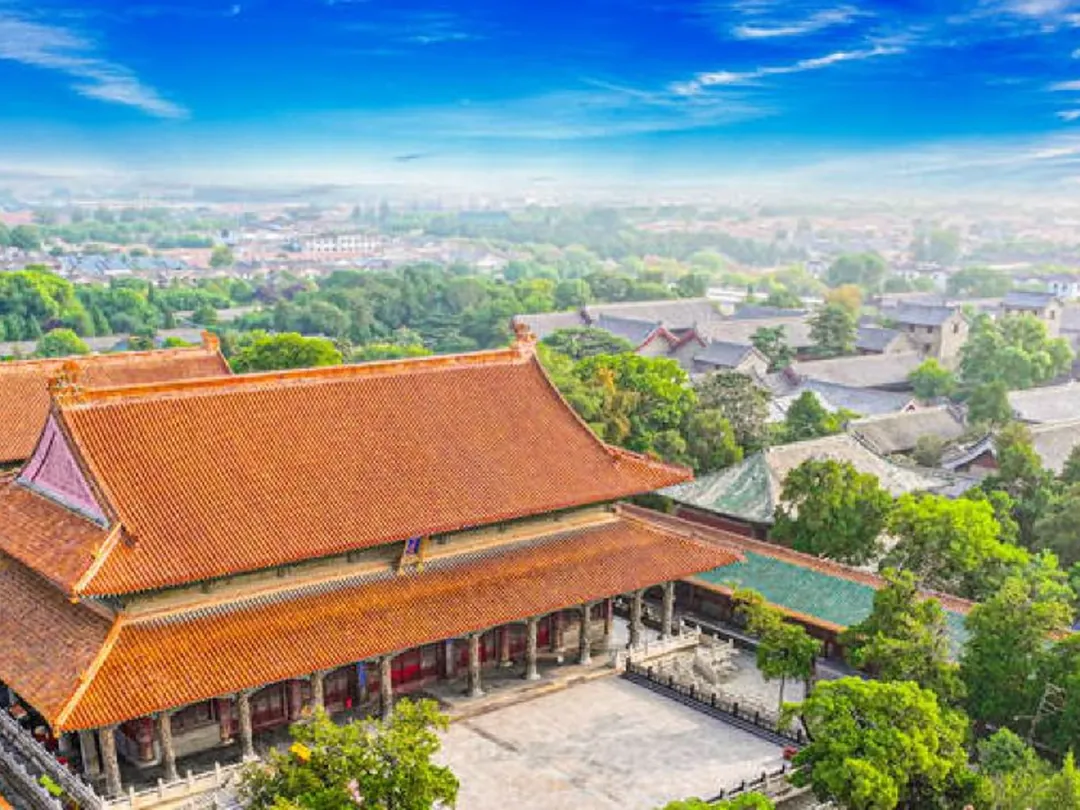
- Above-ground courtyard — traditional courtyard symmetry with modern glass roof
- Night exterior — illuminated bamboo structure visible from the riverbank
Tips
- The museum is most atmospheric after dark — the underground bamboo facade glows and crowds thin after 8 PM
- English audio guides are essential for non-Chinese speakers; Mandarin-only signage is sparse beyond key exhibits
- Combine with nearby Confucius Temple (Fuzi Miao) and Qinhuai River for a full evening in the district
- The on-site cafe serves traditional scholar's tea and snacks; good for a mid-visit break
- Allow at least 2 hours — the museum is larger than it appears from outside
Scams to avoid
- unofficial boat operators near the museum claim 'official' river tours — use the licensed Qinhuai River cruise boats instead
- Street vendors in the Fuzi Miao area may quote inflated prices for 'antique' examination documents — verify authenticity before purchasing
Frequently asked questions
How were examinees prevented from cheating?
Stringent measures included body searches, separate cubicles, invigilators patrolling constantly, and harsh penalties (including execution for serious offenses). Examinees wrote with officials monitoring from elevated platforms. In later dynasties, candidates' papers were copied by clerks before grading to prevent bribery.
What happened to scholars who passed?
Passing the provincial-level 乡试 earned the title 'juren' (elevated person); passing the national-level 会试 earned 'jinshi' (achieved scholar). Jinshi candidates could compete in the palace-level 殿试; top scorers became 'jinshi jidi' (first, second, third rank) and were immediately eligible for government posts.
Is the museum suitable for children?
Yes, though younger children may find the underground depth and dark atmosphere unsettling. The museum has interactive educational zones designed for students. Recommended for ages 10+.
Can I see original Qing dynasty examination papers?
Yes, the museum displays several original Ming and Qing examination papers, some with examiner annotations and passing marks.
Read next
Other things to do in Nanjing
Chaotian Palace
Ancient Ming dynasty palace complex now housing the Nanjing Municipal Museum. Best-preserved ceremonial architecture in southeast China; free-roaming peacocks in the courtyard. 600+ years old.
Confucius Temple (Fuzimiao)
A riverside temple complex turned lively pedestrian district — Confucian shrine, Qinhuai River boats, and Nanjing's best snack street. Temple ¥30, area free. 2–3 hours.
Zhonghua Gate Castle
The world's largest surviving ancient city gate complex, part of Nanjing's Ming dynasty wall. Three-tiered瓮城 (wengcheng/retreat defense) with 27藏兵洞 (hidden troop caves).
Ming Xiaoling Tomb
The tomb of the Hongwu Emperor (founder of the Ming dynasty, d. 1398) and his empress Ma. The largest imperial Ming tomb in China, with a 600-year-old stone avenue of elephants and lions.
Memorial Hall of the Victims of the Nanjing Massacre
One of China's most significant war memorial museums, built on the site of a mass grave of Nanjing massacre victims (1937–38). Solemn, powerful, and essential. Free admission.
Nanjing Museum
China's third-largest museum by collection size, with 1.2 million+ artifacts spanning 5,000 years. Exceptional jade, porcelain, Ming dynasty artifacts, and an outstanding digital civilization exhibit.
Stone City Park
Urban park built along a 300-meter stretch of Ming dynasty city wall, featuring the famous 'Stone City' cliff formation where the ancient wall is exposed.
Presidential Palace
Nanjing Presidential Palace historic site - served as Taiping Heavenly Kingdom headquarters, Qing provincial office, Sun Yat-sen 1912 office, and Chiang Kai-shek 1948 inauguration.
Purple Mountain (Zijinshan)
Nanjing's central mountain, home to Sun Yat-sen Mausoleum, Ming Xiaoling Tomb, and the Purple Mountain Observatory. Free area entry; allow a full day (5–8 hours) for the sites.
Qinhuai River
Nanjing's famous cultural river, 110 km long, flowing through the historic Confucius Temple district.
Sun Yat-sen Mausoleum
The 392-step blue-tile mausoleum where the founder of modern China rests. Free with national park ticket. The staircase is one of the most dramatic pieces of Republican-era architecture in Asia.
Xuanwu Lake Park
Nanjing's central lake park, 4.7 km² of islands, pavilions, lotus fields, and walking paths. Free entry, excellent for sunset walks and boat rides. Urban oasis with 2,000+ years of history.
Yongle Temple
Historic Buddhist temple on Purple Mountain's southern slope, founded 1455 during Ming dynasty. Famous for pink peach-blossom gardens in spring and traditional architecture.
Zhangfuyuan Historical District
Nanjing historic residential quarter near Confucius Temple, Ming-Qing courtyard houses, 15th-century Wanmin Bridge stone arch. Free to walk district. Metro Line 1 Zhangfuyuan Station (Exit 1).
Museums in Nanjing
Jiangsu Provincial Museum
Note: Jiangsu's primary museum is the national-level Nanjing Museum in Nanjing, not a standard provincial museum; treat this entry as reference only (2026).
Memorial Hall of the Victims in Nanjing Massacre by Japanese Invaders
One of China's most significant war memorial museums — documenting the 1937 Nanjing Massacre when Japanese forces killed 300,000 Chinese civilians and soldiers.
Nanjing Museum
China's third-largest museum after the Palace Museum and National Museum of China — a combined history and art museum with strong Han/Tang collections. Free with passport; 4–6 hours.