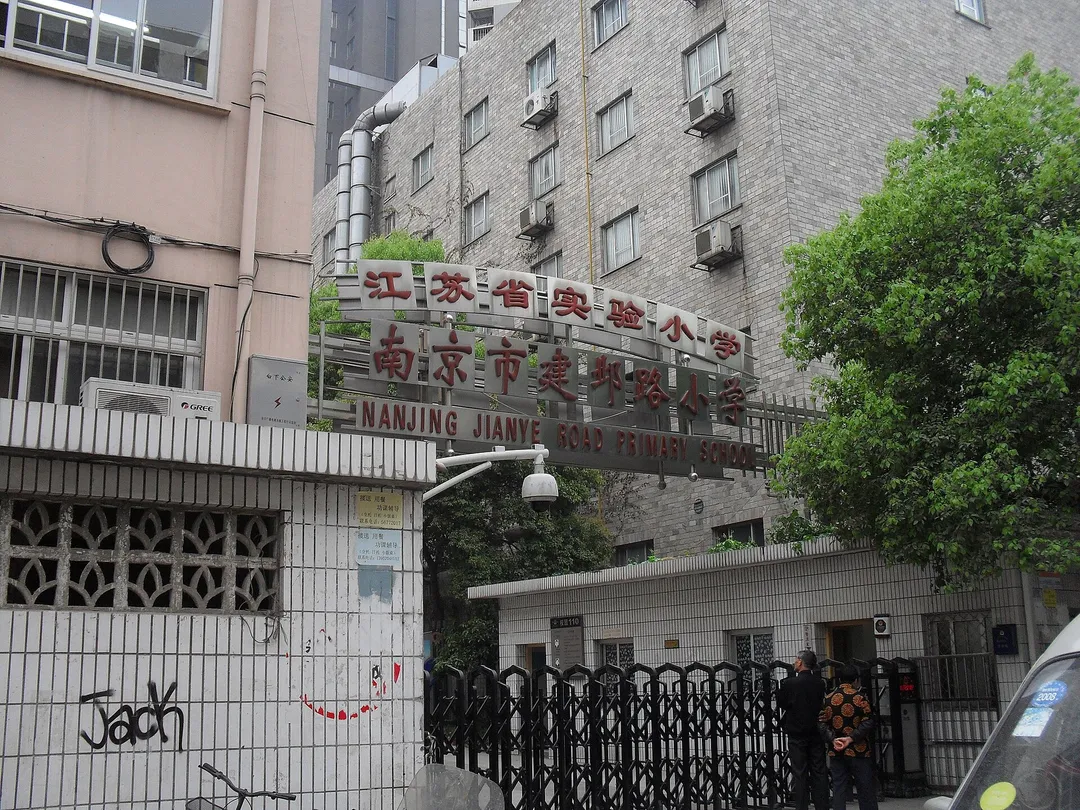
Zhangfuyuan Historical District张府园
Zhangfuyuan es un barrio residencial histórico del centro de Nankín, contiguo al distrito del Templo de Confucio, conocido por sus casas patio preservadas de las dinastías Ming y Qing, el célebre puente Wanmin sobre un afluente del río Qinhuai y el Museo Imperial de los Exámenes de Zhangfuyuan (科举博物馆). La zona representa la auténtica cultura vecinal del viejo Nankín, callejones estrechos, lavanderías tradicionales, teterías locales, y ofrece una alternativa genuina a la muy turística ribera del Templo de Confucio.
Nanjing · guía de visita2026-10-18
Respuesta rápida
¿Merece la pena visitar Zhangfuyuan Historical District?
Barrio residencial histórico de Nankín junto al Templo de Confucio, casas patio de los Ming y Qing, puente de arco de piedra Wanmin del siglo XV. Recorrer el barrio es gratis. Metro línea 1, estación Zhangfuyuan (salida 1).
Datos rápidos
| Entrada | Gratis recorrer el barrio; las atracciones individuales (la sección Zhangfuyuan del Museo de los Exámenes, etc.) tienen entradas aparte |
|---|---|
| Horario | El barrio es accesible siempre; tiendas locales de 08:00 a 20:00; restaurantes de 06:00 a 22:00 |
| Duración recomendada | Entre 1 y 2 horas para explorar el barrio |
| Mejor época para visitar | Todo el año; a primera hora para la cultura del desayuno local; al atardecer para la atmósfera |
| Cómo llegar | Metro línea 1 hasta la estación de Zhangfuyuan (salida 1); autobuses 1 y 31 hasta Zhangfuyuan; a 5 minutos a pie del área del Templo de Confucio |
| Señalización en inglés | limited |
| Acceso en silla de ruedas | No |
| Época histórica | Barrio residencial de las dinastías Ming y Qing |
| Rasgo clave | Arquitectura de casas patio preservada |
| Puente Wanmin | Puente de arco de piedra del siglo XV |
| Ubicación | Contiguo al distrito del Templo de Confucio, lado norte |
| Especialidad local | Desayuno tradicional de Nankín (baozi ninxiang 蟹黄包, sopa de sangre de pato) |
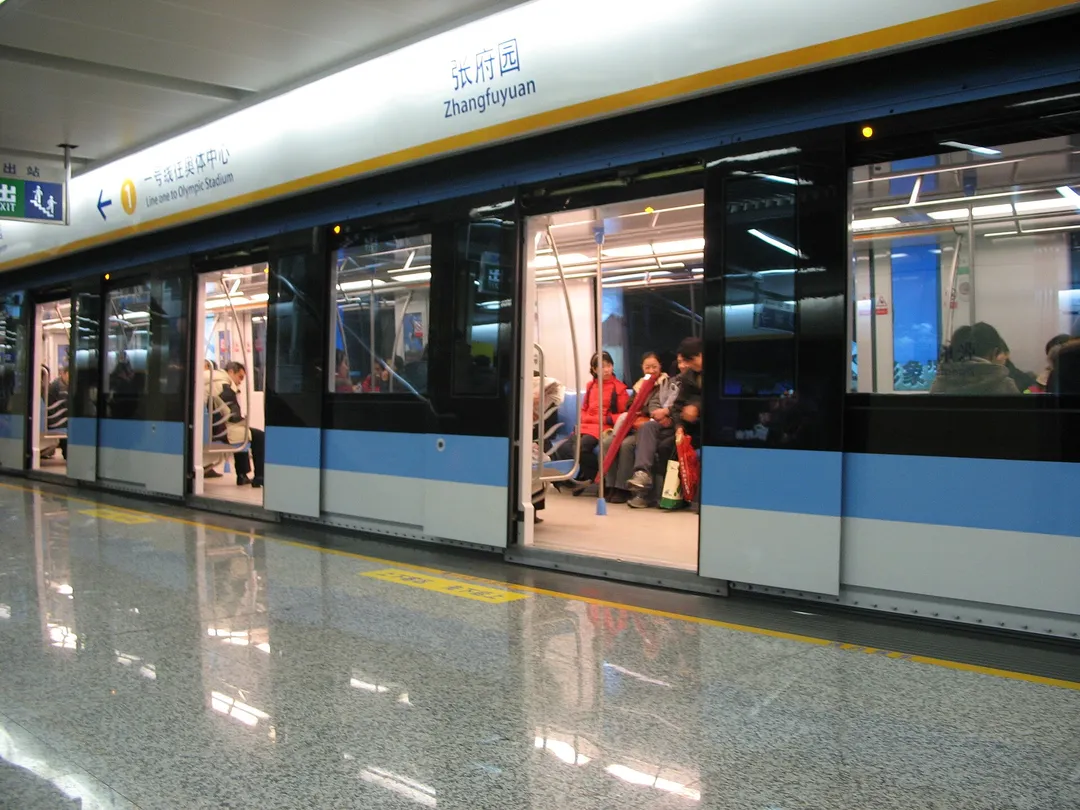
| Estación de metro | Línea 1, estación Zhangfuyuan (abierta en 2005; nombrada por el barrio histórico) |
Qué esperar
Zhangfuyuan es uno de los barrios residenciales más antiguos de Nankín, que data de la dinastía Ming, cuando se desarrolló como el barrio de sirvientes y artesanos contiguo a las acomodadas casas de los candidatos a los exámenes junto a las salas de examen del Templo de Confucio (贡院). El nombre «Zhangfu Yuan» (Jardín de la Familia Zhang) probablemente procede de un jardín privado de un funcionario Ming que ocupó en su día la zona. El barrio forjó un carácter distintivo como vecindario obrero al servicio de la comunidad académica: teterías para los examinandos, librerías, boticas de medicina tradicional y residencias de patio para eruditos y sirvientes por igual.
El hito definitorio de la zona es el puente Wanmin, un puente de arco de piedra del siglo XV que cruza un afluente del río Qinhuai. Su nombre significa «Puente de las Diez Mil Personas», en reflejo de su papel histórico como cruce principal de los candidatos que se dirigían al Gongyuan desde sus alojamientos cercanos. El arco del puente crea una composición fotográfica clásica, el arco de piedra reflejado en el agua quieta, capturada durante siglos en la pintura de Nankín. La red de callejones circundante conserva la cuadrícula urbana original de la dinastía Ming: estrecha y serpenteante, con casas patio que se abren a espacios públicos compartidos.
El Zhangfuyuan moderno se sitúa en una zona incómoda entre un rápido desarrollo turístico (el cercano Templo de Confucio y el Museo de los Exámenes han sido intensamente renovados) y un persistente carácter residencial local. Algunas casas patio se han convertido en pensions boutique y restaurantes, mientras otras siguen ocupadas por familias locales de varias generaciones. El mejor momento para visitarlo es a primera hora (07:00–09:00), cuando el barrio funciona como un vecindario tradicional de desayunos: los residentes hacen cola ante pequeños comedores que llevan décadas operando, esperando baozi ninxiang (蟹黄包), sopa de sangre de pato (鸭血粉丝汤) y gachas de arroz. El contraste con la ribera turística del Templo de Confucio, a un paso, es llamativo.
Cómo llegar
Metro línea 1 hasta la estación de Zhangfuyuan (salida 1). Desde la zona del Templo de Confucio, camina 5 minutos al norte. El puente Wanmin se ve desde la salida de la estación. El barrio se explora mejor a pie, sin destino fijo, por los estrechos callejones.
Mejores puntos fotográficos
- El arco del puente Wanmin: la clásica composición de reflejo a primera hora
- La cuadrícula de callejones: el patrón urbano de la dinastía Ming
- La fachada de una casa patio tradicional: madera curtida y tejas grises
- La escena del desayuno matinal: vendedores y vecinos (con permiso)
Consejos
- Ven temprano (07:00–09:00) para la experiencia de desayuno local más auténtica
- La zona está poco señalizada en inglés: explorar a pie sin un destino fijado es el mejor enfoque
- Combínalo con el Museo de los Exámenes Imperial contiguo (科举博物馆, junto a la estación de Zhangfuyuan) para un circuito cultural
- Algunas casas patio se han convertido en cafés y pensions: si ves un cartel, entra y explora
- La accesibilidad es limitada: callejones estrechos, escalones y superficies irregulares; no apto para sillas de ruedas
Estafas que evitar
- No hay riesgos significativos de engaños en este vecindario residencial auténtico
Preguntas frecuentes
¿Qué diferencia hay entre la estación de Zhangfuyuan y el barrio histórico de Zhangfuyuan?
La estación de Zhangfuyuan de la línea 1 del metro de Nankín (abierta en 2005) toma su nombre del barrio histórico de Zhangfuyuan y está situada dentro de él. La salida de la estación conduce directamente al puente Wanmin y al barrio histórico. No hay conexión con la «ciudad de Zhangjiakou» de Hebei: la estación de Nankín es independiente.
¿Hay casas patio concretas abiertas a los visitantes?
Algunas casas patio se han convertido en cafés boutique y pensions que reciben visitantes. Otras son residencias privadas: respeta la privacidad de los vecinos y no fotografíes sin permiso. La zona no es una atracción turística formal, sino un vecindario vivo y auténtico.
¿Qué comida local debo probar en Zhangfuyuan?
La zona es conocida por el desayuno tradicional de Nankín: baozi ninxiang (蟹黄包), sopa de sangre de pato (鸭血粉丝汤), pequeños bollos al vapor (小笼包) y gachas de arroz. Busca los pequeños comedores familiares que abren de 06:00 a 10:00.
¿Es seguro caminar por la zona de noche?
La zona es generalmente segura de noche, pero es un vecindario residencial, no turístico. Las calles están poco iluminadas. Para quienes llegan por primera vez se recomienda caminar durante el día.
Leer después
Otras cosas que hacer en Nanjing
Chaotian Palace
Conjunto palaciego de la dinastía Ming que hoy alberga el Museo Municipal de Nankín. La mejor arquitectura ceremonial conservada del sureste de China, con pavos reales sueltos en el patio. Más de 600 años de historia.
China Imperial Examination Museum (Gongyuan)
Antiguas salas de examen imperial donde durante más de 600 años los eruditos competían por puestos en la administración. Hoy, un museo de nivel mundial con cubículos reconstruidos, artefactos y exposiciones inmersivas.
Confucius Temple (Fuzimiao)
Un complejo de templos ribereño convertido en animado distrito peatonal — santuario confuciano, barcas en el río Qinhuai y la mejor calle de tapeo de Nankín. Templo 30 ¥, la zona es gratis. 2-3 horas.
Zhonghua Gate Castle
El mayor conjunto de puertas amuralladas antiguas que sobrevive, parte de la muralla Ming de Nankín. Tres niveles de recinto (wengcheng) con 27 cuevas ocultas para tropas.
Ming Xiaoling Tomb
La tumba del emperador Hongwu (fundador de la dinastía Ming, m. 1398) y su emperatriz Ma. La mayor tumba imperial Ming de China, con una avenida pétrrea de 600 años de elefantes y leones.
Memorial Hall of the Victims of the Nanjing Massacre
Uno de los museos memoriales de guerra más importantes de China, construido sobre el emplazamiento de una fosa común de víctimas de la masacre de Nankín (1937-38). Solemne, sobrecogedor e imprescindible. Entrada gratuita.
Nanjing Museum
El tercer mayor museo de China por tamaño de colección, con más de 1,2 millones de piezas que abarcan 5.000 años. Jade, porcelana y piezas Ming excepcionales, además de una sobresaliente exposición digital de la civilización.
Stone City Park
Parque urbano construido a lo largo de un tramo de 300 metros de la muralla Ming, famoso por la formación rocosa de la 'Ciudad de Piedra', donde la muralla antigua queda expuesta.
Presidential Palace
Sitio histórico del Palacio Presidencial de Nankín: cuartel general del Reino Celestial Taiping, oficina virreinal Qing, despacho de Sun Yat-sen en 1912 e investidura de Chiang Kai-shek en 1948. Verificado en 2026.
Purple Mountain (Zijinshan)
La montaña central de Nankín, hogar del Mausoleo de Sun Yat-sen, la tumba Ming Xiaoling y el Observatorio de la Montaña Púrpura.
Qinhuai River
El famoso río cultural de Nanjing, de 110 km de longitud, que fluye por el histórico barrio del Templo de Confucio.
Sun Yat-sen Mausoleum
El mausoleo de 392 escalones y tejas azules donde reposa el fundador de la China moderna. Gratis con el abono del parque nacional. Su escalinata es una de las piezas más dramáticas de la arquitectura de la era republicana en Asia.
Xuanwu Lake Park
El parque lacustre del centro de Nankín: 4,7 km² de islas, pabellones, campos de loto y senderos. Entrada gratuita, ideal para pasear al atardecer y remar. Un oasis urbano con más de 2.000 años de historia.
Yongle Temple
Templo budista histórico en la ladera sur de la Montaña Púrpura, fundado en 1455 durante la dinastía Ming. Famoso por sus jardines rosados de flor de melocotón en primavera y su arquitectura tradicional.
Museos en Nanjing
Museo Provincial de Jiangsu
Nota — Nankín alberga el Museo de Nankín, un complejo de nivel nacional y no un museo provincial estándar. Esta entrada es solo de referencia. Verificado en 2026.
Museo Memorial de las Víctimas de la Masacre de Nanjing
Uno de los museos memoriales de guerra más importantes de China — documenta la Masacre de Nanjing de 1937, cuando las fuerzas japonesas mataron a 300.000 civiles y soldados chinos.
Museo de Nankín
El tercer museo más grande de China tras el Museo del Palacio y el Museo Nacional de China — un museo combinado de historia y arte con destacadas colecciones de las dinastías Han y Tang.