Stone City Park石头城公园
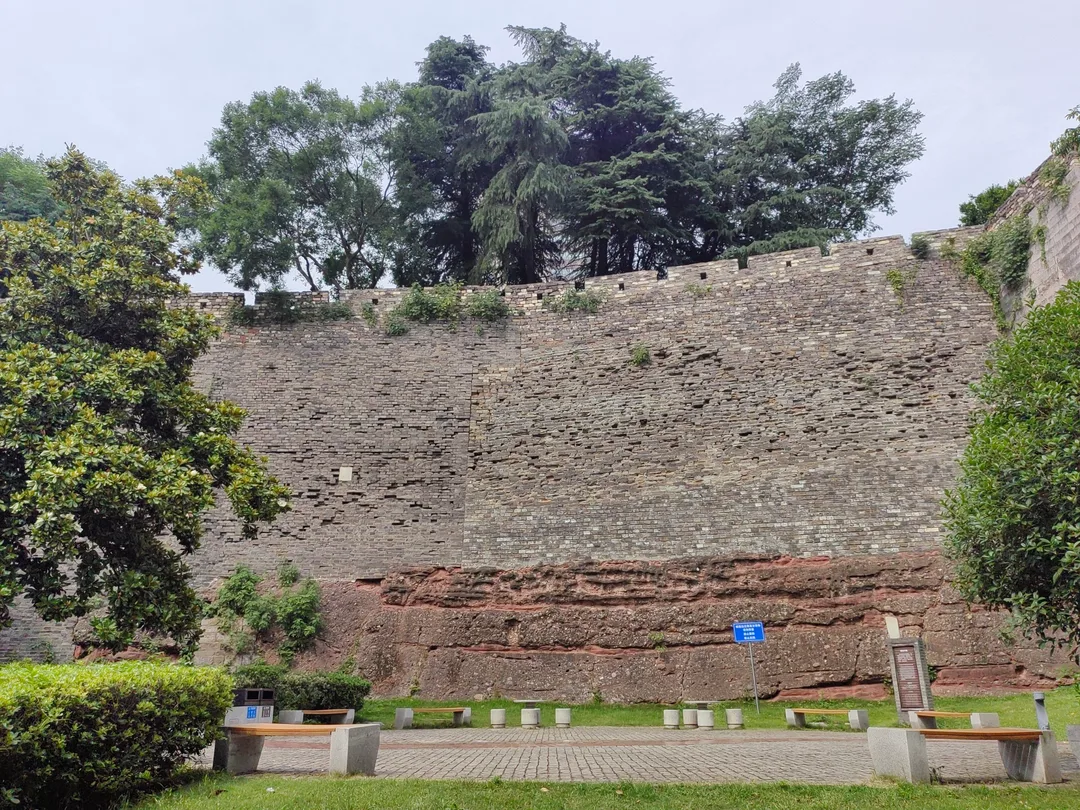
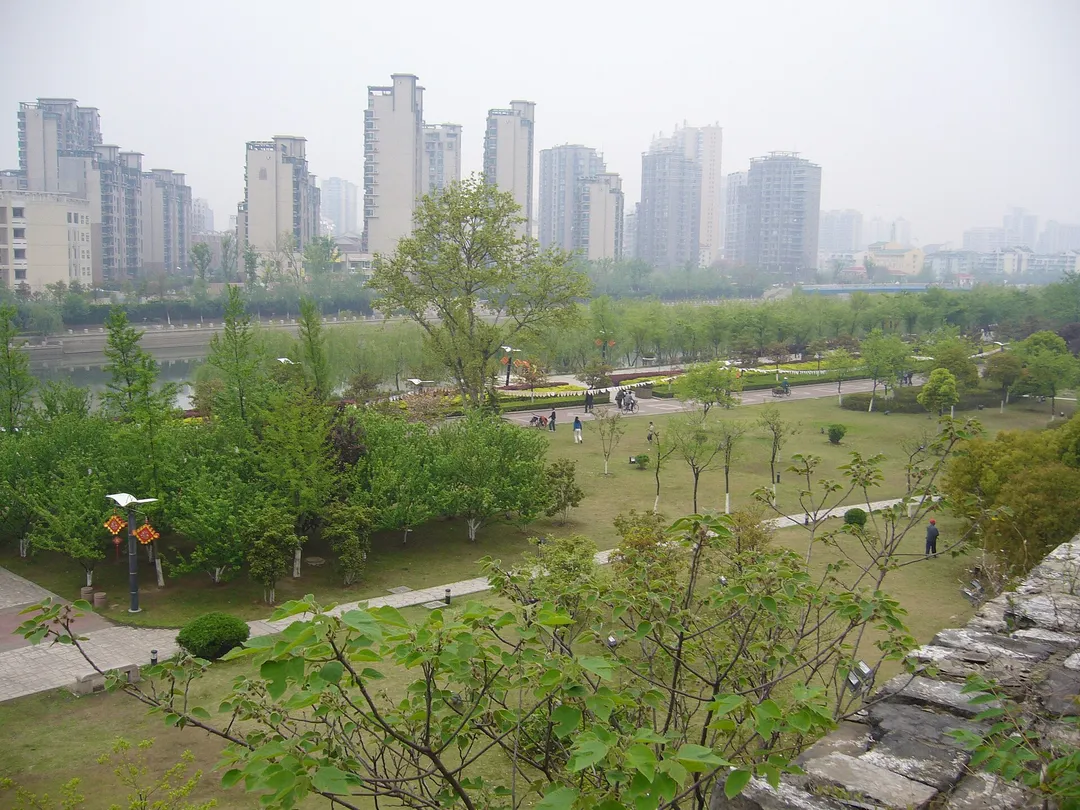
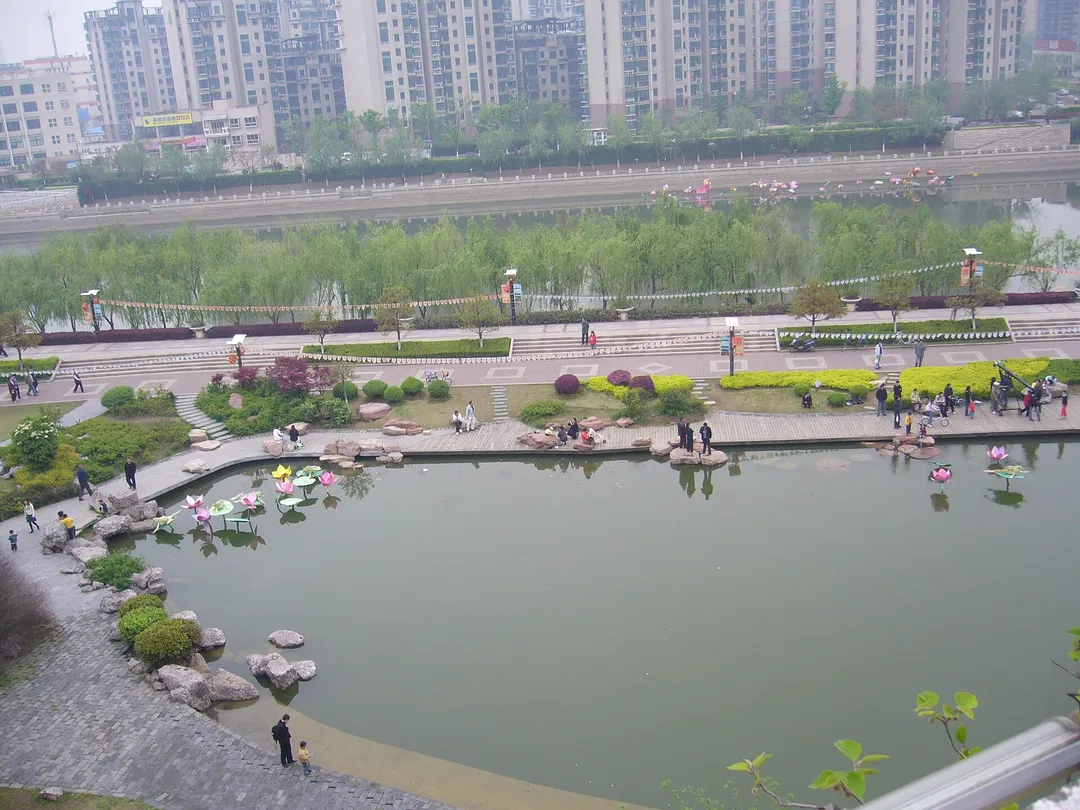
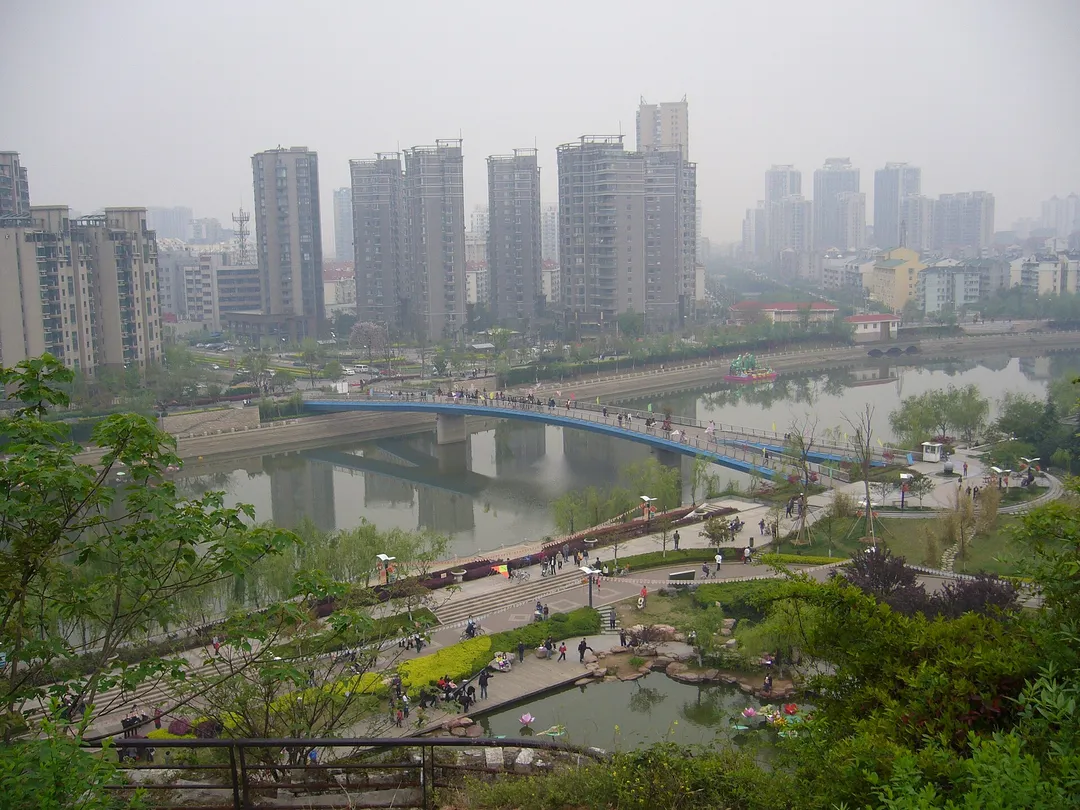
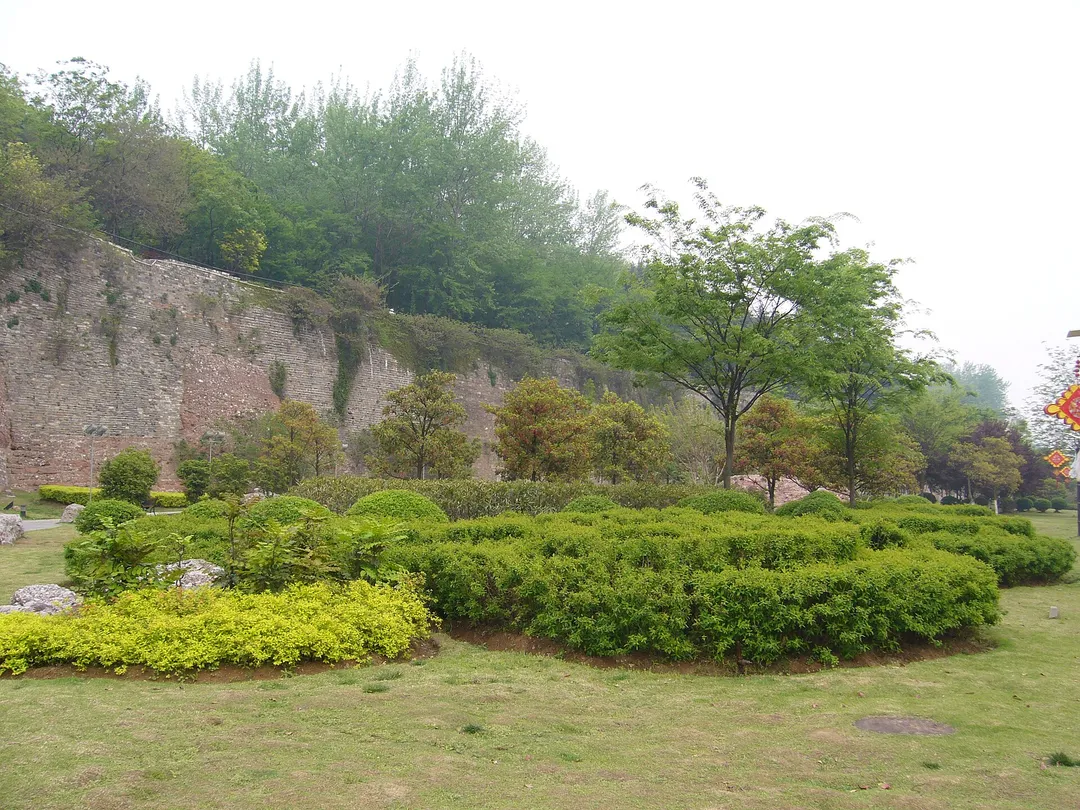
Stone City Park (Shitou Cheng Gongyuan) occupies a 300-meter stretch of the Ming dynasty Nanjing city wall along the western inner city, featuring the famous 'Stone City' (Shi Tou Cheng) — a natural limestone cliff where the ancient bedrock was incorporated directly into the city wall construction. The park is free, relatively uncrowded compared to other Nanjing attractions, and offers panoramic views of the Qinhuai River and modern cityscape from an elevated walkway.
Nanjing · Visitor Guide2026-10-18
Quick Answer
Is Stone City Park worth visiting?
Urban park built along a 300-meter stretch of Ming dynasty city wall, featuring the famous 'Stone City' cliff formation where the ancient wall is exposed.
Quick facts
| Ticket | Free admission |
|---|---|
| Hours | Open 24 hours; best visited during daylight (06:00–19:00) |
| Recommended duration | 45 minutes–1.5 hours |
| Best time to visit | Autumn and spring for comfortable walking weather; early morning for tai chi practitioners; sunset for photography |
| How to get there | Metro Line 2 to Shuigeshou Street (Exit 2) then 5-minute walk; Bus 34, 307 to Stone City Park Station; 15-minute walk from Xuanwu Lake south gate |
| English signage | limited |
| Wheelchair accessible | Partial |
| Wall Section | 300 meters of exposed Ming dynasty construction |
| Cliff Height | Approximately 20 meters |
| Wall Age | Built 1366–1386 (Hongwu Emperor's reign) |
| Geological Feature | Ancient limestone cliff used as natural defense |
| Key Viewpoint | Yanzhong Pavilion for Qinhuai River panorama |
| Location | Western inner city, north of Xuanwu Lake |
What to expect
Stone City Park preserves one of Nanjing's most geologically and historically significant urban landscapes. The park's centerpiece is a 300-meter section where the Ming dynasty city wall was built directly against and around a natural limestone cliff formation, creating a hybrid natural-artificial fortification unique in Chinese urban heritage. The cliff predates the wall by millions of years — geologically part of the Nanjing hills' limestone bedrock — and was used by the Ming engineers as a natural foundation and component of the defensive structure, reducing construction cost and creating the distinctive appearance where stone, brick, and living rock merge.
Historically, this stretch of wall formed part of Nanjing's western defenses, protecting the inner city from the 14th century onward. The area was known as 'Yanzhong' (Rock Middle) due to the prominent cliff face visible from the river below. During the Taiping Rebellion, the wall here was reinforced and the cliff used as a watchtower position. After the fall of the Ming dynasty capital function, the wall fell into disrepair in this area, but the cliff face remained a noted local landmark, featured in Qing dynasty paintings and poetry as 'Yanzhong Fubo' (Rock Vein Precipice).
Modern development in the 1990s and 2000s threatened this area with demolition for new construction. Public advocacy led to its preservation as Stone City Park in 2001, with subsequent renovation including an elevated wooden walkway along the cliff top, interpretation signs (mostly in Chinese), and the Yanzhong Pavilion observation platform. The park is quieter than Xuanwu Lake or the Qinhuai River, making it popular with local residents practicing tai chi, calligraphy, and dance in the mornings. The panoramic view from Yanzhong Pavilion encompasses the Qinhuai River, modern Nanjing skyline, and distant Purple Mountain.
How to get there
From Xuanwu Lake south gate, walk west along the inner city wall path for 10 minutes. From Metro Line 2 Shuigeshou Street Station (Exit 2), walk north 5 minutes. The park has no formal entrance gate — access from multiple points along the wall.
Best photo spots
- Yanzhong Pavilion — panoramic view of Qinhuai River and city
- The limestone cliff face — where natural rock meets Ming dynasty brickwork
- Elevated walkway perspective — wall, cliff, and river in one frame
- Sunrise over the river from the observation platform
Tips
- The park is best combined with Xuanwu Lake (5-minute walk) or the inner city wall walk (continuing north to Taicheng Road)
- Come in the morning to see local tai chi and fitness practitioners — atmospheric and photogenic
- English signage is very limited — use a translation app or combine with a guided tour
- The cliff face is slippery after rain — stay on the elevated walkway for safety
- Nearby Shuigeshou Street has excellent local breakfast shops (serves 06:00–10:00)
Scams to avoid
- There are no significant scam risks at this free, local park
Frequently asked questions
Is Stone City Park the same as the Stone City (Shitou Cheng) development area?
Stone City Park specifically refers to the public green space along the Ming dynasty wall. The 'Stone City' area also refers to a larger commercial and residential development (世茂·石头城) immediately adjacent, built in the 2010s. The park predates and is distinct from this development.
Can I walk on top of the city wall here?
Yes, the elevated wooden walkway runs along the top of the cliff and wall section, offering views from above. This walkway is approximately 300 meters long and connects to the broader inner city wall walk.
How does this compare to other Ming dynasty wall sections in Nanjing?
Nanjing has approximately 25 km of remaining Ming dynasty wall, the longest surviving city wall in the world. The Stone City section is unique for its cliff integration. The most famous sections are Zhonghua Gate (中华门) and the rebuilt section near Xuanwu Lake.
Is it safe to visit at night?
The park is open 24 hours but the walkway lighting is limited after dark. Daytime and early evening visits are recommended. The area is generally safe but not heavily trafficked at night.
Read next
Other things to do in Nanjing
Chaotian Palace
Ancient Ming dynasty palace complex now housing the Nanjing Municipal Museum. Best-preserved ceremonial architecture in southeast China; free-roaming peacocks in the courtyard. 600+ years old.
China Imperial Examination Museum (Gongyuan)
Ancient examination halls where scholars competed for imperial civil service positions over 600+ years. Now a world-class museum with reconstructed cubicles, artifacts, and immersive exhibits.
Confucius Temple (Fuzimiao)
A riverside temple complex turned lively pedestrian district — Confucian shrine, Qinhuai River boats, and Nanjing's best snack street. Temple ¥30, area free. 2–3 hours.
Zhonghua Gate Castle
The world's largest surviving ancient city gate complex, part of Nanjing's Ming dynasty wall. Three-tiered瓮城 (wengcheng/retreat defense) with 27藏兵洞 (hidden troop caves).
Ming Xiaoling Tomb
The tomb of the Hongwu Emperor (founder of the Ming dynasty, d. 1398) and his empress Ma. The largest imperial Ming tomb in China, with a 600-year-old stone avenue of elephants and lions.
Memorial Hall of the Victims of the Nanjing Massacre
One of China's most significant war memorial museums, built on the site of a mass grave of Nanjing massacre victims (1937–38). Solemn, powerful, and essential. Free admission.
Nanjing Museum
China's third-largest museum by collection size, with 1.2 million+ artifacts spanning 5,000 years. Exceptional jade, porcelain, Ming dynasty artifacts, and an outstanding digital civilization exhibit.
Presidential Palace
Nanjing Presidential Palace historic site - served as Taiping Heavenly Kingdom headquarters, Qing provincial office, Sun Yat-sen 1912 office, and Chiang Kai-shek 1948 inauguration.
Purple Mountain (Zijinshan)
Nanjing's central mountain, home to Sun Yat-sen Mausoleum, Ming Xiaoling Tomb, and the Purple Mountain Observatory. Free area entry; allow a full day (5–8 hours) for the sites.
Qinhuai River
Nanjing's famous cultural river, 110 km long, flowing through the historic Confucius Temple district.
Sun Yat-sen Mausoleum
The 392-step blue-tile mausoleum where the founder of modern China rests. Free with national park ticket. The staircase is one of the most dramatic pieces of Republican-era architecture in Asia.
Xuanwu Lake Park
Nanjing's central lake park, 4.7 km² of islands, pavilions, lotus fields, and walking paths. Free entry, excellent for sunset walks and boat rides. Urban oasis with 2,000+ years of history.
Yongle Temple
Historic Buddhist temple on Purple Mountain's southern slope, founded 1455 during Ming dynasty. Famous for pink peach-blossom gardens in spring and traditional architecture.
Zhangfuyuan Historical District
Nanjing historic residential quarter near Confucius Temple, Ming-Qing courtyard houses, 15th-century Wanmin Bridge stone arch. Free to walk district. Metro Line 1 Zhangfuyuan Station (Exit 1).
Museums in Nanjing
Jiangsu Provincial Museum
Note: Jiangsu's primary museum is the national-level Nanjing Museum in Nanjing, not a standard provincial museum; treat this entry as reference only (2026).
Memorial Hall of the Victims in Nanjing Massacre by Japanese Invaders
One of China's most significant war memorial museums — documenting the 1937 Nanjing Massacre when Japanese forces killed 300,000 Chinese civilians and soldiers.
Nanjing Museum
China's third-largest museum after the Palace Museum and National Museum of China — a combined history and art museum with strong Han/Tang collections. Free with passport; 4–6 hours.