Nanjing · Visitor Guide

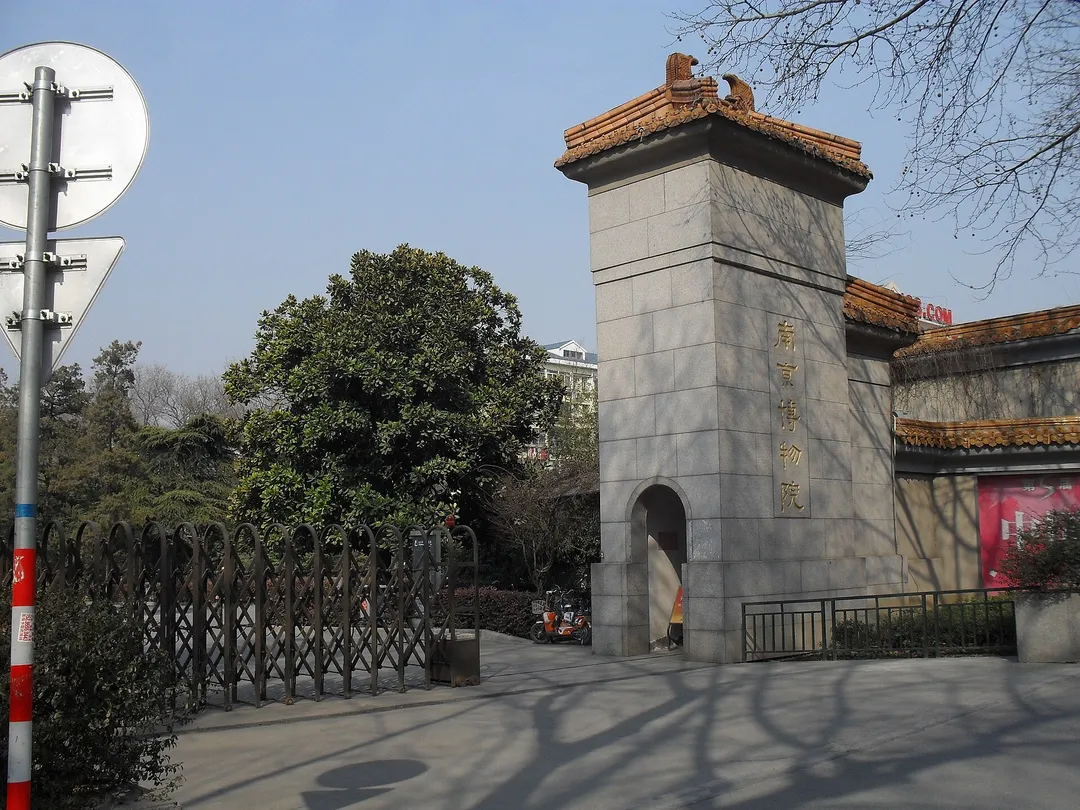
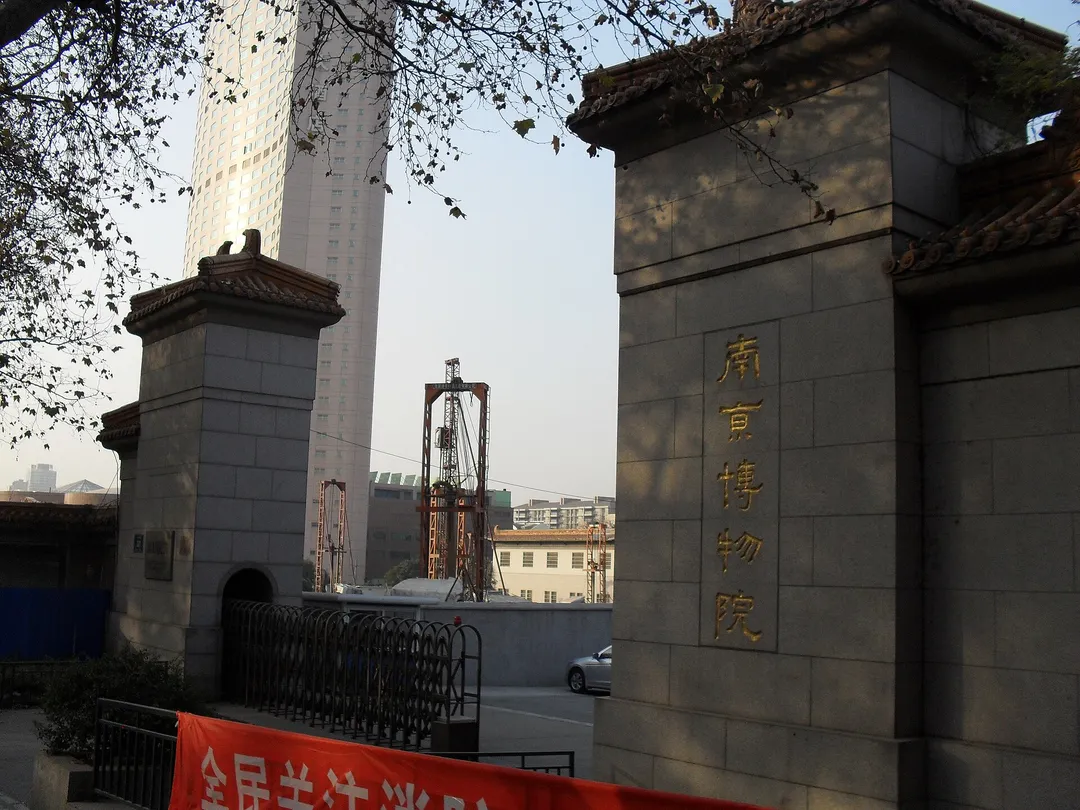
Nanjing Museum (南京博物院, Nánjīng Bówùyuàn)

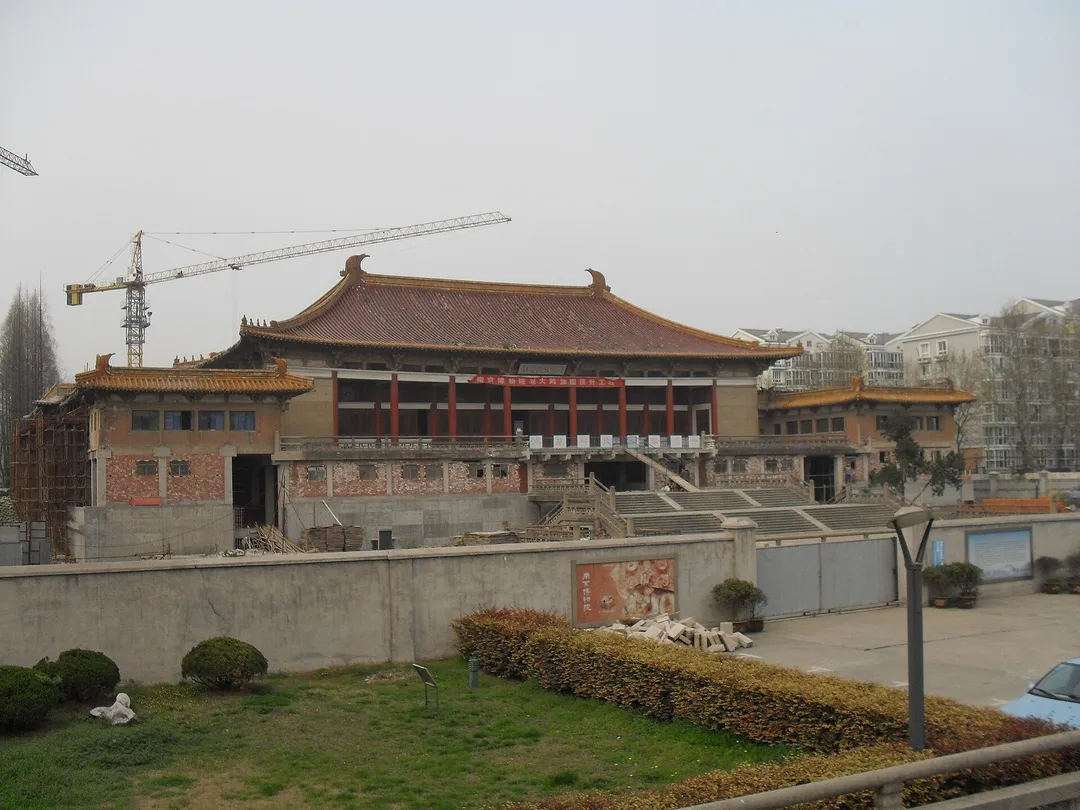
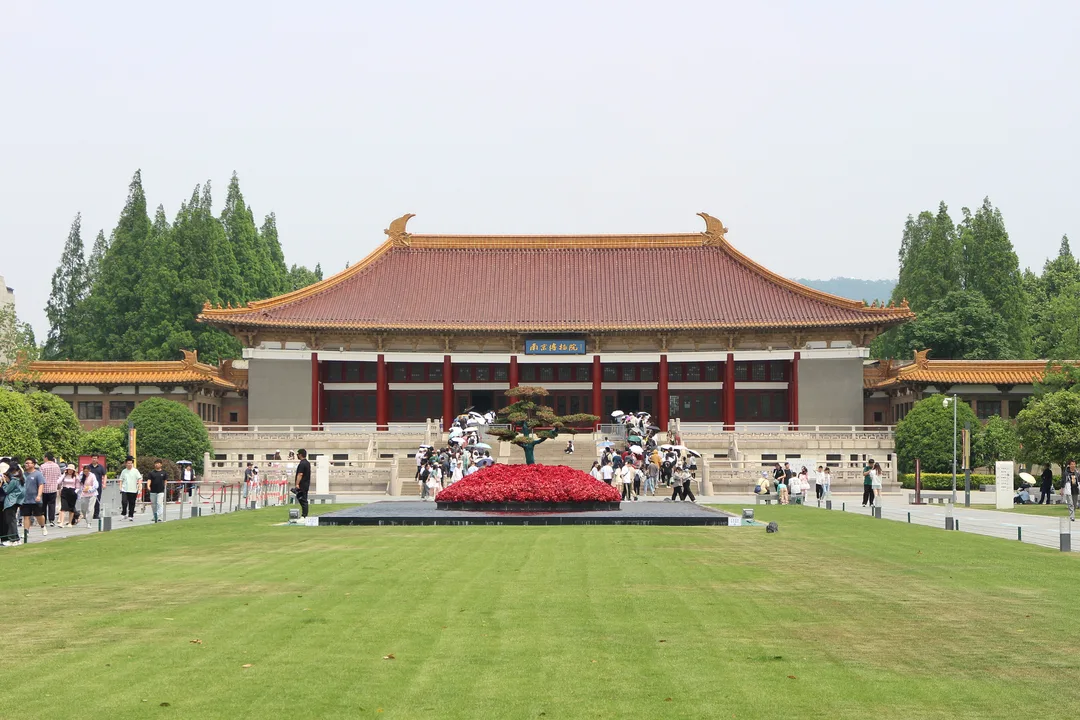
The Nanjing Museum is China's third-largest comprehensive museum by collection size, housing over 1.2 million artifacts spanning 5,000 years of Chinese history, with particular strength in jade, porcelain, and Ming dynasty artifacts. Located near Zhonghua Gate, the museum's modern 84,000-square-meter building — designed by architect Zhang Xin — is an architectural landmark featuring a dramatic spiral staircase and natural-light galleries. The museum receives 3+ million visitors annually and offers one of China's finest museum experiences.

Last updated:

Nanjing Museum travel photo

Quick Answer

Is Nanjing Museum worth visiting?

China's third-largest museum by collection size, with 1.2 million+ artifacts spanning 5,000 years. Exceptional jade, porcelain, Ming dynasty artifacts, and an outstanding digital civilization exhibit. Free admission.

Quick facts

TicketFree admission (permanent exhibitions); special exhibitions may require purchased tickets; audio guide: CNY 40 (English); advance booking via WeChat mini-program '南京博物院' recommended
Hours09:00–17:00 (Tuesday–Sunday); closed Mondays; extended hours on Friday and Saturday to 21:00 (only for special exhibitions)
Recommended duration3–5 hours for thorough visit; 1.5–2 hours for highlights
Best time to visitYear-round; weekdays for fewer crowds; allow a full day for comprehensive exploration
How to get thereMetro Line 2 to Minggugong Station (Exit 1); Metro Line 1 to Zhonghua Gate then 10-minute walk; Bus 5, 34, 59, 84 to Nanjing Museum
English signageyes
Wheelchair accessibleyes
Collection Size1.2 million+ artifacts (3rd largest in China)
Coverage5,000 years (newborn stone age to Republic era)
Building Area84,000 square meters
Key CollectionsJade, porcelain, Buddhist art, Ming dynasty imperial artifacts
Founded1933 (Republic-era establishment)
Annual VisitorsApproximately 3 million

What to expect

The Nanjing Museum traces its origins to the Republic-era 'National Central Museum' established in 1933, making it one of China's oldest modern museums. The museum survived the Nanjing Massacre in 1937 by evacuating its most precious collections to the west; many items were stored in cave repositories in Sichuan and returned to Nanjing after the war. This history is significant — the museum's jade collection, considered the finest in the world, survived intact due to this evacuation. The museum moved to its current location near Zhonghua Gate in 2013, occupying a state-of-the-art facility designed to museum standards with controlled lighting, humidity, and seismic isolation.

The museum's permanent exhibitions are organized into several parallel circuits: the 'History Gallery' (江苏古代文明) tracing Jiangsu and Nanjing's history from the Neolithic age through the Qing dynasty; the 'Jade Gallery' displaying the museum's unparalleled jade collection including a famous 'pig dragon' (猪龙) from the Hongshan culture (5000 BC); the 'Porcelain Gallery' with examples from every major Chinese kiln; the 'Ming Dynasty Palace Artifacts Gallery' displaying imperial robes, accessories, and furniture; and the 'Republic of China Gallery' documenting Nanjing's modern era including the provisional government period. The museum's digital civilization exhibit (数字馆) is considered one of China's most innovative museum technology applications.

The museum's architecture is itself a highlight — architect Zhang Xin's design features a dramatic central atrium with a 6-story spiral staircase, natural light wells, and an integrated 'cultural corridor' that connects all galleries without backtracking. The building has received multiple architectural awards. The museum's services include lockers, wheelchairs, strollers, audio guides in multiple languages, and a research library. The museum shop and café are located near the main entrance. The special exhibition program rotates quarterly, often featuring international archaeological loans that attract significant visitor interest.

How to get there

Metro Line 2 to Minggugong Station (Exit 1), 3-minute walk. From Nanjing railway station, take Metro Line 1 to Xin Jiekou, transfer to Line 2 (20 minutes total). From Zhonghua Gate, walk east 10 minutes.

Best photo spots

Tips

Scams to avoid

Frequently asked questions

How does Nanjing Museum compare to Beijing's Palace Museum?

The Nanjing Museum focuses on Chinese civilization broadly (5,000 years), while the Palace Museum (Forbidden City) focuses specifically on imperial palace life. The Nanjing Museum's jade and porcelain collections are considered equal or superior to Beijing's; Beijing's architectural complex is unique. Both are essential for understanding Chinese heritage.

Is one day enough to see the entire museum?

A full day (open-to-close) allows for a thorough visit to all permanent galleries and one or two special exhibitions. Most visitors with limited time prioritize the jade gallery, Ming dynasty artifacts, and history gallery.

Can I take photographs?

Personal photography (no flash, no tripod) is permitted in most permanent galleries. Some special exhibitions prohibit photography — look for signage. Selfie sticks are prohibited throughout.

Are there English-language guided tours?

Yes, English audio guides (CNY 40/day) are available. English-language human guides can be booked in advance through the museum's official website. Free English-language guided tours are offered on weekends at 10:00 and 14:00 (first-come basis).

Read next

Other things to do in Nanjing

Chaotian Palace

Ancient Ming dynasty palace complex now housing the Nanjing Municipal Museum. Best-preserved ceremonial architecture in southeast China; free-roaming peacocks in the courtyard. 600+ years old.

China Imperial Examination Museum (Gongyuan)

Ancient examination halls where scholars competed for imperial civil service positions over 600+ years. Now a world-class museum with reconstructed cubicles, artifacts, and immersive exhibits.

Confucius Temple (Fuzimiao)

A riverside temple complex turned vibrant pedestrian district — Confucian shrine, Qinhuai River boats, and Nanjing's best snack street. Temple ¥30, area free. 2–3 hours.

Zhonghua Gate Castle

The world's largest surviving ancient city gate complex, part of Nanjing's Ming dynasty wall. Three-tiered瓮城 (wengcheng/retreat defense) with 27藏兵洞 (hidden troop caves). Immense scale, fascinating history.

Ming Xiaoling Tomb

The tomb of the Hongwu Emperor (founder of the Ming dynasty, d. 1398) and his empress Ma. The largest imperial Ming tomb in China, with a 600-year-old stone avenue of elephants and lions. UNESCO World Heritage Site. Budget ¥70 and 2–3 hours.

Ming Xiaoling Mausoleum

The tomb of the first Ming emperor — a 2.6 km Sacred Way lined with stone elephants and camels leading to a burial mound under Purple Mountain. UNESCO. ¥70. 2–3 hours.

Memorial Hall of the Victims of the Nanjing Massacre

One of China's most significant war memorial museums, built on the site of a mass grave of Nanjing massacre victims (1937–38). Solemn, powerful, and essential. Free admission.

Stone City Park

Urban park built along a 300-meter stretch of Ming dynasty city wall, featuring the famous 'Stone City' cliff formation where the ancient wall is exposed. Free, scenic, and historically significant.

Presidential Palace

Nanjing's most historically layered site — served as Taiping Heavenly Kingdom headquarters, Qing provincial office, Sun Yat-sen's presidential office, and Chiang Kai-shek's Nationalist headquarters from 1840–1949.

Purple Mountain (Zijinshan)

Nanjing's central mountain, home to Sun Yat-sen Mausoleum, Ming Xiaoling Tomb, and the Purple Mountain Observatory. A full day of imperial tombs, forested hiking trails, and astronomical history. Pick 1-2 sites per visit.

Qinhuai River

Nanjing's iconic cultural river, 110 km long, flowing through the historic Confucius Temple district. Famous for boat tours past ancient walls, illuminated traditional architecture, and 1,000+ years of cultural history.

Sun Yat-sen Mausoleum

The 392-step blue-tile mausoleum where the founder of modern China rests. Free with national park ticket. The staircase is one of the most dramatic pieces of Republican-era architecture in Asia. 2–3 hours.

Xuanwu Lake Park

Nanjing's central lake park, 4.7 km² of islands, pavilions, lotus fields, and walking paths. Free entry, excellent for sunset walks and boat rides. Urban oasis with 2,000+ years of history.

Yongle Temple

Historic Buddhist temple on Purple Mountain's southern slope, founded 1455 during Ming dynasty. Famous for pink peach-blossom gardens in spring and traditional architecture. Less visited than Sun Yat-sen Mausoleum.

Zhangjiakou Historical District

Nanjing historic residential quarter near Confucius Temple, Ming-Qing courtyard houses, 15th-century Wanmin Bridge stone arch. Free to walk district. Metro Line 1 Zhangjiakou Station (Exit 1). Best early morning for authentic local breakfast. 1-2 hours exploration.

Museums in Nanjing

Sources