Nanjing · Visitor Guide

Purple Mountain (Zijinshan) (紫金山, Zǐjīn Shān)

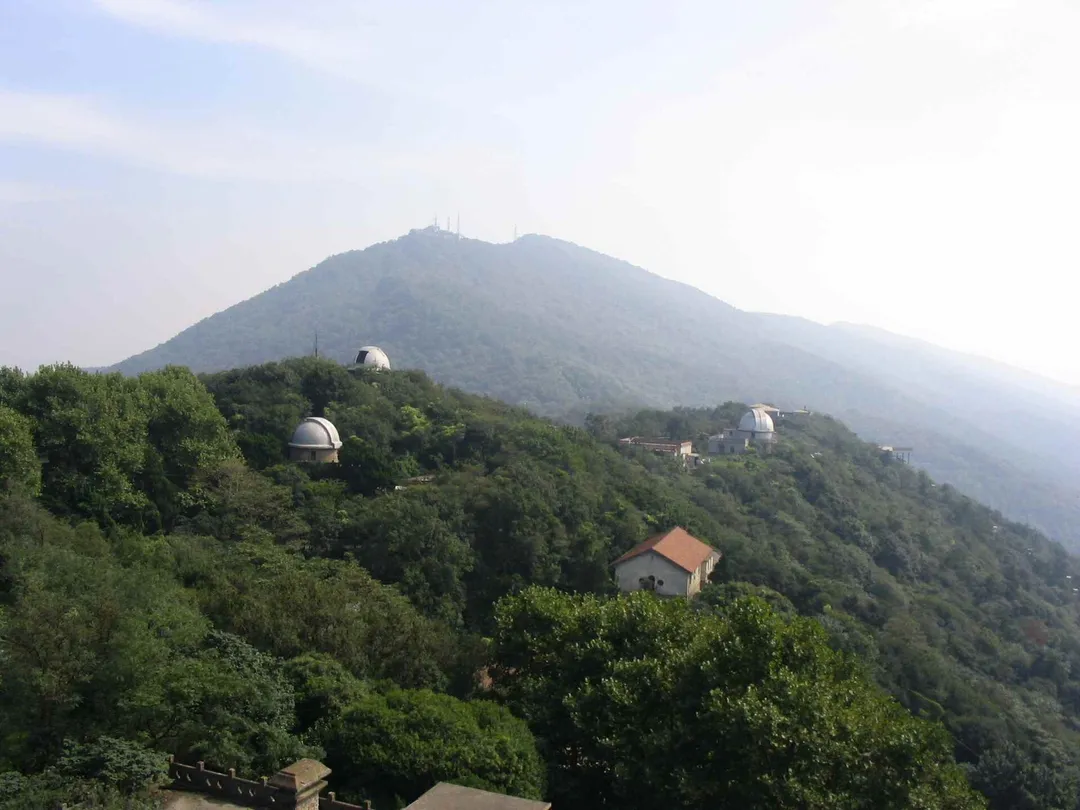
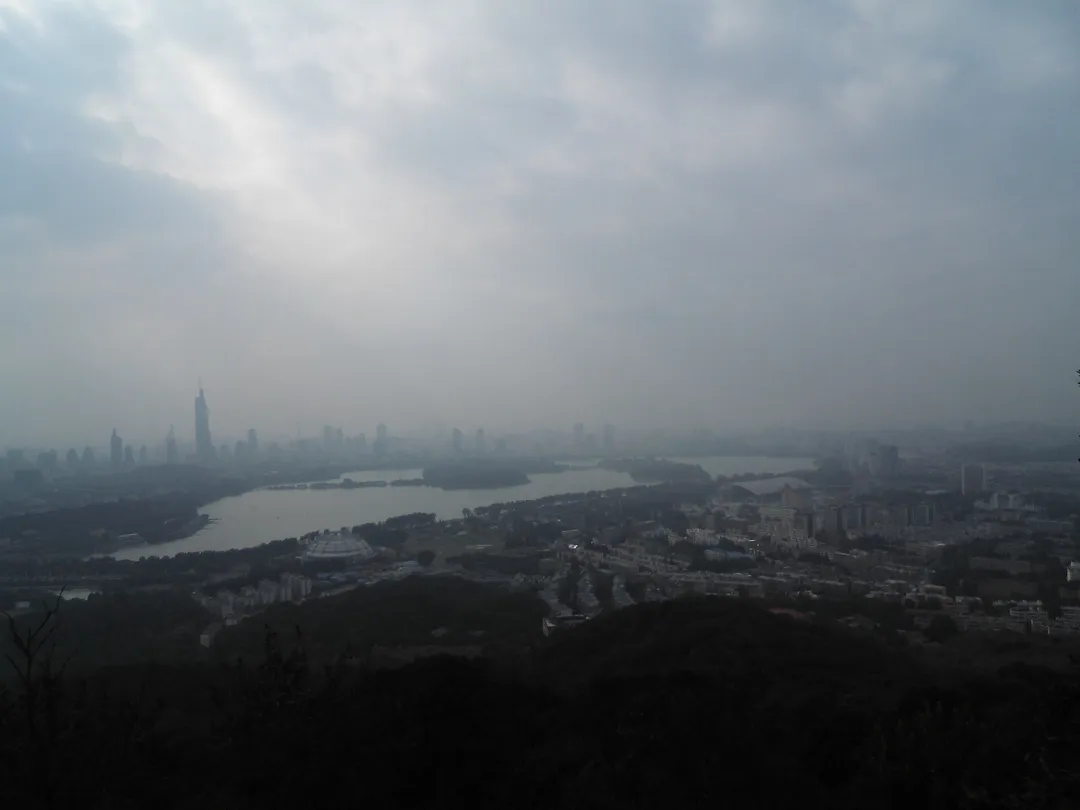
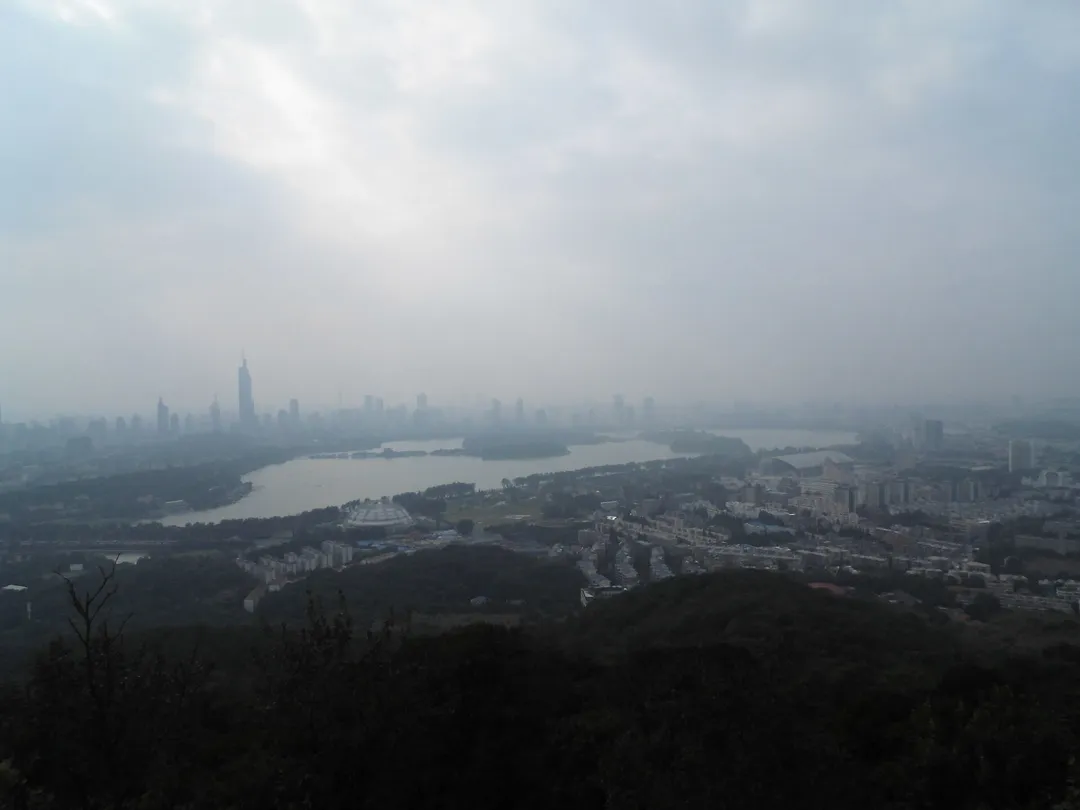
Purple Mountain is a 448-metre peak forming Nanjing's eastern skyline, crowned by the Purple Mountain Observatory and draped in the forested mausoleum complexes of three Ming and early Republican-era figures. The mountain is less a single attraction than a 30-km² nature park crossed by walking trails and an informal tourist bus. It is at its most beautiful in autumn when ginkgo groves turn golden along the approach to Ming Xiaoling.

Last updated:

Purple Mountain (Zijinshan) travel photo

Quick Answer

Is Purple Mountain (Zijinshan) worth visiting?

Nanjing's central mountain, home to Sun Yat-sen Mausoleum, Ming Xiaoling Tomb, and the Purple Mountain Observatory. A full day of imperial tombs, forested hiking trails, and astronomical history. Pick 1-2 sites per visit.

Quick facts

TicketFree to enter the mountain area. Individual sites charge separately: Sun Yat-sen Mausoleum ¥60, Ming Xiaoling ¥70, Purple Mountain Observatory ¥15. Zijinshan scenic area sightseeing bus ¥30 one-way/¥50 round-trip (as of 2026).
HoursMountain area open 24 hours. Individual sites: 06:30–18:30 (summer), 07:00–17:30 (winter). Observatory: 08:30–16:30 daily.
Recommended durationFull day (5–8 hours) if visiting multiple mausoleums and hiking; half day (2–3 hours) for Sun Yat-sen Mausoleum and the main scenic overlook.
Best time to visitAutumn (October–November) for golden ginkgo avenues and clear skies. Early morning (before 08:00) in any season for empty paths. Avoid weekends in October when Nanjing residents flood the mountain for defoliated ginkgo viewing.
How to get thereMetro Line 2 to Ming Xiaoling (明孝陵) or Zijinshan (紫金山) stations, both a 10-15 minute walk to the mountain footpaths. Bus G5 Scenic Route from Nanjing Railway Station runs along the mountain road with stops at all major mausoleum entrances. A DiDi from the city centre costs ¥30–45.
English signagepartial
Wheelchair accessiblelimited
Elevation448 m
Area~30 km²
Key sitesSun Yat-sen Mausoleum, Ming Xiaoling, Purple Mountain Observatory
Forest cover~80%, mainly pine and ginkgo
Ginkgo seasonLate October–early November
Hiking trails10+ named trails, 3–15 km each

What to expect

Purple Mountain (Zijinshan) takes its name from the purple-gold colour of the atmospheric haze that once gathered at its summit — or, as Tang-dynasty poets preferred, from the mystical "purple golden flower" that was said to bloom on its slopes. Today it is most visibly recognised by the violet-grey granite bulk rising behind Nanjing's eastern suburbs, cloaked in pine forest and threaded with trails that have been walked by emperors, generals, and hikers for fifteen centuries. The mountain is divided into western and eastern sections: the west holds the Sun Yat-sen Mausoleum and Lingxiu Valley; the east holds Ming Xiaoling and the Purple Mountain Observatory.

The mountain's cultural history is layered. Here, Nanjing's first imperial capital was established in the 3rd century; the Ming dynasty chose its southern slopes for the Ming Xiaoling Tomb of the Hongwu Emperor (d. 1398); and in 1929 the Republic buried Sun Zhongshan (Sun Yat-sen) on the same ridge, symbolically close to the Ming founders. The Purple Mountain Observatory, founded in 1934 by Chinese astronomers and later upgraded with a 65-cm reflecting telescope, sits at the true summit and is still a working scientific facility with public viewing nights on clear weekends. The ginkgo avenue approaching Ming Xiaoling — over 600 trees planted in the Ming dynasty — draws Nanjing's photographers in a tight crowd every October.

Practically, the mountain is too large to "do" in one visit. Most visitors pick Sun Yat-sen Mausoleum (the iconic blue-tile-and-white-stone staircase) or Ming Xiaoling (the surreal stone avenue of war elephants and lions). The mountain footpaths are well-maintained but steep in sections; sturdy shoes are essential. The tourist shuttle bus saves time but skips the forest atmosphere. Bring water and a snack; the cafes near the mausoleum gates are overpriced and mediocre. Photography is permitted throughout the outdoor areas but restricted inside the observatories.

How to get there

Metro Line 2 to Ming Xiaoling (明孝陵) Station (Exit 2), then walk 10 minutes to the Ming Xiaoling entrance. For Sun Yat-sen Mausoleum, continue 800 m east along the tree-lined approach road. The most scenic route is the mountain footpath from the Ming Xiaoling entrance, which climbs through pine forest in about 40 minutes to the mausoleum — steep but manageable in any season except midsummer heat.

Best photo spots

Tips

Scams to avoid

Frequently asked questions

Is Purple Mountain worth visiting?

Yes — particularly Sun Yat-sen Mausoleum (architecturally striking and historically significant) and the Ming Xiaoling ginkgo avenue in late October. The mountain itself is a pleasant urban escape. If you only have half a day in Nanjing, prioritise Sun Yat-sen Mausoleum.

How do I get to Sun Yat-sen Mausoleum from the city centre?

Metro Line 2 to Zijinshan (紫金山) Station or Ming Xiaoling (明孝陵) Station, both 10–15 minutes on foot to the foot of the mountain. A DiDi from the city centre takes 30–40 minutes and costs ¥30–45.

When is the best time to see the ginkgo trees at Purple Mountain?

Late October to early November — the ginkgos along the 600-metre approach to Ming Xiaoling turn gold in sequence. Peak colour is usually the last week of October. Weekdays are far less crowded than weekends.

Can I hike to the summit of Purple Mountain?

Yes — there are several named trails (the most popular starting from the Ming Xiaoling area). The true summit (448 m) is near the Purple Mountain Observatory. Allow 2–3 hours for a one-way hike from the mausoleum area. Trails are steep in places and not recommended in heavy rain.

Is Purple Mountain wheelchair accessible?

Limited. The approach roads and the main staircases at Sun Yat-sen Mausoleum are accessible by wheelchair, but the mountain footpaths, forest trails, and the observatory grounds are not. Wheelchair users can visit the mausoleum complex via the road-based tourist shuttle.

Read next

Other things to do in Nanjing

Chaotian Palace

Ancient Ming dynasty palace complex now housing the Nanjing Municipal Museum. Best-preserved ceremonial architecture in southeast China; free-roaming peacocks in the courtyard. 600+ years old.

China Imperial Examination Museum (Gongyuan)

Ancient examination halls where scholars competed for imperial civil service positions over 600+ years. Now a world-class museum with reconstructed cubicles, artifacts, and immersive exhibits.

Confucius Temple (Fuzimiao)

A riverside temple complex turned vibrant pedestrian district — Confucian shrine, Qinhuai River boats, and Nanjing's best snack street. Temple ¥30, area free. 2–3 hours.

Zhonghua Gate Castle

The world's largest surviving ancient city gate complex, part of Nanjing's Ming dynasty wall. Three-tiered瓮城 (wengcheng/retreat defense) with 27藏兵洞 (hidden troop caves). Immense scale, fascinating history.

Ming Xiaoling Tomb

The tomb of the Hongwu Emperor (founder of the Ming dynasty, d. 1398) and his empress Ma. The largest imperial Ming tomb in China, with a 600-year-old stone avenue of elephants and lions. UNESCO World Heritage Site. Budget ¥70 and 2–3 hours.

Ming Xiaoling Mausoleum

The tomb of the first Ming emperor — a 2.6 km Sacred Way lined with stone elephants and camels leading to a burial mound under Purple Mountain. UNESCO. ¥70. 2–3 hours.

Memorial Hall of the Victims of the Nanjing Massacre

One of China's most significant war memorial museums, built on the site of a mass grave of Nanjing massacre victims (1937–38). Solemn, powerful, and essential. Free admission.

Nanjing Museum

China's third-largest museum by collection size, with 1.2 million+ artifacts spanning 5,000 years. Exceptional jade, porcelain, Ming dynasty artifacts, and an outstanding digital civilization exhibit. Free admission.

Stone City Park

Urban park built along a 300-meter stretch of Ming dynasty city wall, featuring the famous 'Stone City' cliff formation where the ancient wall is exposed. Free, scenic, and historically significant.

Presidential Palace

Nanjing's most historically layered site — served as Taiping Heavenly Kingdom headquarters, Qing provincial office, Sun Yat-sen's presidential office, and Chiang Kai-shek's Nationalist headquarters from 1840–1949.

Qinhuai River

Nanjing's iconic cultural river, 110 km long, flowing through the historic Confucius Temple district. Famous for boat tours past ancient walls, illuminated traditional architecture, and 1,000+ years of cultural history.

Sun Yat-sen Mausoleum

The 392-step blue-tile mausoleum where the founder of modern China rests. Free with national park ticket. The staircase is one of the most dramatic pieces of Republican-era architecture in Asia. 2–3 hours.

Xuanwu Lake Park

Nanjing's central lake park, 4.7 km² of islands, pavilions, lotus fields, and walking paths. Free entry, excellent for sunset walks and boat rides. Urban oasis with 2,000+ years of history.

Yongle Temple

Historic Buddhist temple on Purple Mountain's southern slope, founded 1455 during Ming dynasty. Famous for pink peach-blossom gardens in spring and traditional architecture. Less visited than Sun Yat-sen Mausoleum.

Zhangjiakou Historical District

Nanjing historic residential quarter near Confucius Temple, Ming-Qing courtyard houses, 15th-century Wanmin Bridge stone arch. Free to walk district. Metro Line 1 Zhangjiakou Station (Exit 1). Best early morning for authentic local breakfast. 1-2 hours exploration.

Museums in Nanjing

Sources