Nanjing · Visitor Guide

Qinhuai River (秦淮河, Qínhuái Hé)

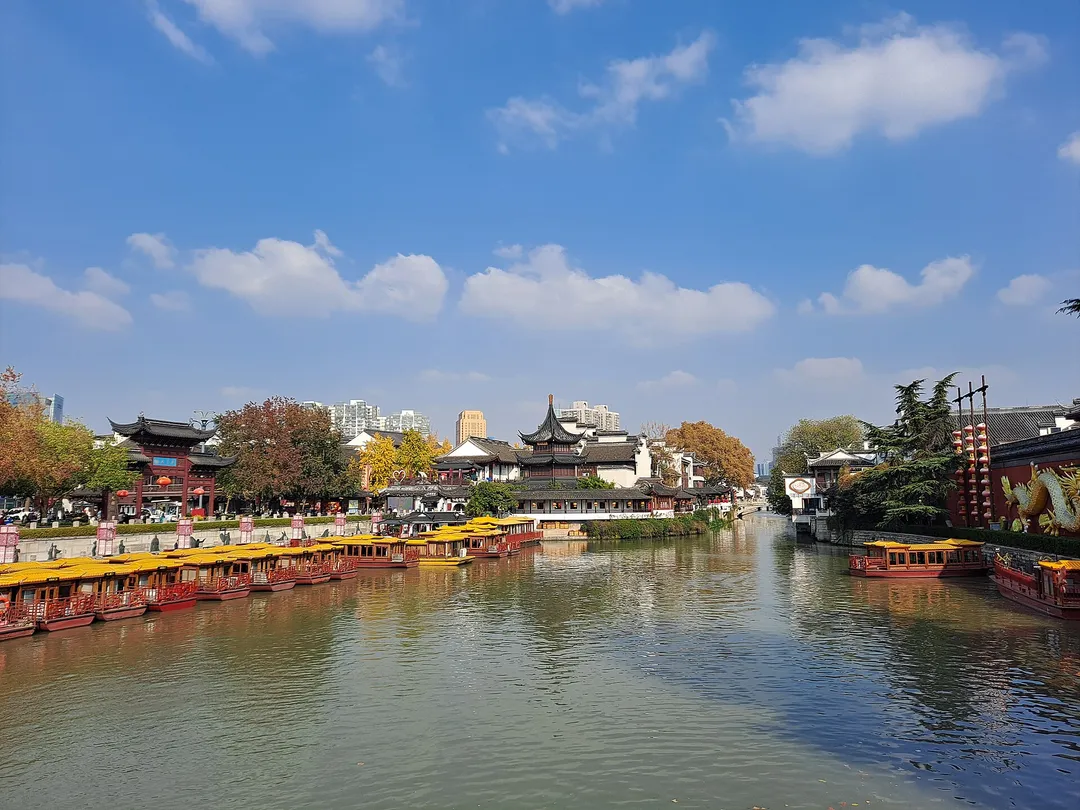
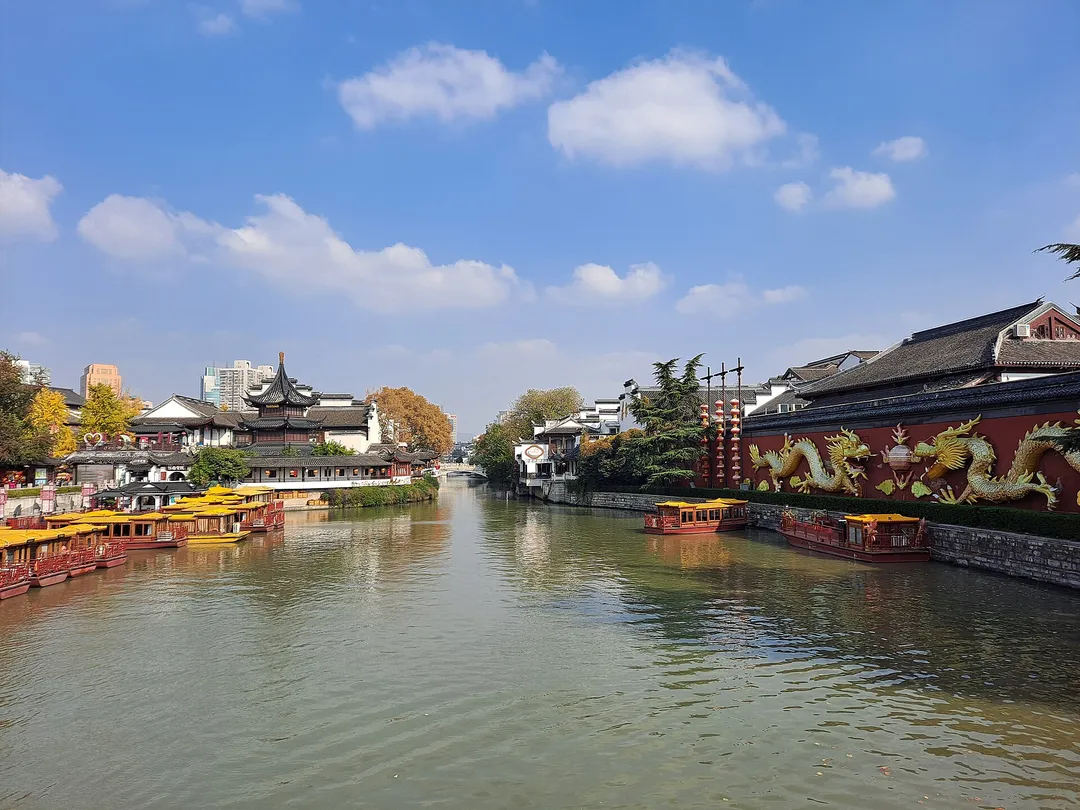
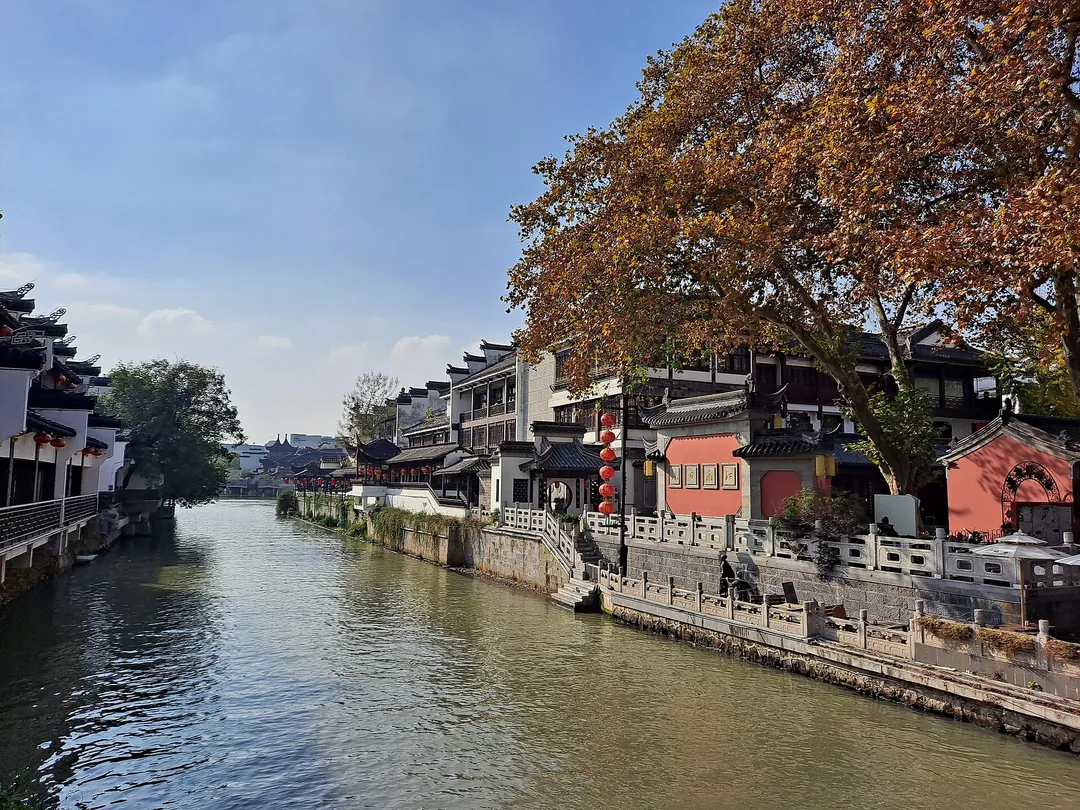
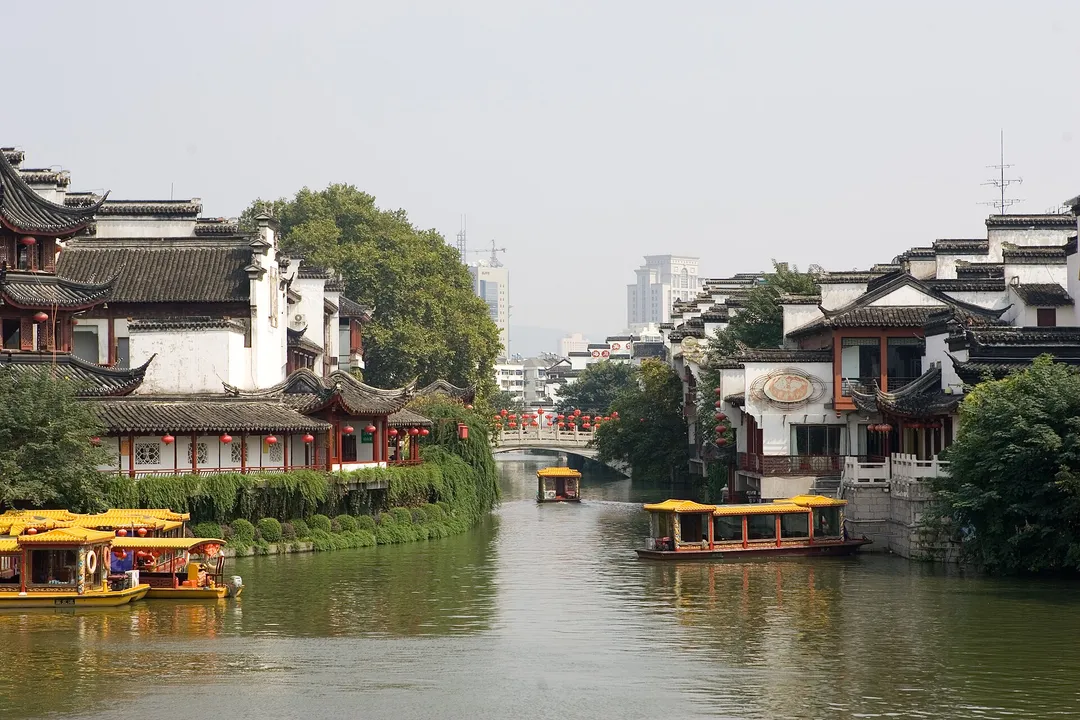
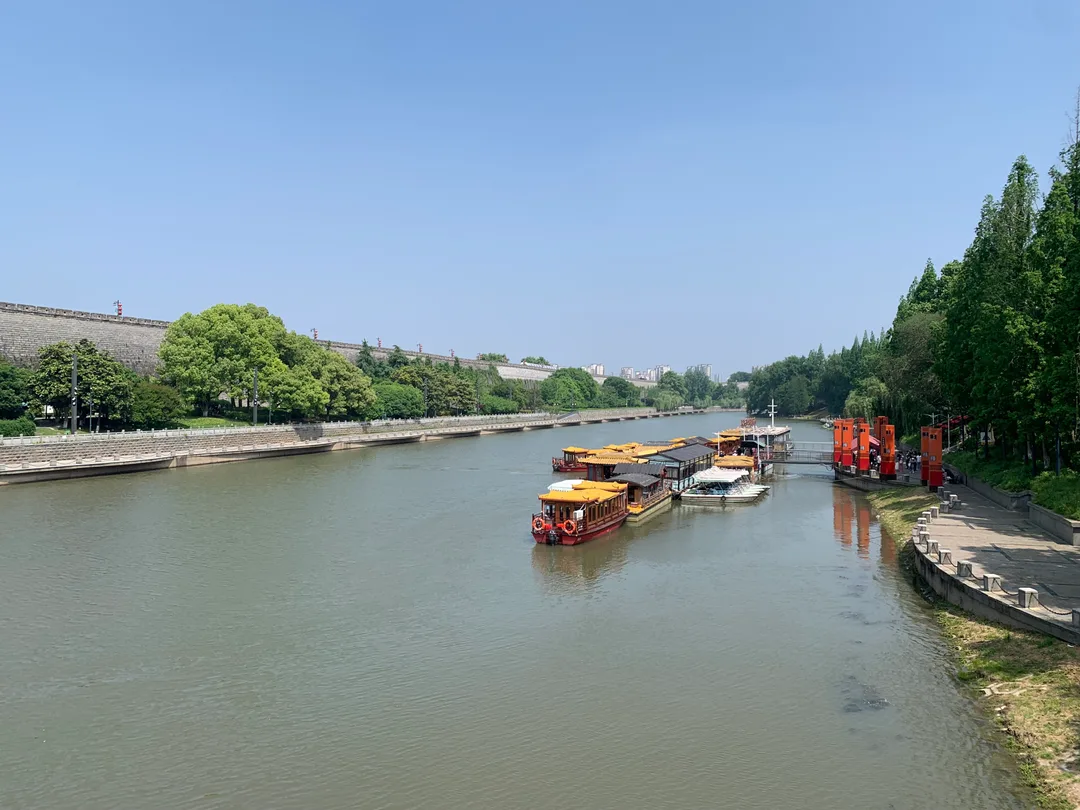
The Qinhuai River is Nanjing's mother river, a 110-kilometer tributary of the Yangtze that flows through the heart of the historic city. Its Confucius Temple (Fuzi Miao) section is the most famous, lined with traditional Ming and Qing dynasty buildings, illuminated at night, and traversed by ornamental boats. The river has been a center of culture, commerce, and art since the Six Dynasties period and remains Nanjing's most vibrant nighttime destination.

Last updated:

Qinhuai River travel photo

Quick Answer

Is Qinhuai River worth visiting?

Nanjing's iconic cultural river, 110 km long, flowing through the historic Confucius Temple district. Famous for boat tours past ancient walls, illuminated traditional architecture, and 1,000+ years of cultural history.

Quick facts

TicketBoat cruise: CNY 80–120 (day); CNY 100–150 (night, includes performance); Confucius Temple: free to enter; individual attraction tickets vary
HoursRiver walkway: 24 hours; Boat cruises: 09:00–22:00 (last departure); Confucius Temple buildings: 09:00–21:30
Recommended duration2–4 hours for full experience (temple district + boat cruise + night walk)
Best time to visitEvening for illuminated architecture; autumn for comfortable walking; Chinese New Year for lantern displays
How to get thereMetro Line 1 to Confucius Temple (Fuzi Miao) Station (Exit 2); Metro Line 3 to Nanjing South Station then taxi; Bus 1, 31, 202 to Fuzi Miao
English signagepartial
Wheelchair accessiblepartial
River Length110 kilometers
Confucius Temple Section1.5 km (most scenic stretch)
Historic StatusAncient capital's main commercial waterway
Night IlluminationSince Tang dynasty; modern LED system since 2000
Boat CapacityOver 1 million passengers annually
Cultural SignificanceOrigin of Nanjing's 'Great Rivers Culture' (Lingnan culture extended)

What to expect

The Qinhuai River takes its name from the Qin dynasty (221–207 BC), when the first emperor of China connected an existing river system to create a transport route to the newly conquered southern territories. By the Six Dynasties period (3rd–6th century), the river section near present-day Confucius Temple had become the commercial and entertainment heart of Nanjing, lined with teahouses, brothels, and theaters. During the Tang and Song dynasties, the river district produced some of China's greatest painters, calligraphers, and poets, establishing the area's reputation as a crucible of Jiangnan culture.

The Ming dynasty transformed the river into its current iconic form. The Hongwu Emperor expanded the river as a commercial waterway and commissioned the construction of the Confucius Temple complex (Fuzi Miao) in 1387 as the Jiangnan region's chief examination and worship center. During the Qing dynasty, the riverside developed into Nanjing's principal entertainment district, with boat houses (画舫) offering dining, performance, and prostitution services. The area was extensively damaged during the Taiping Rebellion and again during the Nanjing Massacre, but was rebuilt and has operated as a tourist district since the 1980s.

Today's Qinhuai River experience combines preserved historical architecture with modern tourism infrastructure. The 1.5-kilometer scenic section between Zhonghua Gate and watergate displays Ming and Qing dynasty building facades, ornate bridges (including the famous Wenzhu Bridge), and traditional-style street lamps. Ornamental dragon boats (画舫) depart every 15–20 minutes from two docks, offering 40-minute day or night cruises past the illuminated architecture. The riverside walkway is free and always open, making it accessible for informal evening strolls. The Confucius Temple buildings (including the temple itself, the examination museum, and the Taixiangguo antique market) require separate admission.

How to get there

From Nanjing railway station, take Metro Line 1 to Confucius Temple Station (Exit 2). The river and temple area is immediately accessible on foot. Total travel time from downtown: 20 minutes.

Best photo spots

Tips

Scams to avoid

Frequently asked questions

Is the boat cruise worth it?

Yes for first-time visitors, especially at night when the architecture is illuminated. The 40-minute cruise passes under 8 historic bridges and past Zhonghua Gate. Day cruises are less impressive but cheaper.

What is the difference between the Confucius Temple area and the Qinhuai River?

Confucius Temple (Fuzi Miao) is the temple complex and examination museum; the Qinhuai River is the waterway running past it. The two are adjacent and often visited together — the temple district sits along the river's banks.

Can I walk along the entire scenic section?

Yes, there is a continuous pedestrian riverside walkway spanning approximately 1.5 km from Zhonghua Gate to the north dock. The path is well-lit at night and has multiple rest areas with benches.

Are there any restrictions on photography?

Photography is permitted throughout the outdoor areas. Tripods are prohibited on boat cruises. The Confucius Temple interior has some restrictions — look for signage.

Read next

Other things to do in Nanjing

Chaotian Palace

Ancient Ming dynasty palace complex now housing the Nanjing Municipal Museum. Best-preserved ceremonial architecture in southeast China; free-roaming peacocks in the courtyard. 600+ years old.

China Imperial Examination Museum (Gongyuan)

Ancient examination halls where scholars competed for imperial civil service positions over 600+ years. Now a world-class museum with reconstructed cubicles, artifacts, and immersive exhibits.

Confucius Temple (Fuzimiao)

A riverside temple complex turned vibrant pedestrian district — Confucian shrine, Qinhuai River boats, and Nanjing's best snack street. Temple ¥30, area free. 2–3 hours.

Zhonghua Gate Castle

The world's largest surviving ancient city gate complex, part of Nanjing's Ming dynasty wall. Three-tiered瓮城 (wengcheng/retreat defense) with 27藏兵洞 (hidden troop caves). Immense scale, fascinating history.

Ming Xiaoling Tomb

The tomb of the Hongwu Emperor (founder of the Ming dynasty, d. 1398) and his empress Ma. The largest imperial Ming tomb in China, with a 600-year-old stone avenue of elephants and lions. UNESCO World Heritage Site. Budget ¥70 and 2–3 hours.

Ming Xiaoling Mausoleum

The tomb of the first Ming emperor — a 2.6 km Sacred Way lined with stone elephants and camels leading to a burial mound under Purple Mountain. UNESCO. ¥70. 2–3 hours.

Memorial Hall of the Victims of the Nanjing Massacre

One of China's most significant war memorial museums, built on the site of a mass grave of Nanjing massacre victims (1937–38). Solemn, powerful, and essential. Free admission.

Nanjing Museum

China's third-largest museum by collection size, with 1.2 million+ artifacts spanning 5,000 years. Exceptional jade, porcelain, Ming dynasty artifacts, and an outstanding digital civilization exhibit. Free admission.

Stone City Park

Urban park built along a 300-meter stretch of Ming dynasty city wall, featuring the famous 'Stone City' cliff formation where the ancient wall is exposed. Free, scenic, and historically significant.

Presidential Palace

Nanjing's most historically layered site — served as Taiping Heavenly Kingdom headquarters, Qing provincial office, Sun Yat-sen's presidential office, and Chiang Kai-shek's Nationalist headquarters from 1840–1949.

Purple Mountain (Zijinshan)

Nanjing's central mountain, home to Sun Yat-sen Mausoleum, Ming Xiaoling Tomb, and the Purple Mountain Observatory. A full day of imperial tombs, forested hiking trails, and astronomical history. Pick 1-2 sites per visit.

Sun Yat-sen Mausoleum

The 392-step blue-tile mausoleum where the founder of modern China rests. Free with national park ticket. The staircase is one of the most dramatic pieces of Republican-era architecture in Asia. 2–3 hours.

Xuanwu Lake Park

Nanjing's central lake park, 4.7 km² of islands, pavilions, lotus fields, and walking paths. Free entry, excellent for sunset walks and boat rides. Urban oasis with 2,000+ years of history.

Yongle Temple

Historic Buddhist temple on Purple Mountain's southern slope, founded 1455 during Ming dynasty. Famous for pink peach-blossom gardens in spring and traditional architecture. Less visited than Sun Yat-sen Mausoleum.

Zhangjiakou Historical District

Nanjing historic residential quarter near Confucius Temple, Ming-Qing courtyard houses, 15th-century Wanmin Bridge stone arch. Free to walk district. Metro Line 1 Zhangjiakou Station (Exit 1). Best early morning for authentic local breakfast. 1-2 hours exploration.

Museums in Nanjing

Sources