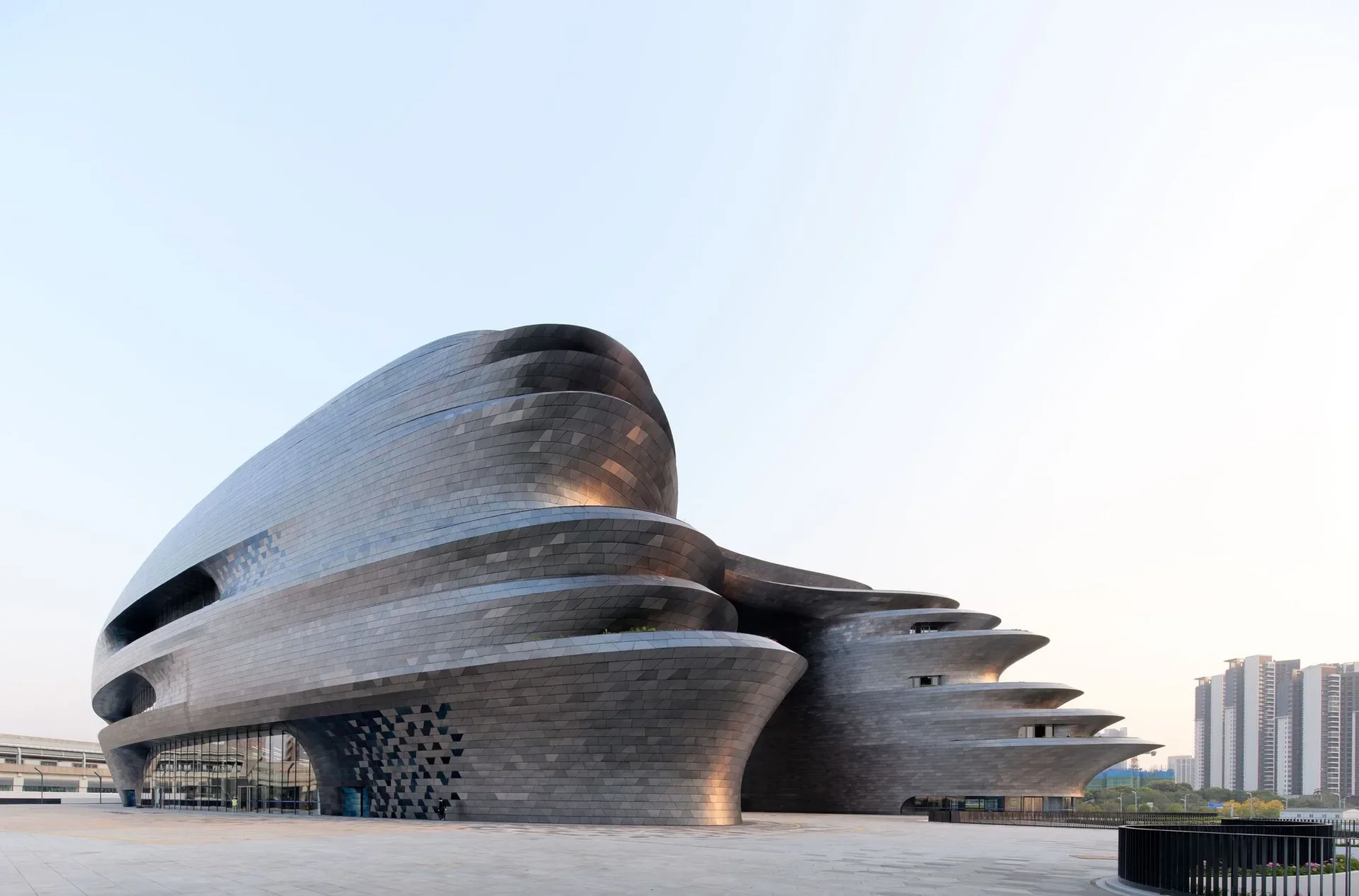
Shenzhen Museum
The Shenzhen Museum (深圳博物馆) opened in 1984 and is one of China's oldest reform and opening museums, established alongside the Shenzhen Special Economic Zone. The museum has two locations: the main museum in Futian District and the Shenzhen Reform and Opening-Up Museum (深圳改革开放展览馆) in Lianhua Road area. The main museum's collection covers: (1) ancient Shenzhen history — artifacts from the ancient Bao'an (宝安) county period when Shenzhen was a border fishing and farming community; (2) the Nanshan (南头古城) ancient history; (3) the extraordinary story of Shenzhen's transformation from a population of 30,000 in 1979 to 20 million in 2026 — the fastest urban transformation in human history.
Shenzhen · history museum2026-10-18
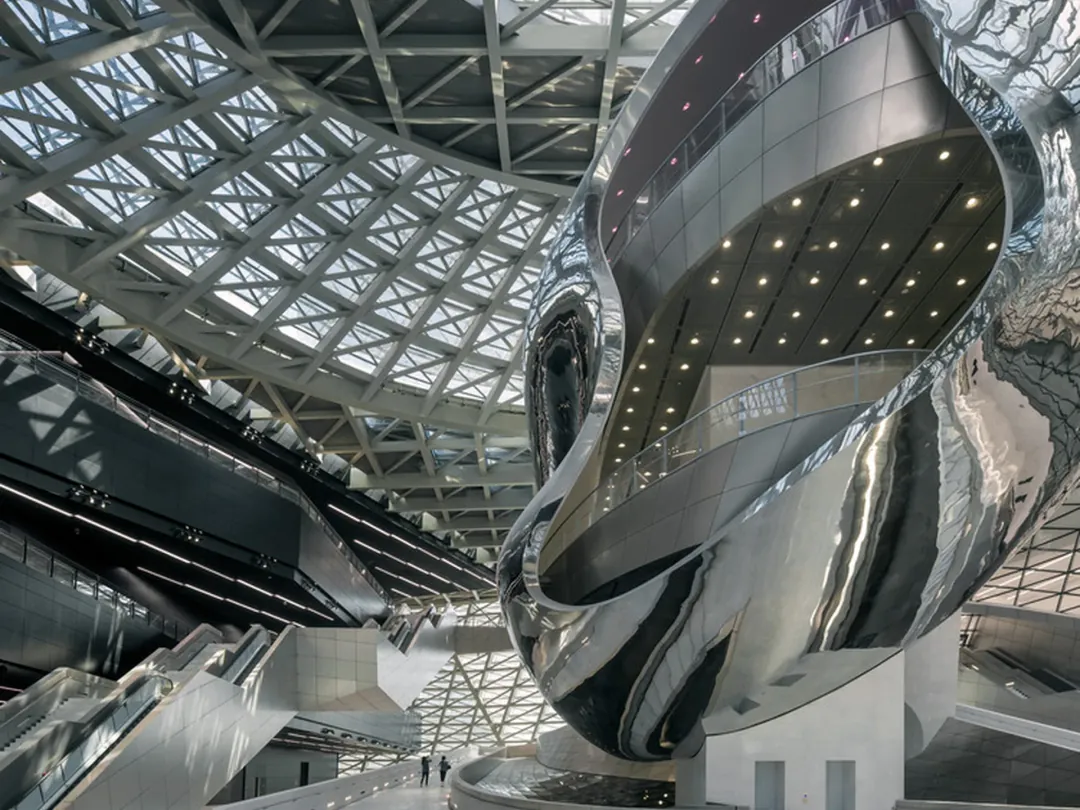
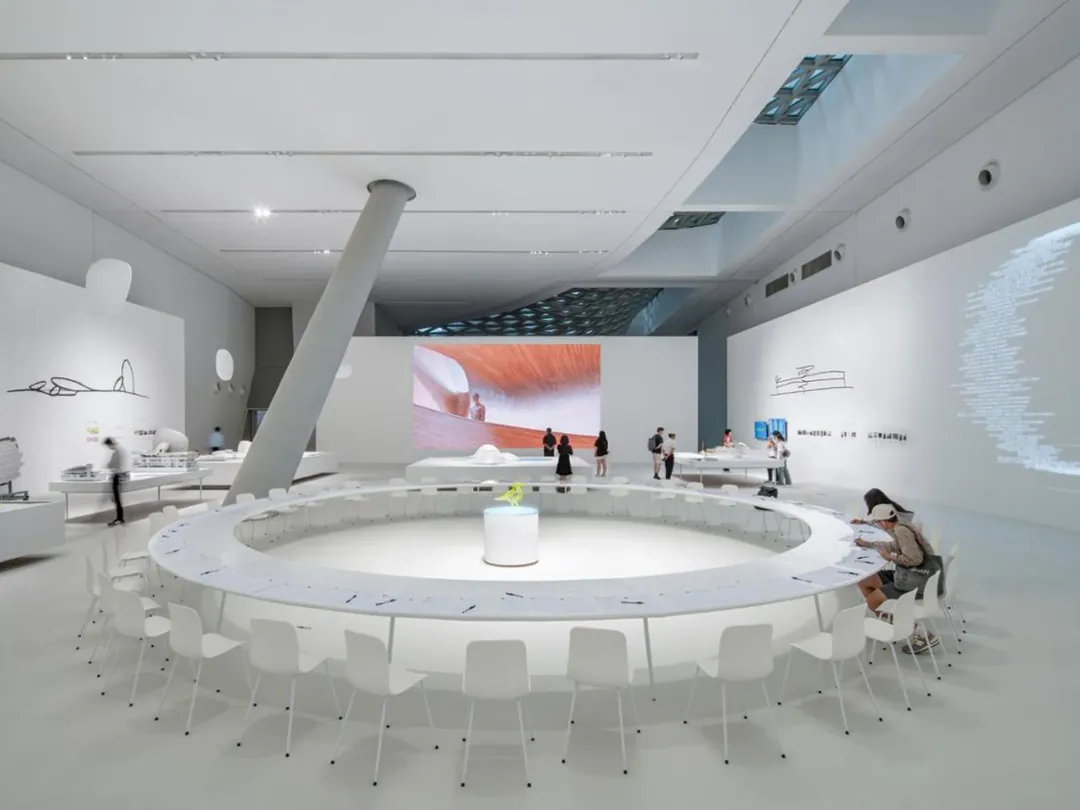
Quick Answer
Is Shenzhen Museum worth visiting?
Shenzhen's flagship museum traces ancient Bao'an history and the city's leap from fishing village to 20-million-person megacity in 40 years. Free.
Quick facts
| Category | history |
|---|---|
| Ticket | Free. Passport required. Walk-in. |
| Hours | 10:00-18:00 (last entry 17:00). Closed Mondays. |
| Recommended duration | 1.5-2.5 hours. |
| Best time to visit | Year-round — Shenzhen has mild weather (15-28°C) most of the year. Summer (June-August) is hot and humid. Winter is mild and pleasant (December-February, 10-20°C). |
| How to get there | Metro Line 4 to少年宫站 (Children's Palace Station), Exit A. Metro Line 1 or 4 to Huaxin Station (华新站). Bus routes 65, 111, 228, 321 to Shenzhen Museum stop. From Shenzhen Railway Station by DiDi: ¥20-30. |
| English signage | Partial |
Why visit
The Shenzhen transformation story is one of the most remarkable urban development stories in history. The museum documents how a fishing village became one of China's most important technology and financial centers in a single generation.
Collection highlights
- Shenzhen transformation archive — photographs, documents, and objects documenting Shenzhen's transformation from fishing village to global technology hub
- "One Day in Shenzhen" (深圳速度) — the famous time-lapse documentation of Shenzhen's construction boom in the 1980s-1990s
- Ancient Bao'an county artifacts — objects from the period before 1979 when Shenzhen was a quiet border county
- Nanshan ancient city archaeological materials — artifacts from the ancient Nanshan city that existed before the modern city
- High-tech industry exhibition — objects and documentation of Shenzhen's transformation into China's technology manufacturing capital
- "Shenzhen 2048" future city planning models — models and projections of Shenzhen's future development
Tips
- Combine with the nearby Shenzhen Civic Center (市民中心) and the "Shenzhen Contemporary Art Museum" (当代艺术与城市规划馆) for a full day
- Shenzhen is adjacent to Hong Kong — many visitors combine Shenzhen museums with Hong Kong day trips
- The "Shenzhen Window" (深圳之窗) at Window of the World (世界之窗) theme park is a miniature world landmark display
- Shenzhen's famous "Huaqiangbei" (华强北) electronics market is the world's largest electronics trading center
- The city has excellent metro system — visit the museum and other attractions easily without a car
Frequently asked questions
How did Shenzhen transform so quickly?
In 1979, Deng Xiaoping designated Shenzhen as a Special Economic Zone (SEZ), offering tax breaks and foreign investment incentives unavailable elsewhere in China. The city was a fishing village with a population of 30,000. By 2026, it has 20 million residents and is China's most important technology manufacturing hub (home to Tencent, Huawei, BYD, DJI). The speed of transformation is unprecedented in urban history.
How does Shenzhen compare to Hong Kong?
Shenzhen and Hong Kong are adjacent cities with very different histories. Hong Kong was a British colony from 1842-1997 with a common law legal system and global financial status. Shenzhen is a mainland Chinese city that transformed from village to megacity in 40 years through state-directed economic policy. Hong Kong has colonial architecture and a Cantonese culture; Shenzhen has ultra-modern architecture and a migrant-worker culture.
Does Shenzhen Museum have English signage?
Partial — the transformation exhibition has some English labels. The ancient history section is mostly Chinese-only. No English audio guide as of 2026.
Is Shenzhen worth visiting beyond the museum?
Yes — Shenzhen has: the "Window of the World" theme park, the Shenzhen Bay Park waterfront, the "Dafen Oil Painting Village" (大芬油画村) art district, and excellent shopping at the LUOHU (罗湖) commercial district. It is also the gateway to Hong Kong.
Read next
Other things to do in Shenzhen
Dameisha Beach Park
Shenzhen's most famous beach: about 1,800 m of sand, free to enter, with parking reservations required in peak season. Metro Line 8 to Dameisha Station Exit A. Allow 3-6 hours; best June to September.
Happy Valley Shenzhen
Shenzhen's best-known amusement park, home of the Snow Dragon coaster — once Asia's longest — across 10 themed zones. Tickets about CNY 230; a hit with families and young travelers.
Longgang Waterfall
A natural waterfall in eastern Shenzhen, about 30-40 m high and fed by Qiniang Mountain. Free and open all day, fullest June-September; allow 2-4 hours via bus E11 and M232.
Meilin Temple
One of Shenzhen's oldest temples, founded in the Tang dynasty over 1300 years ago; free entry 08:00-18:00, about 15 minutes on foot from Meijing Station on Metro Line 9.
Coastal Farmland (Haishang Tianyuan)
Shenzhen's largest eco-agriculture park, pairing farmhouse fun with water activities. Admission about CNY 60 — fishing, fruit picking and hands-on farm experiences for the whole family.
Nanshan Book City
One of Shenzhen's largest bookstores at about 20,000 sqm, mixing reading, creative goods, coffee and exhibitions; free entry, open 10:00-22:00, no minimum spend to sit.
Splendid China & Chinese Folk Culture Village
One of Shenzhen's best-known theme parks: miniature landmarks plus ethnic folk shows. Tickets about CNY 220 — tour China's famous sights in a day, with lively village performances. Great for families.
Shenzhen Safari Park
Shenzhen's only large safari park, rich in species, with a vehicle zone for close-up animal encounters. Admission around CNY 180; a firm favorite for family trips.
Sea World Shenzhen
Shenzhen's waterfront leisure landmark around the Minghua cruise ship; free entry, bar street from about 11:00 to 02:00, on Metro Line 2 at Sea World Station.
Shenzhen Bay Park
Shenzhen's most beautiful waterfront park — free entry, about 15 km of coastline for cycling, birdwatching and gazing across at Hong Kong. Superb sunsets and a hugely popular photo spot.
Window of the World
One of Shenzhen's best-known theme parks: a miniature world of scaled-down landmarks — the Eiffel Tower, Arc de Triomphe, pyramids and more. Tickets about CNY 220; great for families.
Overseas Chinese Town East (OCT East)
Shenzhen's best-known hillside resort park, pairing Knight Valley thrill rides with Tea Stream Valley tea gardens. Entry from CNY 200; the forest train is the signature ride — good for families.
Xili Lake
Shenzhen's largest man-made lake, ringed by a roughly 30 km greenway made for cycling, with birdwatching and fishing along the way. Free to enter, next door to Shenzhen Safari Park.