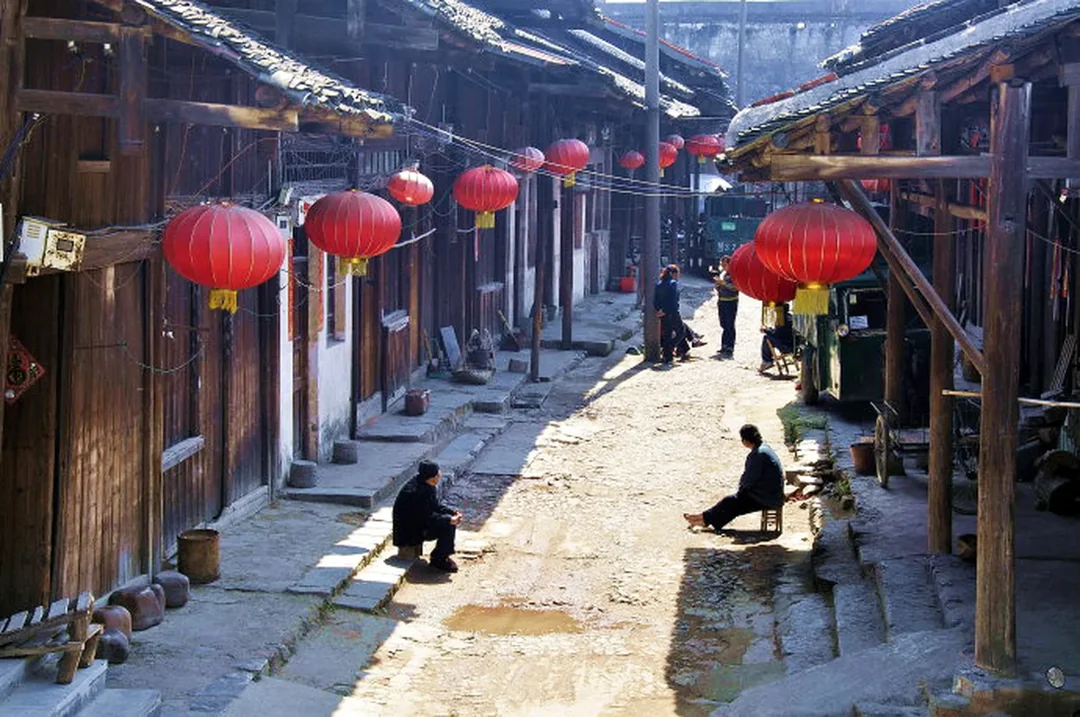
Daxu Ancient Town大圩古镇
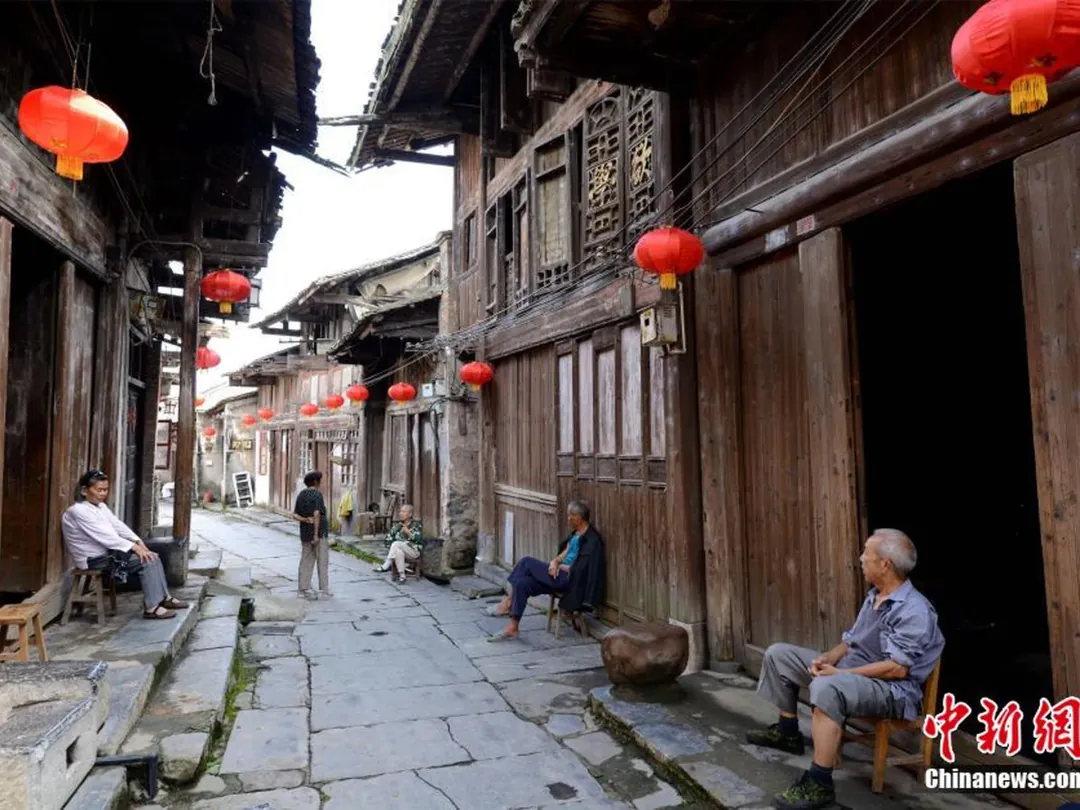
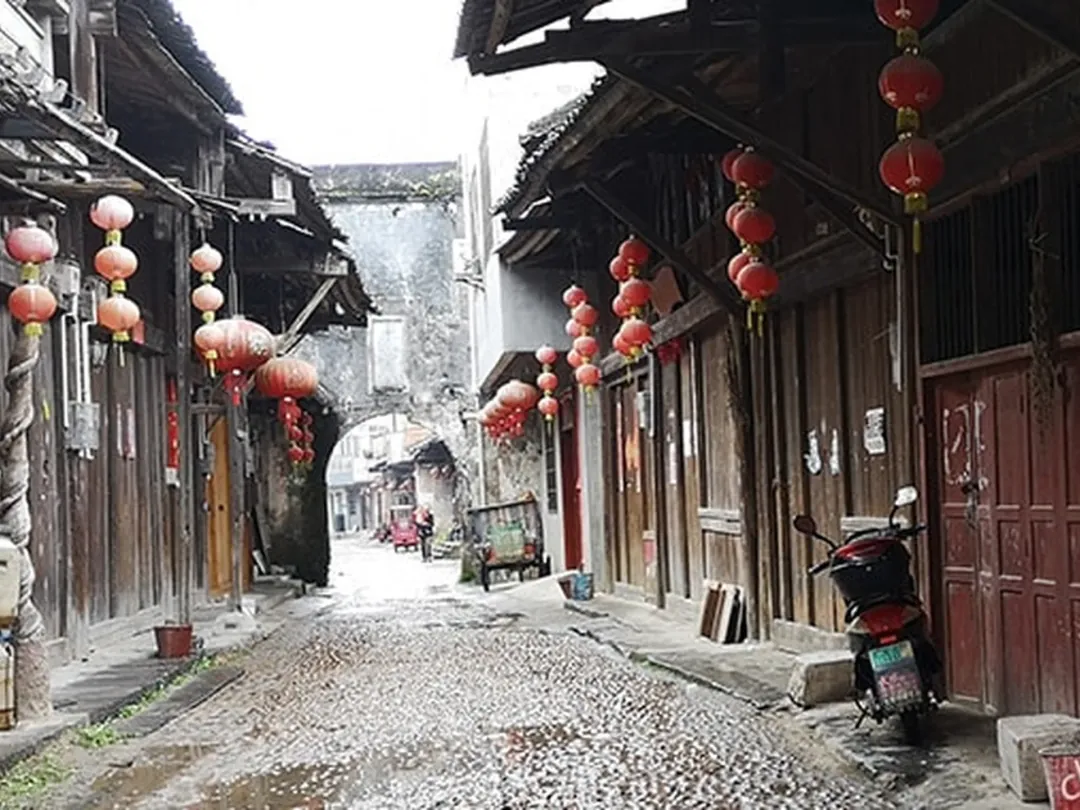
Daxu (大圩) is an 800-year-old commercial town on the east bank of the Li River, about 18 km south of Guilin city center. The town was one of the four major commercial towns (四大圩镇) of Guangxi during the Ming and Qing dynasties, serving as a river port and trading hub for tea, rice, cloth, and medicinal herbs flowing between Yunnan/Guizhou and Guangdong. Today it is the best-preserved of the four ancient towns, with 4.5 km of stone-paved streets flanked by Qing Dynasty shopfronts, ancestral halls, and temples — many dating to the 18th and 19th centuries. Unlike Yangshuo's West Street (which has been fully commercialized), Daxu retains a functioning local community alongside the tourism — you will see old men playing mahjong, schoolchildren walking home, and farmers selling produce at the morning market.
Guilin · Visitor Guide2026-10-18
Quick Answer
Is Daxu Ancient Town worth visiting?
An 800-year-old commercial town on the Li River — the best-preserved ancient town near Guilin, with 4.5 km of Ming and Qing Dynasty architecture. Free to walk. 2–3 hours.
Quick facts
| Ticket | Free to walk the streets. Individual attraction tickets: Dahong Guild Hall (大红门会馆) ¥20, Dongzhu Temple (东竺庵) ¥15, Panda Hall (熊猫馆) ¥10. Combined attraction ticket ¥35 (as of June 2026). |
|---|---|
| Hours | Streets: always open. Shops: 8:00–18:00. Morning market: 6:00–10:00. Restaurants: 7:00–21:00. |
| Recommended duration | 2–3 hours. The town is walkable in 90 minutes if you are moving quickly, but the experience of wandering the alleys, visiting the morning market, and sitting by the river warrants 2–3 hours. |
| Best time to visit | Early morning (6:00–10:00) for the living morning market — farmers from surrounding villages bring vegetables, herbs, and livestock to sell. Weekday mornings for the most authentic local atmosphere. Late afternoon for photography in golden light. Spring and autumn for comfortable weather. |
| How to get there | From Guilin: bus 306 from the bus stop near Guilin Railway Station (桂林站) heading to Daxu (大圩), ¥6, 45 minutes. Buses depart every 20–30 minutes. DiDi from central Guilin: ¥50–60, 30 minutes. Driving: follow the Li River road (漓江路) south from Guilin, 18 km, well-signed. Parking: ¥10 at the north gate car park. |
| English signage | limited |
| Wheelchair accessible | Partial |
| Age | 800+ years (established during Song Dynasty, ~1100 AD) |
| Status | National Historical and Cultural Town (全国历史文化名镇) |
| Architecture | Ming and Qing Dynasty shopfronts, 18th–19th century |
| Street length | 4.5 km of stone-paved streets |
| Market | Morning market (6:00–10:00) with local farmers and produce |
| Location | East bank of Li River, 18 km south of Guilin city |
What to expect
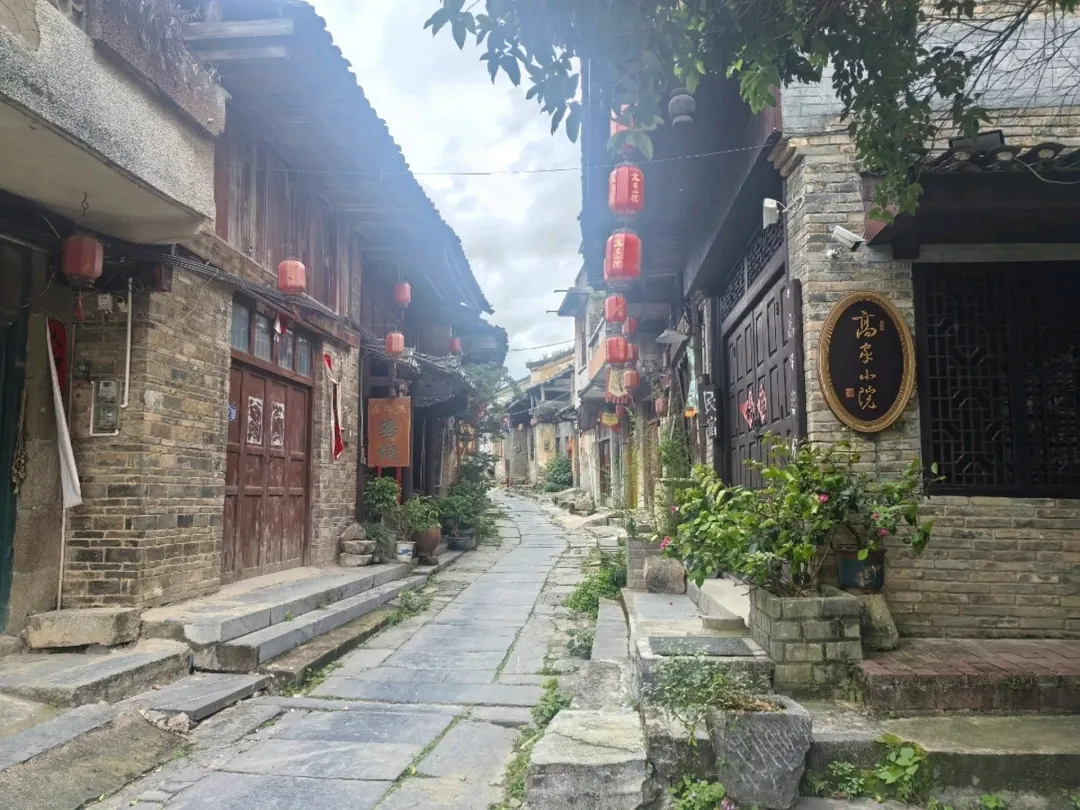
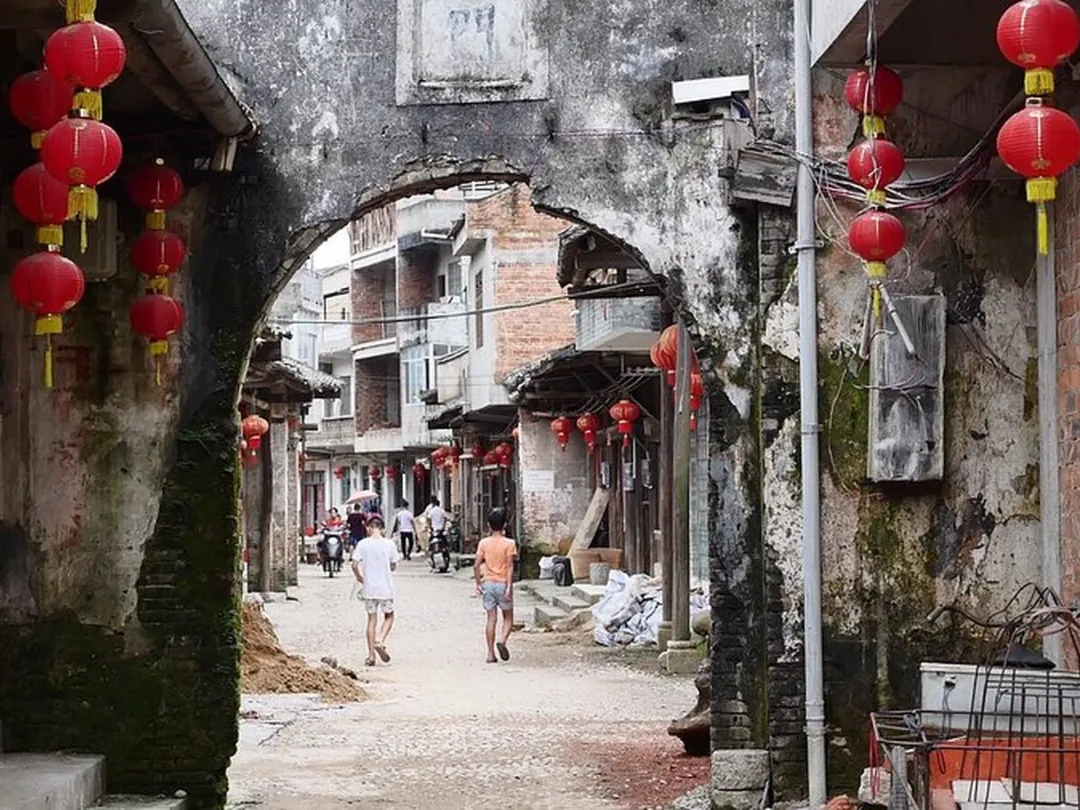
Daxu is the answer to the question every traveler asks after being disappointed by the commercialization of Chinese "ancient towns": is there anywhere real left? The answer is Daxu — not pristine or museum-perfect, but a real working town that happens to have beautiful Qing Dynasty architecture. The stone-paved main street (正阳街) runs 4.5 km north to south, flanked by shopfronts with dark wood, curved eaves, and hand-painted signs. The shopfronts are largely intact because the town missed the late-20th-century wave of demolition and reconstruction that transformed most Chinese towns — it was simply too poor and too remote to attract development pressure until tourism arrived in the 2010s.
The four major monuments are: the Dahong Guild Hall (大红门会馆), built by a Cantonese merchant guild in 1757 and now housing a small museum of the town's commercial history; Dongzhu Temple (东竺庵), a Buddhist temple founded in the Tang Dynasty with original Tang Dynasty wooden beams in the main hall; the old post office (大圩邮政局), a Republican-era building with original stamped mail equipment; and the riverside section where the old stone steps descend to the Li River and villagers still wash clothes and vegetables in the shallows.
Practical notes: the town is spread along a long north-south axis — you walk the main street and explore the side alleys. The north gate (北门) is the main tourist entrance; the south gate (南门) is quieter. The morning market is the authentic heart of the town — arrive at 6:00–7:00 AM to see the real Daxu before tourists arrive at 9:00 AM. There are simple guesthouses (¥80–150/night) and local restaurants along the main street.
How to get there
Bus 306 from the stop near Guilin Railway Station (桂林站) to Daxu (大圩), ¥6, 45 minutes, departs every 20–30 minutes. DiDi: ¥50–60, 30 minutes from central Guilin. Driving: Li River road (漓江路) south, 18 km, well-signed. Parking at north gate ¥10. Return: bus 306 from Daxu to Guilin, last bus 18:00.
Best photo spots
- Dahong Guild Hall (大红门会馆) entrance — the ornate Qing Dynasty facade with carved wooden brackets
- Morning market along the main street — local farmers selling vegetables and herbs at dawn
- Riverside stone steps at the south end — the Li River with karst peaks in the background
- Old post office (大圩邮政局) — Republican-era architecture with original equipment on display
Tips
- Go at dawn (6:00 AM) for the morning market — this is when Daxu is most authentic and most beautiful; by 9:00 AM it is starting to feel touristy
- Walk past the main commercial section near the north gate — the best-preserved architecture and most lived-in streets are in the middle and south sections
- Try the local specialty: Daxu rice noodles (大圩米粉) at one of the small restaurants near the south gate ¥8–12
- The Dahong Guild Hall (¥20) is worth visiting for the commercial history context — it explains why Daxu mattered
- The town is quiet on weekday mornings and liveliest on weekend mornings; avoid Chinese holidays when it fills with tour buses
Scams to avoid
- "Free" guided tours offered by vendors — the guide will take you to commission-based tea or herbal medicine shops
- Fake "antiques" and "heirloom" items sold as old — if it looks too perfect, it is a reproduction; buy only from established shops or the morning market where locals buy
- "Official" parking attendants who ask for ¥20–30 — the official parking rate is ¥10; confirm before paying
- Tour bus drivers who claim there is "no public bus" to Daxu — bus 306 runs regularly; ignore this
Frequently asked questions
How does Daxu compare to other ancient towns in Guangxi?
Daxu is the most authentic of the four major Guangxi ancient towns (Daxu, Luzhou, Huangyao, and Yangshuo's West Street area). It is less polished than Yangshuo's Fuliang ancient town (which has been extensively renovated) and more lived-in than the purpose-built "ancient towns" that have proliferated in China. The morning market is the key differentiator — you will not find a more authentic daily market experience within 20 km of Guilin.
Is Daxu worth visiting as a day trip from Guilin?
Yes — it is only 18 km from Guilin and can be combined with Yao Mountain (10 km from Daxu) for a full day. Go to Daxu in the morning (morning market) and Yao Mountain in the afternoon (for sunset). The two are a natural pairing and about 30 minutes apart by DiDi.
Can I swim in the Li River at Daxu?
There are no designated swimming areas but locals swim near the riverside stone steps in summer. The river current near Daxu is slower than in the Yangshuo stretch. Exercise caution — no lifeguards. The water quality is better here than in the Guilin city stretch but still not recommended for drinking.
Are there places to eat in Daxu?
Yes — simple local restaurants along the main street. Try Daxu rice noodles (大圩米粉, ¥8–12 per bowl) or the fish hotpot (河鱼火锅, ¥60–80 per person). The restaurants near the south gate are less tourist-oriented than the north gate area. Bring cash — card machines are unreliable.
How much of the original architecture is authentic?
The shopfront facades are largely original Qing Dynasty structures (18th–19th century) with original wooden elements, though many have been re-roofed and repointed. The interior renovations vary — some shops have been fully modernized inside while retaining the original facade. The Dahong Guild Hall and Dongzhu Temple are genuine historic structures, not reconstructions. The stone-paved street surface is the original.
Read next
Other things to do in Guilin
Li River Drift (Dilong Tour)
Bamboo-raft drift down the Li River's most scenic stretch between Yangdi and Xingping, past the famous karst peaks; 200-400 yuan per raft (max 2 people), 2-3 hours.
Elephant Trunk Hill
Guilin's skyline icon — a karst peak with a natural arch resembling an elephant drinking from the Li River. Free to view from the riverside park; ¥100 to enter the scenic zone. 1–2 hours.
Fuliang Yin
A hidden karst valley and underground river system near Yangshuo — cave diving, kayaking, and natural swimming pools in an unspoiled canyon. ¥30. Half to full day.
Guilin Merry Land (Merry Land Theme Park)
Guangxi's largest theme park — 4 themed zones, 100+ rides, a water park, and a golf course on 6.7 km² of manicured grounds. ¥150 (weekday), ¥200 (weekend/holiday). Full day.
Li River
The most famous landscape in China — 83 km of karst peaks rising from emerald water between Guilin and Yangshuo. The 4-hour bamboo-raft or cruise-boat journey is the essential Guilin experience.
Longji Rice Terraces (Dragon's Backbone)
650-year-old rice terraces cascading down mountainsides at 300-1,100 m elevation - Zhuang and Yao minority villages, sunrise over flooded paddies. ¥80. 2 hours from Guilin. Half to full day.
Reed Flute Cave
A 240-million-year-old limestone cave system with the world's largest collection of illuminated stalactites and stalagmites. ¥90–120. Audio guide essential. 1–1.5 hours.
Seven Star Park
Guilin's largest urban park — 137 hectares with seven karst peaks, a ancient rock art site, a zoo, and the Guilin Civilization Museum. Free/¥55. 2–3 hours.
West Street
Yangshuo's 1,400-year-old pedestrian street — 1.5 km of bars, restaurants, shops, and hostels. Free to walk. Open all day, liveliest 18:00–23:00.
Yao Mountain
Guilin's highest peak within city limits at 909 m — panoramic karst views, the largest Buddha statue in Guangxi, and a cable car to the summit. ¥60 (park), ¥80 (cable car). Half day.