This page is archived and no longer updated — see the current guide: See the current guide
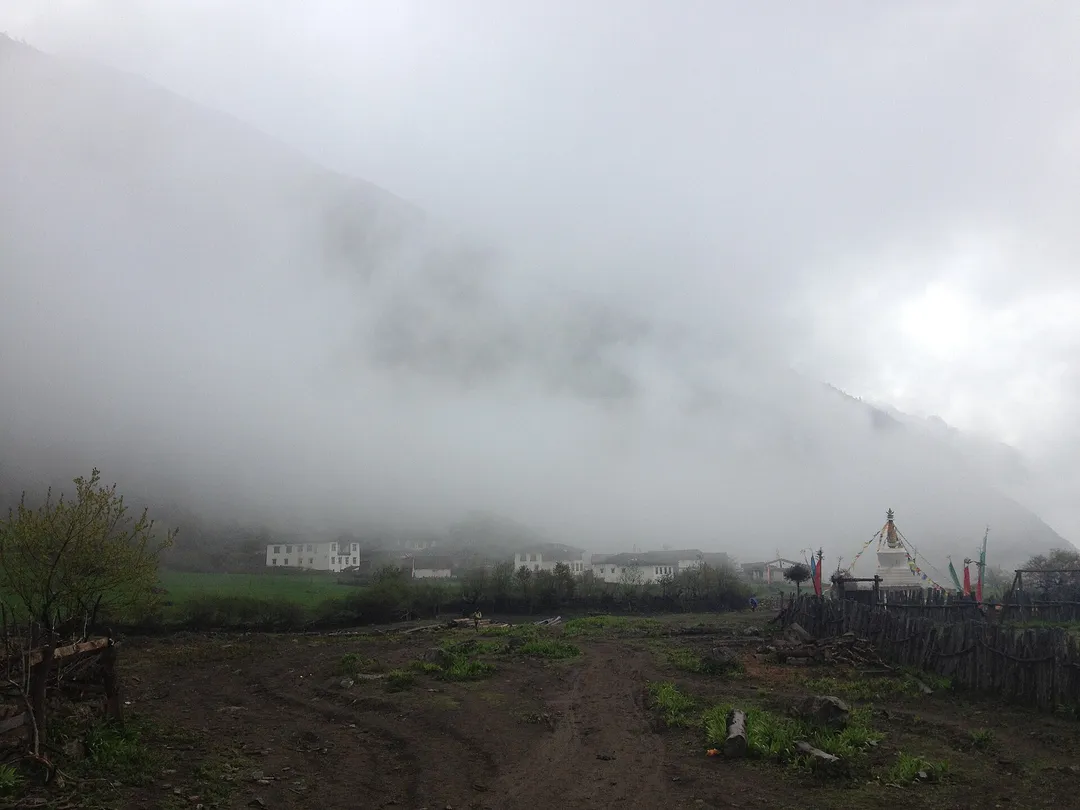
Yubeng Village雨崩村
Yubeng (Yubeng Village) is a remote Tibetan settlement in northern Yunnan, tucked in a valley below the sacred Meili Snow Mountain range. The village is split into Upper Yubeng (3,200m) and Lower Yubeng (3,050m), connected by a 30-minute walk. It was inaccessible by road until the late 2010s — even now, you either hike 2 days from Feilaisi or take a rough 4WD track to the trailhead and hike the final 6-8 km. Kawagebo (6,740m), the highest peak of Meili, has never been summited (a 1991 Chinese-Japanese expedition ended in tragedy when 17 climbers died in an avalanche). The mountain is sacred to Tibetan Buddhists, and climbing is now banned.
Deqin · Visitor Guide2026-10-27
Quick Answer
Is Yubeng Village worth visiting?
Remote Tibetan village at 3,200m in the Meili Snow Mountain range. Only accessible by foot or 4WD. Sacred Kawagebo (6,740m) views. ¥60. 2-day minimum.
Quick facts
| Ticket | ¥60 (Meili Snow Mountain scenic area entry). 4WD from Feilaisi to trailhead: ¥200-300/person. |
|---|---|
| Hours | Daylight hours — remote area, no gate. |
| Recommended duration | 2-3 days minimum. Day 1: hike in. Day 2: explore (Ice Lake or Sacred Waterfall). Day 3: hike out. |
| Best time to visit | October-November for clearest skies and best Kawagebo views. April-May for wildflowers. Avoid July-August (monsoon — landslides and obscured views). |
| How to get there | Bus from Lijiang to Feilaisi: 8-9h, ¥120-150. Then 4WD to Xidang trailhead (1h, ¥200-300/person), then hike 6-8 km to Upper Yubeng (4-6h). Alternative: hike from Feilaisi via Ninong (2 days). |
| English signage | No |
| Wheelchair accessible | No |
| Altitude | Upper 3,200m / Lower 3,050m |
| Hike in | 6-8 km from Xidang (4-6h) |
| Kawagebo | 6,740m (never summited) |
| Population | ~100 Tibetan families |
What to expect
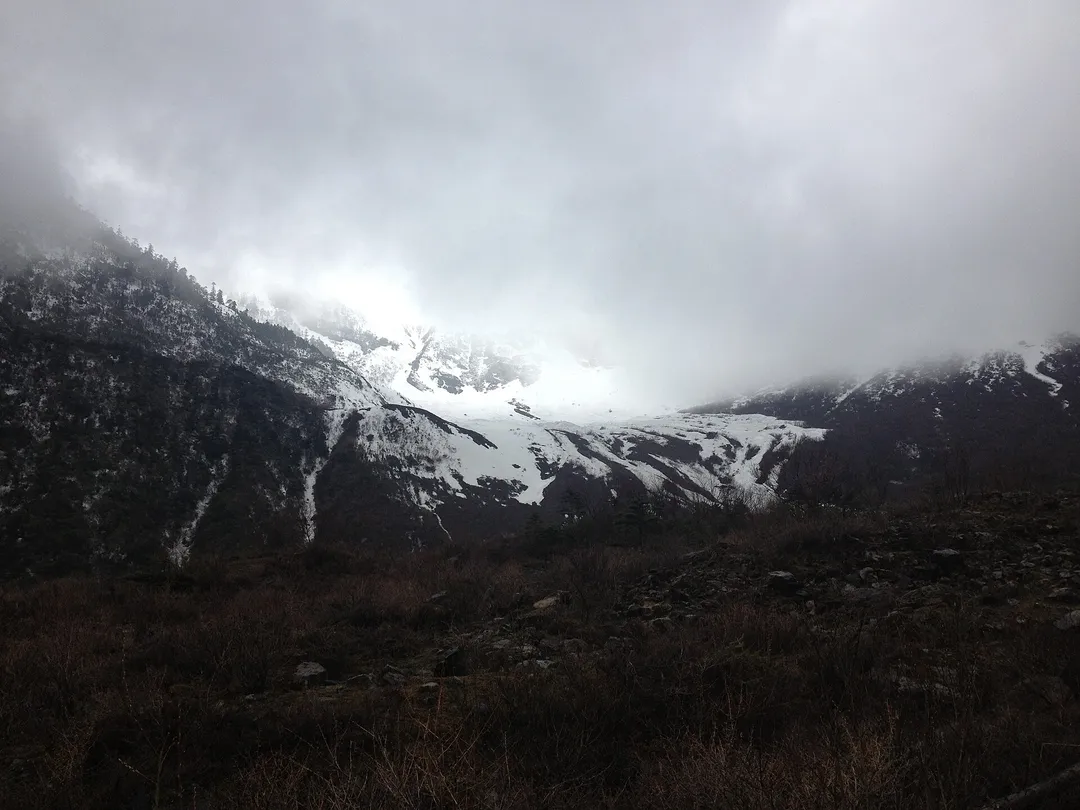
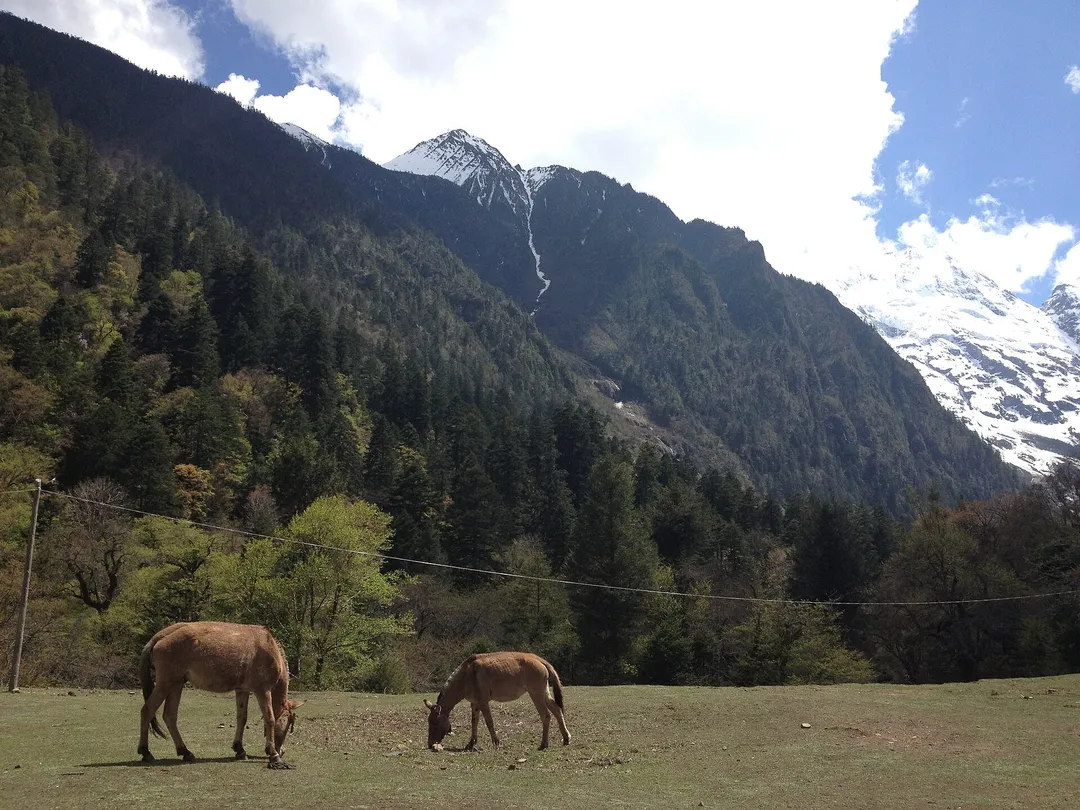
Yubeng feels like a place that shouldn't exist in the modern world. The village sits in a narrow valley with Meili Snow Mountain's peaks rising 3,000m above on all sides. There are no cars — just stone paths, prayer flags, Tibetan homes with yak-dung walls, and the sound of the Yubeng River. Electricity arrived only in the 2010s. The two main treks from Yubeng are the Ice Lake (3,900m, 6-7h round trip) and the Sacred Waterfall (3,650m, 5h round trip), both with Kawagebo views.
I reached Upper Yubeng at dusk after a 5-hour climb from Xidang. The village was lit by a handful of solar lamps, and the only sound was prayer flags snapping in the wind. A Tibetan woman served yak-butter tea in a wooden bowl by the fire. The next morning, Kawagebo emerged from the clouds — a wall of ice and rock glowing gold in the sunrise. It was one of the most humbling sights I've experienced in China.
How to get there
Bus from Lijiang to Deqin County: 6-7h (¥100-120). Then bus to Feilaisi: 1h (¥20). From Feilaisi, take a 4WD to Xidang trailhead (1h, ¥200-300/person). Hike 6-8 km uphill to Upper Yubeng (4-6h on foot, or hire a motorcycle for the steepest sections, ¥200-300). The trail is well-marked but steep — 1,200m elevation gain from Xidang to the pass before descending into Yubeng.
Best photo spots
- Upper Yubeng guesthouse rooftop at sunrise — Kawagebo's golden summit
- Ice Lake (3,900m) — the glacier tongue with Kawagebo looming above
- Sacred Waterfall — prayer flags and falling water at the base of the mountain
- The approach trail above Xidang — first view of the Yubeng valley
Tips
- Bring all cash — no ATMs in Yubeng (nearest is Deqin, 2h away)
- Guesthouses in Yubeng are basic (¥80-200/night as of June 2026) — bring a sleeping bag liner
- Altitude: Upper Yubeng is 3,200m — spend a night in Feilaisi (3,400m) to acclimatize
- Hire a porter in Xidang (¥200-300) if you don't want to carry your pack up 1,200m
- The Ice Lake trek is steep and crosses a landslide zone — check conditions at your guesthouse before setting out
Scams to avoid
- "Motorcycle taxi to Yubeng" from Xidang that drops you at the pass (not the village) — the final descent is another 40 minutes on foot. Confirm the drop-off point before paying.
Frequently asked questions
How do I get to Yubeng Village?
Bus from Lijiang to Feilaisi (8-9h, ¥120-150). 4WD from Feilaisi to Xidang trailhead (1h, ¥200-300/person). Hike 6-8 km to Upper Yubeng (4-6h). The alternative Ninong trail from Feilaisi takes 2 days and is more scenic but longer.
Do I need a guide?
Not for the trails from Xidang to Yubeng or the village treks — the paths are clear and well-trodden. A guide is recommended for the Ninong approach trail or if trekking outside the main routes. Guides available in Feilaisi: ¥400-600/day.
What's the accommodation like?
Basic Tibetan guesthouses with shared bathrooms, solar-heated water (unreliable), and simple meals (¥80-200/night as of June 2026). Electricity is available but can be intermittent. No Wi-Fi in most guesthouses — mobile data (China Mobile) works in Upper Yubeng.
When can I see Kawagebo?
October-November has the clearest skies — 70%+ chance of seeing the peak at sunrise. January-March is also good (cold but clear). Avoid July-August (monsoon — the peak is hidden 80%+ of the time). The "Golden Mountain" sunrise, when the first light hits Kawagebo, happens around 7:30-8:00 AM.
Is Yubeng suitable for beginners?
The hike in is steep (1,200m elevation gain) and at altitude (3,000-3,700m pass). Reasonable fitness required. If you can comfortably hike 10 km with elevation gain, you'll be fine. The village treks (Ice Lake, Sacred Waterfall) are more demanding — 6-7h round trips with additional elevation.
Can I visit in winter?
Yes — January-March has excellent visibility and few visitors, but temperatures drop to -10°C at night. The trail may be icy; bring crampons. Some guesthouses close in deep winter (January-February). Check ahead.
Read next
Other things to do in Deqin
Jade Dragon Snow Mountain (Yulong)
A 5,596 m glaciated peak above Lijiang with a cable car to 4,506 m; 100-180 yuan by season — go at opening time to beat the clouds on this half-day trip.
Jade Dragon Snow Mountain (Yulong Xue Shan)
The 5,596m sacred mountain above Lijiang — glacier viewing, alpine meadows, and the 4,680m highland glacier park accessible by cable car. ¥100+ park entry. Half-day trip.
Lijiang Ancient Town (Dayan)
A UNESCO World Heritage site and home of the Naxi people — a living museum of canals, footbridges, courtyards and ancient Naxi music; the old-town maintenance fee is CNY 80.
Lugu Lake
An alpine lake on the Yunnan-Sichuan border and home of the Mosuo people, whose matrilineal 'walking marriage' traditions survive. Entry CNY 70 from the Yunnan side; allow 2-3 days.
Meili Snow Mountain (Kawagebo Peak)
Foremost of the eight sacred Tibetan mountains — main peak Kawagebo, at 6,740 m, is Yunnan's highest. Feilai Temple viewpoint CNY 40, Mingyong Glacier CNY 78; best October-May, allow 2-4 days.
Dukezong Ancient Town (Shangri-La Old Town)
A Tea Horse Road town founded in 676 — 1,300-plus years old, with China's largest Tibetan dwellings. Free entry (CNY 40 maintenance fee); Guishan Park's 21 m prayer wheel is the world's largest.
Tiger Leaping Gorge
One of the world's deepest gorges, where the Jinsha River tears between the Jade Dragon and Haba snow mountains. Entry CNY 45; allow 1-2 days to hike it properly.
Museums in Deqin
Lijiang Naxi Autonomous County Museum
Museum of Naxi minority culture at the edge of the UNESCO-listed Lijiang Old Town, documenting the Dongba script and the traditional Naxi music; details verified in 2026.
Lijiang Naxi Museum
Museum of Naxi minority culture at the UNESCO-listed Lijiang old town — the only living hieroglyphic writing (Dongba) and ancient "Tea Horse Road" trade. Free; details verified in 2026.
Lijiang Old Town Museum
The museum inside the UNESCO World Heritage Lijiang old town — documenting the Naxi civilization and the Dongba script. Free with old town entry; about 1 hour.