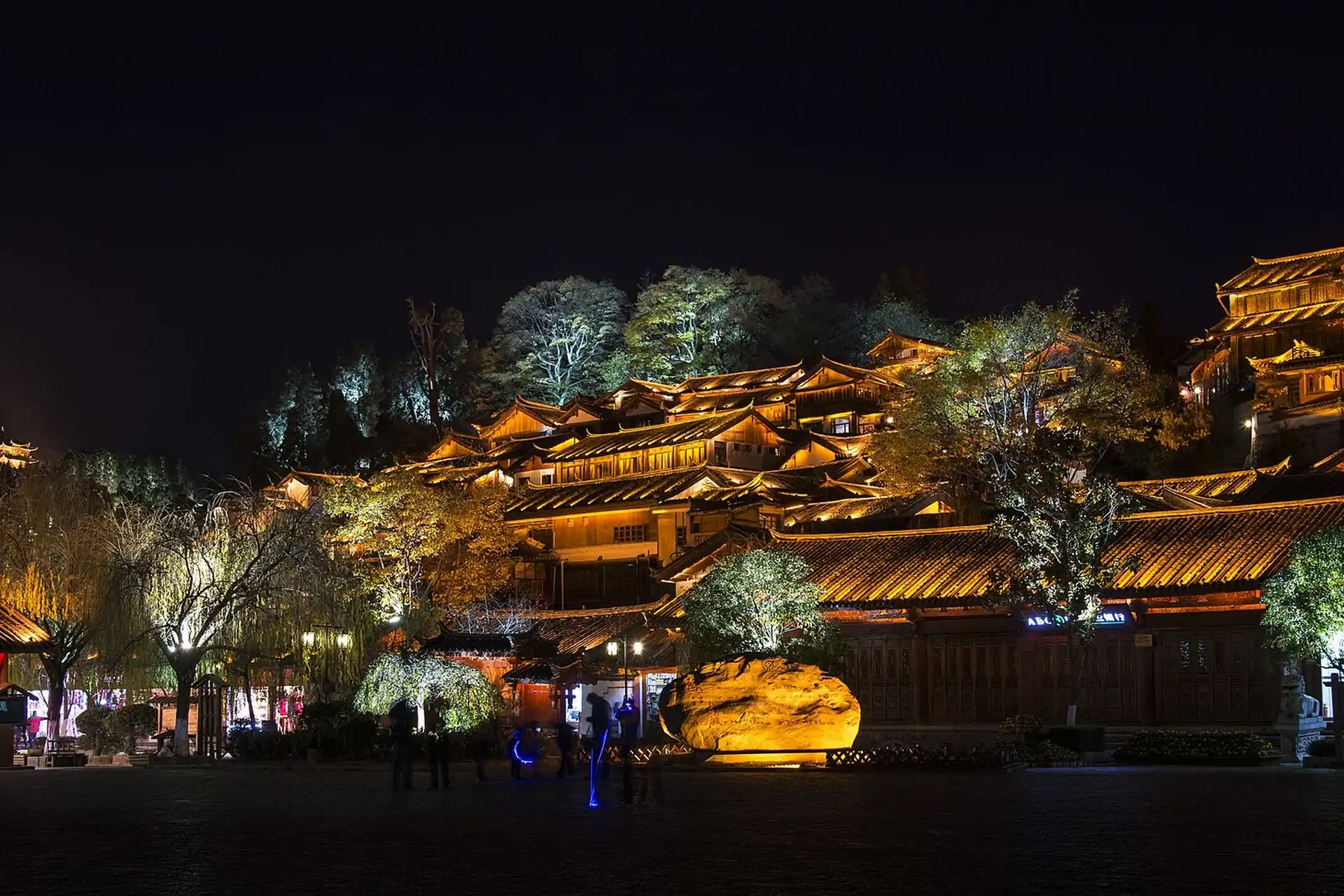
Lijiang Naxi Autonomous County Museum
The Lijiang Naxi Museum (丽江纳西族自治县博物馆) is in Lijiang, Yunnan Province, at the edge of the UNESCO-listed Lijiang Old Town (大研古城). Lijiang was the center of the Naxi (纳西) people, an ancient minority culture with their own script (Dongba / 东巴文), music tradition, and water management system. The museum documents: (1) the Naxi Dongba script — the only living hieroglyphic writing system in the world; (2) the ancient Naxi music tradition (纳西古乐); (3) the Tea Horse Road (茶马古道) trade routes that passed through Lijiang; (4) the traditional Naxi courtyard architecture.
Lijiang · history museum2026-10-18
Quick Answer
Is Lijiang Naxi Autonomous County Museum worth visiting?
Museum of Naxi minority culture at the edge of the UNESCO-listed Lijiang Old Town, documenting the Dongba script and the traditional Naxi music; details verified in 2026.
Quick facts
| Category | history |
|---|---|
| Ticket | Free. Passport required. Walk-in. |
| Hours | 9:00-17:00. Closed Mondays. |
| Recommended duration | 1-1.5 hours. |
| Best time to visit | October through March. Lijiang is at 2,400m elevation — spring (March-May) and autumn (September-November) are best. Summer has heavy rain. |
| How to get there | Bus route 2 or 8 to Lijiang Old Town (大研古城) stop. From Lijiang Railway Station by DiDi: ¥20-30. |
| English signage | Partial |
Why visit
The Naxi Dongba script is the only living hieroglyphic writing system in the world — older than the甲骨文 (oracle bone script) in some character forms. The museum provides essential context for understanding Lijiang's old town UNESCO designation.
Collection highlights
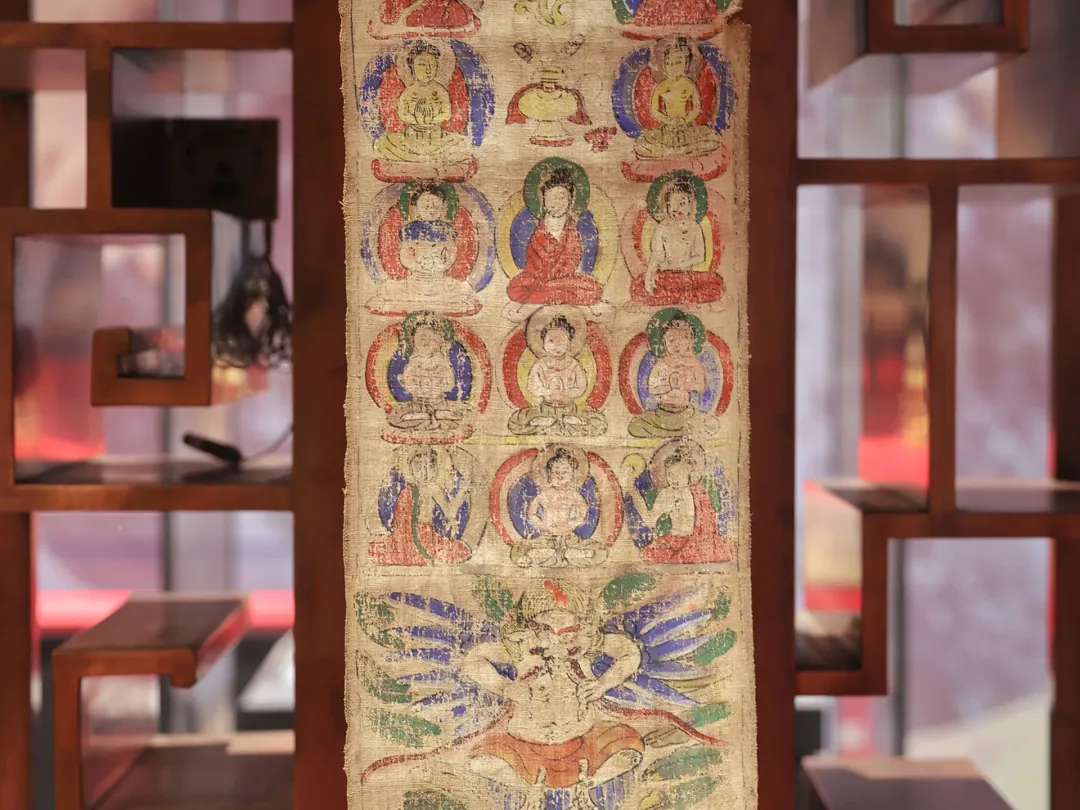
- Dongba script manuscripts — the ancient Naxi hieroglyphic manuscripts used by Dongba priests for rituals
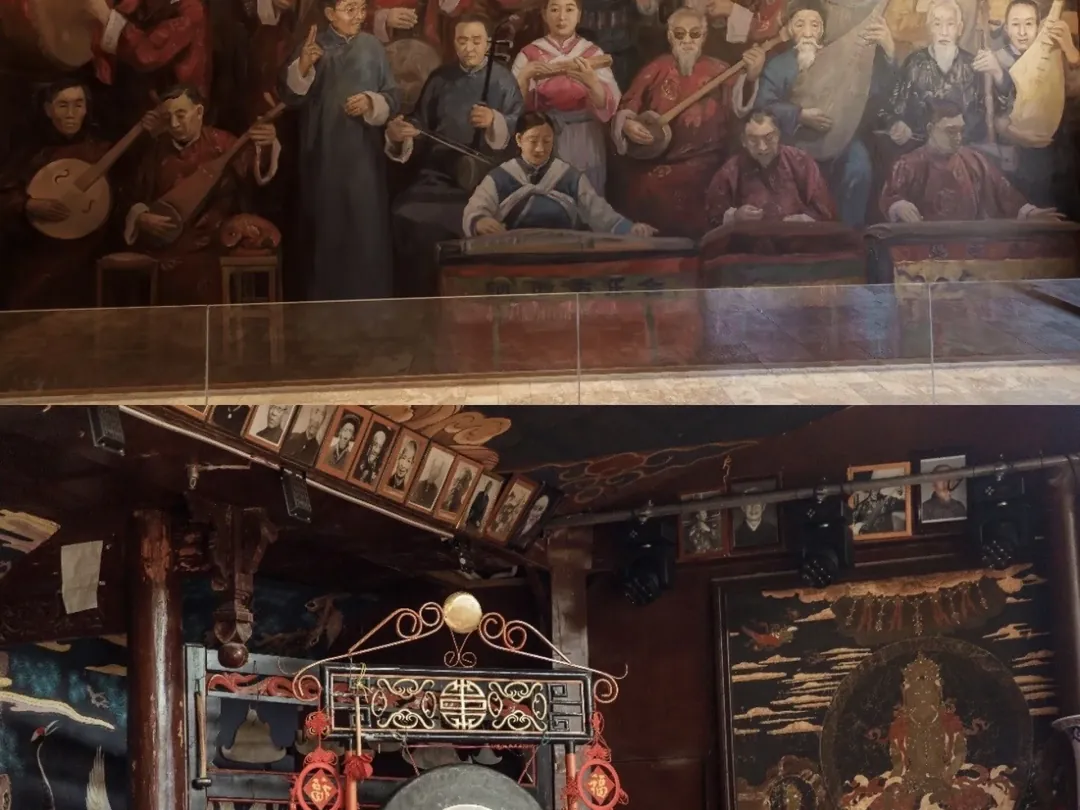
- Naxi ancient music (纳西古乐) instruments — traditional instruments used in the ancient Naxi music tradition
- Tea Horse Road trade objects — objects documenting the ancient trade between Yunnan and Tibet
- Naxi traditional costume — embroidered Naxi costumes with the distinctive "tassel" (披星戴月) sun-and-moon back piece
- Ancient Naxi water engineering — models showing the 800-year-old water management system that supplies Lijiang's canals
Tips
- Combine with the Lijiang Old Town (大研古城) — the UNESCO World Heritage ancient town is adjacent
- The Dongba script is still in use today — it can be seen on signage throughout Lijiang
- The "Naxi Ancient Music" (纳西古乐) performances at the Lijiang Theater are an evening cultural experience
Frequently asked questions
What is Dongba script?
Dongba (东巴文) is the only living hieroglyphic writing system in the world, used by the Naxi people of Yunnan. It has over 1,400 characters and is used by Dongba priests in religious manuscripts. It predates the development of the Chinese character system in some character forms.
What is the history of the Mupolice Station at Lijiang?
The Mupolice Station (木府) was the administrative center of the Naxi Kingdom during the Yuan, Ming, and Qing dynasties. Built in 1382, it modeled the Forbidden City in Beijing — the Naxi rulers were effectively local kings. The title "Mupolice" means "木府" (Mu-family) referencing the ruling family. The adjacent Shuhe Old Town (束河古镇) is quieter than Lijiang old town and worth visiting.
How do I visit the Mupolice Station and what is the combined Lijiang old town experience?
The Mupolice Station (木府) is inside Lijiang Old Town (大研古城). Entry ¥60 (includes audio guide). Allow 1.5 hours. Combine with the Lijiang Naxi Museum (free, 1 hour) at the edge of the old town for full Naxi cultural context. The best approach: Naxi Museum first for context, then Mupolice Station, then walk the canals and bridges of the old town. Evening brings music performances (纳西古乐) at the Lijiang Theater.
Read next
Other things to do in Lijiang
Jade Dragon Snow Mountain (Yulong)
A 5,596 m glaciated peak above Lijiang with a cable car to 4,506 m; 100-180 yuan by season — go at opening time to beat the clouds on this half-day trip.
Jade Dragon Snow Mountain (Yulong Xue Shan)
The 5,596m sacred mountain above Lijiang — glacier viewing, alpine meadows, and the 4,680m highland glacier park accessible by cable car. ¥100+ park entry. Half-day trip.
Lijiang Ancient Town (Dayan)
A UNESCO World Heritage site and home of the Naxi people — a living museum of canals, footbridges, courtyards and ancient Naxi music; the old-town maintenance fee is CNY 80.
Lugu Lake
An alpine lake on the Yunnan-Sichuan border and home of the Mosuo people, whose matrilineal 'walking marriage' traditions survive. Entry CNY 70 from the Yunnan side; allow 2-3 days.
Meili Snow Mountain (Kawagebo Peak)
Foremost of the eight sacred Tibetan mountains — main peak Kawagebo, at 6,740 m, is Yunnan's highest. Feilai Temple viewpoint CNY 40, Mingyong Glacier CNY 78; best October-May, allow 2-4 days.
Dukezong Ancient Town (Shangri-La Old Town)
A Tea Horse Road town founded in 676 — 1,300-plus years old, with China's largest Tibetan dwellings. Free entry (CNY 40 maintenance fee); Guishan Park's 21 m prayer wheel is the world's largest.
Tiger Leaping Gorge
One of the world's deepest gorges, where the Jinsha River tears between the Jade Dragon and Haba snow mountains. Entry CNY 45; allow 1-2 days to hike it properly.
Yubeng Village
Remote Tibetan village at 3,200m in the Meili Snow Mountain range. Only accessible by foot or 4WD. Sacred Kawagebo (6,740m) views. ¥60. 2-day minimum.
Museums in Lijiang
Lijiang Naxi Museum
Museum of Naxi minority culture at the UNESCO-listed Lijiang old town — the only living hieroglyphic writing (Dongba) and ancient "Tea Horse Road" trade. Free; details verified in 2026.
Lijiang Old Town Museum
The museum inside the UNESCO World Heritage Lijiang old town — documenting the Naxi civilization and the Dongba script. Free with old town entry; about 1 hour.