This page is archived and no longer updated — see the current guide: See the current guide
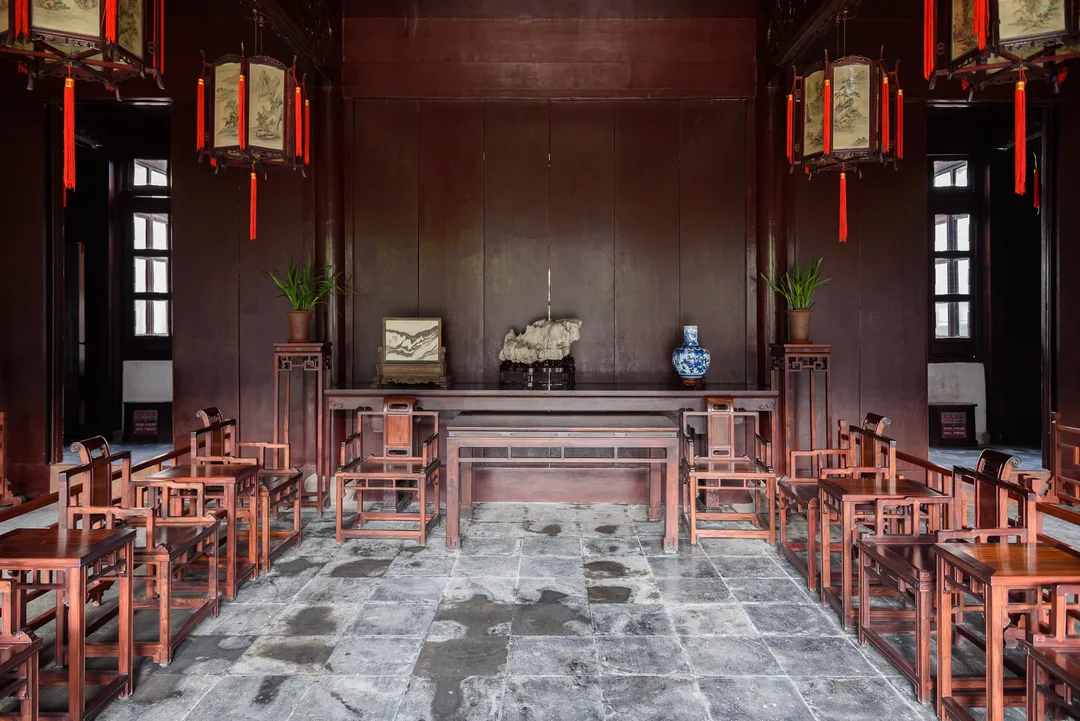
Humble Administrator's Garden拙政园
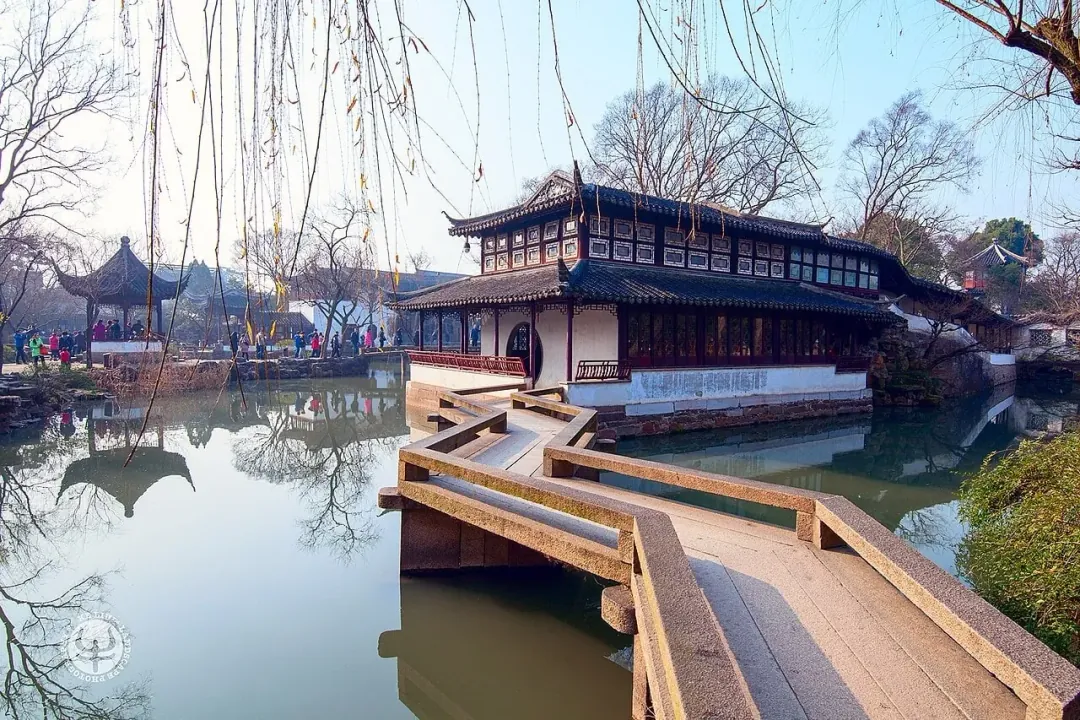
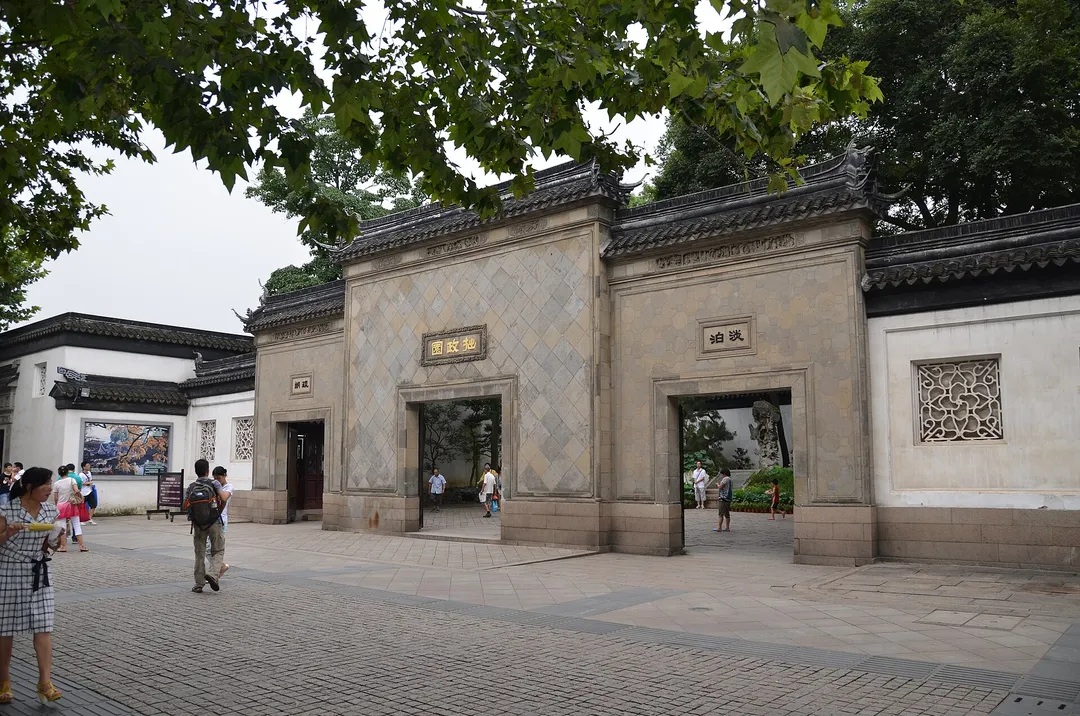
The Humble Administrator's Garden (Zhuōzhèng Yuán) is the largest of Suzhou's nine UNESCO Classical Gardens, covering 5.2 hectares in the centre of the city. Originally built in 1513 by Wang Xian, a retired official, it has been rebuilt multiple times after war and flood damage, most recently after WWII. The garden is a masterpiece of Chinese landscape design: pavilions, halls, corridors, and bridges arranged around a central lake (accounting for roughly one-third of the total area), with bamboo, cypress, and carefully trained rockeries providing year-round texture. It is at its most crowded on weekends and public holidays.
Suzhou · Visitor Guide2026-10-19
Quick Answer
Is Humble Administrator's Garden worth visiting?
The largest and most famous of Suzhou's classical gardens, a UNESCO World Heritage Site. Built in 1513, restored over centuries. Peak lotus in summer, quietest in winter.
Quick facts
| Ticket | Peak season (April, May, July, August, October, November): ¥110. Shoulder season (March, June, September): ¥90. Off-season (December–February): ¥70. Suzhou Garden Pass (¥100) covers Humble Administrator's, Lingering Garden, and 5 other gardens, valid 2 days. Children under 1.4m and seniors over 70 free with ID. |
|---|---|
| Hours | 07:30–17:30 (March–October), 08:00–17:00 (November–February); last entry 30 minutes before closing. |
| Recommended duration | 1.5–3 hours for a thorough visit. |
| Best time to visit | Weekday mornings year-round for quiet photography. April–May for azaleas and spring growth. October–November for autumn foliage. July–August for lotus on the central lake. Winters are quietest and cheapest but the garden is bare. |
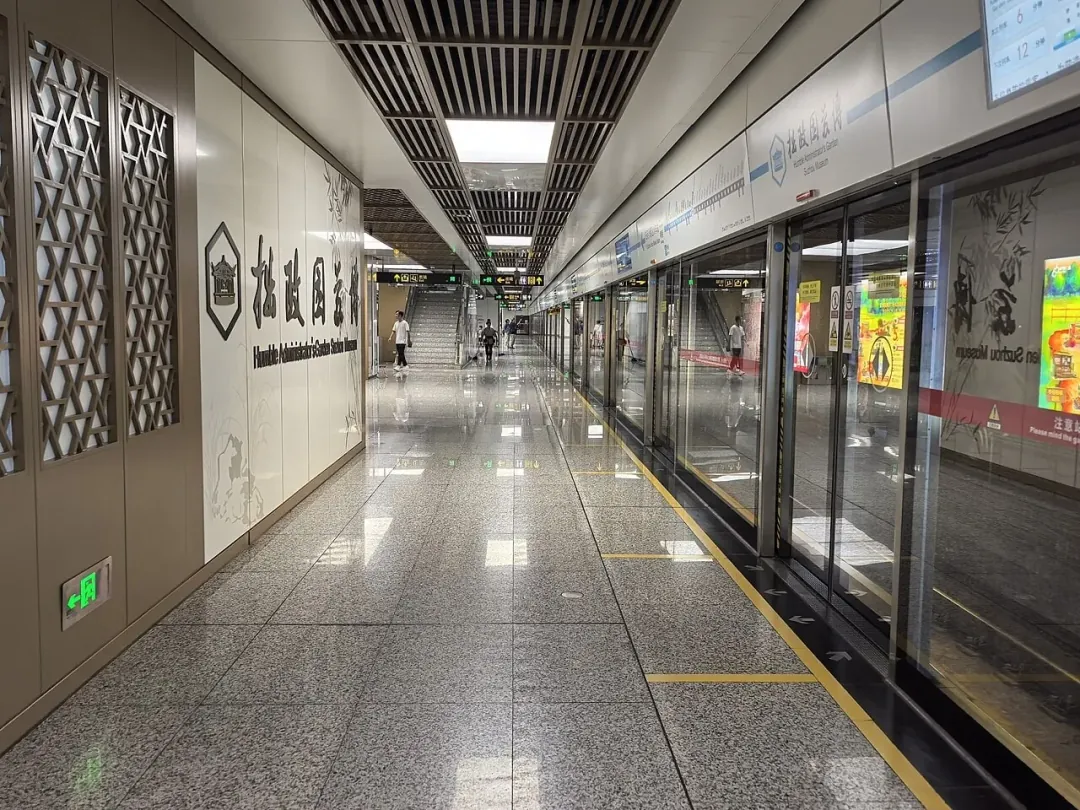
| How to get there | Metro Line 1 to Lindun Road (临顿路) Station, Exit 4, then 10-minute walk. Or Metro Line 1 to Suzhou Museum station, 15-minute walk via Renming Road. City buses 40, 313, 923 stop at Zhuozheng Yuan. From Suzhou Railway Station, a DiDi is ¥15–20 / 15 minutes. |
| English signage | Yes |
| Wheelchair accessible | Partial |
| Area | 5.2 hectares (52,000 m²) |
| Founded | 1513 by Wang Xian (retired Vice Minister of Rites) |
| UNESCO status | World Heritage Site since 1997 (Classical Gardens of Suzhou) |
| Pavilions | 31 distinct structures including halls, pavilions, corridors, and bridges |
| Water coverage | ~35% of garden area (central lake) |
| Rebuilds | Major restorations after 1860 Taiping Rebellion fire and 1950s–60s repairs |
What to expect
The garden is divided into three sections: the eastern part (now somewhat altered from the original), the central area (the heart of the garden — a lake with four islands connected by bridges and ringed by pavilions), and the western section (added in the Qing dynasty, centred on a large lotus pond). The central lake is the visual and structural centre — from any point on its shore you can see three or four other scenic points, a deliberate principle called "jingshe" (borrowed scenery). The 31 pavilions are named after poetic associations: Yu Yuan (Jade Garden), Wan Ge (Ten Thousand Cornices), Xiang Jia (Fragrant Shadows).
Historically, the garden's name (Humble Administrator) was a modest self-description by its founder Wang Xian, who retired from a government post rather than continue in the corrupt late-Ming bureaucracy. He spent the rest of his life developing the garden and, according to his own writing, found the simple life of a gentleman-gardener more honest than political service. The garden passed through many hands over the centuries — at one point it was divided into three separate properties — before being acquired by the Suzhou municipal government in 1949 and restored.
The summer lotus season (July–August) draws local Suzhou families to the western lotus pond. The best months for photography are April–May (azaleas, wisteria, fresh green) and October–November (ginkgo and maple turning amber). The garden is fully paved with smooth flagstones and compacted gravel paths; heels are inadvisable. A bilingual audio guide is available at the entrance (¥30 with ID deposit). The garden can be visited in combination with the adjacent Suzhou Museum (贝聿铭-designed building) in a single morning.
How to get there
Metro Line 1 to Lindun Road (临顿路) Station, Exit 4. Walk south along Lindun Road 5 minutes, then west on Renmmin Road (人民路) to the garden gate. The entrance is on Zhuozheng Yuan Road, clearly signed. From Suzhou North Railway Station, Metro Line 2 to Guangji Road then Line 1 — total 30 minutes. A DiDi from anywhere in central Suzhou costs ¥15–25.
Best photo spots
- The central lake from the Xiaoyuan (Distant View Pavilion) — the classic garden postcard shot showing the lake, islands, and layered pavilions
- The 400-year-old ginkgo tree in the northern section, best in November when it turns gold above the garden wall
- The carved marble bridge in the western lotus pond section, reflected in the still water at dawn
- The bamboo grove along the eastern garden path — tall and dense, filtering the afternoon light into green haze
Tips
- Go on a weekday morning (08:00–09:00) in April, May, or October for the best combination of light, foliage, and low crowds
- The garden gets extremely crowded on weekends (10:00–15:00) — if you must visit on a weekend, go at opening time or after 16:00
- Combine with the adjacent Suzhou Museum (free, designed by I.M. Pei) — the two complement each other and are a 3-hour morning
- The garden audio guide (¥30, ID deposit) is worth it for understanding the symbolic design principles — borrow from the entrance pavilion
- Wear flat, comfortable shoes — the garden paths are uneven in places and the bridges are narrow
Scams to avoid
- "Unofficial guides" at the metro station offering to skip the queue and provide a "professional" tour for ¥100 — buy tickets at the gate; the official guides at the garden cost ¥80 for a 90-minute tour and are licensed
- Souvenir sellers immediately outside the garden gate charging ¥30–50 for calligraphy reproductions that cost ¥5 inside town — walk further down Zhuozheng Yuan Road for better prices
- Drivers claiming the garden is closed and offering a "better" garden — verify opening hours before accepting
Frequently asked questions
Is the Humble Administrator's Garden worth visiting?
Yes — it is one of the finest classical Chinese gardens in existence and the largest of Suzhou's nine UNESCO gardens. If you only visit one garden in Suzhou, this should be it. The central lake, the layered pavilions, and the scale (5.2 hectares) make it meaningfully different from the smaller gardens.
Is it crowded?
Yes, especially on weekends and public holidays. Weekday mornings (08:00–10:00) are manageable. The garden has an online booking system (Suzhou Municipal Parks app) that allows you to skip the ticket queue — book at least a day ahead during peak season.
How long do I need?
1.5–3 hours. A quick visit (highlights only) takes 90 minutes; a thorough visit with audio guide takes 2.5–3 hours.
Is the garden wheelchair accessible?
Limited. The main paths are accessible, but some bridges and narrow corridors are not. The garden office provides wheelchair escort assistance — ask at the entrance gate.
What's the difference between Humble Administrator's Garden and Lingering Garden?
Humble Administrator's is the largest (5.2 ha) and most famous; Lingering Garden (留园) is smaller (2.3 ha) but considered the most exquisitely detailed. Both are UNESCO sites. If you have time for only one, Humble Administrator's is the more complete experience; if you can do two, Lingering Garden's rockeries and inscription-studded halls are exceptional complements.
Read next
Other things to do in Suzhou
Guanqian Street
Suzhou's most famous pedestrian shopping street — 800m of fashion retail, traditional teahouses, and local snacks from Lingering Garden to Yuhe Market. Free. 1–2 hours.
Hanshan Temple
Suzhou temple made famous by Zhang Ji's 8th-century poem about the midnight bell; free entry with a 20-yuan bell-ringing fee, open 08:00-17:00, near Maple Bridge on the Grand Canal.
Jinji Lake
A free, 24/7 urban lake ringed by a ~10 km promenade in Suzhou Industrial Park — plan 2-4 hours, and come at dusk for the fountain show.
Lingering Garden
Suzhou's most exquisitely detailed classical garden, smaller than Humble Administrator's but considered the finest. Peak-season entry ¥55; allow 1–2 hours for a thorough visit.
Luzhi Water Town
A working water town 25 km from Suzhou — less touristy than Zhouzhuang or Tongli, with authentic canal life, 41 bridges, and a famous morning market. Free to walk. ¥78 for attractions. 2–3 hours.
Master of Nets Garden
The smallest and most elegant of Suzhou's three premier UNESCO gardens — 0.5 hectares packed with spatial ingenuity. ¥40. Evening opera ¥100 (March–November). 1–2 hours.
Pan Gate Scenic Area
pan-gate in Beijing: Suzhou's only surviving ancient city gate complex — a 14th-century water-gate and land-gate double system with a 40m pagoda. ¥45. 1.5–2 hours.
Pingjiang Road Historic District
Suzhou's most authentic preserved canal neighborhood — 1.6 km of Ming Dynasty canals, ancient bridges, and boutique shops in a living residential area. Free. 1–2 hours.
Qinghua Temple
A serene 6th-century Buddhist temple in Suzhou's western hills — less visited than Hanshan Temple, with ancient pagodas, camellia gardens, and mountain trails. Free. 2–3 hours.
Shantang Street
Suzhou's most famous canal street — 360m of Ming-Qing architecture lining a living waterway, from Pan Gate to Tiger Hill. Free to walk. 1–2 hours.
Suzhou Museum
I.M. Pei came out of retirement to design this museum (opened October 2006), where modernist geometry meets Suzhou garden aesthetics — the sliced-stone courtyard wall is the single most photogra.
Tiger Hill (Huqiu)
Suzhou's storied hill with the 1000-year-old Yunyan Pagoda leaning 3.59 degrees; tomb of King Helu from 496 BC, entry 70 yuan, allow half a day, 5 minutes from Tiger Hill metro station.
Tongli Water Town
A preserved 1,000-year-old water town 30 km from Suzhou — 15 rivers, 49 bridges, 7 islands. ¥100 for all attractions. 3–4 hours minimum.
Zhouzhuang Water Town
The most famous Jiangnan water town — 1 sq km of canals, 100 bridges, and 800-year-old architecture. ¥100 for entry. 3–4 hours minimum. Can be done as a day trip from Shanghai.
Museums in Suzhou
Suzhou Museum
Suzhou's world-class art museum in a landmark I.M. Pei building — Suzhou cultural relics, classical scholar objects, and rotating exhibitions. Free with passport; 2–3 hours.
Suzhou Silk Museum
suzhou-silk-museum in Suzhou: "Watch live silkworms spin cocoons, then trace 4,000 years of silk from mulberry leaf to imperial dragon robe — all free.