This page is archived and no longer updated — see the current guide: See the current guide
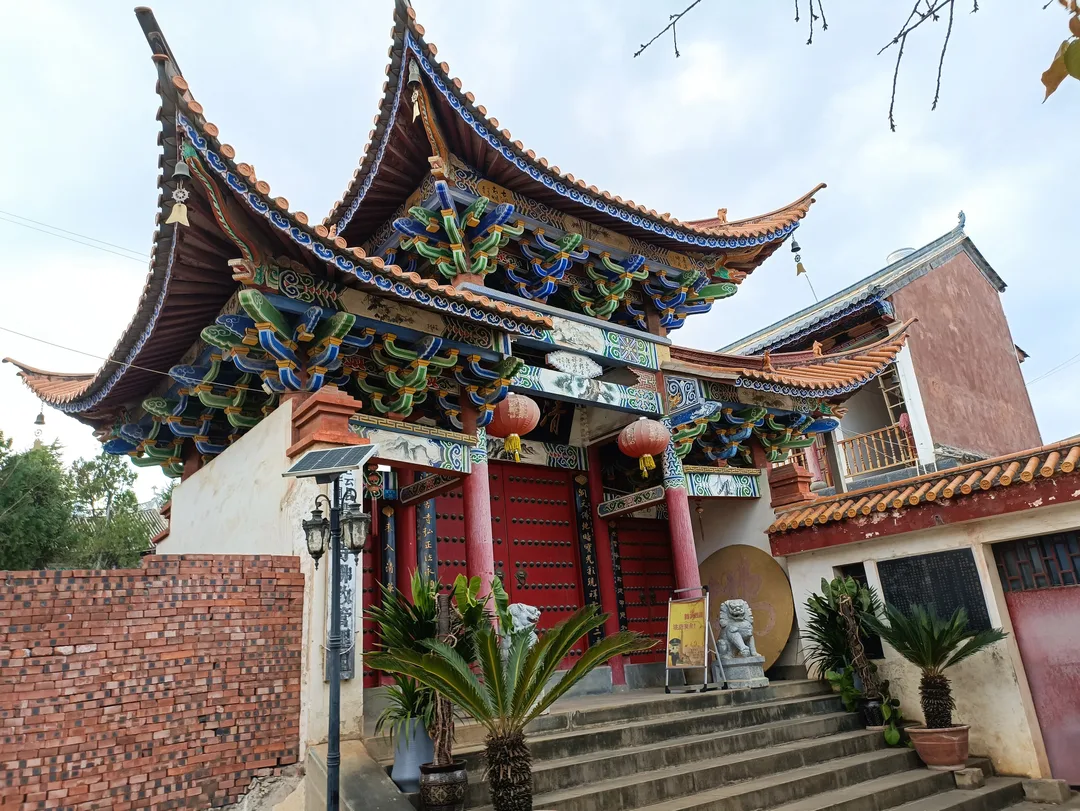
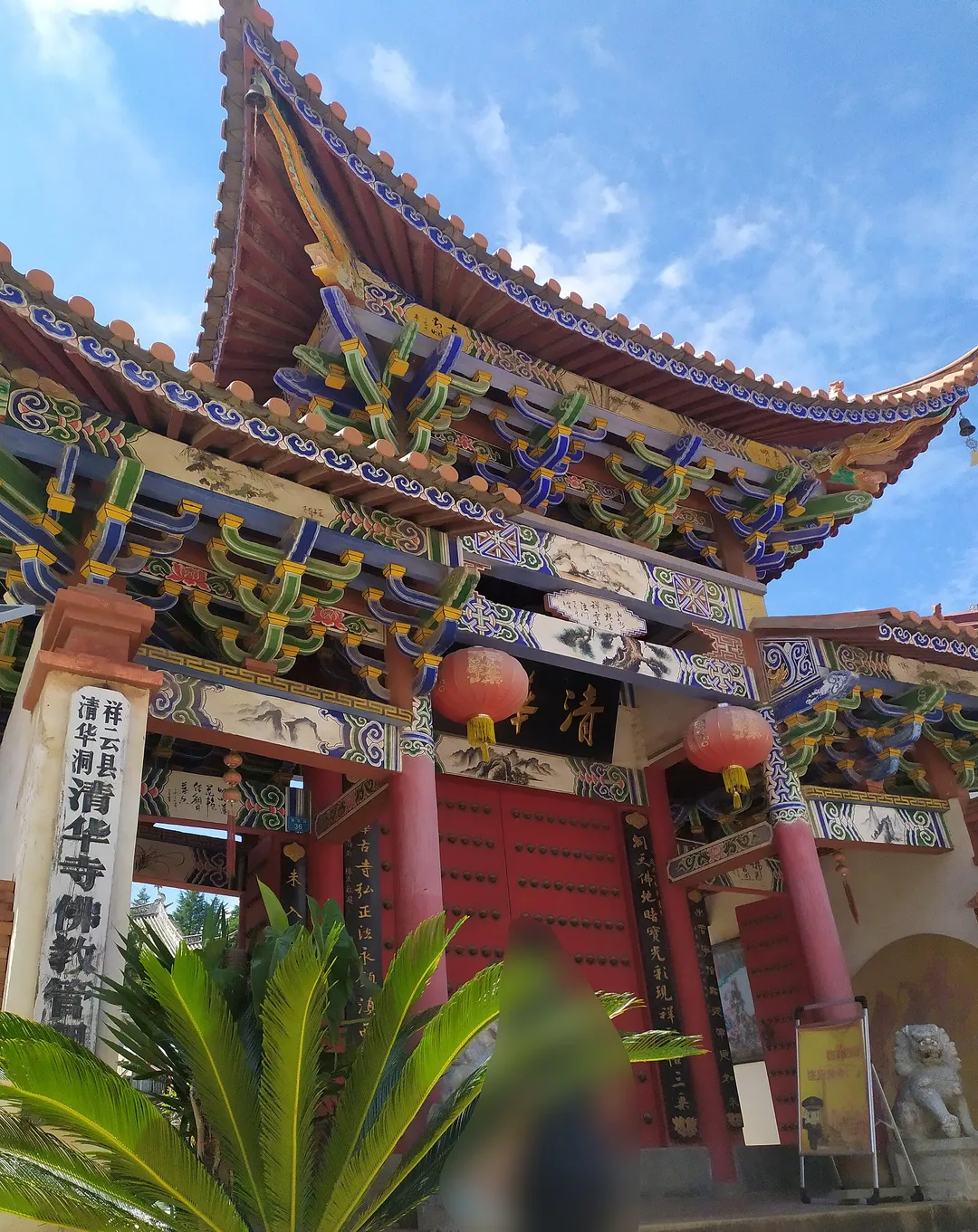
Qinghua Temple清华寺
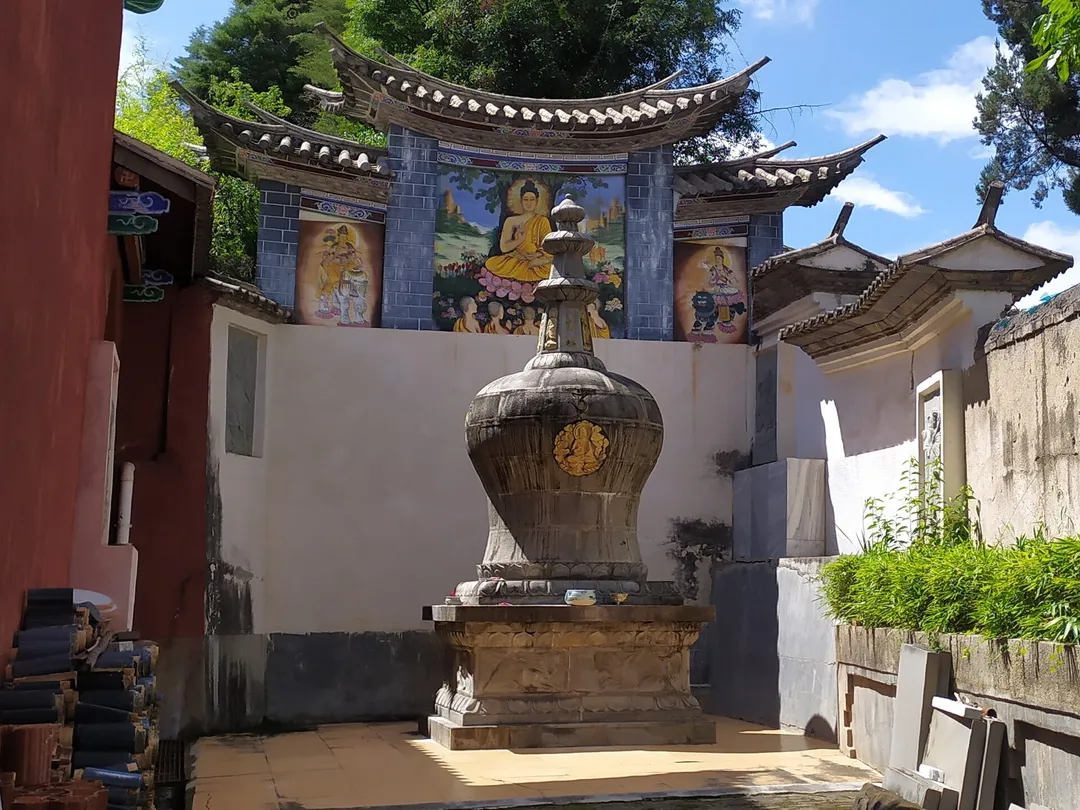
Qinghua Temple (清华寺), also known as Yunyan Temple (云岩寺), is a 6th-century Buddhist temple on the western slopes of Suzhou's old city, founded during the Liang Dynasty (502–557 CE). The temple is set within a forested hillside, making it feel more like a mountain temple despite being within the city limits. Its most notable features are the ancient Yunyan Pagoda (云岩塔), a 40-meter Song Dynasty pagoda in a state of picturesque ruin, and the temple's extensive camellia garden — camellias have been cultivated here for over 500 years and bloom spectacularly in February–March. It is significantly less visited than Hanshan Temple and offers a more contemplative experience.
Suzhou · Visitor Guide2026-10-19
Quick Answer
Is Qinghua Temple worth visiting?
A serene 6th-century Buddhist temple in Suzhou's western hills — less visited than Hanshan Temple, with ancient pagodas, camellia gardens, and mountain trails. Free. 2–3 hours.
Quick facts
| Ticket | Free — no admission charge. Donations to the temple are welcome. The Yunyan Pagoda grounds may have a small maintenance fee (¥10–20). |
|---|---|
| Hours | 06:00–18:00 (April–October), 07:00–17:30 (November–March). Temple grounds open throughout the day. |
| Recommended duration | 2–3 hours. The temple itself takes 1–1.5 hours; combined with the mountain trail and camellia garden, allow 2–3 hours. |
| Best time to visit | February–March for camellia bloom — the temple's signature season when the hillside is covered in red and pink camellias. April–May for spring foliage. Autumn (October–November) for comfortable temperatures and autumn colors. Summer is hot but the forested hillside provides shade. Early morning (07:00–08:30) for the most peaceful experience. |
| How to get there | Bus 33, 44, 300, 313 to Qinghua Temple (清华寺) stop — the bus route passes Hanshan Temple and continues west. Alternatively, from Tiger Hill: walk west along the canal road for 15 minutes. No metro station within walking distance — bus is the best option. |
| English signage | limited — the temple has some English signage but many signs are Chinese only. The monks are accustomed to Chinese-speaking visitors. |
| Wheelchair accessible | no — the temple is on a hillside with steep paths, stone steps, and uneven terrain. Not suitable for wheelchairs. |
| Founded | 6th century (Liang Dynasty, 502–557 CE) |
| Pagoda | Yunyan Pagoda (云岩塔), 40m Song Dynasty structure, partially ruined |
| Famous for | 500-year-old camellia garden; February–March bloom |
| Location | Western slope of old Suzhou, near Tiger Hill |
| Character | Mountain temple atmosphere despite being within city limits |
What to expect
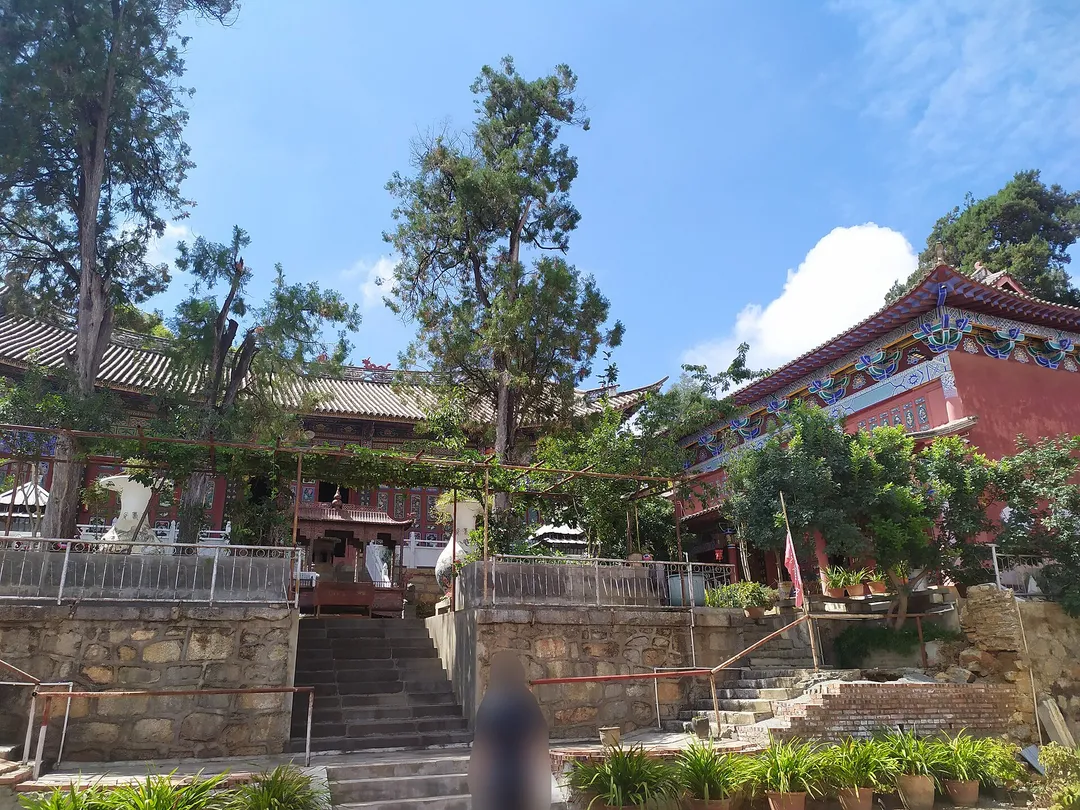
Qinghua Temple was founded in the 6th century during the Liang Dynasty and has been a site of continuous Buddhist worship for over 1,500 years. Unlike the urban temples of the classical garden district, Qinghua Temple sits on a forested hillside, its buildings cascading down the slope in a traditional mountain temple layout (山地寺庙布局). The setting is remarkably green — the temple's Chinese name literally means "Clear Splendor Temple," and the hillside is covered in ancient camellia trees, bamboo groves, and cypress pines that predate many of the current buildings.
The Yunyan Pagoda (云岩塔) behind the main temple is the site's most dramatic feature — a 40-meter, seven-story Song Dynasty pagoda (circa 1000 CE) that leans noticeably and has been in a state of picturesque partial ruin since at least the 17th century. Unlike the Cloud Tower Pagoda at Tiger Hill (which is monitored and stabilized), Yunyan Pagoda has been allowed to deteriorate naturally, with vegetation growing from its crumbling brickwork. The effect is hauntingly beautiful — a Tang Dynasty pagoda slowly being reclaimed by the hillside, surrounded by camellia trees. The pagoda cannot be climbed but is visible from multiple angles within the temple grounds.
The temple's camellia garden (茶花园) is its second signature feature. Camellias have been cultivated here for over 500 years, and the hillside has hundreds of mature camellia trees that bloom spectacularly in February–March. The red and pink flowers against the grey pagoda and dark cypress branches create one of the most photogenic scenes in Suzhou during late winter. The temple is rarely visited by foreign tourists and maintains a contemplative atmosphere that the more famous Hanshan Temple lacks.
How to get there
Bus 33, 44, 300, 313 to Qinghua Temple (清华寺) stop. The temple is on the hillside west of the main road, accessible via a short uphill path from the bus stop. From Tiger Hill: walk west along the canal road for 15 minutes, passing through the枫桥 area. From Hanshan Temple: continue west on Bus 33 or 44 for 10 minutes. No metro connection — bus is required.
Best photo spots
- The Yunyan Pagoda from the lower temple courtyard — the leaning pagoda with camellia trees in foreground (best February–March)
- The camellia garden hillside — hundreds of blooming camellia trees with the pagoda above
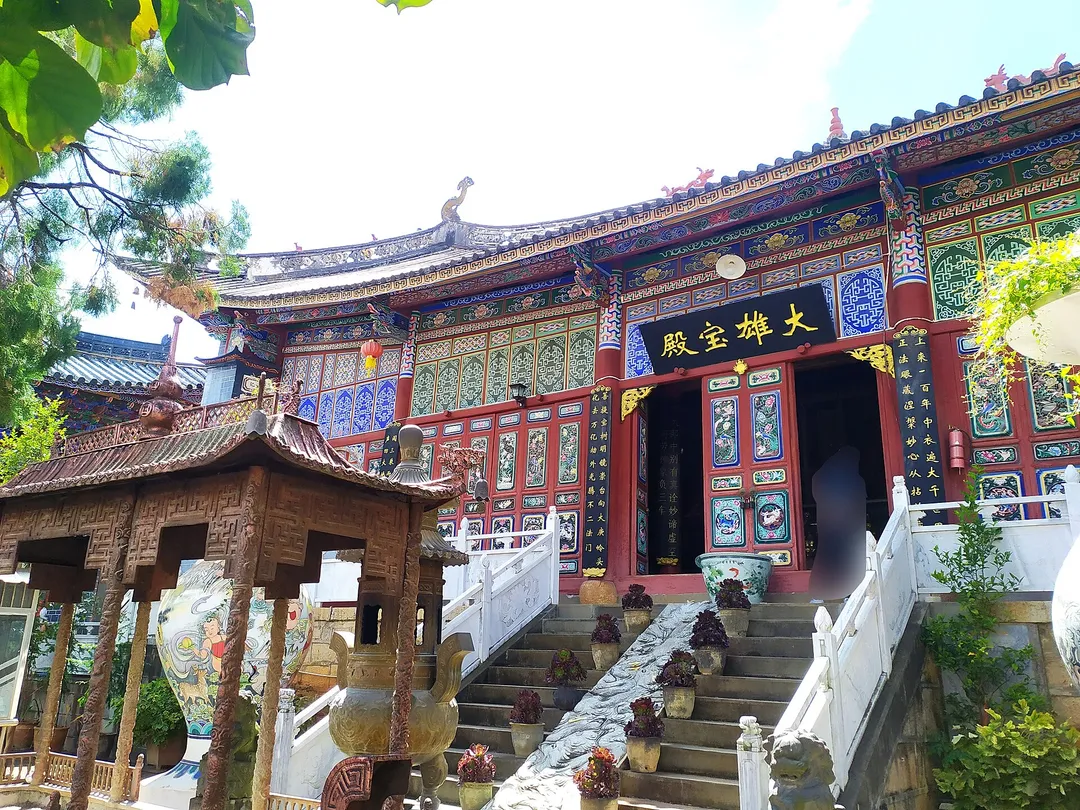
- The main temple hall from the upper courtyard — traditional Buddhist architecture against the forested hillside
- The mountain trail behind the temple — panoramic view over western Suzhou from the hilltop platform
Tips
- Come in February–March specifically for the camellia bloom — this is the temple's signature season and the most photogenic time
- Combine with Tiger Hill and/or Hanshan Temple — they are all in the western Suzhou corridor and can be visited in one day
- The temple is significantly less visited than the gardens — come here for solitude and contemplation rather than historic spectacle
- Wear comfortable walking shoes — the temple involves steep paths and steps
- Allow 2–3 hours — the temple, pagoda, and camellia garden take time to explore
Scams to avoid
- There are very few tourism scams at Qinghua Temple — it is a working Buddhist temple with a local congregation
- Standard caution: do not purchase "antique" items from anyone near the temple
- Fortune-telling services may be offered near the temple entrance — decline politely if not interested
Frequently asked questions
How is Qinghua Temple different from Hanshan Temple?
Hanshan Temple is famous for a poem and the New Year's Eve bell-ringing ceremony — it is a cultural destination. Qinghua Temple is a working Buddhist temple on a forested hillside with a leaning ancient pagoda and a famous camellia garden. Hanshan is larger and better known; Qinghua is more serene, more natural, and less visited. They are 20 minutes apart by bus and complement each other well.
What is the Yunyan Pagoda?
The Yunyan Pagoda (云岩塔) is a 40-meter, seven-story Song Dynasty pagoda (circa 1000 CE) located behind Qinghua Temple. It leans noticeably and has been in a state of partial ruin since at least the 17th century. Unlike the Cloud Tower Pagoda at Tiger Hill, it has not been stabilized and is slowly being reclaimed by vegetation. It cannot be climbed, but its atmospheric ruin is one of the most-photographed ancient structures in Suzhou.
When is the best time for the camellia garden?
February–March, when the camellias bloom spectacularly. The temple has cultivated camellias for over 500 years and the hillside is covered in red and pink blooms during this period. The sight of the ancient pagoda surrounded by blooming camellias is the temple's signature image.
Is the temple wheelchair accessible?
No. The temple is on a hillside with steep paths, stone steps, and uneven terrain. It is not suitable for wheelchair users.
Can I combine this with Tiger Hill and Hanshan Temple?
Yes — all three are in the western Suzhou corridor along the same canal road (西塘路/寒山寺路). They can be visited in one day: Tiger Hill in the morning, Qinghua Temple mid-morning, Hanshan Temple for lunch/early afternoon, and Shantang Street in the late afternoon/evening.
Read next
Other things to do in Suzhou
Guanqian Street
Suzhou's most famous pedestrian shopping street — 800m of fashion retail, traditional teahouses, and local snacks from Lingering Garden to Yuhe Market. Free. 1–2 hours.
Hanshan Temple
Suzhou temple made famous by Zhang Ji's 8th-century poem about the midnight bell; free entry with a 20-yuan bell-ringing fee, open 08:00-17:00, near Maple Bridge on the Grand Canal.
Humble Administrator's Garden
The largest and most famous of Suzhou's classical gardens, a UNESCO World Heritage Site. Built in 1513, restored over centuries. Peak lotus in summer, quietest in winter.
Jinji Lake
A free, 24/7 urban lake ringed by a ~10 km promenade in Suzhou Industrial Park — plan 2-4 hours, and come at dusk for the fountain show.
Lingering Garden
Suzhou's most exquisitely detailed classical garden, smaller than Humble Administrator's but considered the finest. Peak-season entry ¥55; allow 1–2 hours for a thorough visit.
Luzhi Water Town
A working water town 25 km from Suzhou — less touristy than Zhouzhuang or Tongli, with authentic canal life, 41 bridges, and a famous morning market. Free to walk. ¥78 for attractions. 2–3 hours.
Master of Nets Garden
The smallest and most elegant of Suzhou's three premier UNESCO gardens — 0.5 hectares packed with spatial ingenuity. ¥40. Evening opera ¥100 (March–November). 1–2 hours.
Pan Gate Scenic Area
pan-gate in Beijing: Suzhou's only surviving ancient city gate complex — a 14th-century water-gate and land-gate double system with a 40m pagoda. ¥45. 1.5–2 hours.
Pingjiang Road Historic District
Suzhou's most authentic preserved canal neighborhood — 1.6 km of Ming Dynasty canals, ancient bridges, and boutique shops in a living residential area. Free. 1–2 hours.
Shantang Street
Suzhou's most famous canal street — 360m of Ming-Qing architecture lining a living waterway, from Pan Gate to Tiger Hill. Free to walk. 1–2 hours.
Suzhou Museum
I.M. Pei came out of retirement to design this museum (opened October 2006), where modernist geometry meets Suzhou garden aesthetics — the sliced-stone courtyard wall is the single most photogra.
Tiger Hill (Huqiu)
Suzhou's storied hill with the 1000-year-old Yunyan Pagoda leaning 3.59 degrees; tomb of King Helu from 496 BC, entry 70 yuan, allow half a day, 5 minutes from Tiger Hill metro station.
Tongli Water Town
A preserved 1,000-year-old water town 30 km from Suzhou — 15 rivers, 49 bridges, 7 islands. ¥100 for all attractions. 3–4 hours minimum.
Zhouzhuang Water Town
The most famous Jiangnan water town — 1 sq km of canals, 100 bridges, and 800-year-old architecture. ¥100 for entry. 3–4 hours minimum. Can be done as a day trip from Shanghai.
Museums in Suzhou
Suzhou Museum
Suzhou's world-class art museum in a landmark I.M. Pei building — Suzhou cultural relics, classical scholar objects, and rotating exhibitions. Free with passport; 2–3 hours.
Suzhou Silk Museum
suzhou-silk-museum in Suzhou: "Watch live silkworms spin cocoons, then trace 4,000 years of silk from mulberry leaf to imperial dragon robe — all free.