This page is archived and no longer updated — see the current guide: See the current guide
Suzhou Museum
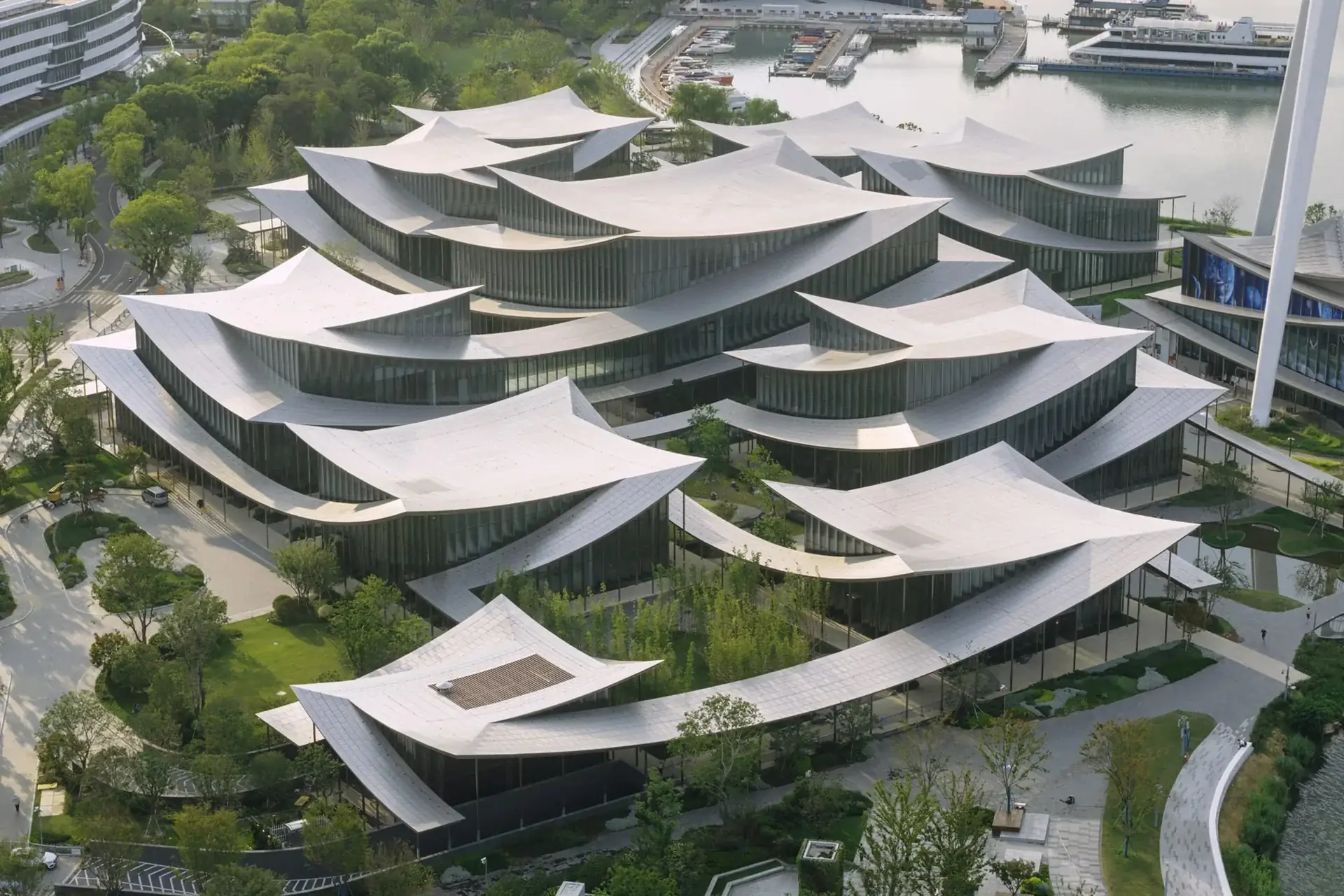
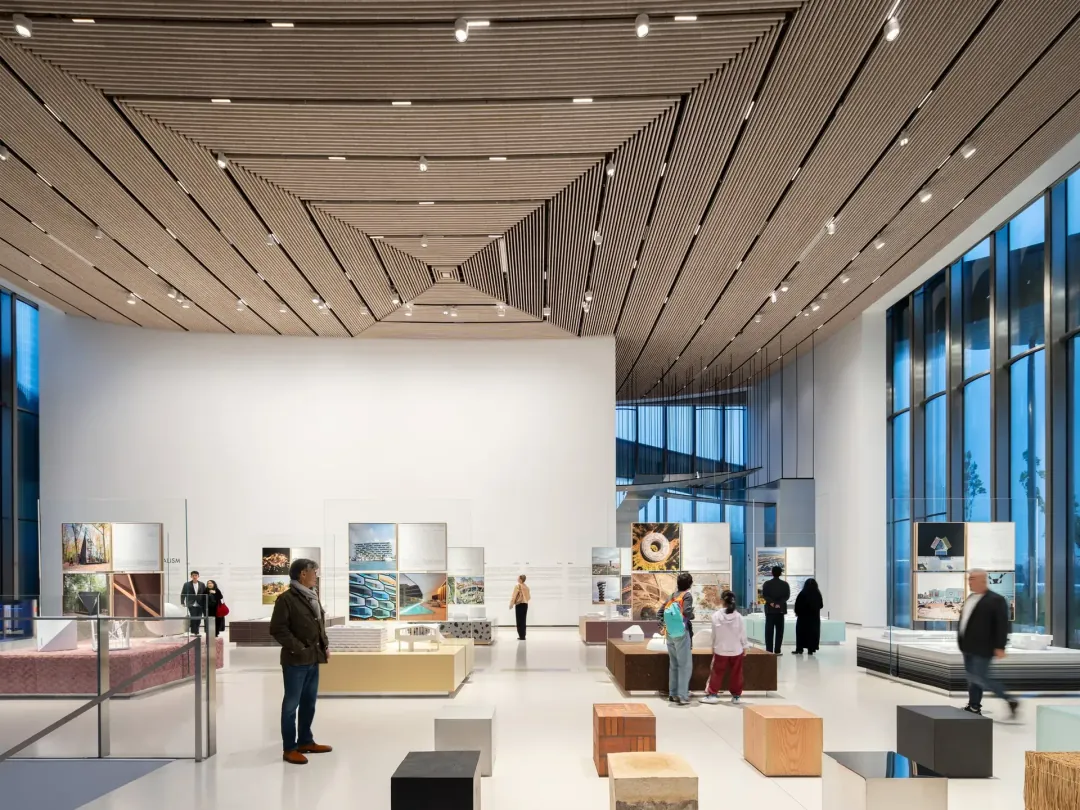
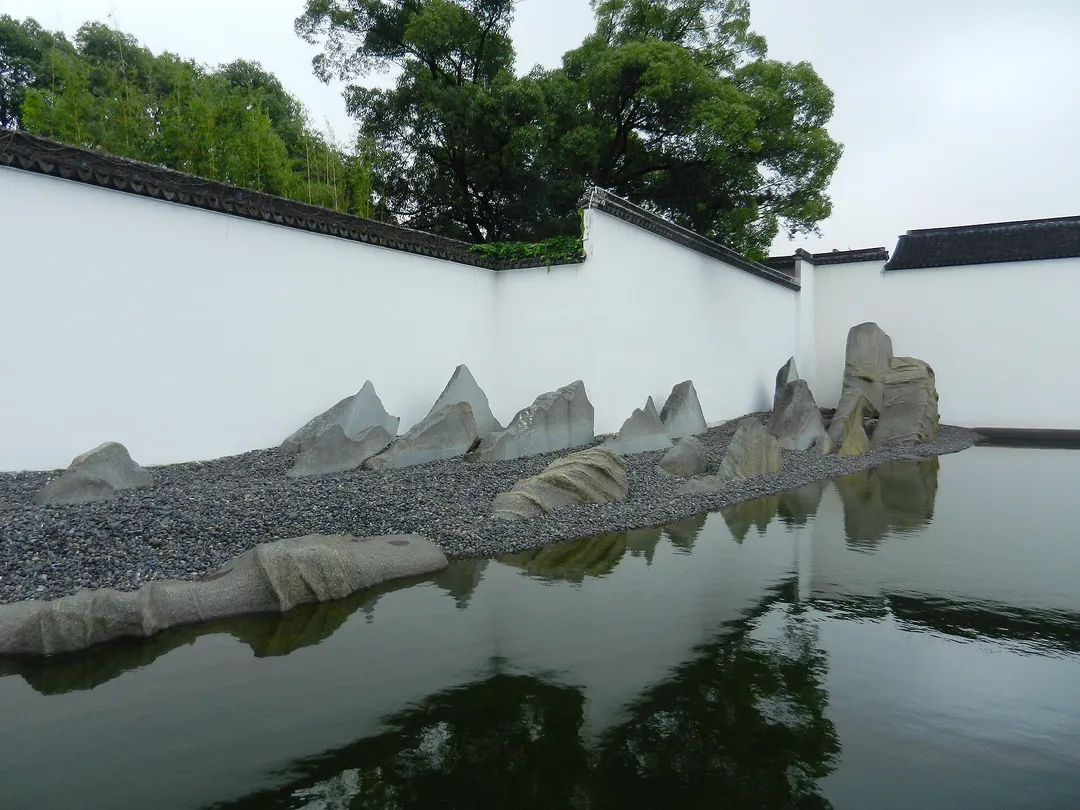
The Suzhou Museum (苏州博物馆) opened in 2006 in the shadow of the Humble Administrator's Garden (拙政园), designed by the architect I.M. Pei in a controversial modernist style that incorporated traditional Suzhou architectural elements. The museum is both an architectural landmark and a world-class art museum, housing the collection of the Wu (Wu Culture / 吴文化) region — the distinctive Suzhou-Kunshan-Shanghai culture area centered on silk production, scholar's garden aesthetics, and canal towns. The core collections are: (1) Suzhou and Wu culture artifacts — objects from the 5,000-year-old Liangzhu culture through the modern Suzhou period; (2) Ming and Qing dynasty calligraphy and painting from the Wu School; (3) the finest collection of Suzhou embroidery (苏绣) in China; (4) Ming and Qing scholar's garden art and furniture.
Suzhou · history museum2026-10-19
Quick Answer
Is Suzhou Museum worth visiting?
Suzhou's world-class art museum in a landmark I.M. Pei building — Suzhou cultural relics, classical scholar objects, and rotating exhibitions. Free with passport; 2–3 hours.
Quick facts
| Category | history |
|---|---|
| Ticket | Free. Passport required. Timed entry via Suzhou Museum WeChat mini-program. Very limited same-day tickets. |
| Hours | 9:00-17:00 (last entry 16:00). Closed Mondays. |
| Recommended duration | 2-3 hours. |
| Best time to visit | April through October. Suzhou is extremely hot and humid in summer (June-August, 35°C+). Spring (April-May) and autumn (September-October) are ideal. The "Taihu" (太湖) area nearby is beautiful in autumn. Suzhou is a 25-minute train from Shanghai. |
| How to get there | Bus routes 55, 178, 202, 262, 305, 309, 313, 518, 529, 690, 923, 925, 933, 游1, 游2, 游5 to Suzhou Museum stop (苏州博物馆站). From Suzhou Railway Station by DiDi: ¥20-30. From Shanghai Hongqiao Station by high-speed train: 25 minutes. |
| English signage | Yes |
Why visit
The I.M. Pei building alone is worth the visit — its geometric forms and traditional Suzhou rooflines created a new architectural language for Chinese museums. Combined with the adjacent Humble Administrator's Garden (UNESCO World Heritage site), this is the definitive Wu Culture (吴文化) experience in China.
Collection highlights
- I.M. Pei architectural design — the building itself is a work of contemporary Chinese architecture, incorporating traditional Suzhou rooflines, water features, and geometric forms in a distinctly modernist language
- Wu Culture archaeological artifacts — objects from the 5,000-year-old Liangzhu culture and the ancient Wu Kingdom (吴国) period when Suzhou was the capital
- Suzhou embroidery (苏绣) collection — the finest collection of Suzhou's "Su embroidery" in China, including works by the famous "Suzhou Four Embroidery Masters" (苏州刺绣四大家)
- Ming and Qing dynasty calligraphy and painting — works by the Wu School including Shen Zhou, Wen Zhengming, and Tang Yin from the Ming Dynasty
- Scholar's garden elements — architectural elements, stone carvings, and decorative objects from Suzhou's famous classical gardens (UNESCO World Heritage)
- "Five Goat" (五羝) Liangzhu jade collection — jade cong, bi, and carved objects from the 5,000-year-old Liangzhu culture found near Suzhou
Tips
- Combine with the Humble Administrator's Garden (拙政园, adjacent) and the Lion Grove Garden (狮子林, 10-minute walk) for a full day of Suzhou garden culture
- Book at least 3 days in advance — the Suzhou Museum is one of the most popular museums in China with 5 million annual visitors
- The garden is best visited in spring (April-May) when the wisteria and lotus are in bloom
- Suzhou is famous for its canals — combine with a boat ride on the ancient canal (古运河) and the Pingjiang Road (平江路) historic canal street
- The museum has an excellent restaurant (吴门人家) in the adjacent garden area
- Photography is permitted in the museum but prohibited in the adjacent garden
Frequently asked questions
How was I.M. Pei's museum design received?
Controversial when completed. The modernist geometric building with sharp angles was initially criticized by some as jarring against the traditional garden environment. Over time it has become widely appreciated — it is now one of China's most-photographed museums and a case study in how contemporary architecture can dialogue with tradition. It won the Pritzker Prize for Architecture.
What is Wu Culture?
Wu Culture (吴文化) is the distinctive cultural tradition of the Suzhou-Shanghai-Kunshan region of Jiangsu province, dating to the ancient Wu Kingdom (吴国, 6th-5th century BCE). It is characterized by: (1) silk production (Suzhou silk is famous); (2) scholar's garden aesthetics (the famous Suzhou classical gardens); (3) the Suzhou dialect (distinct from Mandarin); (4) the water town canal network; (5) the Suzhou style of Kunqu opera (昆曲).
How does Suzhou Museum compare to the Suzhou Gardens?
The Suzhou Museum is an art museum with collections of Wu Culture artifacts, embroidery, and calligraphy. The classical gardens (拙政园, 留园, 狮子林) are living garden environments. They complement each other perfectly — the museum provides context for the culture that created the gardens; the gardens are the physical environment that the culture produced.
Does Suzhou Museum have English signage?
Yes — the Suzhou Museum has English signage and offers English-language guided tours. Audio guides in English are available (¥50 deposit).
Can I visit Suzhou as a day trip from Shanghai?
Yes — Shanghai Hongqiao Station to Suzhou by high-speed train is 25 minutes. A day trip can cover: Suzhou Museum (morning) + Humble Administrator's Garden (early afternoon) + boat ride on Pingjiang Road (late afternoon). This is a popular itinerary.
Read next
Other things to do in Suzhou
Guanqian Street
Suzhou's most famous pedestrian shopping street — 800m of fashion retail, traditional teahouses, and local snacks from Lingering Garden to Yuhe Market. Free. 1–2 hours.
Hanshan Temple
Suzhou temple made famous by Zhang Ji's 8th-century poem about the midnight bell; free entry with a 20-yuan bell-ringing fee, open 08:00-17:00, near Maple Bridge on the Grand Canal.
Humble Administrator's Garden
The largest and most famous of Suzhou's classical gardens, a UNESCO World Heritage Site. Built in 1513, restored over centuries. Peak lotus in summer, quietest in winter.
Jinji Lake
A free, 24/7 urban lake ringed by a ~10 km promenade in Suzhou Industrial Park — plan 2-4 hours, and come at dusk for the fountain show.
Lingering Garden
Suzhou's most exquisitely detailed classical garden, smaller than Humble Administrator's but considered the finest. Peak-season entry ¥55; allow 1–2 hours for a thorough visit.
Luzhi Water Town
A working water town 25 km from Suzhou — less touristy than Zhouzhuang or Tongli, with authentic canal life, 41 bridges, and a famous morning market. Free to walk. ¥78 for attractions. 2–3 hours.
Master of Nets Garden
The smallest and most elegant of Suzhou's three premier UNESCO gardens — 0.5 hectares packed with spatial ingenuity. ¥40. Evening opera ¥100 (March–November). 1–2 hours.
Pan Gate Scenic Area
pan-gate in Beijing: Suzhou's only surviving ancient city gate complex — a 14th-century water-gate and land-gate double system with a 40m pagoda. ¥45. 1.5–2 hours.
Pingjiang Road Historic District
Suzhou's most authentic preserved canal neighborhood — 1.6 km of Ming Dynasty canals, ancient bridges, and boutique shops in a living residential area. Free. 1–2 hours.
Qinghua Temple
A serene 6th-century Buddhist temple in Suzhou's western hills — less visited than Hanshan Temple, with ancient pagodas, camellia gardens, and mountain trails. Free. 2–3 hours.
Shantang Street
Suzhou's most famous canal street — 360m of Ming-Qing architecture lining a living waterway, from Pan Gate to Tiger Hill. Free to walk. 1–2 hours.
Tiger Hill (Huqiu)
Suzhou's storied hill with the 1000-year-old Yunyan Pagoda leaning 3.59 degrees; tomb of King Helu from 496 BC, entry 70 yuan, allow half a day, 5 minutes from Tiger Hill metro station.
Tongli Water Town
A preserved 1,000-year-old water town 30 km from Suzhou — 15 rivers, 49 bridges, 7 islands. ¥100 for all attractions. 3–4 hours minimum.
Zhouzhuang Water Town
The most famous Jiangnan water town — 1 sq km of canals, 100 bridges, and 800-year-old architecture. ¥100 for entry. 3–4 hours minimum. Can be done as a day trip from Shanghai.