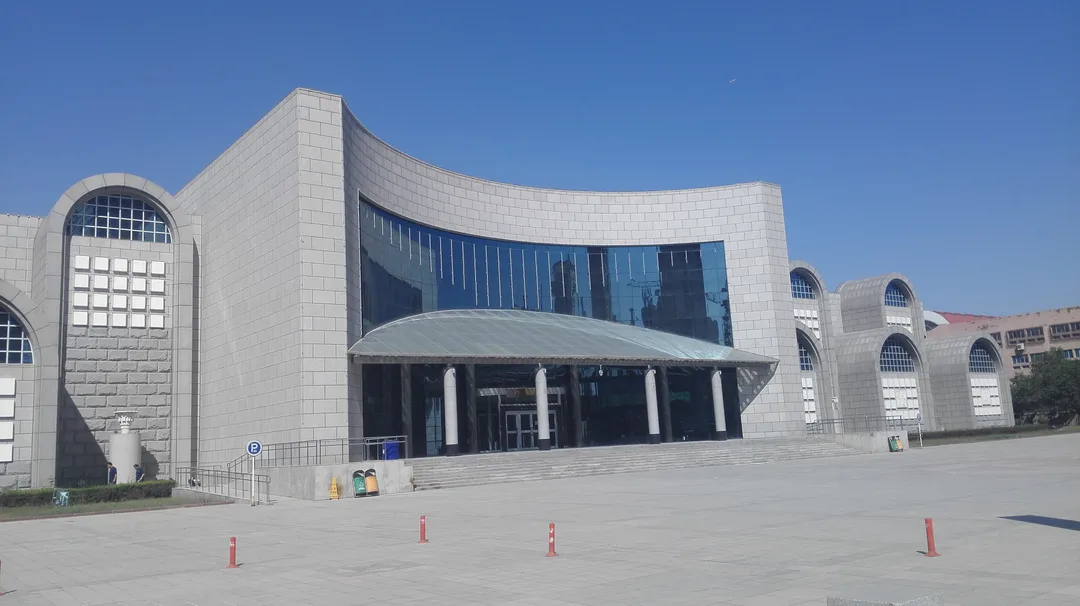
Xinjiang Museum新疆博物馆
The Xinjiang Museum, founded in 1959, is the region's largest comprehensive museum, with a collection of over 50,000 objects spanning Xinjiang from remote antiquity to modern times. Its Han and Tang silks, ancient mummies, Buddhist art and ethnographic holdings are the most treasured, and its two permanent exhibitions — the historical relics show and the ethnic customs show — are the most authoritative window onto Xinjiang's history and cultures.
Urumqi · Visitor Guide2026-10-19
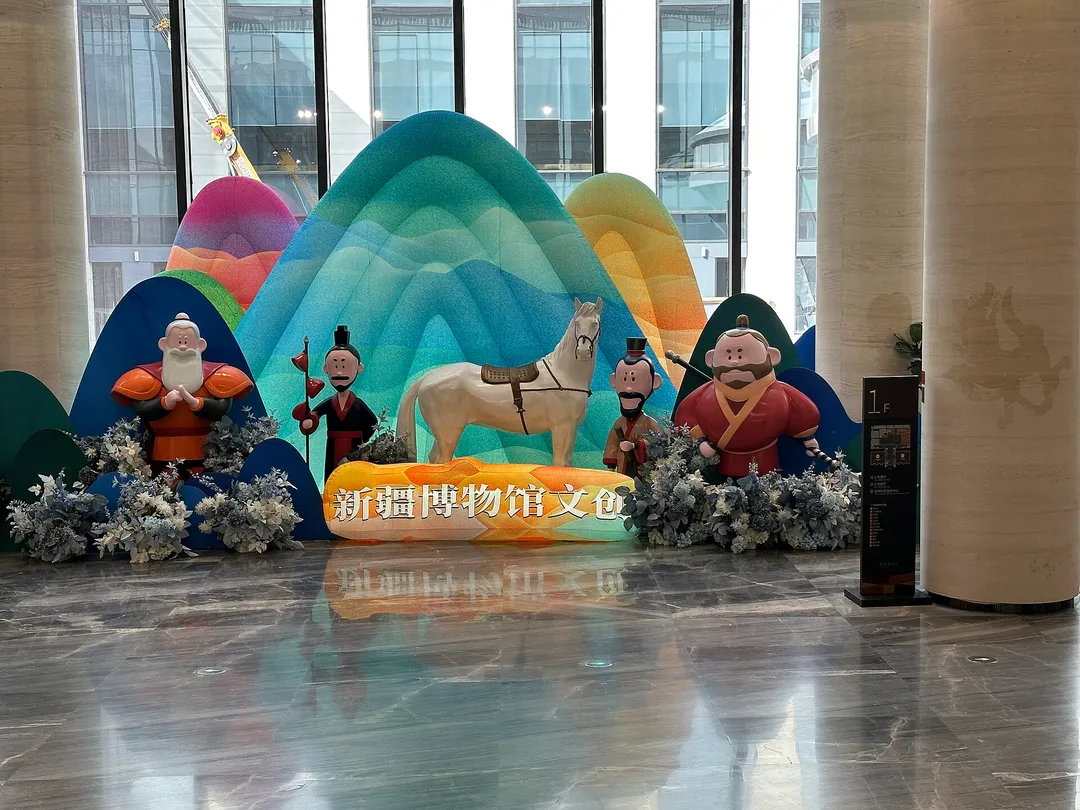
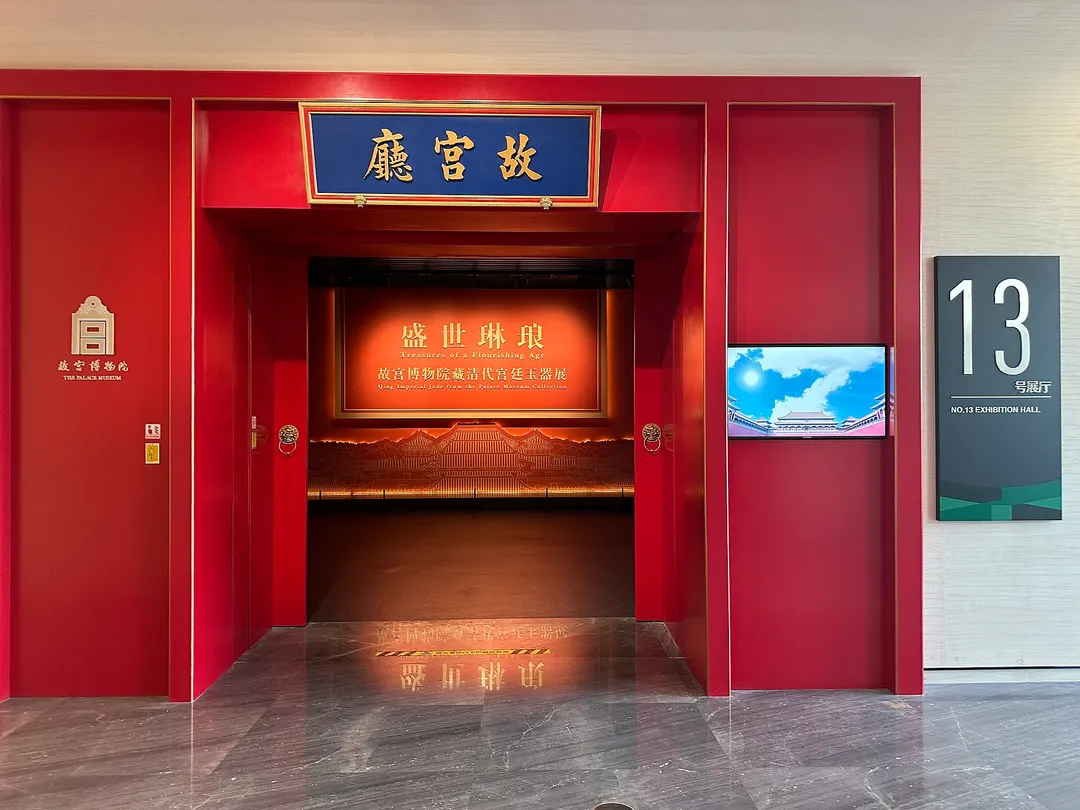
Quick Answer
Is Xinjiang Museum worth visiting?
Xinjiang's largest comprehensive museum, with more than 50,000 artifacts telling the story of the region's history and Silk Road civilizations.
Quick facts
| Ticket | Free entry; reserve with your ID |
|---|---|
| Hours | 10:00-18:00 (last entry 16:30); closed Mondays |
| Recommended duration | 2-3 hours |
| Best time to visit | Year-round |
| How to get there | Metro Line 1 to Xinjiang University station; buses 2, 7, 51, 68 and 153 to the museum stop |
| English signage | Yes |
| Wheelchair accessible | Yes |
| Founded | 1959 |
| Collection | Over 50,000 objects |
| Highlights | Han-Tang silks, ancient mummies, Buddhist art |
| Exhibition space | 15,000 sq m |
| Rating | National first-class museum |
| Star exhibits | The "Five Stars" brocade and the Loulan Beauty mummy |
What to expect
The Xinjiang Museum is the most authoritative place to understand the region's history. Its permanent exhibition of Xinjiang historical relics runs chronologically from the pre-Qin era to modern times, in sections covering primitive society, ancient civilization, the Silk Road and the modern period, with bronzes, pottery, jade, gold and silver wares, textiles and more.
The museum's most famous exhibit is the Loulan Beauty, a female mummy excavated at the Loula site some 3,800 years old and astonishingly well preserved — a key specimen for the study of ancient Xinjiang. The "Five Stars" brocade, a masterpiece of Han dynasty weaving inscribed "Five stars rise in the east, benefit Zhongguo," is a national first-class artifact.
The ethnic customs exhibition presents the traditional cultures and ways of life of Xinjiang's 13 indigenous ethnic groups — dress, tools, household objects and festivals — through objects, models, photographs and multimedia, painting a full picture of the region's cultural diversity.
How to get there
Metro Line 1 to Xinjiang University station Exit A, then a 10-minute walk. Buses 2, 7, 51 and 68 stop at the museum.
Best photo spots
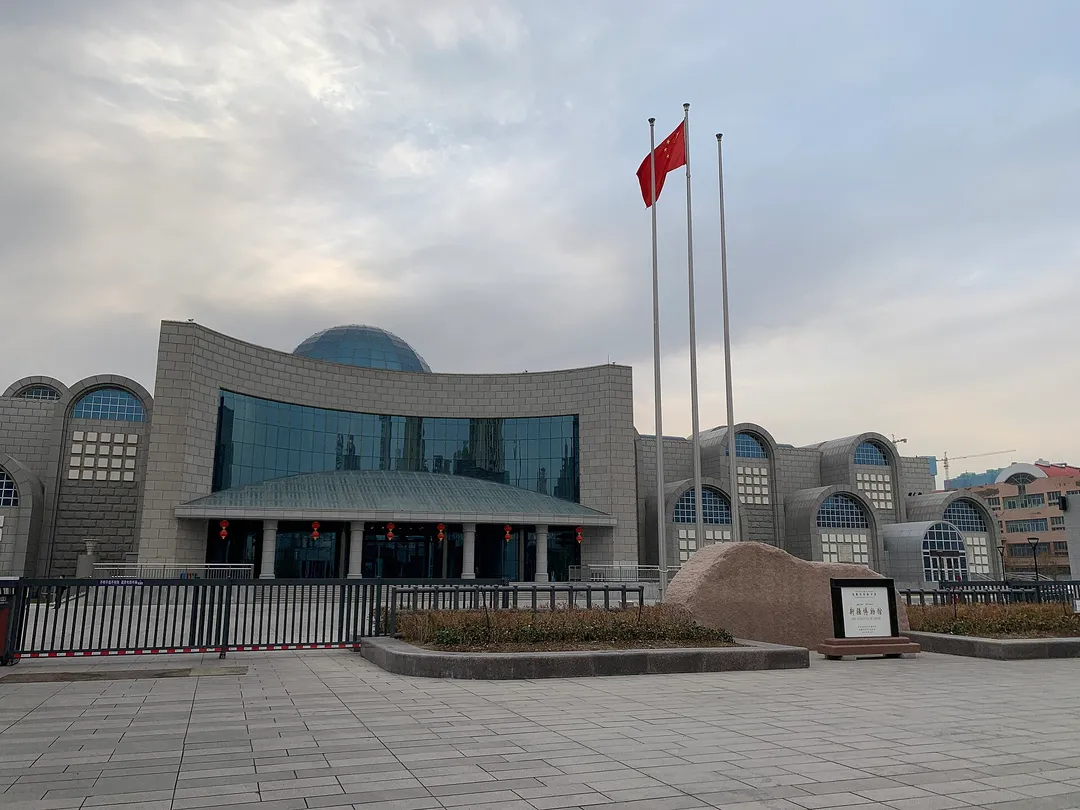
- The museum building itself
- The "Five Stars" brocade on display
- The Loulan Beauty mummy
- The ethnic customs galleries
Tips
- Pick up a floor map at the ground-floor information desk first
- Free guided tours run at 10:00 and 15:00
- Dining options nearby are thin — bring snacks or eat downtown afterward
- Closed Mondays; don't make the trip for nothing
Scams to avoid
- No notable scam risks
Frequently asked questions
Do I need to book ahead?
You can get a ticket on site with your ID, or reserve in advance through the official WeChat account.
Can I take photos in the museum?
Most exhibits may be photographed without flash; some special exhibitions bar photography entirely.
Are there guided tours?
Free talks run on a schedule, and self-guided audio devices are available for rent.
Read next
Other things to do in Urumqi
Heavenly Lake Tianchi
Alpine lake at 1,980 m in the Tianshan Mountains, 110 km from Urumqi. Kazakh yurt stays. ¥125 entry. Half-day boat or full-day hike. Best June–September.
Heavenly Lake of Tianshan
Alpine moraine lake at 1,980 m on the north slope of Bogda Peak (5,445 m), 110 km east of Urumqi. Plan a full day — 2 hours each way by road plus 4–6 hours at the lake; entry is ¥125 plus a mand.
Tian Shan Tian Chi (Heavenly Mountain Heavenly Lake)
An alpine lake in the Tian Shan at 1,980 m, covering 4.9 sq km with depths to 105 m. Admission CNY 155 with shuttle; about 120 km from Urumqi. Best May-October; allow 4-6 hours.
Shanshan Ancient City
An ancient Silk Road town of the Jushi Kingdom near Turpan, founded around the 1st century BC; 60 yuan entry (120 yuan combo with Kumtag Desert), open 8:30-18:30.
Southern Mountain Scenic Area
Natural pasture area about 40 km from Urumqi at 2000-3000 m elevation; entry 45 yuan with sights ticketed separately, 10 degrees cooler than the city in summer, open 9:00-19:00.
Taklamakan Desert Edge
China's largest desert and the world's second-largest shifting-sand sea — 330,000 sq km crossed by the 522 km Desert Highway. Highs hit 67°C in summer; September-November is best. Allow 2-3 days.
Xinjiang Grand Bazaar
One of the world's largest bazaars, opened in 2003 in Urumqi with 3000+ shops and about 100,000 visitors a day; free entry, shops 10:30-23:00, 100-metre Silk Road tower.
Xinjiang Regional Museum
The Xinjiang Regional Museum in Urumqi holds the 3,800-year-old Tarim mummies — the Beauty of Loulan and the Beauty of Xiaohe — alongside Silk Road textiles, Tang silk, Persian glass, and Uyghur.
Museums in Urumqi
Xinjiang Regional Museum
China's westernmost major museum — the definitive collection of Silk Road Buddhist art, Uyghur culture, and the ancient Kucha and Khotan kingdom archaeology. Free; 2–3 hours.
Xinjiang Silk Road Museum
Silk Road crossroads: Tarim mummies (3,800-year-old Caucasoid bodies preserved in desert sand), Sogdian letters, Buddhist cave art, and Uyghur textiles — all in central Urumqi. Free.