Esta página está archivada y ya no se actualiza — consulta la guía actual: Ver la guía actual
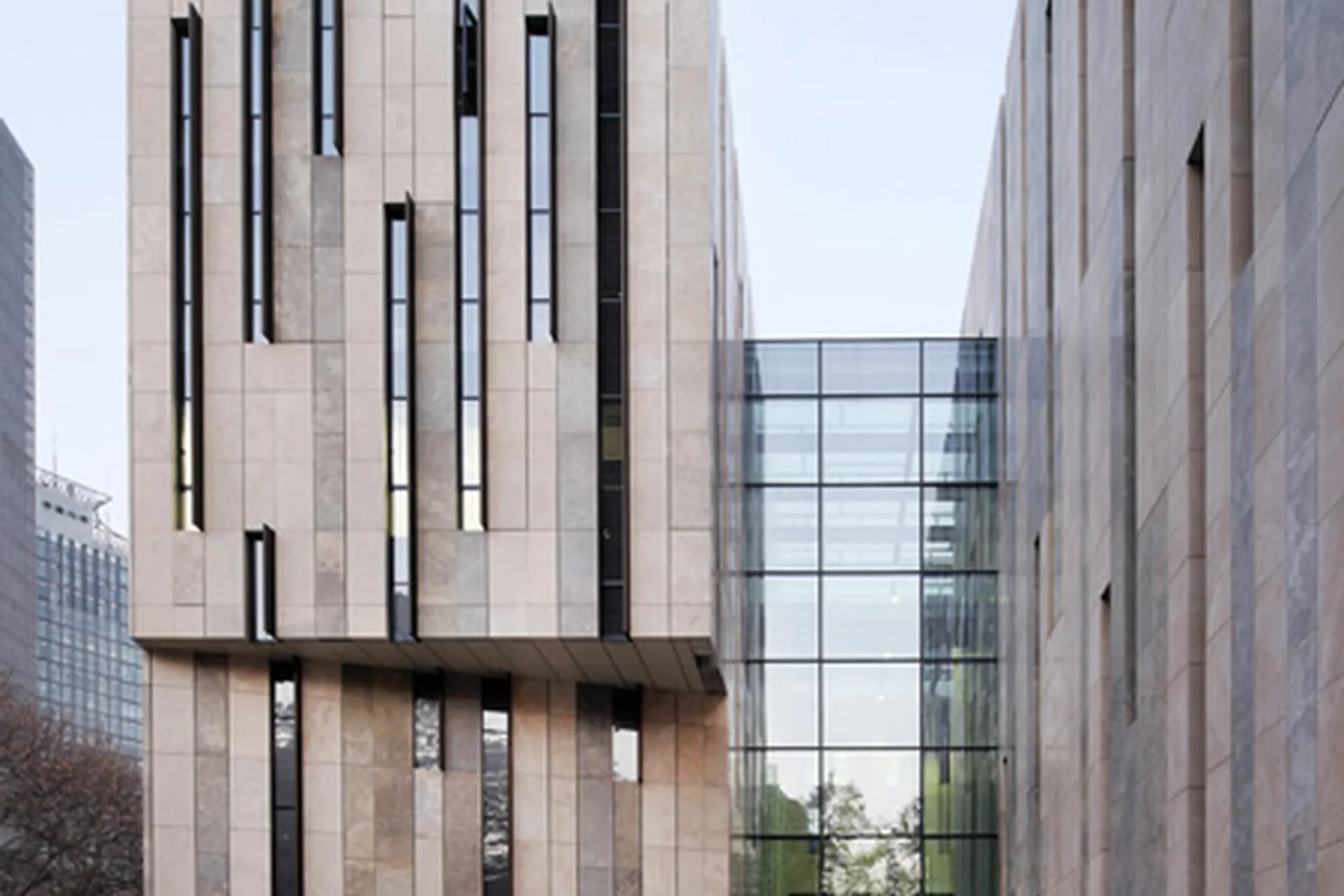
Museo Provincial de Jiangsu
Esta entrada es un marcador de posición informativo. El principal museo de la provincia de Jiangsu es el Museo de Nankín — uno de los tres mayores museos de China, que funciona como complejo de nivel nacional y no como una institución provincial estándar — y la provincia de Jiangsu no mantiene un museo provincial separado del Museo de Nankín.
Museo de historia · Nanjing2026-10-19
Respuesta rápida
¿Merece la pena visitar Museo Provincial de Jiangsu?
Nota — Nankín alberga el Museo de Nankín, un complejo de nivel nacional y no un museo provincial estándar. Esta entrada es solo de referencia. Verificado en 2026.
Datos rápidos
| Categoría | historia |
|---|---|
| Entrada | Entrada gratuita (véase el Museo de Nankín) |
| Horario | A diario de 9:00 a 17:00 (véase el Museo de Nankín) |
| Duración recomendada | Véase el Museo de Nankín. |
| Mejor época para visitar | Véase el Museo de Nankín. |
| Cómo llegar | Véase el Museo de Nankín. |
| Señalización en inglés | See Nanjing Museum. |
Por qué visitar
Véase la entrada del Museo de Nankín.
Obras destacadas
- Para la colección completa, véase el Museo de Nankín (南京博物院) — este museo es, en todo salvo el nombre, el Museo Provincial de Jiangsu
Consejos
- El museo principal de la provincia de Jiangsu es el Museo de Nankín (南京博物院) — véase esa entrada.
- El Museo de Nankín sirve tanto como museo regional de nivel nacional para el bajo Yangtsé como museo provincial de Jiangsu. No busque un edificio separado del “Museo Provincial de Jiangsu”.
Preguntas frecuentes
¿Existe un Museo Provincial de Jiangsu separado del Museo de Nankín?
No. El principal museo de la provincia de Jiangsu es el Museo de Nankín — uno de los tres mayores museos de China, que cumple a la vez el papel regional y el provincial. No existe una institución aparte llamada “Museo Provincial de Jiangsu”.
¿Cómo se relaciona el Museo Provincial de Jiangsu con el Museo de Nankín?
El Museo Provincial de Jiangsu es, en esencia, el Museo de Nankín — comparten la misma institución. El Museo de Nankín es el museo complejo de nivel nacional situado en Nankín que también hace las veces de museo provincial de Jiangsu. La colección cubre los 5.000 años de historia de Jiangsu, desde el Neolítico hasta la era moderna.
¿Cómo se visita el Museo de Nankín y cuáles son sus piezas clave?
El Museo de Nankín está en la avenida Zhongshan Este de Nankín, accesible con la línea 2 del metro hasta la estación Minggugong (明故宫). Abre de 9:00 a 17:00 (cerrado los lunes), con entrada gratuita presentando el pasaporte. Tiene una enorme colección permanente — reserve 3-4 horas. Piezas clave — la porcelana imperial de la dinastía Ming, las culturas prehistóricas de Jiangsu y el ala de arte chino. El antiguo Palacio Presidencial (总统府) está a unos 2 km.
Leer después
Otras cosas que hacer en Nanjing
Chaotian Palace
Conjunto palaciego de la dinastía Ming que hoy alberga el Museo Municipal de Nankín. La mejor arquitectura ceremonial conservada del sureste de China, con pavos reales sueltos en el patio. Más de 600 años de historia.
China Imperial Examination Museum (Gongyuan)
Antiguas salas de examen imperial donde durante más de 600 años los eruditos competían por puestos en la administración. Hoy, un museo de nivel mundial con cubículos reconstruidos, artefactos y exposiciones inmersivas.
Confucius Temple (Fuzimiao)
Un complejo de templos ribereño convertido en animado distrito peatonal — santuario confuciano, barcas en el río Qinhuai y la mejor calle de tapeo de Nankín. Templo 30 ¥, la zona es gratis. 2-3 horas.
Zhonghua Gate Castle
El mayor conjunto de puertas amuralladas antiguas que sobrevive, parte de la muralla Ming de Nankín. Tres niveles de recinto (wengcheng) con 27 cuevas ocultas para tropas.
Ming Xiaoling Tomb
La tumba del emperador Hongwu (fundador de la dinastía Ming, m. 1398) y su emperatriz Ma. La mayor tumba imperial Ming de China, con una avenida pétrrea de 600 años de elefantes y leones.
Memorial Hall of the Victims of the Nanjing Massacre
Uno de los museos memoriales de guerra más importantes de China, construido sobre el emplazamiento de una fosa común de víctimas de la masacre de Nankín (1937-38). Solemne, sobrecogedor e imprescindible. Entrada gratuita.
Nanjing Museum
El tercer mayor museo de China por tamaño de colección, con más de 1,2 millones de piezas que abarcan 5.000 años. Jade, porcelana y piezas Ming excepcionales, además de una sobresaliente exposición digital de la civilización.
Stone City Park
Parque urbano construido a lo largo de un tramo de 300 metros de la muralla Ming, famoso por la formación rocosa de la 'Ciudad de Piedra', donde la muralla antigua queda expuesta.
Presidential Palace
Sitio histórico del Palacio Presidencial de Nankín: cuartel general del Reino Celestial Taiping, oficina virreinal Qing, despacho de Sun Yat-sen en 1912 e investidura de Chiang Kai-shek en 1948. Verificado en 2026.
Purple Mountain (Zijinshan)
La montaña central de Nankín, hogar del Mausoleo de Sun Yat-sen, la tumba Ming Xiaoling y el Observatorio de la Montaña Púrpura.
Qinhuai River
El famoso río cultural de Nanjing, de 110 km de longitud, que fluye por el histórico barrio del Templo de Confucio.
Sun Yat-sen Mausoleum
El mausoleo de 392 escalones y tejas azules donde reposa el fundador de la China moderna. Gratis con el abono del parque nacional. Su escalinata es una de las piezas más dramáticas de la arquitectura de la era republicana en Asia.
Xuanwu Lake Park
El parque lacustre del centro de Nankín: 4,7 km² de islas, pabellones, campos de loto y senderos. Entrada gratuita, ideal para pasear al atardecer y remar. Un oasis urbano con más de 2.000 años de historia.
Yongle Temple
Templo budista histórico en la ladera sur de la Montaña Púrpura, fundado en 1455 durante la dinastía Ming. Famoso por sus jardines rosados de flor de melocotón en primavera y su arquitectura tradicional.
Zhangfuyuan Historical District
Barrio residencial histórico de Nankín junto al Templo de Confucio, casas patio de los Ming y Qing, puente de arco de piedra Wanmin del siglo XV. Recorrer el barrio es gratis. Metro línea 1, estación Zhangfuyuan (salida 1).
Museos en Nanjing
Museo Memorial de las Víctimas de la Masacre de Nanjing
Uno de los museos memoriales de guerra más importantes de China — documenta la Masacre de Nanjing de 1937, cuando las fuerzas japonesas mataron a 300.000 civiles y soldados chinos.
Museo de Nankín
El tercer museo más grande de China tras el Museo del Palacio y el Museo Nacional de China — un museo combinado de historia y arte con destacadas colecciones de las dinastías Han y Tang.