Nanjing · Visitor Guide
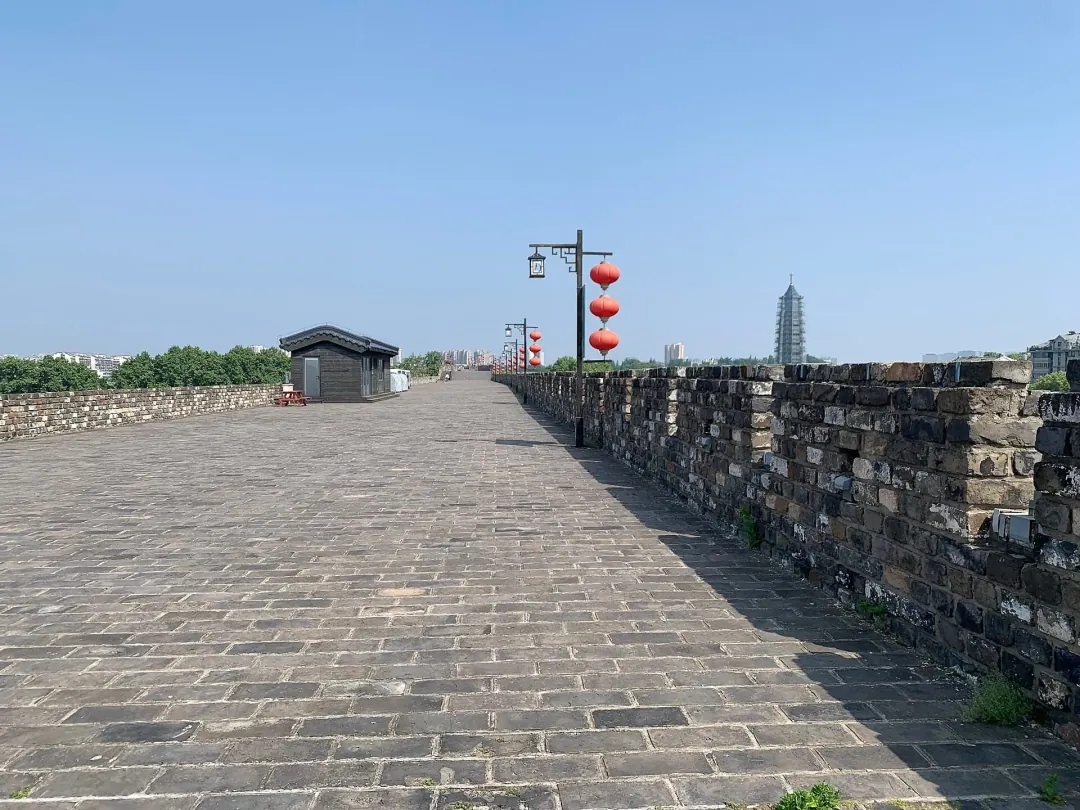
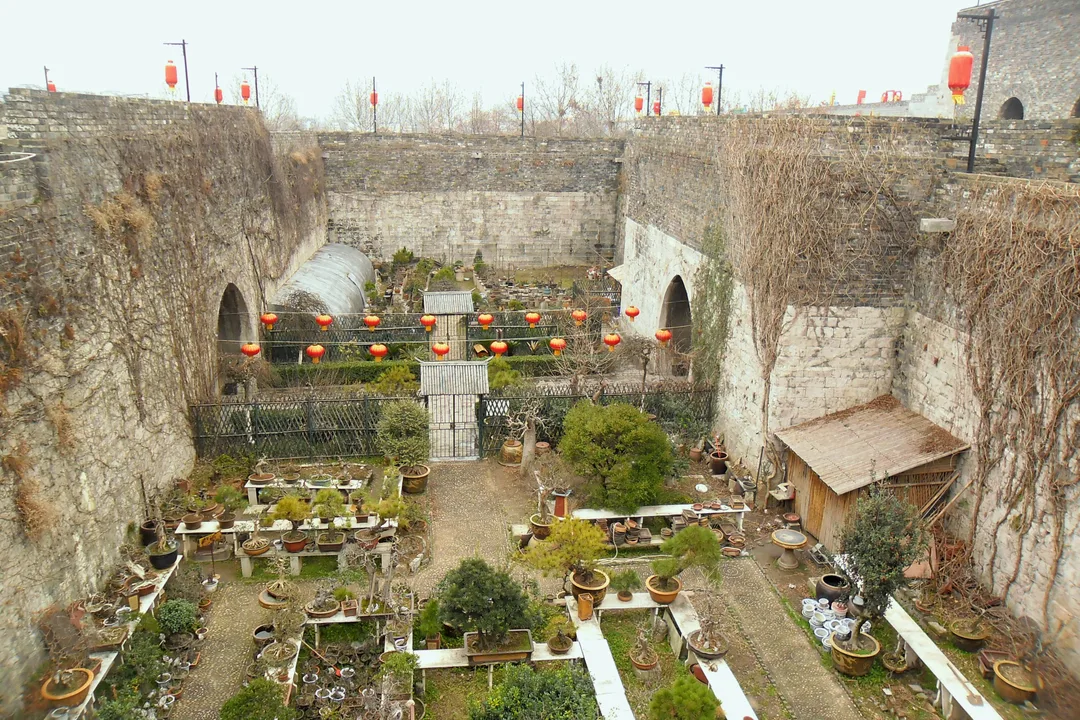
Zhonghua Gate (Zhonghua Men) is the southernmost gate of Nanjing's Ming dynasty city wall, completed in 1388 as the largest gate complex in the world. The castle's defining feature is its triple-retracing design (瓮城) with three successive gates and 27 hidden troop caves (藏兵洞) that could shelter 3,000 soldiers. This architectural masterpiece of defensive engineering was never breached by foreign force until the 20th century.
Last updated:

Quick Answer
Is Zhonghua Gate Castle worth visiting?
The world's largest surviving ancient city gate complex, part of Nanjing's Ming dynasty wall. Three-tiered瓮城 (wengcheng/retreat defense) with 27藏兵洞 (hidden troop caves). Immense scale, fascinating history.
| Ticket | Adults: CNY 50; Students/seniors: CNY 25; Audio guide: CNY 20 (English, Korean, Japanese) |
|---|---|
| Hours | 08:30–20:30 (March–October); 08:30–17:30 (November–February); last entry 1 hour before closing |
| Recommended duration | 1–2 hours |
| Best time to visit | Year-round; evening for photography; spring and autumn for comfortable weather |
| How to get there | Metro Line 1 to Zhonghua Gate Station (Exit 2); Bus 2, 16, 33, 202 to Zhonghua Gate; 3 km from Confucius Temple area |
| English signage | yes |
| Wheelchair accessible | limited |
| Gate Completed | 1388 (Hongwu Emperor, 21st year) |
| Gate Structure | Triple wengcheng (retreat defense) design |
| Hidden Troop Caves | 27 caves, capacity ~3,000 soldiers |
| Dimensions | Approx. 118 meters deep, 90 meters wide |
| Brick Count | Estimated 120 million bricks used |
| Siege History | Never breached by external force (1388–1911) |
Zhonghua Gate represents the pinnacle of medieval Chinese military architecture, designed to frustrate any invading force through its innovative triple-retracing (瓮城) layout. Unlike conventional gates with a single entrance, Zhonghua Gate presents attackers with three successive gates set at right angles, each gateway guarded by a heavy wooden door and iron portcullis. The narrow, turning passages (each only 3–4 meters wide) would trap attacking forces in a kill zone where defenders above could pour boiling liquids and fire arrows from openings in the ceiling and walls. The entire structure is built from Ming dynasty bricks stamped with production dates and factory locations, allowing modern archaeologists to trace the construction logistics.
The 27藏兵洞 (hidden troop caves) carved into the gate's stone foundations are its most impressive practical feature. These barrel-vaulted chambers, each approximately 3 meters wide and 12 meters deep, could shelter 3,000 soldiers in concealment, allowing them to emerge suddenly behind an attacking force that had breached the outer gates. The caves also served as storage for weapons and provisions, making the gate self-sufficient for extended sieges. The construction required excavating approximately 20 meters into the natural hill that the gate straddles, using the hill itself as the gate's core.
The gate was built under the direction of Liu Bowen (Liu Ji), the Hongwu Emperor's famous strategist and chancellor, who designed Nanjing's entire 35-kilometer city wall system. The gate was originally called 'Jubao Gate' (镇宝门) and renamed 'Zhonghua Gate' in 1931 to reflect Chinese nationhood. During the Taiping Rebellion, the gate successfully resisted sieges, and in 1911 revolutionaries used it as a position to shell the Qing garrison. The gate was damaged in the 1937 Nanjing Massacre and subsequently restored. Today it stands as the most intact and impressive surviving section of Nanjing's world-record city wall system.
Metro Line 1 to Zhonghua Gate Station (Exit 2), 3-minute walk. From Confucius Temple area, take Bus 2 or walk 20 minutes south along Qinhuai River. From Nanjing railway station, take Metro Line 1 directly (15 minutes).
The triple-gate (瓮城) design creates three successive chicanes — attackers breach the outer gate and find themselves trapped in a narrow, turning killing zone. Portcullises and arrow slits above allow defenders to attack from all sides. The 27 hidden caves allowed defenders to emerge suddenly behind breakthrough forces.
The complete Nanjing city wall (35 km total) used an estimated 200–300 million bricks, many stamped with factory and date markings. Nanjing's wall is the longest surviving ancient city wall in the world.
Limited accessibility. The main passage involves steep stairs and uneven historic stone. The ground floor is partially accessible but the upper walkway is not. Wheelchair users can view the exterior and ground level but cannot access the interior passage system.
The Hongwu Emperor built Nanjing's wall to be both a military defense and a statement of Ming dynasty power. At 35+ km, it was the largest city wall ever built in China. The wall averaged 12 meters high and 10 meters thick, using natural hills and the Qinhuai River as integrated defensive elements.
Chaotian Palace
Ancient Ming dynasty palace complex now housing the Nanjing Municipal Museum. Best-preserved ceremonial architecture in southeast China; free-roaming peacocks in the courtyard. 600+ years old.
China Imperial Examination Museum (Gongyuan)
Ancient examination halls where scholars competed for imperial civil service positions over 600+ years. Now a world-class museum with reconstructed cubicles, artifacts, and immersive exhibits.
Confucius Temple (Fuzimiao)
A riverside temple complex turned vibrant pedestrian district — Confucian shrine, Qinhuai River boats, and Nanjing's best snack street. Temple ¥30, area free. 2–3 hours.
Ming Xiaoling Tomb
The tomb of the Hongwu Emperor (founder of the Ming dynasty, d. 1398) and his empress Ma. The largest imperial Ming tomb in China, with a 600-year-old stone avenue of elephants and lions. UNESCO World Heritage Site. Budget ¥70 and 2–3 hours.
Ming Xiaoling Mausoleum
The tomb of the first Ming emperor — a 2.6 km Sacred Way lined with stone elephants and camels leading to a burial mound under Purple Mountain. UNESCO. ¥70. 2–3 hours.
Memorial Hall of the Victims of the Nanjing Massacre
One of China's most significant war memorial museums, built on the site of a mass grave of Nanjing massacre victims (1937–38). Solemn, powerful, and essential. Free admission.
Nanjing Museum
China's third-largest museum by collection size, with 1.2 million+ artifacts spanning 5,000 years. Exceptional jade, porcelain, Ming dynasty artifacts, and an outstanding digital civilization exhibit. Free admission.
Stone City Park
Urban park built along a 300-meter stretch of Ming dynasty city wall, featuring the famous 'Stone City' cliff formation where the ancient wall is exposed. Free, scenic, and historically significant.
Presidential Palace
Nanjing's most historically layered site — served as Taiping Heavenly Kingdom headquarters, Qing provincial office, Sun Yat-sen's presidential office, and Chiang Kai-shek's Nationalist headquarters from 1840–1949.
Purple Mountain (Zijinshan)
Nanjing's central mountain, home to Sun Yat-sen Mausoleum, Ming Xiaoling Tomb, and the Purple Mountain Observatory. A full day of imperial tombs, forested hiking trails, and astronomical history. Pick 1-2 sites per visit.
Qinhuai River
Nanjing's iconic cultural river, 110 km long, flowing through the historic Confucius Temple district. Famous for boat tours past ancient walls, illuminated traditional architecture, and 1,000+ years of cultural history.
Sun Yat-sen Mausoleum
The 392-step blue-tile mausoleum where the founder of modern China rests. Free with national park ticket. The staircase is one of the most dramatic pieces of Republican-era architecture in Asia. 2–3 hours.
Xuanwu Lake Park
Nanjing's central lake park, 4.7 km² of islands, pavilions, lotus fields, and walking paths. Free entry, excellent for sunset walks and boat rides. Urban oasis with 2,000+ years of history.
Yongle Temple
Historic Buddhist temple on Purple Mountain's southern slope, founded 1455 during Ming dynasty. Famous for pink peach-blossom gardens in spring and traditional architecture. Less visited than Sun Yat-sen Mausoleum.
Zhangjiakou Historical District
Nanjing historic residential quarter near Confucius Temple, Ming-Qing courtyard houses, 15th-century Wanmin Bridge stone arch. Free to walk district. Metro Line 1 Zhangjiakou Station (Exit 1). Best early morning for authentic local breakfast. 1-2 hours exploration.
Jiangsu Provincial Museum
Note: Nanjing has the Nanjing Museum (南京博物院) which is a national-level complex museum, not a standard provincial museum. This entry is for reference only.
Memorial Hall of the Victims in Nanjing Massacre by Japanese Invaders
One of China's most significant war memorial museums — documenting the 1937 Nanjing Massacre when Japanese forces killed 300,000 Chinese civilians and soldiers. Sobering, powerful, and essential. Free.
Nanjing Museum
China's third-largest museum after the Palace Museum and National Museum of China — a combined history and art museum with strong Han/Tang Dynasty collections, a superb Ming Palace archaeological wing, and China's best prehistoric archaeology gallery. Free.