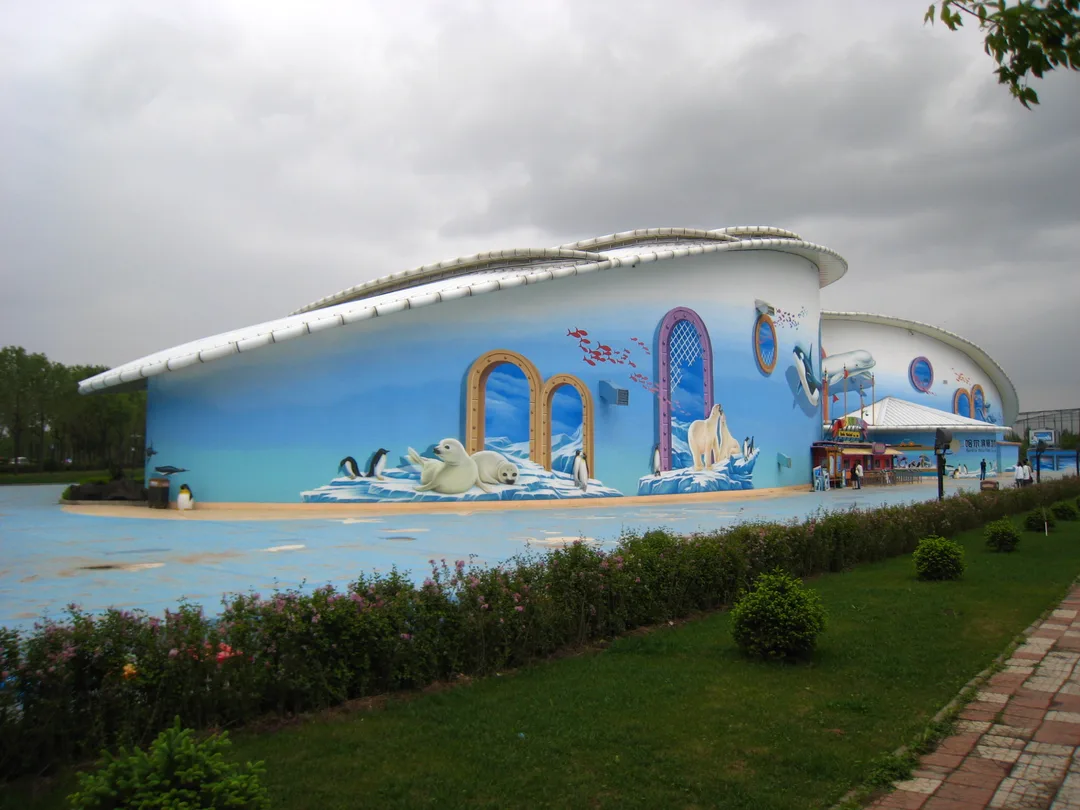
Harbin Polar Park哈尔滨极地馆
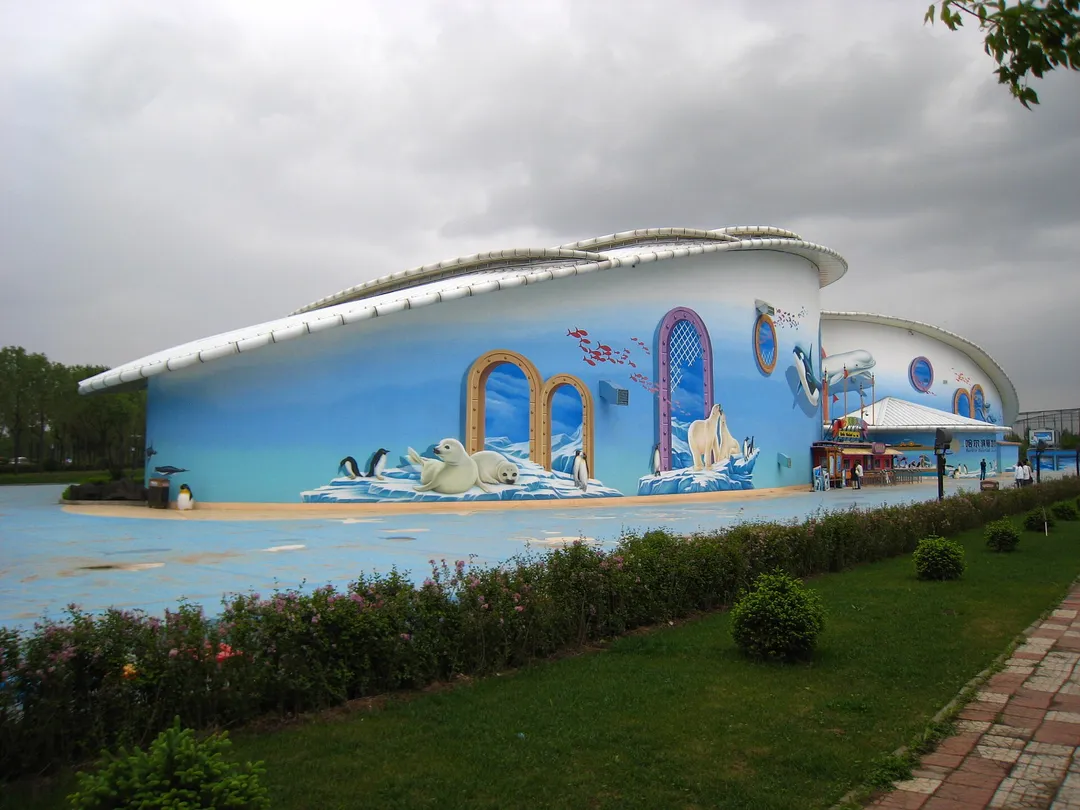
Harbin Polar Park was China's first polar aquarium and the world's first polar performance park. Inside, zones such as the Arctic Animal Hall, the Antarctic Animal Hall and the Underwater World house rare polar species — polar bears, penguins, belugas and dolphins among them. Its beluga show, Ocean Love, created with a Russian circus troupe, is world-class and plays to packed houses.
Harbin · Visitor Guide2026-10-18
Quick Answer
Is Harbin Polar Park worth visiting?
China's first polar aquarium, opened in 2005; adults CNY 160. The original beluga show, Ocean Love, runs about 15-20 minutes and is genuinely moving. Allow 2-3 hours.
Quick facts
| Ticket | Adults CNY 160; children 1.2-1.4 m CNY 80; children under 1.2 m free |
|---|---|
| Hours | 09:00-16:30 (extended to 17:00 in summer) |
| Recommended duration | 2-3 hours |
| Best time to visit | Year-round |
| How to get there | Metro Line 2 to Sun Island station; buses 35, 47, 80, 122 to the Polar Park stop |
| English signage | Yes |
| Wheelchair accessible | Yes |
| Founded | 2005 |
| Positioning | The world's first polar performance park |
| Signature show | The beluga show Ocean Love |
| Animals | Polar bears, penguins, belugas, dolphins and more |
| Exhibit zones | 6 themed areas |
| Honors | National 4A-level tourist attraction |
What to expect
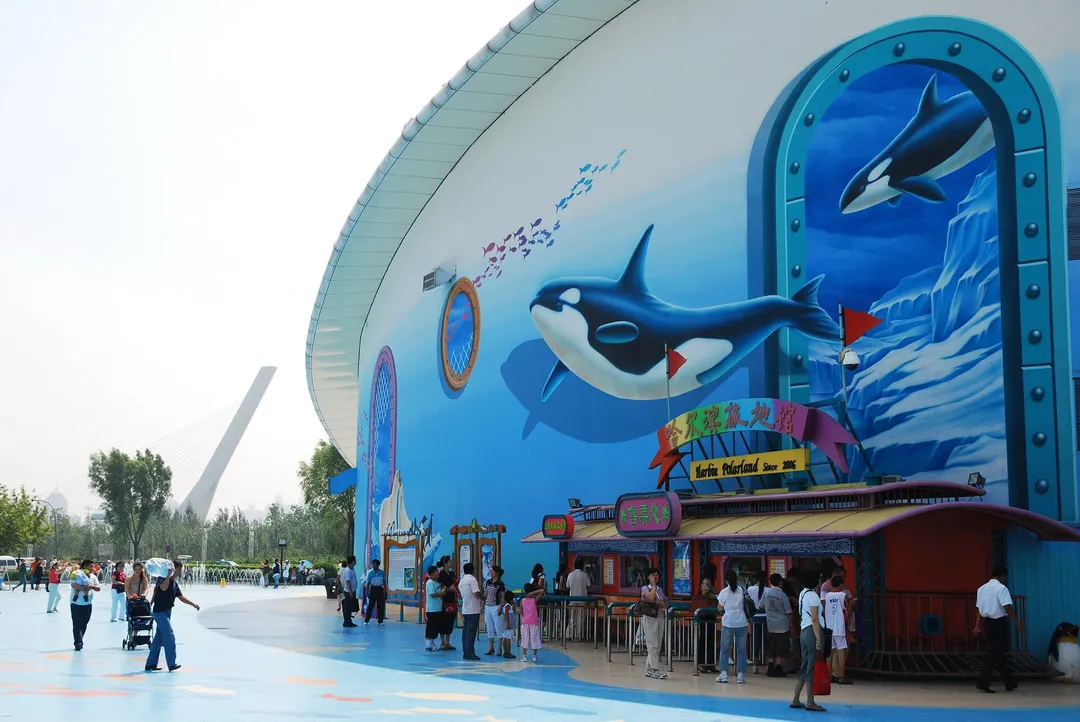
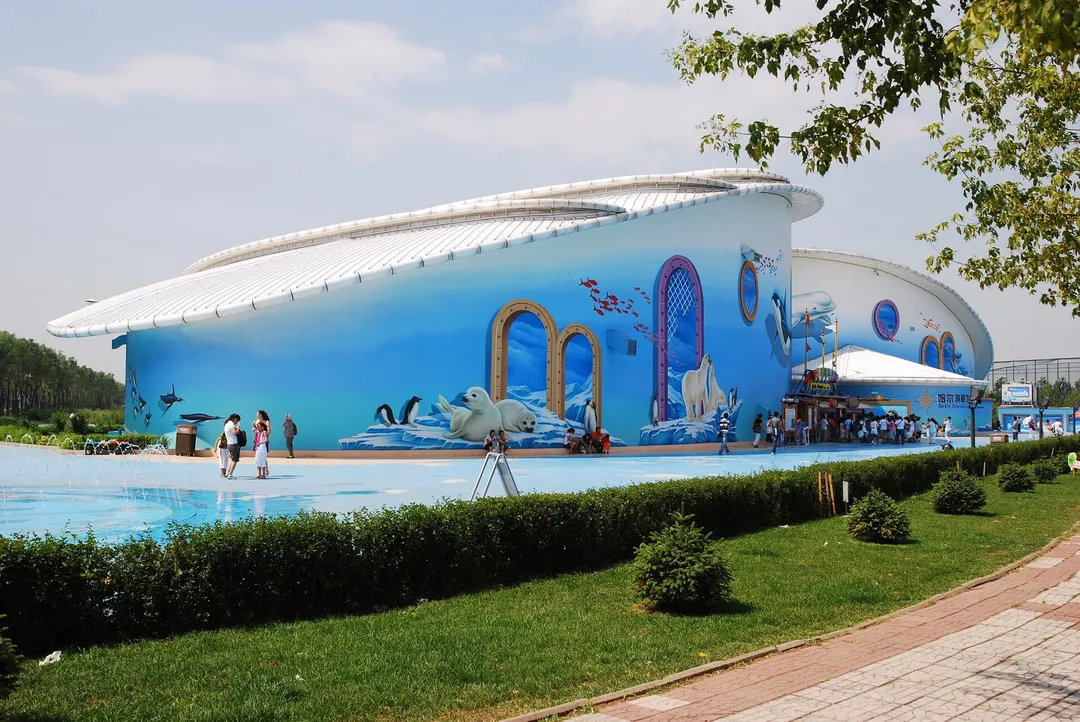
Harbin Polar Park is the world's first polar performance park, pairing polar animal exhibits with polished live shows. Its zones include the Arctic Animal Hall, the Antarctic Animal Hall, the Underwater World, the Polar Theater, the shark hall and the marine-mammal hall. Visitors get close-up views of polar bears, penguins, belugas, walruses and other rare polar species.
The park's signature show is Ocean Love, a beluga performance created with a Russian circus troupe. In a vast pool, two belugas spin, leap and kiss on their trainers' cues, moving with such grace that the show won an international aquatic-show award. The penguin carnival parade is another treat not to miss.
Hands-on areas let visitors feed the seals and pose with penguin chicks. The Underwater World holds more than 80 species — nearly 10,000 fish in all — for a real taste of ocean depths. The park draws over a million visitors a year and is one of Harbin's most popular indoor attractions.
How to get there
Metro Line 2 to Sun Island station, Exit 1, then about a 10-minute walk. Buses 35, 47, 80 and 122 stop at the Polar Park stop.
Best photo spots
- The beluga show pool
- The polar bear viewing area
- The penguin interaction zone
- The underwater tunnel
Tips
- Shows run at fixed times — confirm the schedule right after entering and plan your route
- The hall is comfortably heated; no extra layers needed inside
- Weekends and holidays get busy — buy tickets online in advance
- Strollers are awkward here; some corridors are narrow
Scams to avoid
- No notable scam risk — this is a properly run attraction
Frequently asked questions
Is Harbin Polar Park next to Ice and Snow World?
They are adjacent but separate: the polar park is inside the Sun Island scenic area, while Ice and Snow World is downtown on the south bank of the river.
Does the beluga show cost extra?
No, it is included in admission; each show runs about 15-20 minutes.
Can I bring food inside?
Outside food and drinks are not allowed; there is a dining area inside the park.
Read next
Other things to do in Harbin
Central Street
Century-old Russian-style pedestrian street in Harbin, 1450 m long, built in 1898 with 71 historic buildings; free to stroll, shops 10:00-22:00, best in winter for ice sculptures.
Harbin International Ice and Snow Festival
The world's largest ice and snow art festival — open from January 5 to late February, best over 2-4 days, drawing tens of millions of visitors.
Harbin Ice and Snow World
The world's largest ice-and-snow theme park in Harbin, founded in 1999 using 120,000+ cubic metres of ice each winter; tickets 298-499 yuan, open 11:00-22:00, mid-December to mid-February.
Saint Sophia Cathedral
Harbin's largest Orthodox church, completed in 1907 with a dome 53.35 m high; entry 20 yuan, students 10 yuan, open 8:30-17:00, a 5-minute walk from Shangzhi Dajie metro station.
Songhua River
The Songhua River, Harbin's mother waterway, runs 1927 km with about 70 km through the city; free riverside, boat rides 60-120 yuan, ice over 1 m thick in winter.
Harbin Railway Station
A living relic of the Chinese Eastern Railway, built in 1899 in Art Nouveau style — about 70,000 sq m, 8 platforms, 14 tracks and some 100,000 daily passengers. Free and open around the clock.
Museums in Harbin
Heilongjiang Provincial Museum
Northeast China's northernmost provincial museum — documenting the Amur river frontier, Manchu culture, and the Russian border trade. Free with passport; 1.5–2.5 hours.
Songhua River Museum
The museum of the Songhua River (松花江) — the Amur River's main Chinese tributary and Harbin's defining waterway. Allow 1 hour.