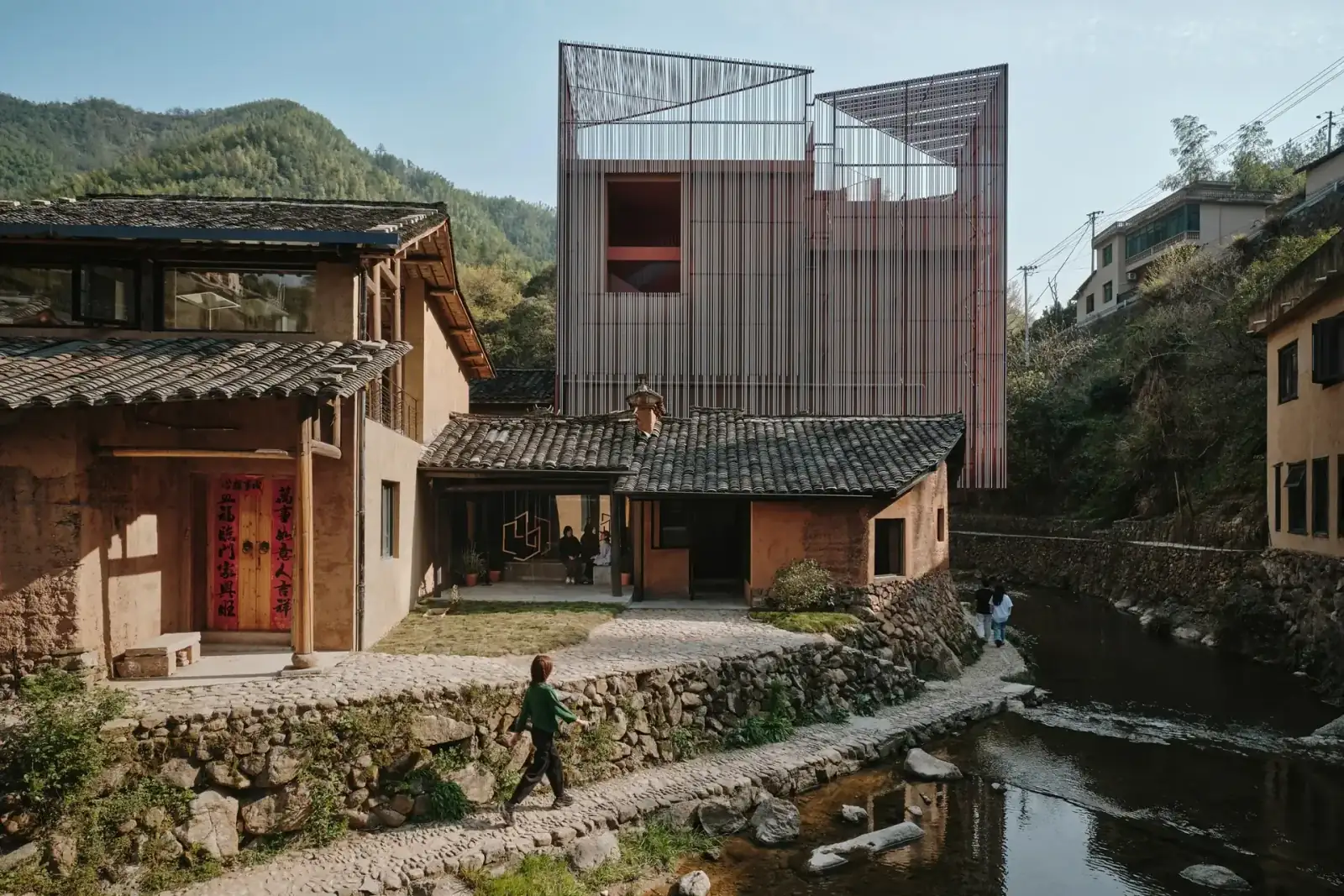
Songhua River Museum
The Songhua River Museum documents the history and ecology of the Songhua River (松花江), Harbin's defining river and the largest tributary of the Amur (Heilongjiang) River. The museum sits on the river's south bank and covers: (1) the river itself — the Songhua system and its tributaries draining the Northeast China plain, its fishery, and its seasonal freeze; (2) Harbin's river-born history — the city grew from a river fishing settlement into the great junction of the Russian-built Chinese Eastern Railway, which crossed the Songhua here from 1898; (3) ice and snow culture — how the frozen river shapes Harbin's winter, from ice harvesting on the river to the Ice and Snow World sculptures built from Songhua ice on the opposite bank. Free entry, and 1 hour is enough.
Harbin · history museum2026-10-18
Quick Answer
Is Songhua River Museum worth visiting?
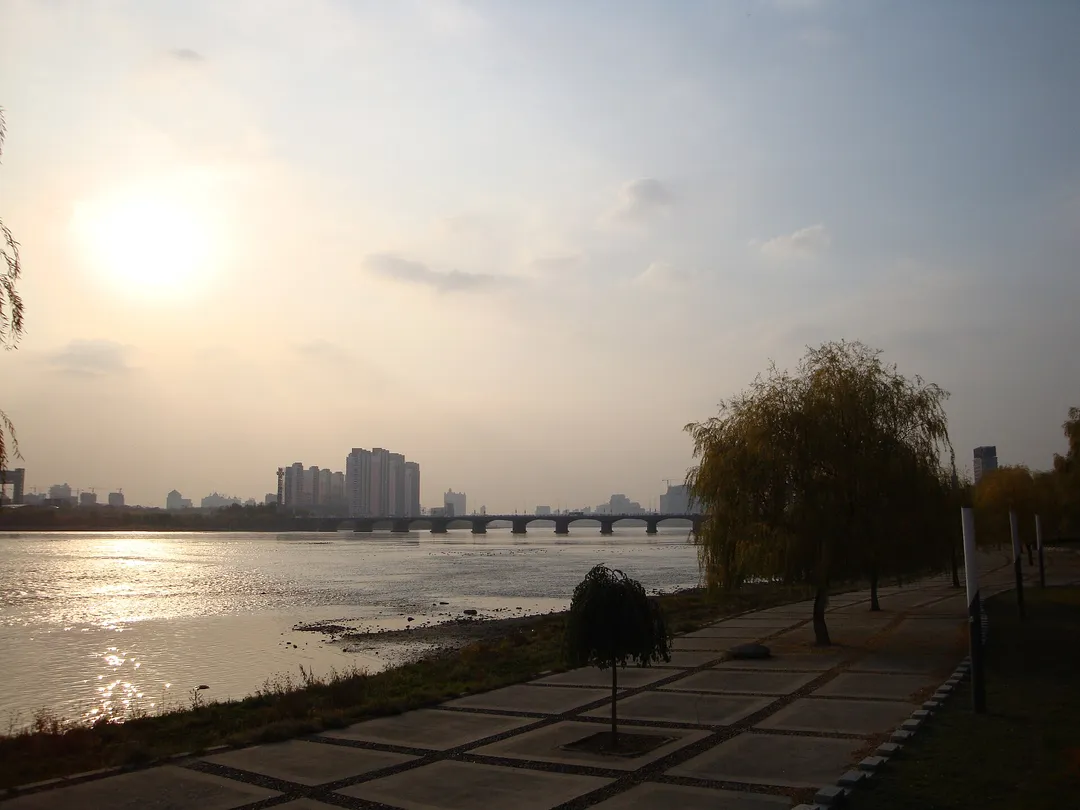
The museum of the Songhua River (松花江) — the Amur River's main Chinese tributary and Harbin's defining waterway. Allow 1 hour.
Quick facts
| Category | history |
|---|---|
| Ticket | Free. |
| Hours | 9:00-16:00. Closed Mondays. |
| Recommended duration | 1 hour. |
| Best time to visit | January-February (Ice Festival). |
| How to get there | Bus routes 2, 8, 16 to Songhua River Museum stop. |
| English signage | Partial |
Why visit
Harbin exists because of the Songhua — the river brought the Russian railway engineers of 1898, carries the city's drinking water, freezes solid for four months, and hosts both the summer riverfront promenade and the winter ice festival. This small free museum is the one place that explains that relationship in context, and it stands directly on the south-bank riverfront it describes. Pair it with a walk along the river to Zhongyang Street and you leave understanding why Harbin calls itself China's "Ice City".
Collection highlights
- The Songhua River itself — the Amur's largest tributary, born where the Nen and Second Songhua rivers meet, draining the Northeast plain and freezing over for roughly four months each winter
- River-and-city history — how a Songhua riverbank settlement became Harbin when the Russian-built Chinese Eastern Railway bridged the river here from 1898, and how the riverfront (Stalin Park, the Flood Control Memorial) grew with the city
- Ice and snow culture — the frozen Songhua as Harbin's winter playground and raw material: ice blocks cut from the river, riverside winter swimming, and the Ice and Snow World sculptures built from Songhua ice on the opposite bank
- The river's ecology — wetlands, fish species and birdlife of the Songhua basin, the environment the city's identity depends on
Tips
- Combine with the Harbin Ice Festival — the museum gives the context for the ice sculptures you will see across the river
- Walk the riverside promenade after your visit — 10 minutes east along the frozen (or breezy) river brings you to Zhongyang Street's Russian-era architecture
- Winter (January-February) shows the frozen river the museum describes; summer (July-August) shows the same river as the city's beach and promenade — either season works
Frequently asked questions
What is the connection between Songhua River Museum and Harbin Ice Festival?
The Songhua River (松花江) is Harbin's defining waterway — in winter it freezes and becomes the foundation for Harbin's famous Ice and Snow World festival (¥300 entry). The museum explains the river's ecology and ice formation, providing context for Harbin's ice culture. Best visited before or after the January-February Ice Festival.
Is Harbin Ice Festival visible from Songhua River Museum?
The museum is on the south bank of the Songhua River. From here you can see the frozen river and, in January-February, the Ice and Snow World festival ice sculptures on the opposite bank. The historic Zhongyang Dazhang (中央大街)步行街 is a 10-minute walk east along the river.
What else should I see in Harbin besides the Songhua River and Ice Festival?
Harbin's Russian heritage is its defining characteristic — visit the Saint Sophia Cathedral (圣索菲亚教堂, now a museum), Zhongyang Street (中央大街) for Russian architecture, and the old concession district. The Harbin Jewish Synagogue (哈尔滨犹太总会堂) is now a museum documenting Harbin's Jewish community. Summer (July-August) is pleasant for visiting — Harbin is known as China's "Ice City" but has warm summers unlike the winter festival.
Read next
Other things to do in Harbin
Central Street
Century-old Russian-style pedestrian street in Harbin, 1450 m long, built in 1898 with 71 historic buildings; free to stroll, shops 10:00-22:00, best in winter for ice sculptures.
Harbin International Ice and Snow Festival
The world's largest ice and snow art festival — open from January 5 to late February, best over 2-4 days, drawing tens of millions of visitors.
Harbin Polar Park
China's first polar aquarium, opened in 2005; adults CNY 160. The original beluga show, Ocean Love, runs about 15-20 minutes and is genuinely moving. Allow 2-3 hours.
Harbin Ice and Snow World
The world's largest ice-and-snow theme park in Harbin, founded in 1999 using 120,000+ cubic metres of ice each winter; tickets 298-499 yuan, open 11:00-22:00, mid-December to mid-February.
Saint Sophia Cathedral
Harbin's largest Orthodox church, completed in 1907 with a dome 53.35 m high; entry 20 yuan, students 10 yuan, open 8:30-17:00, a 5-minute walk from Shangzhi Dajie metro station.
Songhua River
The Songhua River, Harbin's mother waterway, runs 1927 km with about 70 km through the city; free riverside, boat rides 60-120 yuan, ice over 1 m thick in winter.
Harbin Railway Station
A living relic of the Chinese Eastern Railway, built in 1899 in Art Nouveau style — about 70,000 sq m, 8 platforms, 14 tracks and some 100,000 daily passengers. Free and open around the clock.