Kunming · Visitor Guide
Dianchi Lake (滇池, Diānchí)
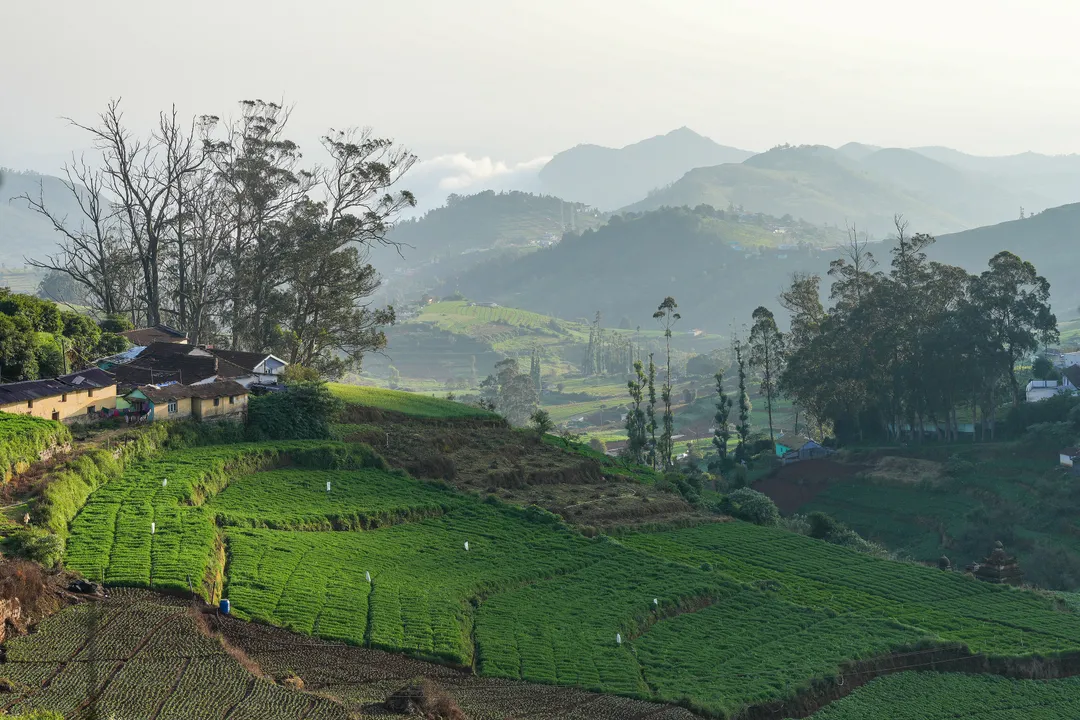
"Dianchi Lake is a shallow, high-altitude freshwater lake (about 300 sq km, at 1,886 m) that defines Kunming's southern boundary and helps drive the city's mild climate. The Dian Kingdom — a Bronze Age civilization that ruled these shores from the 4th century BCE — took its name from the lake, and its cast-bronze artefacts now fill the Yunnan Provincial Museum. Today the lakefront is Kunming's largest open green space, but decades of industrial runoff triggered severe blue-green algae blooms; the water is still not swimmable, though a multi-billion-yuan cleanup has slowly improved it.".
Last updated:
Quick Answer
Is Dianchi Lake worth visiting?
Kunming's 300-sq-km lake on its southern edge — the largest in Yunnan and the 8th biggest freshwater lake in China. Haigeng Park on the northeast shore is free and the best viewpoint.…
Quick facts
| Ticket | Free — Haigeng Park and the lakefront promenade (as of 2026). Cable car from Haigeng up to the Western Hills Dragon Gate costs ¥70 return (as of 2026). Yunnan Nationalities Village next door is ¥90. |
|---|---|
| Hours | Haigeng Park and the lakefront promenade are open 24 hours. The cable car to the Western Hills operates roughly 09:00-17:00. |
| Recommended duration | 1-2 hours for a sunset stroll; half a day if combined with the Yunnan Nationalities Village or the Western Hills cable car. |
| Best time to visit | Late afternoon year-round for sunset behind the Western Hills; November-March for the Siberian gull migration. Avoid July-August peak algae season. |
| How to get there | Metro Line 5 to the Dianchi / Yunnan Nationalities Village area, then a 5-10 min walk to Haigeng. Buses 24, 44, 73, and A1 stop at Haigeng Park. DiDi from Green Lake ~30 min, ¥40-60 (as of 2026). |
| English signage | partial |
| Wheelchair accessible | partial |
| Area | ~300 sq km — largest lake in Yunnan, 8th largest freshwater lake in China |
| Elevation | 1,886 m above sea level, on the Yunnan-Guizhou Plateau |
| Max depth | ~8 m (shallow; average depth ~5 m) |
| Best time | November-March for Siberian gulls; late afternoon year-round for sunset |
| Named for | The Dian Kingdom (滇国), a Bronze Age culture on its shores, 4th century BCE |
| UNESCO status | Not listed — the nearby Stone Forest (Shilin) is the Kunming-area UNESCO site |
What to expect
Dianchi Lake stretches roughly 40 km north-south along Kunming's southern edge, backed by the forested Western Hills on the west shore. Most visitors never see the whole lake. They come to Haigeng Park (海埂公园) on the northeast shore, a long, free green strip with lawns, tree-lined paths, and benches facing the water. From here the Western Hills rise as a dark ridge, and on a clear evening the sun dropping behind that ridge is the single best free view in Kunming. A cable car runs from Haigeng across the lake inlet and up to the Dragon Gate grottoes on the Western Hills (¥70 return, as of 2026), folding the lake and the cliff carvings into one trip. The Yunnan Nationalities Village sits next door on the same shore. In winter, black-headed gulls that have flown 3,000 km from Siberia congregate here in their thousands, staying from November until March.
The lake is older than Kunming itself. The Dian Kingdom (滇国), a Bronze Age culture that flourished on these shores from the 4th century BCE until the Han conquest in 109 BCE, took its name from Dianchi. Its cast-bronze cowrie containers — covered in tiny scenes of battle, sacrifice, and farming — are now the prize of the Yunnan Provincial Museum. For two millennia the lake fed Kunming's fields and moderated its climate, which is why the city sits where it does. The modern crisis arrived in the 1990s. Industrial and agricultural runoff turned the shallow, warm lake eutrophic, and by the early 2000s thick blue-green algae blooms regularly coated the shore in green slime. A cleanup that has cost tens of billions of yuan has diverted polluted inflows and built treatment plants, but the water is still rated below swimmable quality.
The honest version: Dianchi is not a pristine alpine lake, and most guidebooks oversell it. The water is murky, the shore can smell of algae in summer, and swimming is firmly off the table. What the lake does well is frame Kunming. It is the reason the city has its mild climate, the reason the Western Hills make such a dramatic backdrop, and the reason tens of thousands of gulls overwinter here. Time your visit for the late afternoon. Walk the Haigeng promenade as the sun drops behind the Western Hills, then either ride the cable car up to the Dragon Gate or just sit on a bench and watch the gulls. Pair it with the Nationalities Village next door for a clean half-day. Skip it entirely in July and August when the algae is at its worst.
How to get there
Metro Line 5 is the cleanest option — it runs to the Dianchi lakefront area; alight near the Yunnan Nationalities Village and walk 5-10 minutes south to Haigeng (exact station names, verify). From Green Lake in the city centre, take Line 3 to Dongfeng Square, transfer to Line 2, then Line 5 — about 40 minutes total. Faster is a DiDi: roughly 30 minutes from Green Lake, ¥40-60 (as of 2026). Buses 24, 44, 73, and A1 stop at Haigeng Park (海埂公园站). From Kunming South HSR Station, a DiDi to Haigeng takes 25-30 minutes and costs ¥50-70. The cable car to the Western Hills Dragon Gate departs from the Haigeng lakefront — buy one-way up (~¥40) and walk down through the grottoes, or a return for ¥70.
Best photo spots
- The Haigeng promenade at sunset, framing the Western Hills ridge as a dark silhouette against an orange sky.
- The cable car crossing the lake inlet toward the Western Hills — shoot back toward the lake and the city skyline.
- Winter gulls massing at Haigeng, best in morning light when locals throw bread and the birds wheel overhead.
- The view from the Dragon Gate platform atop the Western Hills, looking down over the full sweep of Dianchi and the Kunming basin.
Tips
- Come for sunset, not midday. The Western Hills silhouette only works in the last hour of daylight, and earlier light is flat and harsh.
- Skip July and August. Summer is peak algae season and the shore can smell; the water looks its worst then.
- Buy the cable car one-way up and walk down through the Dragon Gate grottoes rather than a return ticket. The downhill cliff path is the highlight and you avoid queueing twice.
- In winter, the park vendors sell proper gull food for about ¥5 — the birds prefer it to bread, and it is better for them.
- Pair Haigeng with the Yunnan Nationalities Village next door. The two share the same Metro Line 5 stop and make a clean half-day together.
Scams to avoid
- Taxi and tout 'boat tour' offers at the Haigeng car park are overpriced, and the lake is too shallow and murky for a rewarding boat trip. Decline and walk the free promenade instead.
- Selfie-stick and 'professional photo' touts at the cable car terminal quote one price, then demand more for printing. Ignore them and use your own phone.
- Unlicensed drivers near the Nationalities Village exit may quote double the DiDi fare to 'take you to the best lake view'. The best view is the free promenade, a 5-minute walk away.
Frequently asked questions
Is Dianchi Lake free to visit?
Yes. The lake itself and Haigeng Park on the northeast shore are completely free (as of 2026). You only pay for add-ons: the cable car to the Western Hills Dragon Gate (¥70 return) and the Yunnan Nationalities Village next door (¥90).
Can you swim in Dianchi Lake?
No. The lake is shallow (average about 5 m, maximum around 8 m) and has suffered severe eutrophication since the 1990s. Blue-green algae blooms are common in summer and the water is rated below swimmable quality. There are no designated swimming areas and locals do not swim in it.
When do the seagulls arrive at Dianchi Lake?
Black-headed gulls migrate roughly 3,000 km from Siberia each November and stay until March. They gather at Haigeng Park on the northeast shore and at Green Lake in the city centre. Mornings are best, when locals feed them. Peak numbers fall in December through February.
How big is Dianchi Lake?
About 300 sq km — roughly 40 km long and 13 km wide. That makes it the largest freshwater lake in Yunnan and the 8th largest in China. It sits at 1,886 m elevation on the Yunnan-Guizhou Plateau.
What is the best time of day to visit?
Late afternoon, about 1-2 hours before sunset. The Western Hills form a dark ridge on the west shore, and the sun setting behind them is the lake's best free view. Midday light is flat and harsh. In winter, also go early morning for the gull feeding frenzy.
How do I get to Dianchi Lake by metro?
Take Line 5 to the Dianchi lakefront area near the Yunnan Nationalities Village, then walk 5-10 minutes south to Haigeng. From the city centre (Green Lake) the full trip is about 40 minutes with a transfer. A DiDi is faster at roughly 30 minutes and ¥40-60.
Is Dianchi Lake a UNESCO World Heritage Site?
No, the lake itself is not UNESCO-listed. The UNESCO site near Kunming is the Stone Forest (Shilin), inscribed in 2007 as part of the South China Karst serial property. Dianchi is a provincial-level scenic area.
Is the cable car worth it?
Yes, if you want to combine the lake with the Western Hills Dragon Gate. The cable car runs from the Haigeng lakefront across the inlet and up the Western Hills (¥70 return, as of 2026). Buy one-way up and walk down through the Dragon Gate grottoes — the cliff-side path is the real highlight and you avoid queueing twice.
Why is the lake water green sometimes?
Blue-green algae (cyanobacteria) blooms, fed by decades of agricultural and industrial runoff into the shallow, warm lake. Summer (June-August) is peak bloom season and the shore can smell. A multi-billion-yuan cleanup has reduced the severity since the 2000s but has not eliminated it.
How long should I spend at Dianchi Lake?
1-2 hours is enough for a sunset walk along the Haigeng promenade. Budget a half-day if you add the Yunnan Nationalities Village (2-3 hours, ¥90) or the cable car up to the Western Hills Dragon Gate. Most travellers pair it with one of these rather than visiting the lake alone.
Read next
Other things to do in Kunming
Green Lake Park
Kunming's free city-centre lake park, famous for the ~3,000 km migration of black-headed gulls from Siberia each November–March (a phenomenon dating to 1985).…
Shilin Stone Forest
"270-million-year-old limestone karst formations — UNESCO South China Karst. 90 km from Kunming. ¥175 entry. 3–4 hours walking. Maze-like paths through towering grey pinnacles.".
Stone Forest
"\"A 270-million-year-old karst limestone formation stretching 400 km² near Kunming, with towering stone pillars that resemble a petrified forest. UNESCO World Heritage Site. ¥130–175.…\".".
Western Hills and Dragon Gate
Taoist grottoes, tunnels, and clifftop pavilions hand-carved into a 2,500-metre ridge above Dianchi Lake — 72 years of chiselling that began in 1781.…
Museums in Kunming
Kunming City Museum
"Dian Kingdom bronzes from 2,000 years ago — a lost civilization discovered in the 1950s. Cowrie shell containers with intricate battle and ritual scenes. Free.".
Kunming Natural History Museum
"Home of the Chengjiang Cambrian fossils — 518-million-year-old creatures preserved in exquisite detail. The Cambrian explosion in shale. Free. A pilgrimage site for paleontology enthusiasts.".
Yunnan National Museum
"'Note: This is an alternative slug for the Yunnan Provincial Museum (云南省博物馆). See the yunnan-provincial-museum entry for full details.'.".. 2026 verified.
Yunnan Nationalities Museum
yunnan-nationalities-museum in Kunming: "China's largest ethnic minority museum — 25 cultures under one roof with handwoven textiles, silver headdresses, and live craft demonstrations, free and un...