This page is archived and no longer updated — see the current guide: See the current guide
Yunnan Provincial Museum
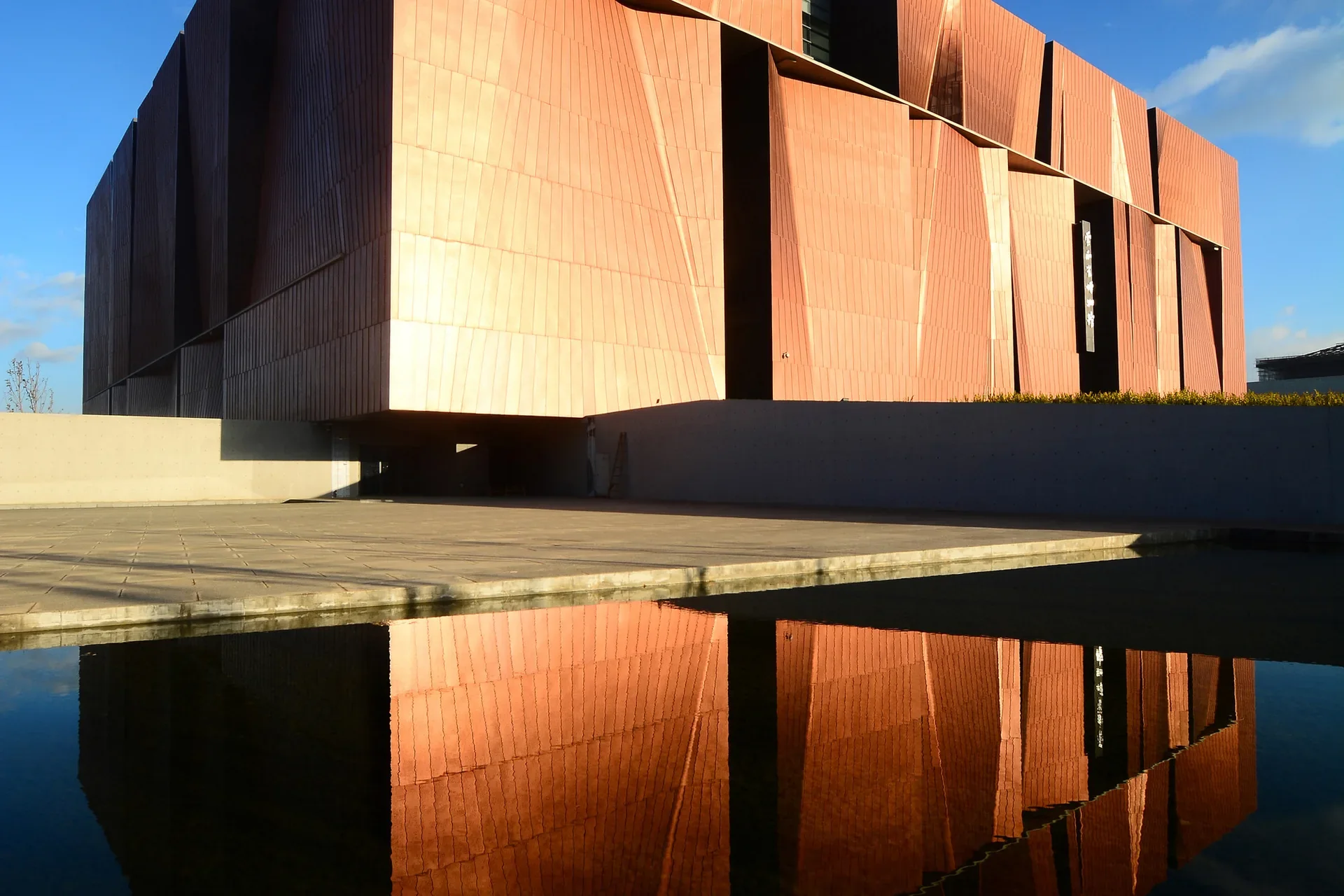
The Yunnan Provincial Museum (云南省博物馆) opened its current building in 2015 in Kunming's Guandu District, a dramatic copper-toned building designed to evoke Yunnan's famous copper resources and the ancient Dian Kingdom. Yunnan is China's most ethnically diverse province - home to 25 of China's 56 ethnic groups - and the museum traces this diversity through 1,000 years of recorded history. The four core collections are: (1) the Dian Kingdom culture (滇池文明, 278-109 BCE) - Yunnan's indigenous civilization centered on Lake Dianchi, producing the famous bronze drums and the "King of Dian" (滇王之印) gold seal; (2) the "Southern Silk Road" trade archaeology - goods and objects documenting Yunnan's role as a trade corridor between China, Southeast Asia, and India; (3) the 25 ethnic minorities' cultural heritage - costumes, textiles, musical instruments, and daily objects from Yunnan's diverse peoples; (4) the "Stone Forest" prehistoric archaeology - hominid and early human sites in Yunnan's karst landscape.
Kunming · history museum2026-10-19
Quick Answer
Is Yunnan Provincial Museum worth visiting?
China's most ethnically diverse museum - covering 25 ethnic minorities across Yunnan province, plus the famous Dianchi culture (2,000-year-old bronze drums and the "King of Dian" copper cof.
Quick facts
| Category | history |
|---|---|
| Ticket | Free. Passport required. Walk-in tickets from the south gate. |
| Hours | 9:00-17:00 (last entry 16:00). Closed Mondays. |
| Recommended duration | 2.5-3.5 hours. |
| Best time to visit | Year-round - Kunming is called "Spring City" for its mild climate (15-25°C year-round). Avoid July-August rainy season. Best combined with visits to Dali, Lijiang, and Xishuangbanna in the same trip. |
| How to get there | Metro Line 1 to Guandu Square Station (昆明广场站), then walk 5 minutes. Bus routes 31, 165, 185, 232 to Yunnan Provincial Museum stop. From Kunming Railway Station by DiDi: ¥20-30. From Kunming Changshui International Airport: ¥40-55. |
| English signage | Partial |
Why visit
The "King of Dian" gold seal (滇王之印) is the definitive object of Yunnan's ancient civilization - a 2,000-year-old gold seal confirming the historical account of a Han Dynasty alliance with the local Dian Kingdom. Combined with the ethnic minority textile collection (the most comprehensive in China), this museum provides the cultural context for Yunnan's extraordinary ethnic diversity that makes travel in the province so rewarding.
Collection highlights
- King of Dian gold seal (滇王之印) - a 2,000-year-old solid gold seal confirming the Han Dynasty's diplomatic recognition of the local Dian Kingdom ruler, one of only a handful of Han-period royal seals in existence
- Dian Kingdom bronze drums - large ceremonial bronze drums from the Dian Kingdom period (278-109 BCE), among the oldest and most elaborate bronze drums in China
- King of Dian copper coffin - an extraordinary electrotype copper sarcophagus from the Dian Kingdom period, one of the only known examples of copper coffin burial in China
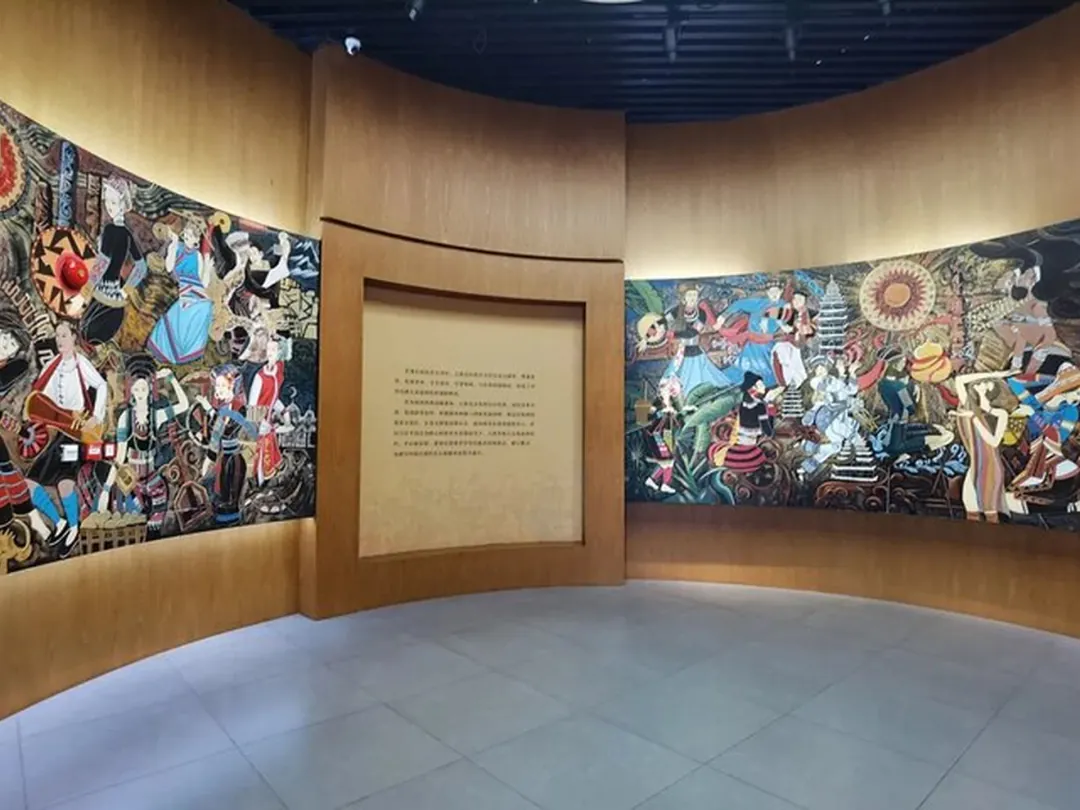
- Ethnic minority textile collection - costumes, embroidered panels, and woven textiles from all 25 of Yunnan's ethnic groups, the most comprehensive such collection in China
- Southern Silk Road artifacts - objects recovered from ancient trade routes showing Yunnan's role in connecting China with Southeast Asia and India, including glass beads and ivory
- Yunnan's "Stone Forest" hominid archaeology - stone tools and hominid fossils from the 1.7 million year-old Yuanmashan site and other Yunnan Paleolithic locations
Tips
- Combine with a visit to the nearby "Dianchi Lake" (滇池) waterfront and the Guandu Ancient Town (古镇) for a half-day Kunming experience
- Yunnan's real cultural experience is outside Kunming - use the museum as a primer for visits to Dali (Bai culture), Lijiang (Naxi culture), Shangri-La (Tibetan culture), and Xishuangbanna (Dai culture)
- The ethnic minority galleries (3rd floor) are the most visually rich and internationally significant
- Kunming is a transit hub - the museum is best visited on arrival or departure day
- The building's copper-toned facade is particularly beautiful at sunset
Frequently asked questions
What was the Dian Kingdom?
The Dian Kingdom (滇国, Dian State) was an indigenous kingdom centered on Lake Dianchi (滇池) near present-day Kunming, existing from around 278 BCE until its conquest by the Han Dynasty in 109 BCE. It developed a distinctive bronze culture including the famous bronze drums, large bronze bells, and the unique "cowrie shell bronze器." The "King of Dian" gold seal confirms historical records of Han Dynasty diplomatic relations with Dian.
How many ethnic groups are in Yunnan?
Yunnan has 25 of China's 56 ethnic groups - the most of any province. Major groups include the Bai (Dali), Naxi (Lijiang), Dai (Xishuangbanna), Yi (Shilin), Zhuang (Wenshan), Miao and Hmong (southeastern Yunnan), and Tibetan (Shangri-La region).
Is this museum a good primer for Yunnan's ethnic minority destinations?
Excellent - the ethnic minority textile gallery on the 3rd floor shows costumes from all 25 groups and is the best single place to understand Yunnan's cultural diversity before visiting specific destinations. After this museum, you'll have much more context for Dali, Lijiang, and Shangri-La.
Does Yunnan Provincial Museum have English signage?
Partial - the Dian Kingdom artifacts and ethnic minority textiles have English labels. The Southern Silk Road and prehistoric archaeology sections have limited English. No English audio guide as of 2026.
How does this compare to the Kunming Museum?
The Yunnan Provincial Museum is the larger provincial institution with regional scope. The Kunming City Museum (昆明市博物馆) is smaller and focused specifically on Kunming city history and archaeology. The provincial museum is the primary destination.
Read next
Other things to do in Kunming
Dianchi Lake
Kunming's 300-sq-km lake on its southern edge — the largest in Yunnan and the 8th biggest freshwater lake in China. Haigeng Park on the northeast shore is free and the best viewpoint.
Green Lake Park
Kunming's free city-centre lake park, famous for the ~3,000 km migration of black-headed gulls from Siberia each November–March (a phenomenon dating to 1985).
Shilin Stone Forest
270-million-year-old limestone karst formations — UNESCO South China Karst. 90 km from Kunming. ¥175 entry. 3–4 hours walking. Maze-like paths through towering grey pinnacles.
Western Hills and Dragon Gate
Taoist grottoes, tunnels, and clifftop pavilions hand-carved into a 2,500-metre ridge above Dianchi Lake — 72 years of chiselling that began in 1781.
Museums in Kunming
Kunming City Museum
Dian Kingdom bronzes from 2,000 years ago — a lost civilization discovered in the 1950s. Cowrie shell containers with intricate battle and ritual scenes. Free.
Kunming Natural History Museum
Home of the Chengjiang Cambrian fossils — 518-million-year-old creatures preserved in exquisite detail. The Cambrian explosion in shale. Free. A pilgrimage site for paleontology enthusiasts.
Yunnan National Museum
Note: this slug is an alias for the Yunnan Provincial Museum in Kunming; see the yunnan-provincial-museum entry for full details, verified in 2026.
Yunnan Nationalities Museum
Kunming's museum of Yunnan's 25 ethnic minorities — costumes, religious art and village reconstructions across four floors. Free with ID; allow 2 hours, mornings are quietest.