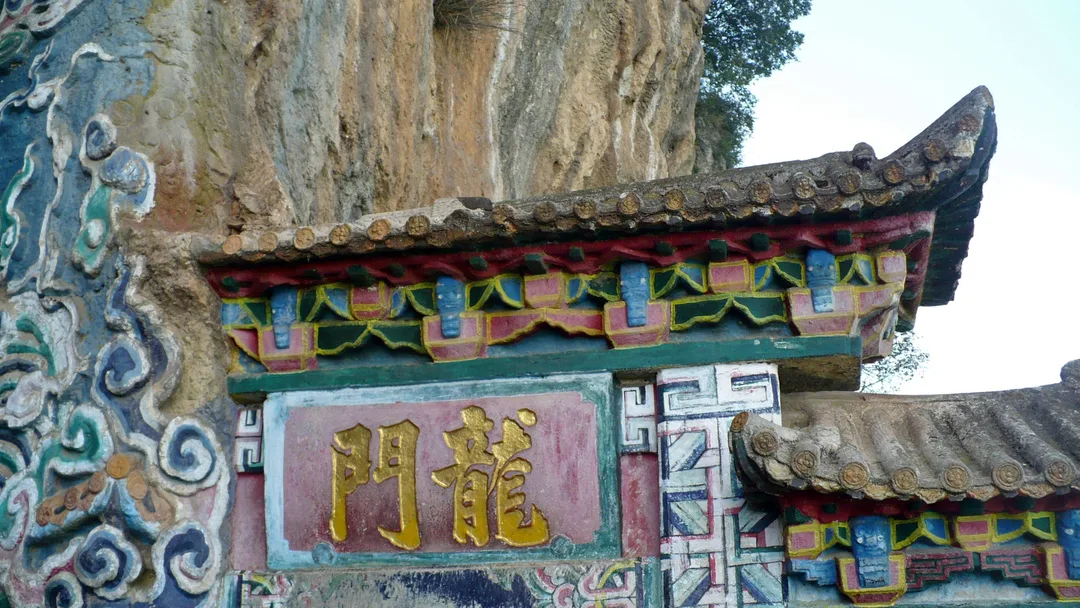
Western Hills and Dragon Gate西山龙门
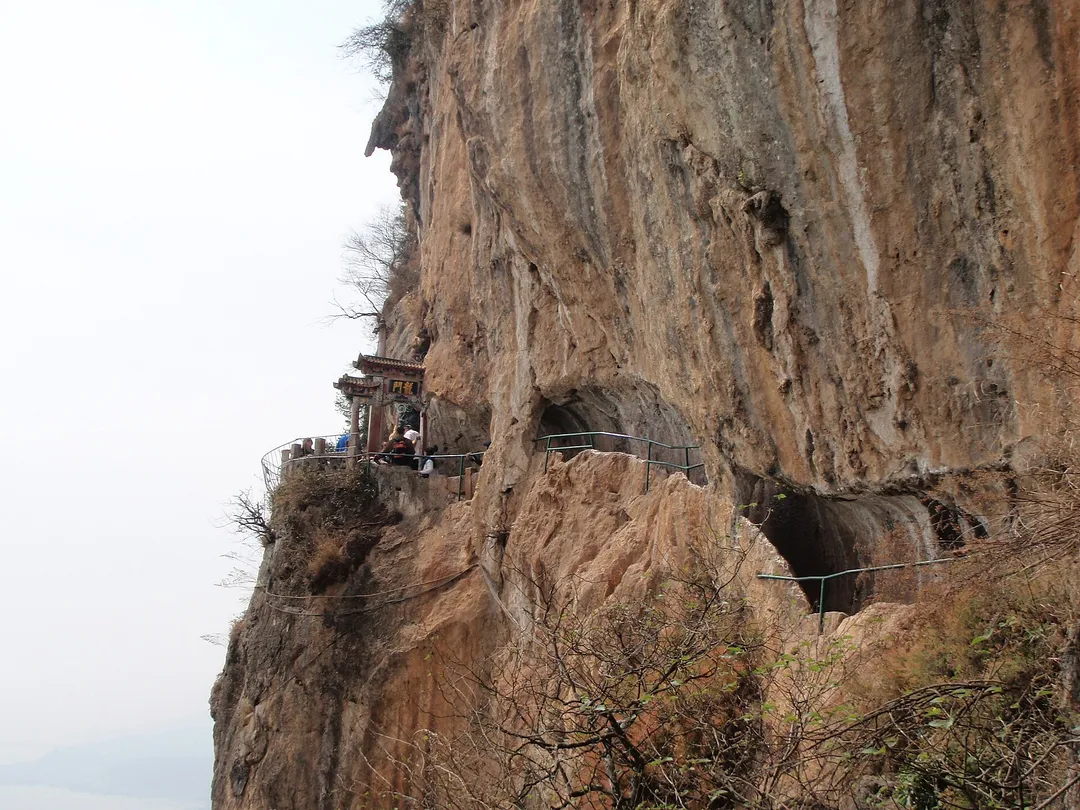
The Western Hills (Xishan) are a pine-covered ridge rising from the western shore of Dianchi Lake, and the Dragon Gate (Longmen) is their climax — grottoes, shrines, and a viewing platform carved straight into a vertical cliff. A Taoist monk named Wu Laiqing started the work in 1781; monks and craftsmen spent the next 72 years chipping it out of solid rock by hand. It's the closest big sight to central Kunming and the spot everyone photographs for the Dianchi-and-city panorama.
Kunming · Visitor Guide2026-10-27
Quick Answer
Is Western Hills and Dragon Gate worth visiting?
Taoist grottoes, tunnels, and clifftop pavilions hand-carved into a 2,500-metre ridge above Dianchi Lake — 72 years of chiselling that began in 1781.
Quick facts
| Ticket | ¥40 scenic-area entry (as of 2026), which includes the Dragon Gate grottoes. The Dianchi–Western Hills cable car is a separate ticket at roughly ¥70 return (verify). A sightseeing bus inside the park costs a few yuan extra. |
|---|---|
| Hours | Daily, roughly 8:00–18:00 (as of 2026; the grotto path may close earlier in low season — verify). Last entry typically 1–1.5 hours before closing. |
| Recommended duration | 2–3 hours on site; 4–5 hours including travel from central Kunming. |
| Best time to visit | March–April and October–November for clear, dry light and minimal haze. Arrive by 8:30 am for empty paths and the best cliff-side photography. Avoid the first weeks of May and October (national Labour Day and Golden Week holidays), when the single-file tunnels back up into 15–20 minute queues. |
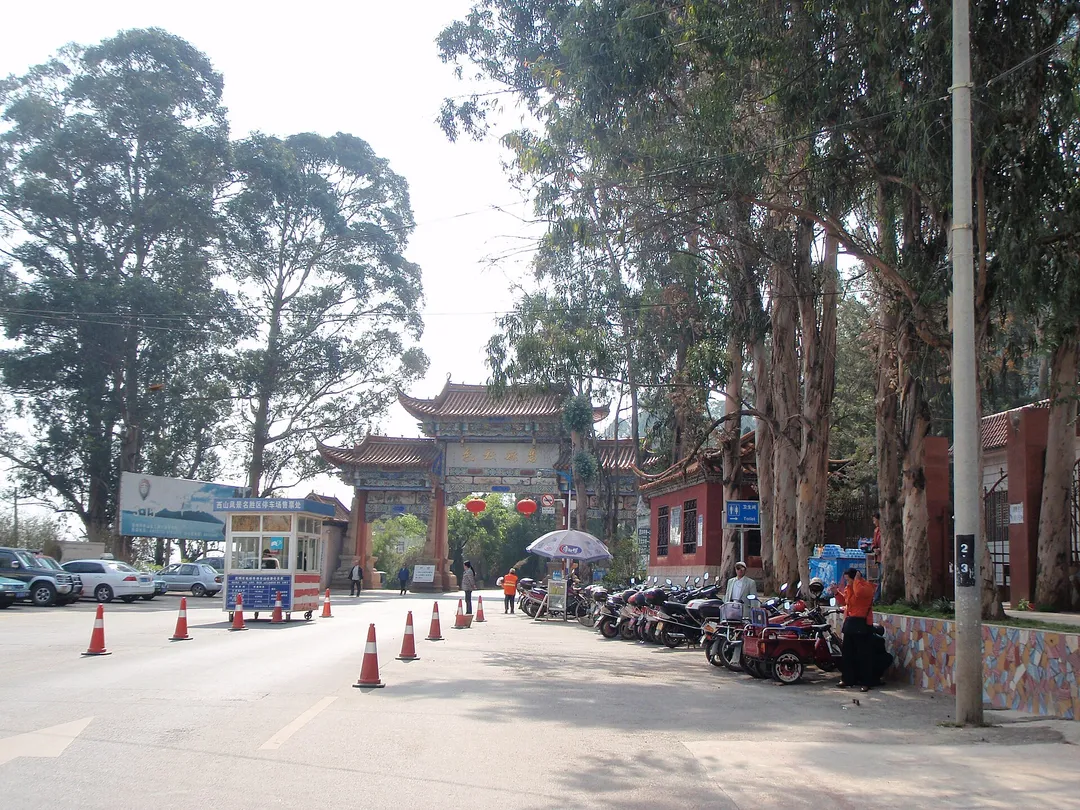
| How to get there | Metro Line 3 to Xishan Park (西山公园) terminus, then bus 6 or a 5-min DiDi to the gate (~40 min, ¥6–7 from Green Lake). DiDi from downtown: 30 min, ¥40–60. Scenic cable car (~¥70 return, verify) runs from Haigeng on the Dianchi shore up to the upper ridge. |
| English signage | Partial |
| Wheelchair accessible | Partial |
| Built | 1781–1853; started by Taoist monk Wu Laiqing, 72 years of hand-carving |
| Elevation | Ridge tops out near 2,500 m; ~600 m above the Dianchi shore |
| Cable car | ~¥70 return from Haigeng on Dianchi (verify) |
| Best time | March–April and October–November; arrive by 8:30 am |
| Distance from centre | 15 km west of downtown Kunming |
| Heritage status | National 4A scenic area (not UNESCO) |
What to expect
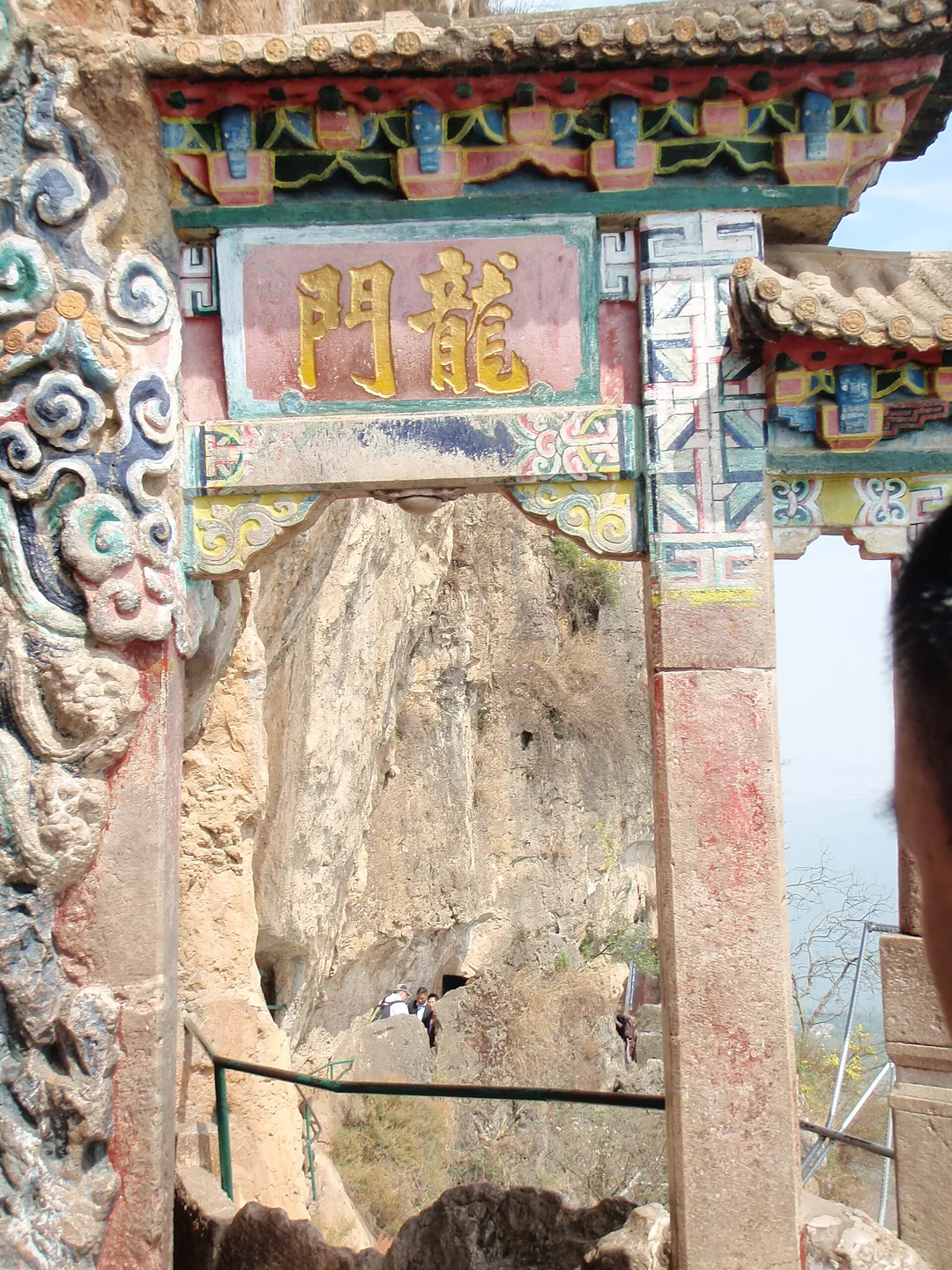
The Western Hills rise sharply off the western edge of Dianchi Lake, a pine-and-camphor ridge that runs roughly north–south for about 20 kilometres. Most visitors skip the lower forest park and head straight for the Dragon Gate — the cluster of Taoist grottoes and pavilions pinned to a near-vertical cliff near the ridge's northern end. The route threads through hand-cut tunnels barely wide enough for one person, past shrines and inscribed steles, and out onto the Dragon Gate viewing platform: a slab of rock jutting over the drop with the whole Kunming basin, Dianchi Lake, and the city skyline laid out below. On a clear morning you can see the Chenggong district towers roughly 30 km away across the water.
The carving began in 1781 under a Taoist monk named Wu Laiqing, who spent years chiselling the first cave and tunnel out of the cliff face by hand. After his death other monks and local stoneworkers carried on; the full Dragon Gate complex took 72 years and was finished in the 1850s. The figures inside the grottoes are Taoist — the Three Pure Ones, the Jade Emperor, Kuixing (god of examinations), and the dragon-headed horse that gives the gate its name. The feat is as much engineering as art: the tunnels follow natural fissures in the limestone, and the platform was cut back under an overhang so the rock above shelters it from rain. Western Hills is a national 4A scenic area, not a UNESCO site — that status belongs to the South China Karst and the Stone Forest, 90 km away.
In practice the visit is a one-way walk. Take the cable car or a taxi to the upper gate near the ridge, walk the grotto path, and descend on foot toward the lake; going up those stairs in midday heat is misery. Crowds peak between 10:00 and 14:00, when domestic tour groups funnel through the single-file tunnels and the wait at the narrowest sections can stall for 20 minutes. The cliff is exposed, so it's windy and 5–8°C cooler than the city — bring a layer even in summer. Most guidebooks push the lower 'forest park' section; actually you can skip it and the overpriced restaurants near the entrance entirely, because the grottoes and the platform are the whole reason to come.
How to get there
Metro is the cheapest route: take Line 3 west to Xishan Park (西山公园) station, the line's terminus, then bus 6 or a 5-minute DiDi (about ¥10) up to the scenic-area gate. From Green Lake / Wuhua district the metro leg is roughly 30 minutes and ¥6–7; total door-to-gate about 40 minutes. By DiDi or metered taxi from central Kunming, expect 30 minutes and ¥40–60. The scenic Dianchi–Western Hills cable car (separate ticket, about ¥70 return, verify) lifts you from Haigeng Park on the lake shore directly to the upper ridge — the most photographed approach and the easiest if you plan to walk downhill. From Kunming South HSR station add 20–30 minutes and ¥60–80. Buses 6, 51, and 94 also serve the area from downtown, but they're slow, crowded, and signage is Chinese-only; the metro plus DiDi combo is the better bet for most foreign visitors.
Best photo spots
- The Dragon Gate viewing platform — the overhanging slab with Dianchi Lake and the Kunming skyline behind you; best 8:30–10:00 am before haze builds over the water.
- Looking back through the narrow cliff tunnel toward the light — a classic frame, but you'll need to wait for a gap between tour groups since it's single-file.
- The cable car cabin crossing above the Dianchi lakeshore on the approach, with the Western Hills ridge rising ahead of you.
- Sanqing Pavilion (三清阁) halfway up, where the carved eaves meet the cliff face — shoot upward to catch the rock overhang against the sky.
Tips
- Walk down, not up. Take the cable car or taxi to the upper gate, do the grottoes, then descend on foot — the reverse turns a pleasant morning into a stair-climbing ordeal.
- Arrive by 8:30 am. The tunnels are single-file; after 10:00 the tour buses arrive and you'll queue 15–20 minutes at the pinch points.
- Buy the ¥40 entry at the gate, not from online resellers — third-party apps sometimes bundle a sightseeing bus you won't use.
- Bring a layer. The cliff is exposed and runs 5–8°C cooler than downtown; in winter the wind on the platform is genuinely cold.
- Pair it with Haigeng Park on the Dianchi shore — finish the hills by lunch, descend to the lake for the afternoon and, November–March, the Siberian gulls.
Scams to avoid
- Self-styled 'guides' near the lower gate who offer to lead you up for ¥100–200 — you don't need one; the path is linear and signed. Politely refuse and walk on.
- Taxi drivers quoting a flat ¥150 'round trip' from downtown; the metered or DiDi fare is ¥40–60 each way. Use the app and avoid the negotiation.
- Tea-shop 'free tasting' hustles in the lower forest park area — a hard sell on overpriced pu'er after a complimentary cup. Skip unless you actually intend to buy.
Frequently asked questions
How much is the ticket for Western Hills and Dragon Gate?
The scenic-area entry is ¥40 (as of 2026) and includes the grottoes. The Dianchi–Western Hills cable car is a separate ticket at roughly ¥70 return (verify). A sightseeing bus inside the park runs a few yuan extra. Buy entry at the gate, not from online resellers, who sometimes bundle a bus you won't use.
How do I get to Western Hills from Kunming city centre?
Take Metro Line 3 west to Xishan Park (西山公园) station, the line's terminus, then bus 6 or a 5-minute DiDi (about ¥10) up to the gate. From Green Lake that's roughly 40 minutes and ¥6–7. A DiDi from downtown is about 30 minutes and ¥40–60.
How long should I spend at Western Hills and Dragon Gate?
Plan 2–3 hours on site and 4–5 hours including travel from central Kunming. If you ride the cable car up and walk down, 2 hours covers the grottoes and the platform comfortably; add an hour if you also explore the lower Sanqing Pavilion area.
When is the best time to visit Western Hills?
March–April and October–November, when skies are clear and the air is dry. Arrive by 8:30 am for the best light and fewest people. Avoid the first weeks of May and October — the national holidays turn the single-file tunnels into long queues.
Should I take the cable car or walk the Dragon Gate?
Take the cable car (or a taxi) to the upper gate and walk down. The grotto path is all stairs and tunnels; climbing it in midday heat is exhausting and slows everyone behind you. The downhill route hits the same sights in reverse with a fraction of the effort.
Who carved the Dragon Gate grottoes and when?
A Taoist monk named Wu Laiqing began the work in 1781, chiselling the first cave and tunnel out of the cliff by hand. After his death, other monks and local stoneworkers carried on; the full complex took 72 years and was finished in the 1850s.
Is Western Hills a UNESCO World Heritage site?
No. Western Hills is a national 4A scenic area. The UNESCO listing in this region is the South China Karst, which includes the Stone Forest (Shilin), 90 km southeast of Kunming — not the Western Hills. Don't book expecting a World Heritage badge.
Are the grottoes accessible for wheelchairs or limited mobility?
Not the Dragon Gate itself — the path is narrow tunnels and steep rock stairs cut into a cliff. Wheelchair users can ride the cable car and reach some lower terraces and viewpoints, but the headline grottoes and the platform are stairs-only.
What's the elevation, and will the altitude bother me?
The ridge tops out near 2,500 m, roughly 600 m above the Dianchi shore. Kunming itself sits at 1,890 m, so if you're already acclimatised to the city the hills won't add altitude trouble — just expect more steps and a bit more huffing on the stairs.
Can I combine Western Hills with other sights in one day?
Yes — it's a half-day trip. The most common pairing is Haigeng Park on the Dianchi shore for afternoon lake views and, from November to March, the Siberian gulls. You can also add the Yunnan Nationalities Village next door, or the Bamboo Temple (Qiongzhu Si) to the northwest for a full day with a driver.
Read next
Other things to do in Kunming
Dianchi Lake
Kunming's 300-sq-km lake on its southern edge — the largest in Yunnan and the 8th biggest freshwater lake in China. Haigeng Park on the northeast shore is free and the best viewpoint.
Green Lake Park
Kunming's free city-centre lake park, famous for the ~3,000 km migration of black-headed gulls from Siberia each November–March (a phenomenon dating to 1985).
Shilin Stone Forest
270-million-year-old limestone karst formations — UNESCO South China Karst. 90 km from Kunming. ¥175 entry. 3–4 hours walking. Maze-like paths through towering grey pinnacles.
Museums in Kunming
Kunming City Museum
Dian Kingdom bronzes from 2,000 years ago — a lost civilization discovered in the 1950s. Cowrie shell containers with intricate battle and ritual scenes. Free.
Kunming Natural History Museum
Home of the Chengjiang Cambrian fossils — 518-million-year-old creatures preserved in exquisite detail. The Cambrian explosion in shale. Free. A pilgrimage site for paleontology enthusiasts.
Yunnan National Museum
Note: this slug is an alias for the Yunnan Provincial Museum in Kunming; see the yunnan-provincial-museum entry for full details, verified in 2026.
Yunnan Nationalities Museum
Kunming's museum of Yunnan's 25 ethnic minorities — costumes, religious art and village reconstructions across four floors. Free with ID; allow 2 hours, mornings are quietest.
Yunnan Provincial Museum
China's most ethnically diverse museum - covering 25 ethnic minorities across Yunnan province, plus the famous Dianchi culture (2,000-year-old bronze drums and the "King of Dian" copper cof.