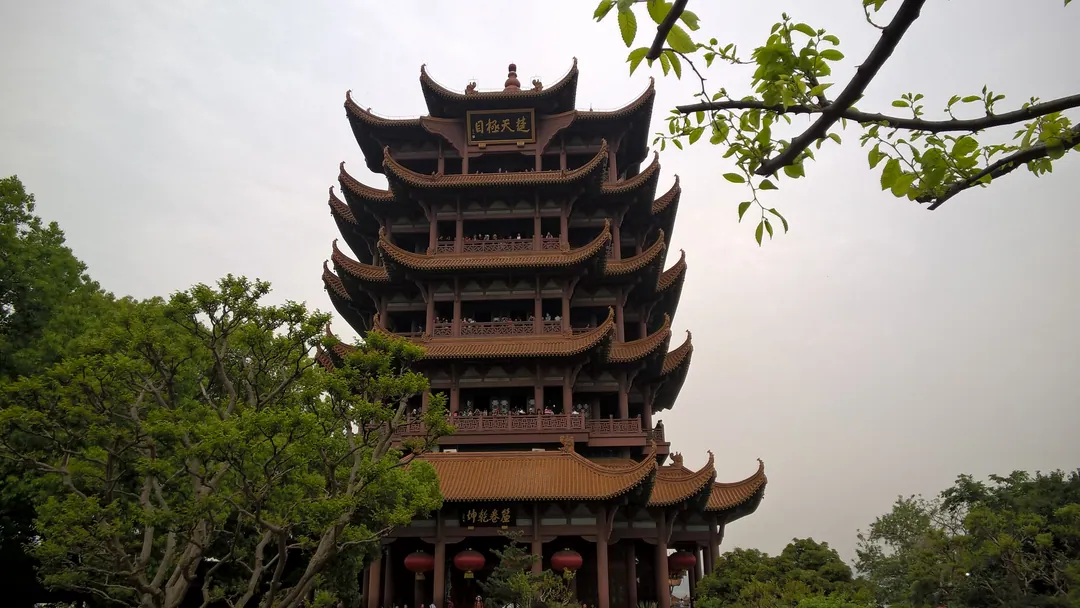
Yellow Crane Tower Park黄鹤楼公园
The Yellow Crane Tower — destroyed and rebuilt many times since 223 CE, most recently in 1985 on a hill overlooking the Yangtze — is Wuhan's symbol and the subject of China's most famous farewell poem. The five-story reconstruction offers panoramas over the river and the first Yangtze bridge.
Wuhan · Visitor Guide2026-10-18
Quick Answer
Is Yellow Crane Tower Park worth visiting?
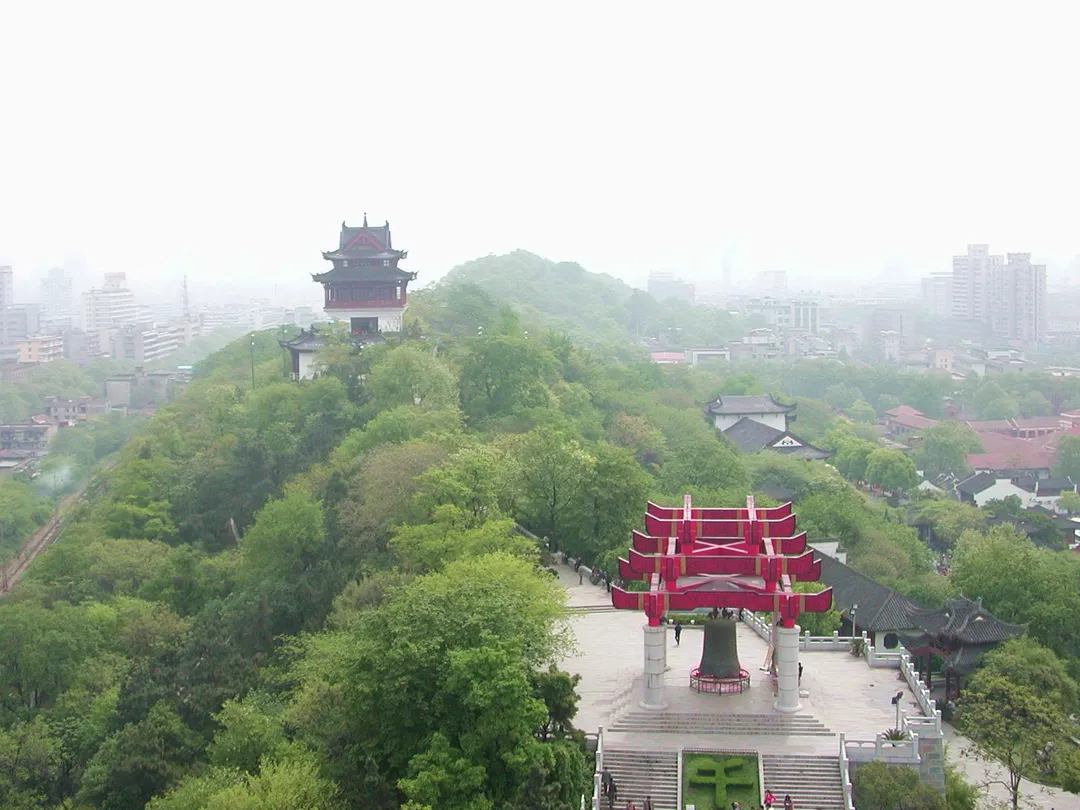
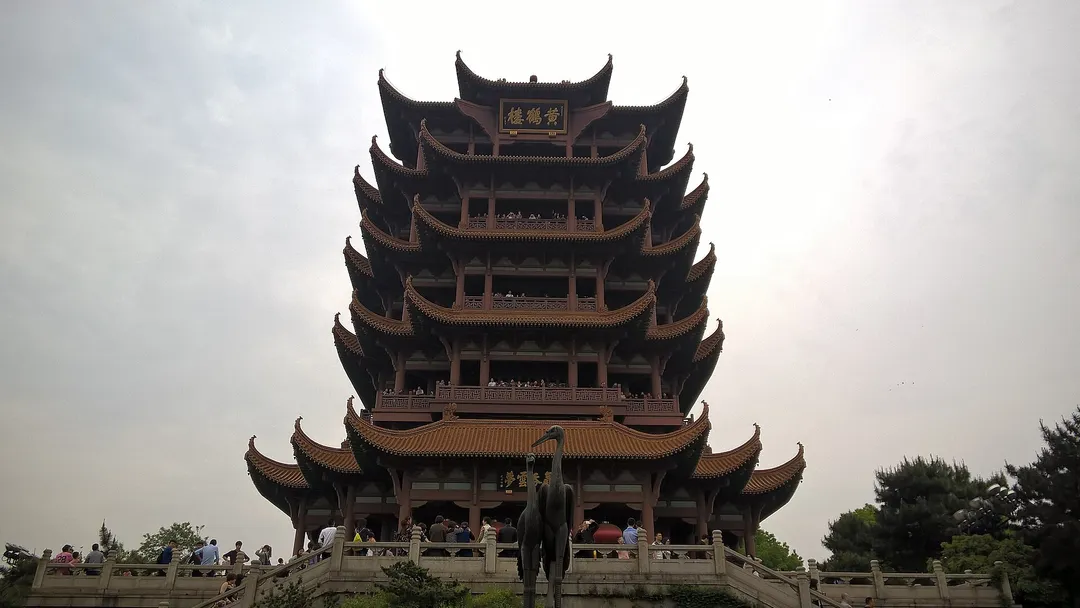
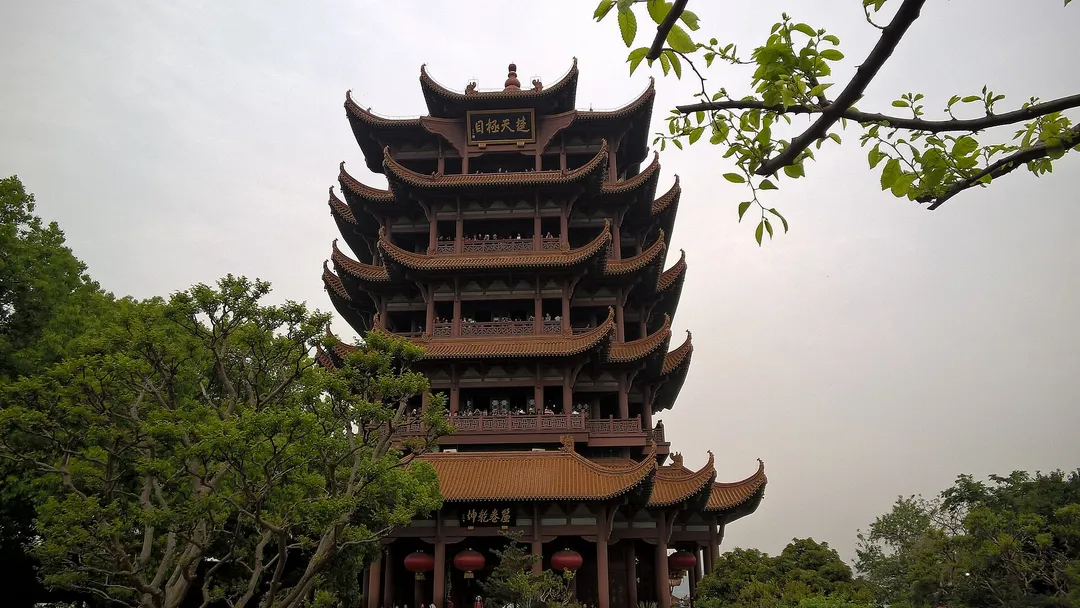
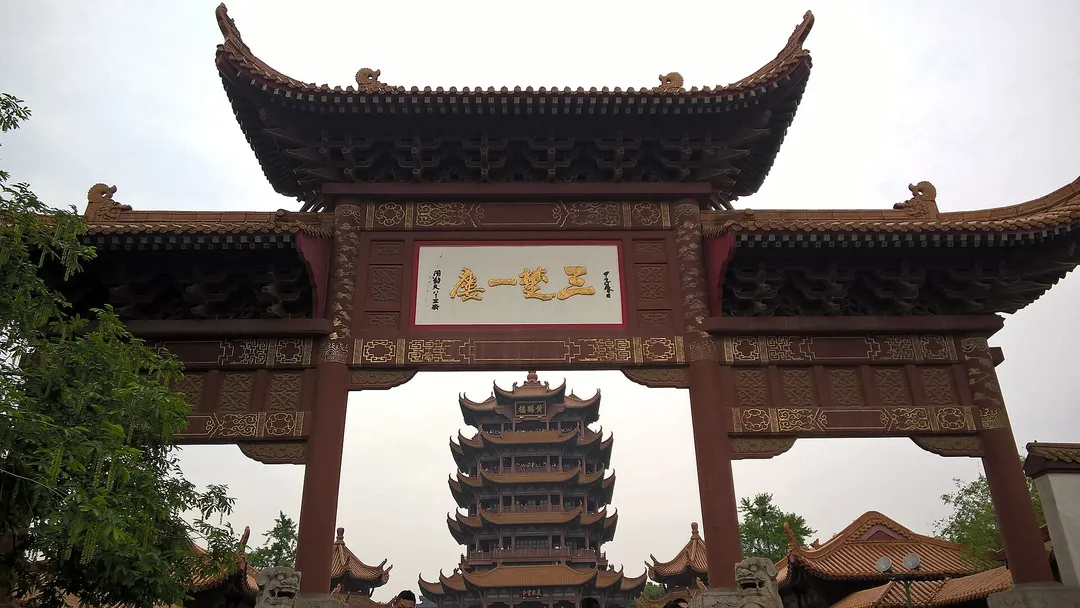
Wuhan's symbol on Snake Hill: the fifth-generation Yellow Crane Tower overlooking the Yangtze and the 1957 bridge, with the poem of Cui Hao carved inside.
Quick facts
| Ticket | ¥70 (Apr-Oct) / ¥65 (Nov-Mar) |
|---|---|
| Hours | 08:30-17:00 (Apr-Oct) / 09:00-17:00 (Nov-Mar) |
| Recommended duration | 2 hours |
| Best time to visit | Sunset for the city view; evening light show |
| How to get there | Metro Line 5 to Simenkou, 10-min walk |
| English signage | good |
| Wheelchair accessible | Partial |
What to expect
The tower was a travelers' landmark for 1,700 years — poets Cui Hao and Li Bai wrote the verses every Chinese schoolchild memorizes. The current 51-meter version (1985) moved one kilometer to Snake Hill's higher ground, built of concrete in period style with yellow-glazed tiles.
Each floor is a small exhibition on the tower's history and poems; the top floor opens to a 360-degree view over the Yangtze, the 'first bridge' and Wuhan's three towns. The surrounding park includes the Mao Zedong pavilion and a bronze of the crane.
How to get there
Metro Line 5 to Simenkou station, Exit C, then a 10-minute walk up Snake Hill; the tower faces the Yangtze bridge.
Best photo spots
- Top-floor panorama over the Yangtze and bridge
- The tower exterior at sunset from the west lawn
- The Mao Zedong poem pavilion
Tips
- Evening light-show tickets (select nights) are separate from day entry — book ahead
- Pair with Hubu Alley breakfast at the foot of the hill
Frequently asked questions
Is the tower the original?
No — the original was destroyed and rebuilt many times; the current tower dates to 1985 and stands about 1 km from the historic site, higher on Snake Hill.
What does the ticket include?
The park, the tower and its exhibitions; a separate ticket covers the evening light show on show nights.
Read next
Other things to do in Wuhan
Hubu Alley
Wuhan's legendary breakfast lane by the Yangtze: re gan mian (hot dry noodles), crispy doupi, soup dumplings and rice wine in a 150-meter alley — the definitive taste of the city's walk-and-eat guo...
Three Gorges Dam
The world's largest hydroelectric dam — 2,335 m across, 181 m tall, generating 22,500 MW. A feat of engineering and controversy. ¥105. 3–4 hours from Yichang.
East Lake (Donghu)
Wuhan's massive urban lake — 33 km of shoreline, lotus fields, cycling paths, and the futuristic Hubei Museum nearby. ¥60 for scenic areas. Half-day to full day.
Yellow Crane Tower
Wuhan's famous pagoda — rebuilt in 1985 on the site of a 1,800-year-old tower immortalized by China's most famous farewell poem. Yangtze River views from the top. ¥80. 1.5–2 hours.
Museums in Wuhan
Hubei Provincial Museum
Home of the 2,400-year-old bronze bells of Marquis Yi of Zeng — still playable after two millennia. The finest tomb assemblage from China's Warring States period. Free. Daily bell performances.
Wuhan Museum
Central China's major museum at the Yangtze-Han river confluence in Wuhan, covering ancient Chu culture, the 1911 Xinhai Revolution and the Three Towns history.
Hubei Provincial Museum
Home to the 2,400-year-old Bianzhong of Marquis Yi of Zeng (65 bronze bells weighing 2,500 kg), this free national museum needs 3 hours to do it justice.