East Lake (Donghu)武汉东湖
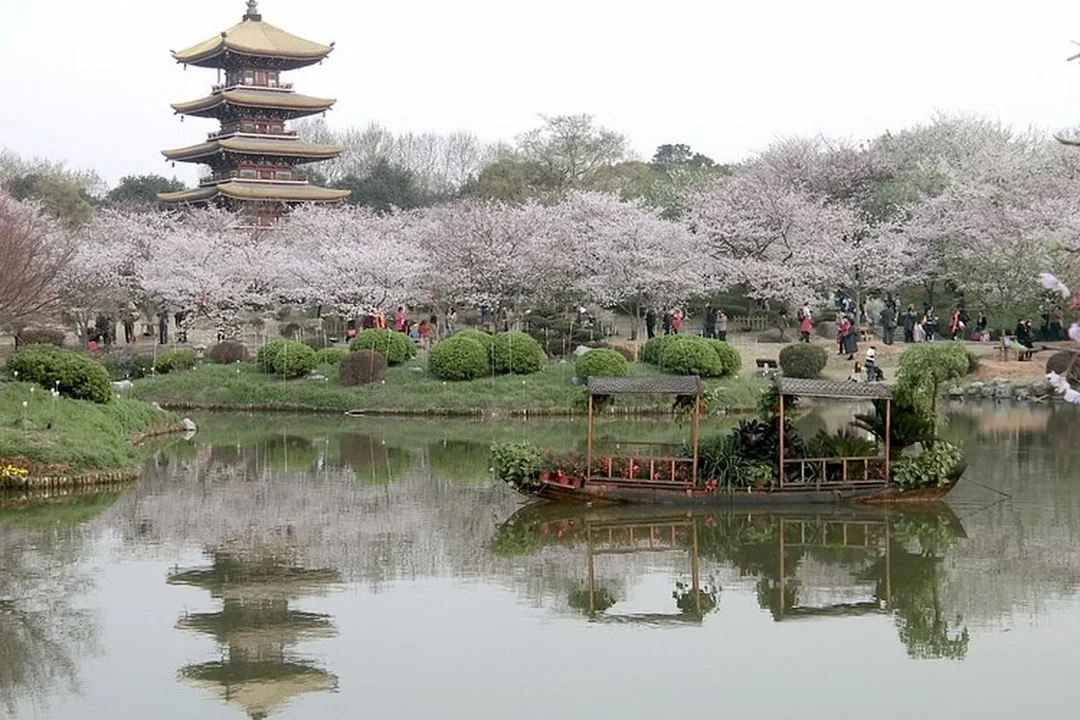
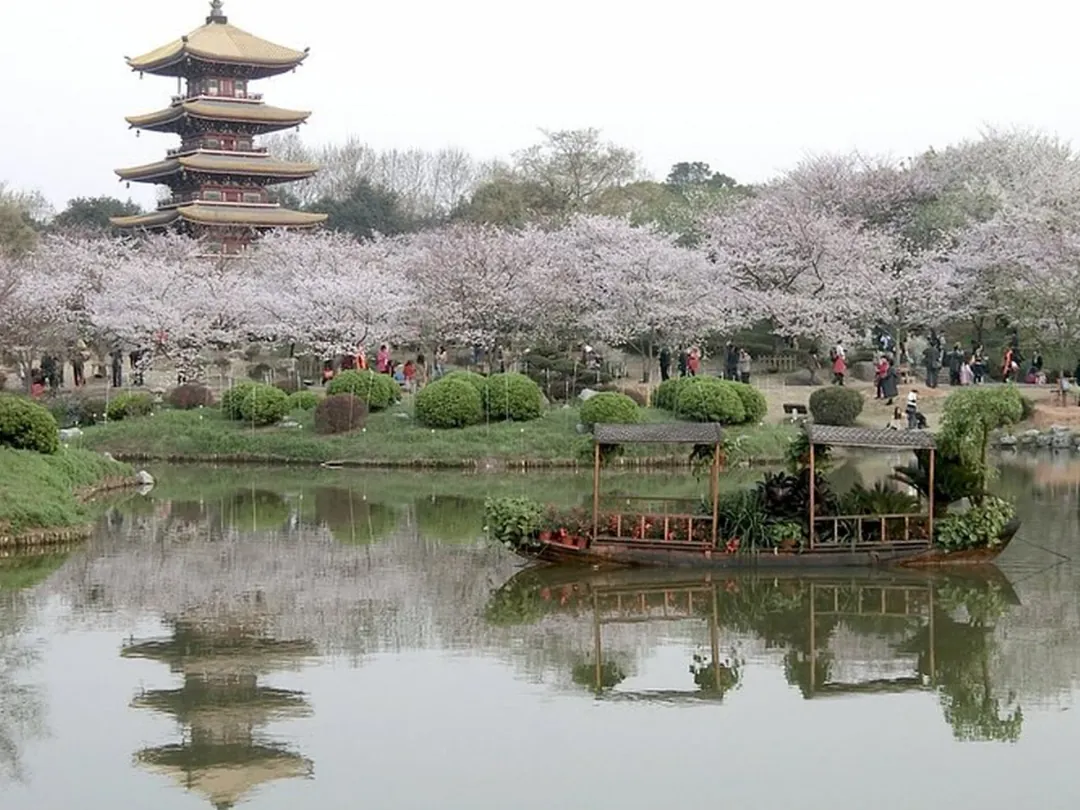
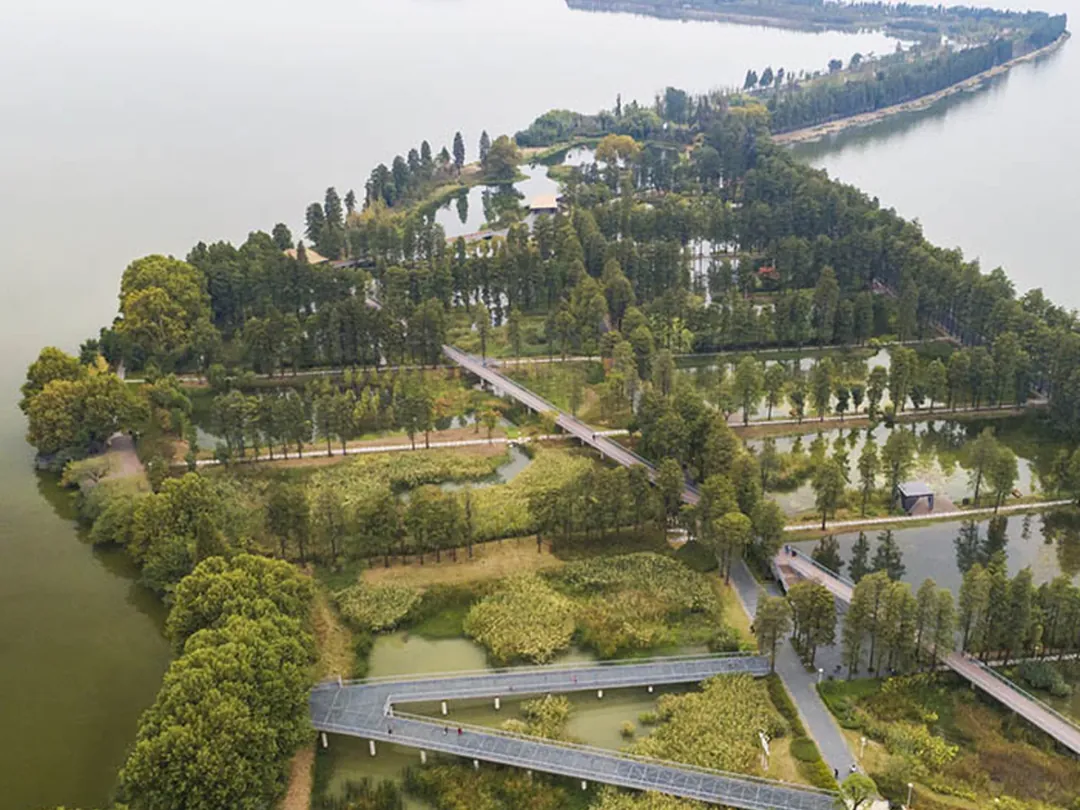
East Lake (Donghu) is the largest urban lake in China, covering 33 square kilometers in the eastern part of Wuhan — roughly the size of all of central Beijing's inner city. It is not a manicured garden but a vast natural landscape within the city: lotus swamps in summer, cypress groves, and 33 km of shoreline that locals use for cycling, rowing, and evening strolls. The area is divided into several scenic zones; the most visited is Tinghua Island (听涛岛) in the northwest near the Hubei Museum. The lake is most impressive in July–August when the lotus bloom covers entire sections of water in pink and white.
Wuhan · Visitor Guide2026-10-18
Quick Answer
Is East Lake (Donghu) worth visiting?
Wuhan's massive urban lake — 33 km of shoreline, lotus fields, cycling paths, and the futuristic Hubei Museum nearby. ¥60 for scenic areas. Half-day to full day.
Quick facts
| Ticket | Free entry to the lake perimeter. Scenic zone tickets: ¥60 (听涛+落雁+磨山 combined). |
|---|---|
| Hours | Open 24 hours. Scenic zone: 7:30–17:30. |
| Recommended duration | Half a day for the scenic zones. Full day if cycling the perimeter. |
| Best time to visit | July–August for lotus bloom. October for autumn colors. Weekends for the cycling culture. |
| How to get there | Metro Line 8 to Hubei Museum station (省博物馆站) for the north gate. Or Metro Line 2 to Guanggu Square for the east side. DiDi from central Wuhan: ¥30–50. |
| English signage | Partial |
| Wheelchair accessible | partial (paths are flat but long distances) |
| Area | 33 km² — largest urban lake in China |
| Shoreline | 33 km |
| Seasonal highlight | Lotus bloom (July–August) |
| Connected attraction | Hubei Museum (adjacent, free) |
| Activities | Cycling, rowing boats, sunset viewing |
What to expect
East Lake is less a destination than a way of life for Wuhan — on any given morning 50,000 residents walk, jog, or practice tai chi along its shores. The lake has four distinct areas: Tinghua (听涛, 'listening to the waves') in the northwest, which is the most historically significant; Moshan (磨山, 'Mill Mountain') in the east, which has a cable car to the summit; Luoyan (落雁, 'Falling Goose') in the northeast, known for its lotus and wetlands; and the Mazu (玛雅, 'Maya') scenic area in the south, named for a pyramid-shaped building.
The Hubei Museum (湖北省博物馆, free entry) is adjacent to the north gate and considered one of China's best provincial museums. Its star exhibit is the Zenghouyi (曾侯乙) chime bells — a 2,400-year-old set of 65 bronze bells capable of playing a full chromatic scale, discovered in 1978 from a tomb near Suizhou. The performance (¥30, 15 minutes) plays reproductions of ancient music on the original bells. It is one of the most extraordinary musical instruments surviving from ancient China.
July and August bring the lotus bloom — sections of the lake become impassable fields of pink and white lotus flowers, and Wuhan hosts an annual Lotus Festival. The best views are from Luoyan Island in the early morning, before the boats disturb the still water.
How to get there
Metro Line 8 to Hubei Museum station (省博物馆站) — north gate of East Lake is a 5-minute walk. Metro Line 2 to Guanggu Square for the east side. DiDi from central Wuhan (Yangtze River north bank): ¥30–50, 30 minutes.
Best photo spots
- Lotus fields from Luoyan Island (July–August)
- The Hubei Museum exterior with the Zenghouyi chime bells
- Sunset over the lake from Tinghua Island
- The Maya pyramid building reflected in the lake
Tips
- Combine with the Hubei Museum (free, allow 2 hours) — the chime bell performance is at 10:30, 11:30, 14:30, 15:30
- Rent a bicycle (¥10/hour) at any of the main gates and cycle the lakeshore path — the most efficient way to cover the perimeter
- Come at 6 AM on a weekend — the morning scene of tai chi and ballroom dancing along the lake is as local as Wuhan gets
- The Moshan cable car (¥60 one way, ¥90 round trip) gives a panorama of the entire lake from the east side
Scams to avoid
- Private boat operators on the lake — use the official boat rental stations only
Frequently asked questions
Is this comparable to West Lake in Hangzhou?
Different. West Lake (西湖) is smaller (6 km²), fully cultivated with gardens and causeways, and in the center of Hangzhou. East Lake (东湖) is 5× larger (33 km²), wilder, and more integrated into Wuhan's daily life. West Lake is prettier for a short visit; East Lake is more rewarding for a full day outdoors.
Can I swim in East Lake?
Yes — designated swimming areas exist in the summer, patrolled by lifeguards. Locals swim in the lake June–September. However, pollution levels fluctuate; check with your hotel before swimming. The official beach areas are the safest.
What are the must-see areas within East Lake?
Tinghua Island (听涛岛) near the Hubei Museum is the most historically significant. Moshan (磨山) has a cable car with panoramic lake views. Luoyan (落雁) offers the best lotus views in summer. The Hubei Museum next to the north gate is free and highly recommended — don't miss the Zenghouyi chime bells performance.
Read next
Other things to do in Wuhan
Hubu Alley
Wuhan's legendary breakfast lane by the Yangtze: re gan mian (hot dry noodles), crispy doupi, soup dumplings and rice wine in a 150-meter alley — the definitive taste of the city's walk-and-eat guo...
Three Gorges Dam
The world's largest hydroelectric dam — 2,335 m across, 181 m tall, generating 22,500 MW. A feat of engineering and controversy. ¥105. 3–4 hours from Yichang.
East Lake (Donghu)
Wuhan's massive urban lake — 33 km of shoreline, lotus fields, cycling paths, and the futuristic Hubei Museum nearby. ¥60 for scenic areas. Half-day to full day.
Yellow Crane Tower
Wuhan's famous pagoda — rebuilt in 1985 on the site of a 1,800-year-old tower immortalized by China's most famous farewell poem. Yangtze River views from the top. ¥80. 1.5–2 hours.
Yellow Crane Tower Park
Wuhan's symbol on Snake Hill: the fifth-generation Yellow Crane Tower overlooking the Yangtze and the 1957 bridge, with the poem of Cui Hao carved inside.
Museums in Wuhan
Hubei Provincial Museum
Home of the 2,400-year-old bronze bells of Marquis Yi of Zeng — still playable after two millennia. The finest tomb assemblage from China's Warring States period. Free. Daily bell performances.
Wuhan Museum
Central China's major museum at the Yangtze-Han river confluence in Wuhan, covering ancient Chu culture, the 1911 Xinhai Revolution and the Three Towns history.
Hubei Provincial Museum
Home to the 2,400-year-old Bianzhong of Marquis Yi of Zeng (65 bronze bells weighing 2,500 kg), this free national museum needs 3 hours to do it justice.