This page is archived and no longer updated — see the current guide: See the current guide
Baojia Garden鲍家花园
Reconstruction of a Qianlong-era Huizhou merchant's garden on the edge of Shexian, displaying 10,000+ Hui-style bonsai and an 800-year-old plum.
Huangshan · Visitor Guide2026-10-19
Quick Answer
Is Baojia Garden worth visiting?
China's largest private garden near Shexian in Huangshan, about 24 hectares (360 mu) with 10000+ Hui-style bonsai; entry 50 yuan, open 08:00-17:00, home to an 800-year-old plum.
Quick facts
| Ticket | Adults ¥50; students and seniors ¥25 |
|---|---|
| Hours | 08:00-17:00 |
| Recommended duration | 1-2 hours |
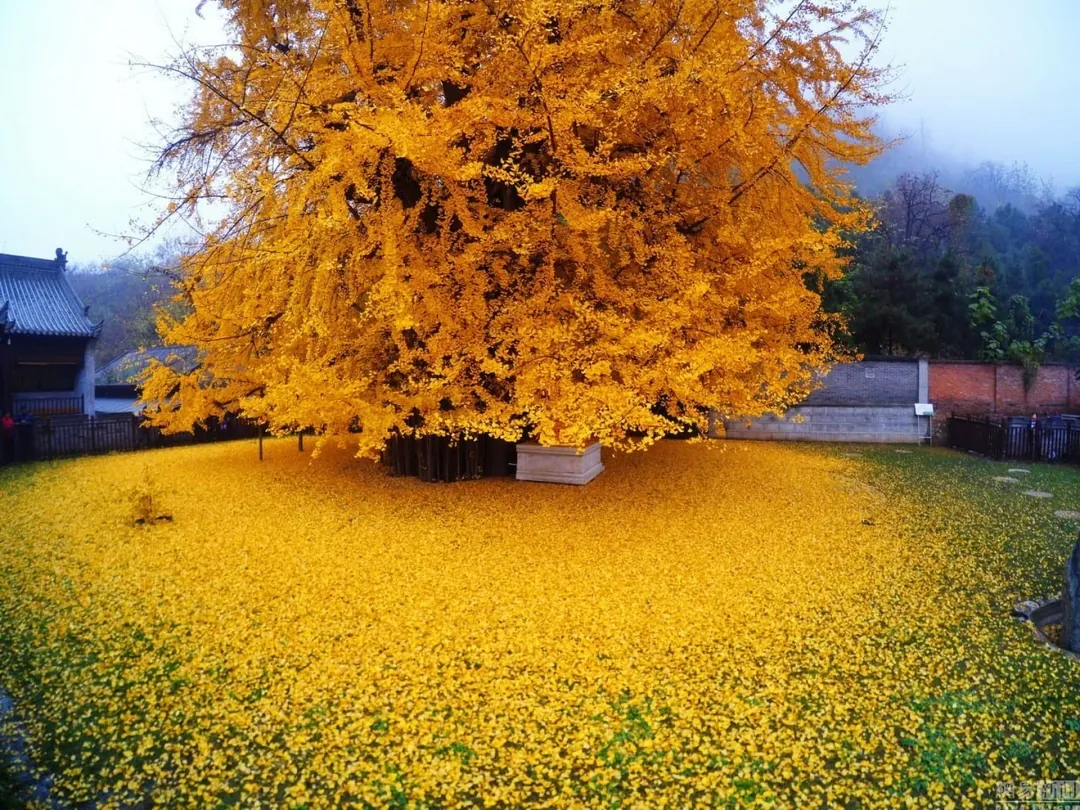
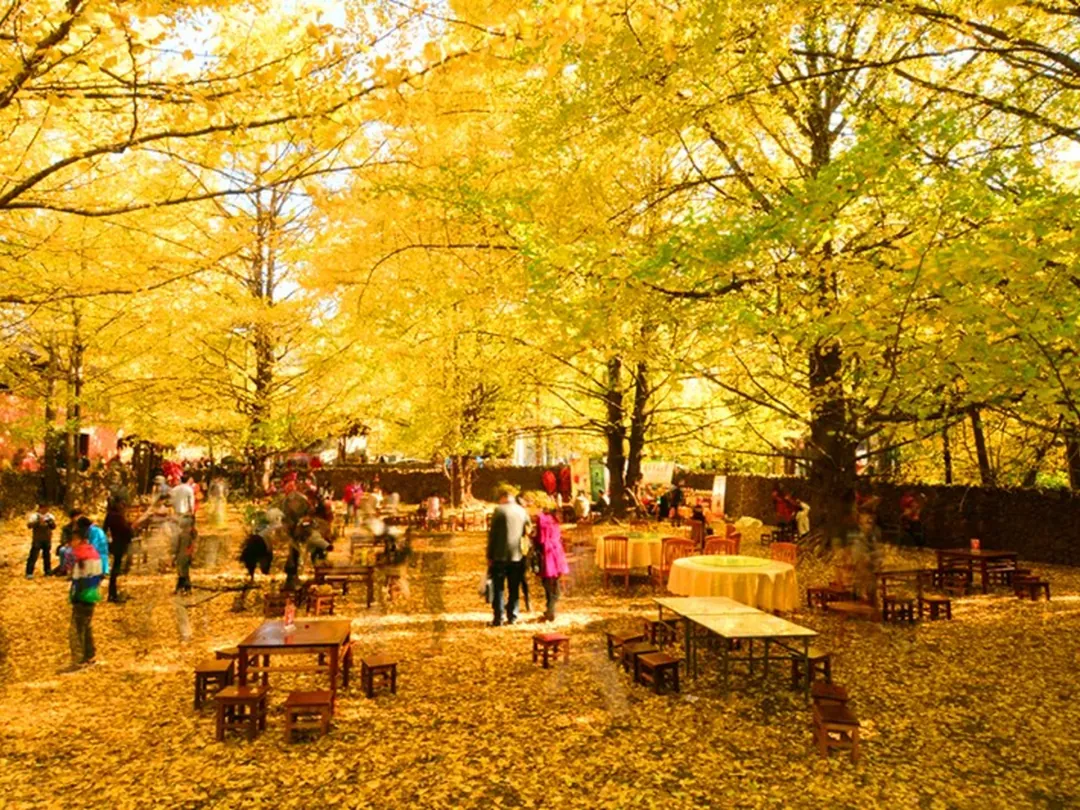
| Best time to visit | Year round (the bonsai reward any season); best in autumn when the ginkgo leaves turn gold |
| How to get there | About 15 minutes from Shexian county town by bus or taxi; by car follow Provincial Road S215 to Shexian |
| English signage | Partial |
| Wheelchair accessible | Yes |
| Built | Qing dynasty, Qianlong era (rebuilt from historical records) |
| Garden area | About 360 mu (24 hectares) |
| Bonsai collection | Over 10,000 bonsai |
| Oldest bonsai | 'First Plum of Old Huizhou' (800 years old) |
| Garden style | Hui-style landscaping combined with Suzhou-school bonsai |
| Distinction | 'Mother of Oriental Gardens' |
What to expect
Baojia Garden was built as a private garden by the Huizhou merchant Bao Qiyun during the Qianlong era of the Qing dynasty and was once celebrated as the largest private garden in China. The original was destroyed in war; the present garden is a 1990s reconstruction based on historical records.
The bonsai collection spans many species, chiefly plum, pine, cypress and maple. The star of the garden, an 800-year-old 'First Plum of Old Huizhou', still flowers every year. Hui-style bonsai is known for its tall-trunk forms and ranks with the Suzhou and Yangzhou schools among China's three great bonsai traditions.
The layout is artful: rockeries, flowing water, pavilions and galleries set off the bonsai. Plum blossom in spring, red maples in autumn and snow scenes in winter give the garden year-round appeal.
How to get there
Shexian is about 40 minutes by car from Huangshan North railway station. Take the Shexian-Huangshan bus and get off at the Baojia Garden stop, or come by taxi; drivers can follow Provincial Road S215 directly.
Best photo spots
- The 'First Plum of Old Huizhou' (an 800-year-old plum stump)
- The bonsai gallery
- Garden reflections in the ponds
- Rockeries and pavilions
- The golden ginkgo avenue in autumn
Tips
- The bonsai are extremely valuable — look but do not touch
- Pair the visit with Shexian Ancient City nearby; Huizhou Ancient City and the Xu Guo Stone Arch are also close by
- Photographers should focus on bonsai close-ups — autumn light is the most flattering
- Bonsai are sold at the exit at steep prices; bargain if you intend to buy
Scams to avoid
- Street vendors at the entrance sell machine-carved 'bonsai' that are not real bonsai — tell them apart with care
- Farmhouse restaurants nearby can be overpriced; check reviews before you sit down
Frequently asked questions
How does Baojia Garden relate to the Tangyue Memorial Archways?
They are about 2 km apart and both belong to the Shexian historic ensemble, so they can be visited on the same day. Baojia Garden is a garden while Tangyue is a group of stone memorial archways — each has its own character.
Can I buy bonsai?
There is a sales area inside the garden, with prices from a few hundred to tens of thousands of yuan. If you intend to buy, learn the market price first and decide carefully.
Is it worth visiting on a rainy day?
Rain makes the garden more poetic and the pond reflections better, but watch for slippery paths — some outdoor areas may be closed.
Read next
Other things to do in Huangshan
Chengkan Village
A fengshui village laid out on the Eight Trigrams pattern, hailed as the finest of Jiangnan — three streams thread past 21 nationally protected Ming buildings. Allow 2-3 hours.
Huangshan Hot Springs
Hot springs in the Huangshan scenic area with over 1000 years of history; water at 37-42°C, about 400 tonnes daily, soak for around 238 yuan, 14:00-22:00, a great break after hiking.
Hongcun
A 900-year-old Huizhou village at the foot of Huangshan — the most beautiful water village in China, with a lotus pond, moon bridges, and traditional Anhui architecture. ¥104. 2–3 hours.
Yellow Mountain
China's most celebrated mountain — 36 granite peaks, seas of cloud, gnarled pines, and hot springs. UNESCO World Heritage Site. ¥150–230. 1–2 days minimum.
Qiyun Mountain
One of China's four sacred Taoist mountains near Huangshan, 585 m high with Taoist sites dating back some 1,300 years to the Tang; 68 yuan entry, cableway 35 one way, best April-October.
Shexian Ancient City
Cradle of Huizhou culture in Huangshan, founded in 221 BC with 2200+ years of history; free to enter with an 80-yuan combo ticket for sights, open 08:00-17:30.
Xidi Village
Hui-style ancient village founded in 1047 and UNESCO-listed with Hongcun in 2000; entry 104 yuan, open 07:30-17:30, famed for brick, wood and stone carvings.
Yellow Mountain (Huangshan)
China's most revered mountain — granite peaks, twisted pines, sea of clouds, and summit sunrises. The landscape that inspired classical Chinese ink painting. ¥230. 2 days minimum.