This page is archived and no longer updated — see the current guide: See the current guide
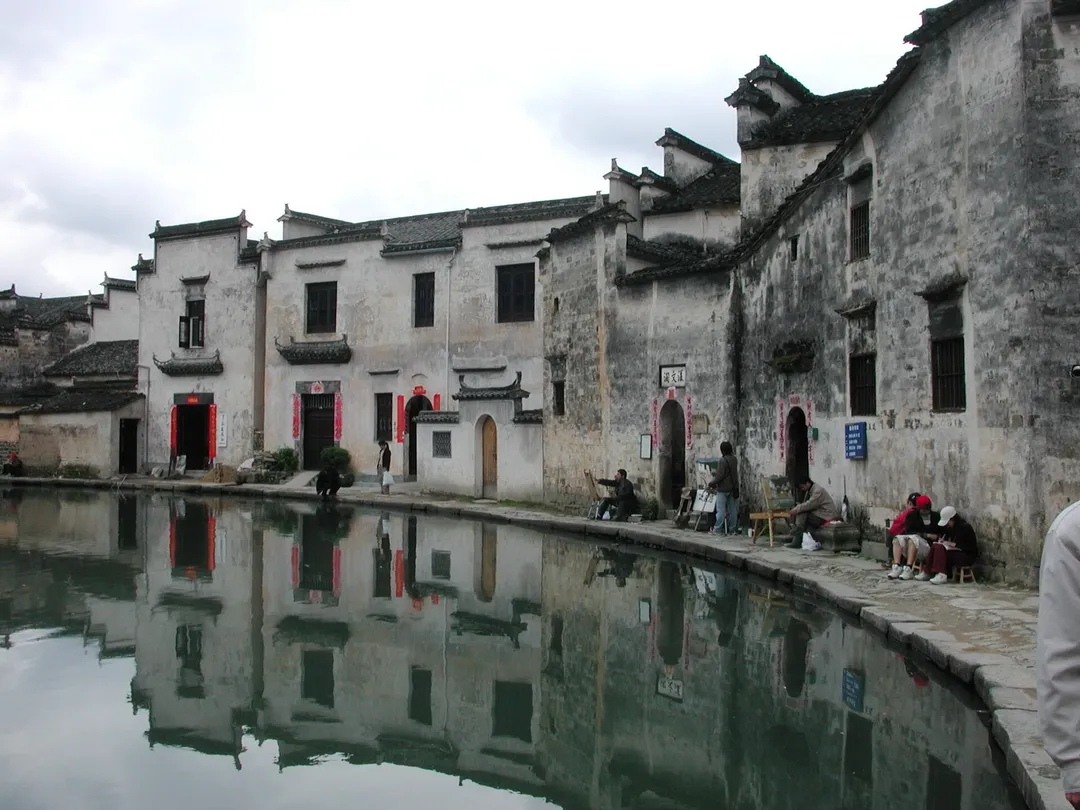
Hongcun宏村
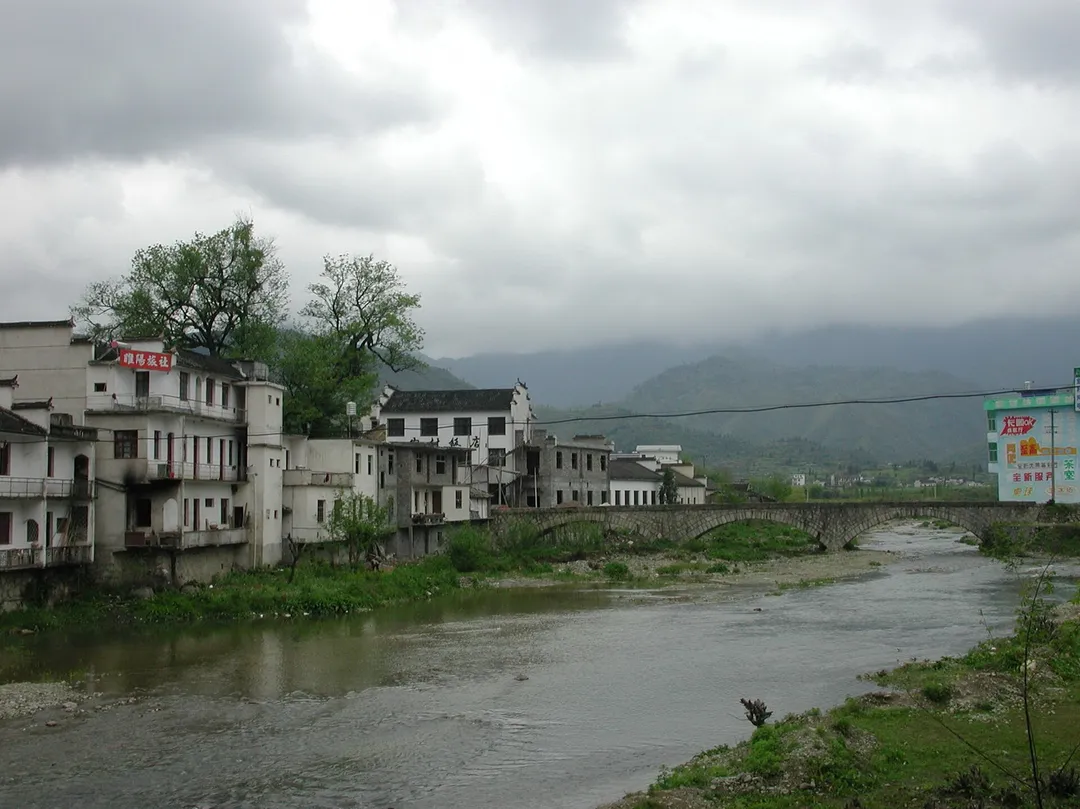
Hongcun is a 900-year-old village at the foot of the Huangshan mountains in southern Anhui, built around a man-made lotus pond (月沼) that reflects the traditional Huizhou architecture. The village is a UNESCO World Heritage Site and was the filming location for Crouching Tiger, Hidden Dragon. Its 300 Ming and Qing dynasty houses, elegant archways, and famous moon bridge make it one of China's most photogenic villages. The village is still inhabited — it is not a museum but a living community of 400+ families.
Huangshan · Visitor Guide2026-10-19
Quick Answer
Is Hongcun worth visiting?
A 900-year-old Huizhou village at the foot of Huangshan — the most beautiful water village in China, with a lotus pond, moon bridges, and traditional Anhui architecture. ¥104. 2–3 hours.
Quick facts
| Ticket | ¥104 (as of 2026) includes entry to both Hongcun and Xidi. Children under 1.2m free. Valid for 3 days. |
|---|---|
| Hours | Open 24 hours. Ticket check 07:30–17:30. After hours, the village lanes are open but the historic houses are closed. |
| Recommended duration | 2–3 hours for a thorough visit. |
| Best time to visit | Dawn (06:30–08:00) for empty lanes and reflections in the lotus pond. Autumn (September–November) for clear mountain views. Spring (March–April) for fresh green. Summer is hot but the pond is at its fullest. Avoid Chinese public holidays. |
| How to get there | 25 km from Huangshan city (屯溪). Bus from Huangshan Bus Station to She County (歙县), then local bus or DiDi to Hongcun (¥30). A DiDi from Huangshan city costs ¥80–100 / 60 minutes. From Huangshan scenic area (黄山风景区), a DiDi costs ¥60 / 40 minutes. |
| English signage | Partial |
| Wheelchair accessible | Partial |
| Founded | 1131 AD (Song dynasty) |
| Houses | 300+ Ming and Qing dynasty structures |
| UNESCO status | World Heritage Site since 2000 (Ancient Villages of Xidi and Hongcun) |
| Film location | Crouching Tiger, Hidden Dragon (2000) |
| Population | ~400 families (still inhabited) |
| Key feature | Lotus pond (月沼) reflecting traditional Huizhou architecture |
What to expect
Hongcun was founded in 1131 AD by a Wang family clan from Henan who fled south during the Jin dynasty invasion. The village is organised around a man-made water system: a network of canals drawing from the nearby river, channelling water through every lane, and emptying into the central lotus pond (月沼). The water system was designed for fire-fighting, sanitation, and aesthetics — and it has functioned continuously for 900 years. The lotus pond is the village's visual centrepiece: in summer, lotus flowers bloom across its surface; in winter, the bare branches of the surrounding trees reflect in the still water.
The village reached its architectural peak in the Ming and early Qing dynasties, when wealthy merchant families returned from trade in Shanghai, Jiangsu, and Zhejiang and invested their fortunes in elaborate courtyard houses. The Huizhou architectural style is characterised by white-plaster walls, dark timber frames, horse-head gable walls, and elaborate interior wood carvings (especially in the window lattice and ceiling beams). The Chengxi (程熙) and Lu (卢) family residences are the finest examples, with carved wooden screens and courtyard gardens that are miniature versions of the classical Suzhou gardens.
The village is still lived in — 400+ families continue to inhabit the historic houses. This makes it more atmospheric than a museum, but also means that some historic houses are private residences and not open to visitors. The morning (before 08:00) and evening (after 17:30) are the best times to walk the lanes without the tour groups. The village's famous moon bridge (月沼) over the lotus pond is the most photographed spot in Anhui.
How to get there
From Huangshan city (屯溪), take a bus from the Huangshan Bus Station to She County (歙县, ¥15, 40 minutes), then a local bus or DiDi to Hongcun (¥30, 30 minutes). Alternatively, take a direct DiDi from Huangshan city (¥80–100, 60 minutes) or from the Huangshan scenic area cable car stations (¥60, 40 minutes).
Best photo spots
- The lotus pond (月沼) at dawn — reflections of the traditional houses, the best-known Hongcun image
- The moon bridge (月沼桥) over the lotus pond — the classic frame with the bridge arch and reflections
- The archway on the south lane — the ornate carved stone arch with the mountains behind
- The courtyard of the Chengxi family residence — carved wooden screens and a small garden
Tips
- Arrive at opening time (07:30) or stay overnight in the village — the dawn lotus pond without tour groups is one of the best images in China
- Stay in a village guesthouse (民宿) — the village at night and dawn is completely different from daytime
- The combined ¥104 ticket covers both Hongcun and Xidi — if you have time, visit both villages; Xidi is 12 km away and less visited
- The village is most beautiful in early morning (06:30–08:00) and after 17:30 (after the day-trippers leave)
- Wear comfortable shoes — the village lanes are stone-paved and can be slippery when wet
Scams to avoid
- "Local village guide" services at the entrance offering to show you around for ¥80–100 — the village is compact enough to navigate with the bilingual signs
- Vendors selling "Hongcun village specialities" — these are commercial products available everywhere in Anhui; the village's real product is its architecture
- "Private guesthouse" operators near the bus stop — book accommodation through official channels or Ctrip
Frequently asked questions
Is Hongcun worth visiting?
Yes — it is one of the most beautiful villages in China, a UNESCO World Heritage Site, and the filming location for Crouching Tiger, Hidden Dragon. The lotus pond reflection at dawn is one of China's classic images. Budget 2–3 hours and stay overnight if possible.
What is the difference between Hongcun and Xidi?
Both are UNESCO World Heritage Sites and part of the same ticket. Hongcun (宏村) is larger, more famous, and centred on a lotus pond — it is the more photogenic village. Xidi (西递) is smaller, quieter, and more residential. Both are worth visiting if you have time.
How long should I stay?
2–3 hours for a day visit. Staying overnight in a village guesthouse is strongly recommended — the dawn and evening without tour groups are transformative.
Is Hongcun wheelchair accessible?
Partially. The main lanes are accessible, but most historic houses have thresholds and uneven floors.
Read next
Other things to do in Huangshan
Baojia Garden
China's largest private garden near Shexian in Huangshan, about 24 hectares (360 mu) with 10000+ Hui-style bonsai; entry 50 yuan, open 08:00-17:00, home to an 800-year-old plum.
Chengkan Village
A fengshui village laid out on the Eight Trigrams pattern, hailed as the finest of Jiangnan — three streams thread past 21 nationally protected Ming buildings. Allow 2-3 hours.
Huangshan Hot Springs
Hot springs in the Huangshan scenic area with over 1000 years of history; water at 37-42°C, about 400 tonnes daily, soak for around 238 yuan, 14:00-22:00, a great break after hiking.
Yellow Mountain
China's most celebrated mountain — 36 granite peaks, seas of cloud, gnarled pines, and hot springs. UNESCO World Heritage Site. ¥150–230. 1–2 days minimum.
Qiyun Mountain
One of China's four sacred Taoist mountains near Huangshan, 585 m high with Taoist sites dating back some 1,300 years to the Tang; 68 yuan entry, cableway 35 one way, best April-October.
Shexian Ancient City
Cradle of Huizhou culture in Huangshan, founded in 221 BC with 2200+ years of history; free to enter with an 80-yuan combo ticket for sights, open 08:00-17:30.
Xidi Village
Hui-style ancient village founded in 1047 and UNESCO-listed with Hongcun in 2000; entry 104 yuan, open 07:30-17:30, famed for brick, wood and stone carvings.
Yellow Mountain (Huangshan)
China's most revered mountain — granite peaks, twisted pines, sea of clouds, and summit sunrises. The landscape that inspired classical Chinese ink painting. ¥230. 2 days minimum.