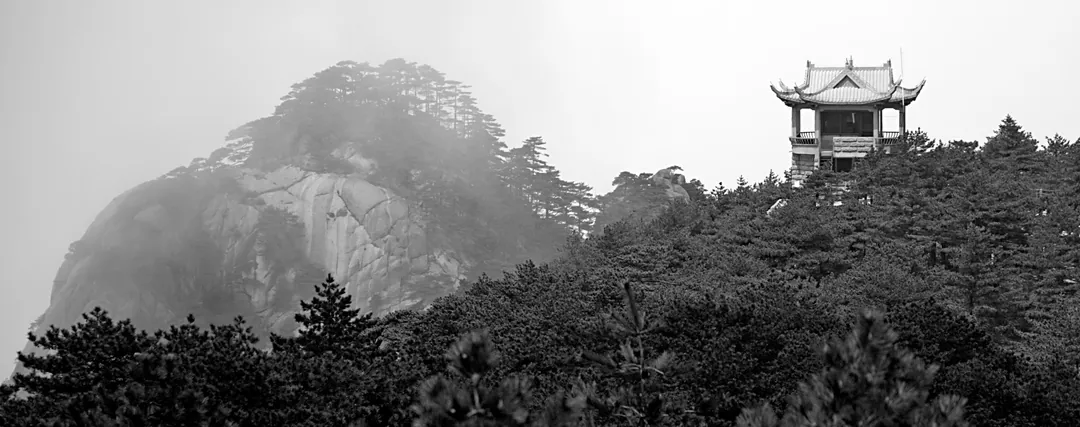
Huangshan Hot Springs黄山温泉
Millennium-old hot springs beneath Ziyun Peak in the Huangshan scenic area, gushing from granite crevices at 37-42°C and prized for mineral-rich water.
Huangshan · Visitor Guide2026-10-19
Quick Answer
Is Huangshan Hot Springs worth visiting?
Hot springs in the Huangshan scenic area with over 1000 years of history; water at 37-42°C, about 400 tonnes daily, soak for around 238 yuan, 14:00-22:00, a great break after hiking.
Quick facts
| Ticket | Included in the scenic-area ticket; a standalone soak costs about ¥238 extra |
|---|---|
| Hours | 14:00-22:00 weekdays; 10:00-22:00 weekends and holidays |
| Recommended duration | 1-3 hours |
| Best time to visit | Any season (best after rain, and in winter) |
| How to get there | Scenic-area shuttle to Ziyun Peak stop inside Huangshan scenic area; or drive to the hot spring resort |
| English signage | Partial |
| Wheelchair accessible | Partial |
| Water temperature | 37-42°C |
| Spring type | Calcium bicarbonate freshwater spring |
| Therapeutic use | Adjunct therapy for skin conditions, arthritis and rheumatism |
| History | Over 1,000 years (recorded since the Tang dynasty) |
| Location | Beneath Ziyun Peak, Huangshan scenic area |
| Facilities | Indoor and outdoor pools, spa, accommodation |
What to expect
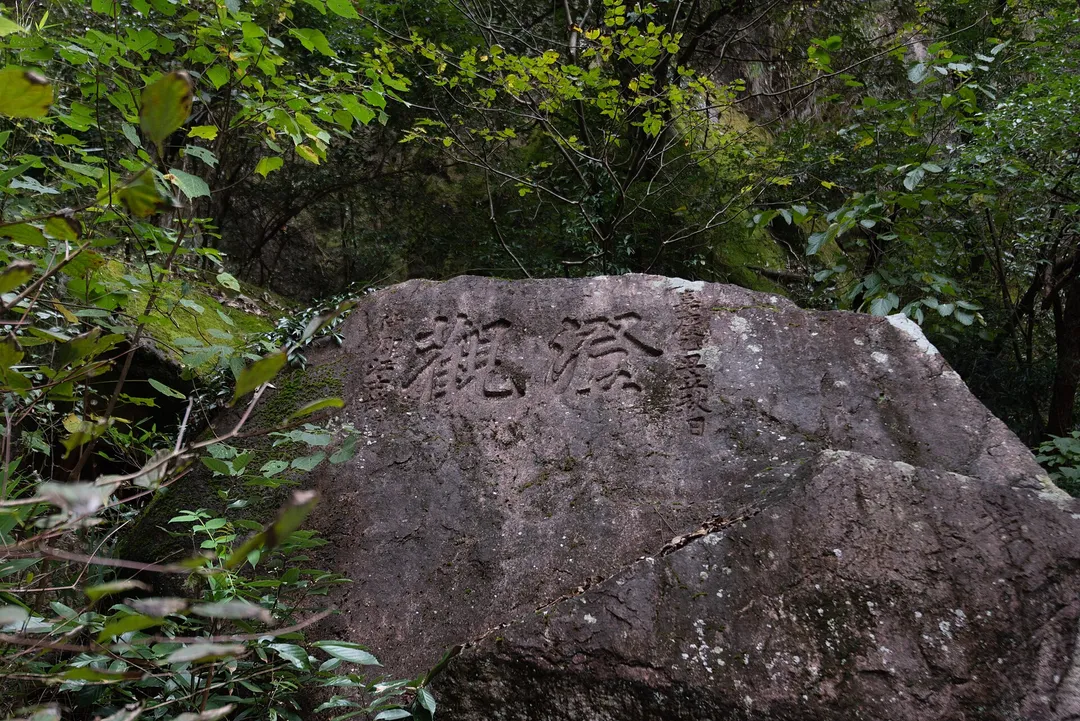
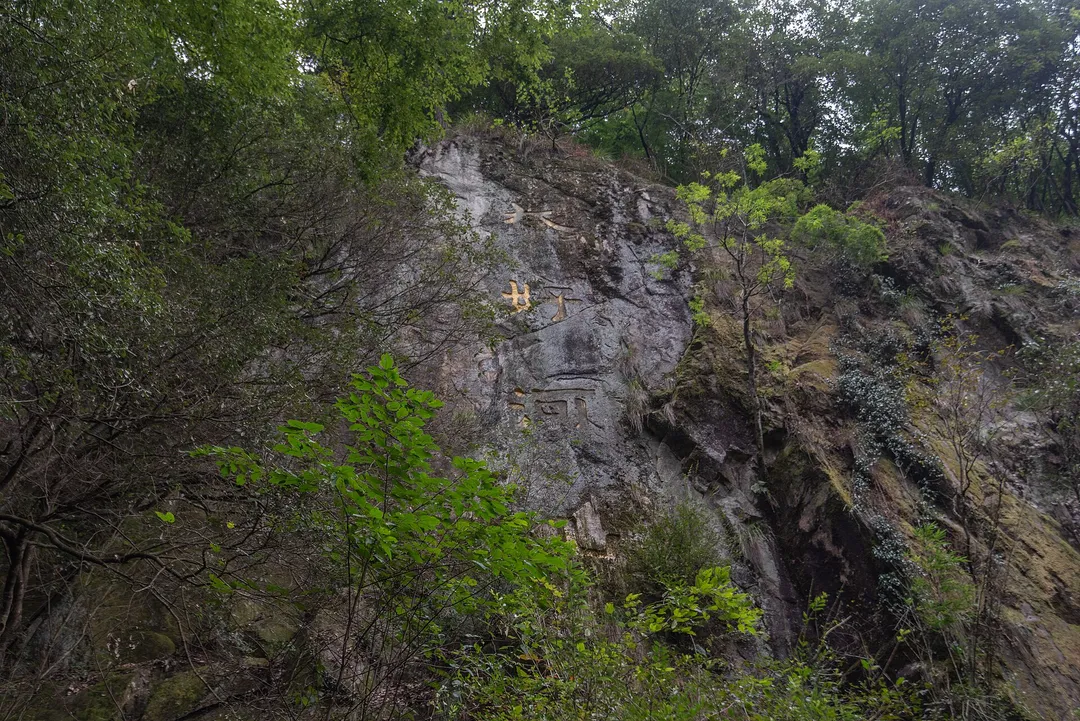
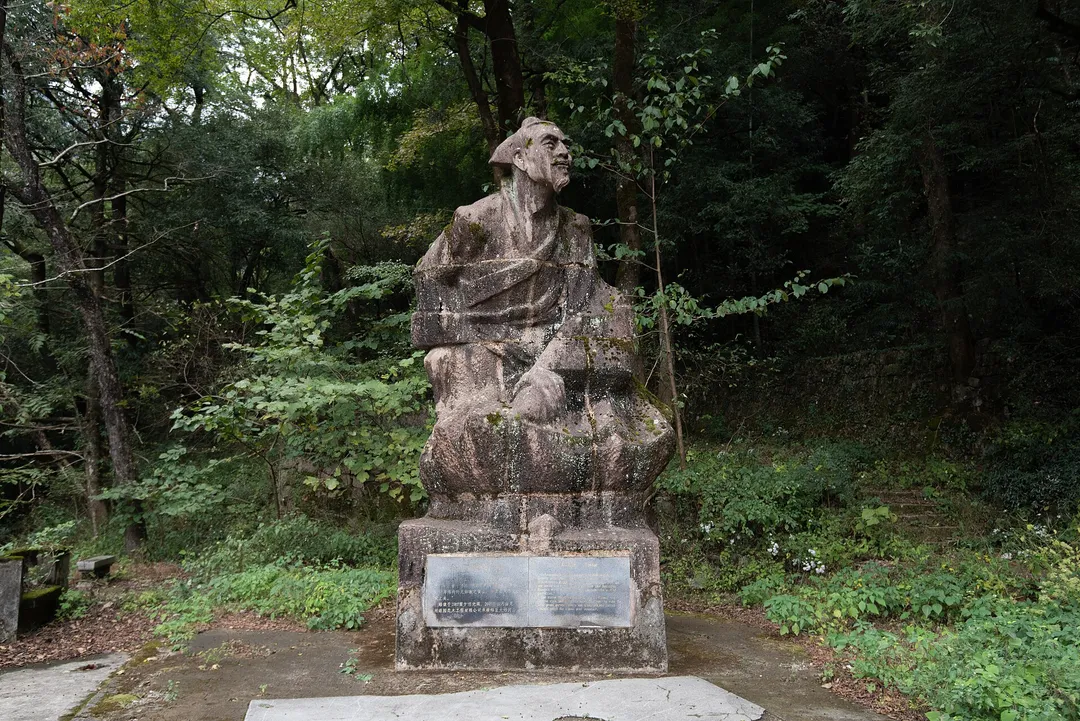
Huangshan Hot Springs was known in ancient times as the Cinnabar Spring: legend says the Yellow Emperor bathed here and ascended to immortality, giving the mountain its name. The water emerges from granite crevices at about 400 tonnes a day, never running dry.
The water is clear and pure, rich in calcium, magnesium, potassium, sodium and other trace elements, with auxiliary therapeutic value for skin conditions, arthritis and chronic bronchitis. Drinkable and batheable, it has been celebrated as one of China's famous springs.
Today the site is a full hot-spring resort with indoor and outdoor pools, a spa centre and resort hotels. Coming here to unwind after a day on the mountain trails is the classic Huangshan finish.
How to get there
Inside the scenic area, take the shuttle bus to Ziyun Peak stop and walk about 10 minutes. Drivers can park at the resort car park. From Tangkou town (the southern gateway) allow about 30 minutes by car.
Best photo spots
- The antique archway at the spring entrance
- Outdoor pools framed by mountain scenery
- Steam rising off the pools at night
- The rockery waterfall and bamboo path
Tips
- Plan the springs together with the Huangshan scenic area — as the relaxing finish after your hike
- Evening soaks are quieter and more pleasant
- Avoid soaking on an empty stomach or right after a big meal
- Come after winter rain for mist-wreathed pools that feel like fairyland
- Bring your own swimsuit — buying one on the mountain costs more
Scams to avoid
- Some wild pools around the site fail water-quality standards — stick to the proper resort area
- Queues build up on weekends and holidays; book ahead
Frequently asked questions
Are Huangshan Hot Springs the same place as Piaoxue Hot Springs?
No. Huangshan Hot Springs is the historic spring inside the scenic area; Piaoxue Hot Springs is an upscale resort in Huangshan city. They are different places — do not confuse them.
Can I hike Huangshan right after soaking?
Better the other way round: soak to recover, then hike the next day. Avoid a long soak on the day of a strenuous climb — it drains your energy.
Do I need to book ahead?
Book online in advance for peak season and holidays; on weekdays you can usually walk in.
Read next
Other things to do in Huangshan
Baojia Garden
China's largest private garden near Shexian in Huangshan, about 24 hectares (360 mu) with 10000+ Hui-style bonsai; entry 50 yuan, open 08:00-17:00, home to an 800-year-old plum.
Chengkan Village
A fengshui village laid out on the Eight Trigrams pattern, hailed as the finest of Jiangnan — three streams thread past 21 nationally protected Ming buildings. Allow 2-3 hours.
Hongcun
A 900-year-old Huizhou village at the foot of Huangshan — the most beautiful water village in China, with a lotus pond, moon bridges, and traditional Anhui architecture. ¥104. 2–3 hours.
Yellow Mountain
China's most celebrated mountain — 36 granite peaks, seas of cloud, gnarled pines, and hot springs. UNESCO World Heritage Site. ¥150–230. 1–2 days minimum.
Qiyun Mountain
One of China's four sacred Taoist mountains near Huangshan, 585 m high with Taoist sites dating back some 1,300 years to the Tang; 68 yuan entry, cableway 35 one way, best April-October.
Shexian Ancient City
Cradle of Huizhou culture in Huangshan, founded in 221 BC with 2200+ years of history; free to enter with an 80-yuan combo ticket for sights, open 08:00-17:30.
Xidi Village
Hui-style ancient village founded in 1047 and UNESCO-listed with Hongcun in 2000; entry 104 yuan, open 07:30-17:30, famed for brick, wood and stone carvings.
Yellow Mountain (Huangshan)
China's most revered mountain — granite peaks, twisted pines, sea of clouds, and summit sunrises. The landscape that inspired classical Chinese ink painting. ¥230. 2 days minimum.