This page is archived and no longer updated — see the current guide: See the current guide
Xidi Village西递
UNESCO-listed Hui-style village at the foot of Huangshan, founded in 1047 and famed for its brick, wood and stone carvings.
Huangshan · Visitor Guide2026-10-19
Quick Answer
Is Xidi Village worth visiting?
Hui-style ancient village founded in 1047 and UNESCO-listed with Hongcun in 2000; entry 104 yuan, open 07:30-17:30, famed for brick, wood and stone carvings.
Quick facts
| Ticket | Adults ¥104 (combo with Hongcun); students and seniors ¥52 |
|---|---|
| Hours | 07:30-17:30 |
| Recommended duration | 1.5-2.5 hours |
| Best time to visit | March-May (rapeseed blossoms), September-November (autumn colours), and cool summers |
| How to get there | Tourist bus from Huangshan North station to Yixian county town, then a local bus to Xidi; or drive via Provincial Road S218 |
| English signage | Partial |
| Wheelchair accessible | Partial |
| Founded | Northern Song dynasty (1047) |
| Founding family | The Hu clan (descendants of a Tang emperor) |
| UNESCO status | Yes (inscribed with Hongcun in 2000) |
| Famous carvings | Brick, wood and stone |
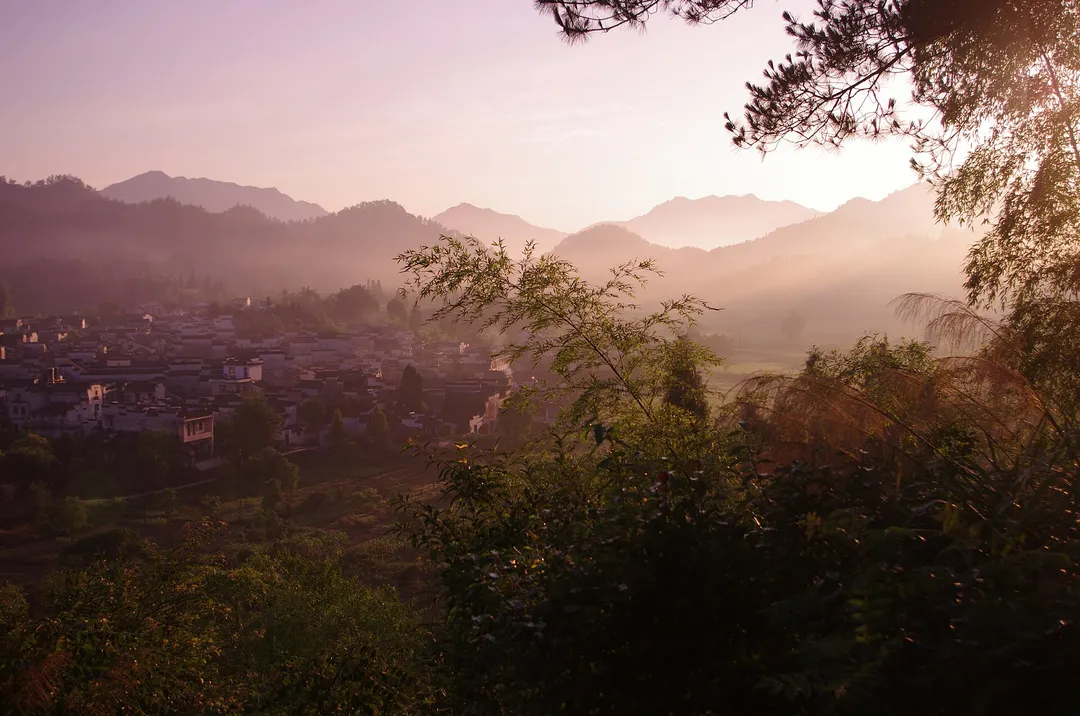
| Setting | Backed by hills, facing water, shaped like a sailing ship |
| Main sights | Cishi Memorial Archway, Ruiyu Court, Taoli Garden |
What to expect
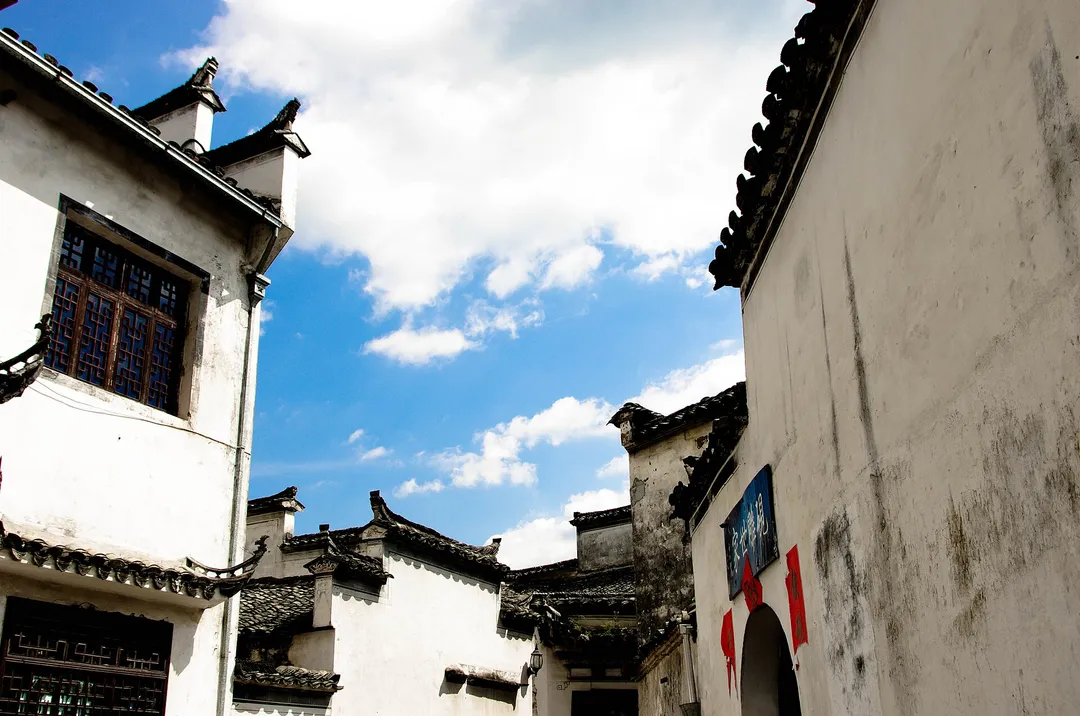
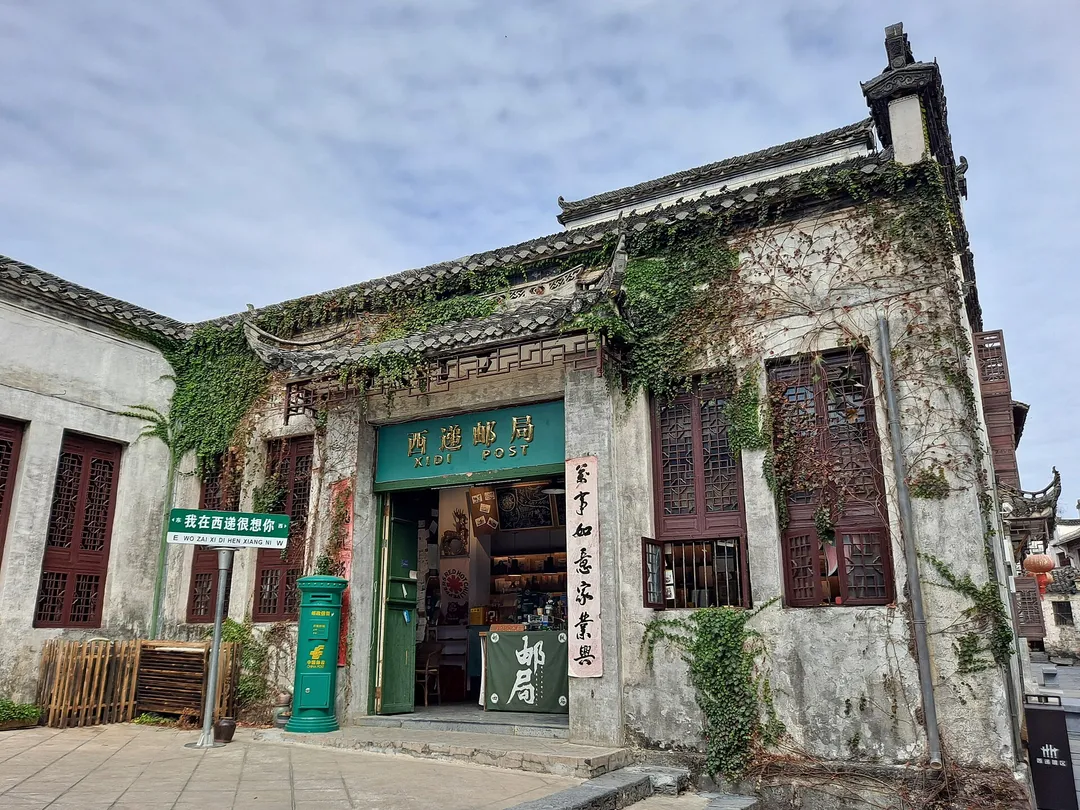
Xidi lies in the southeast of Yixian county, founded in the Northern Song nearly a thousand years ago. The village is laid out like a ship, its flagstone lanes crossing between ranks of old houses that recall the glory of the Huizhou merchants.
Xidi is celebrated for the 'three carvings' of Huizhou — brick, wood and stone. Step into any old mansion and fine carving meets the eye; the work at Ruiyu Court and Taoli Garden ranks among the summit of Qing decorative art.
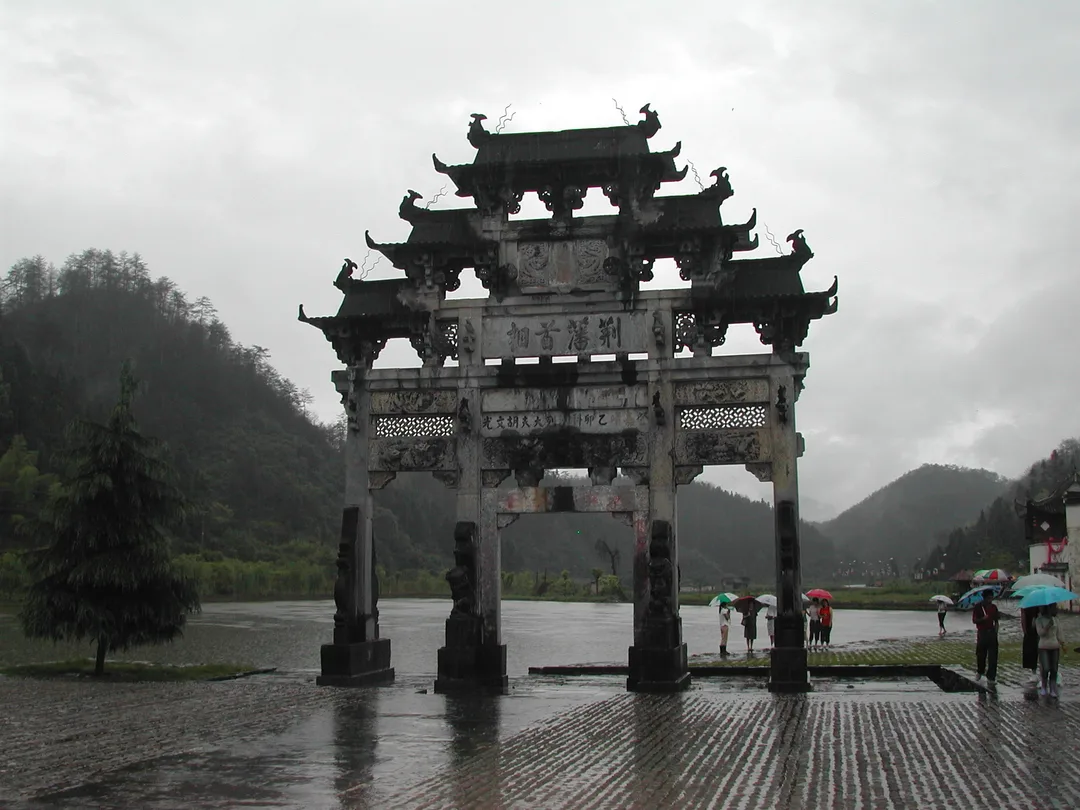
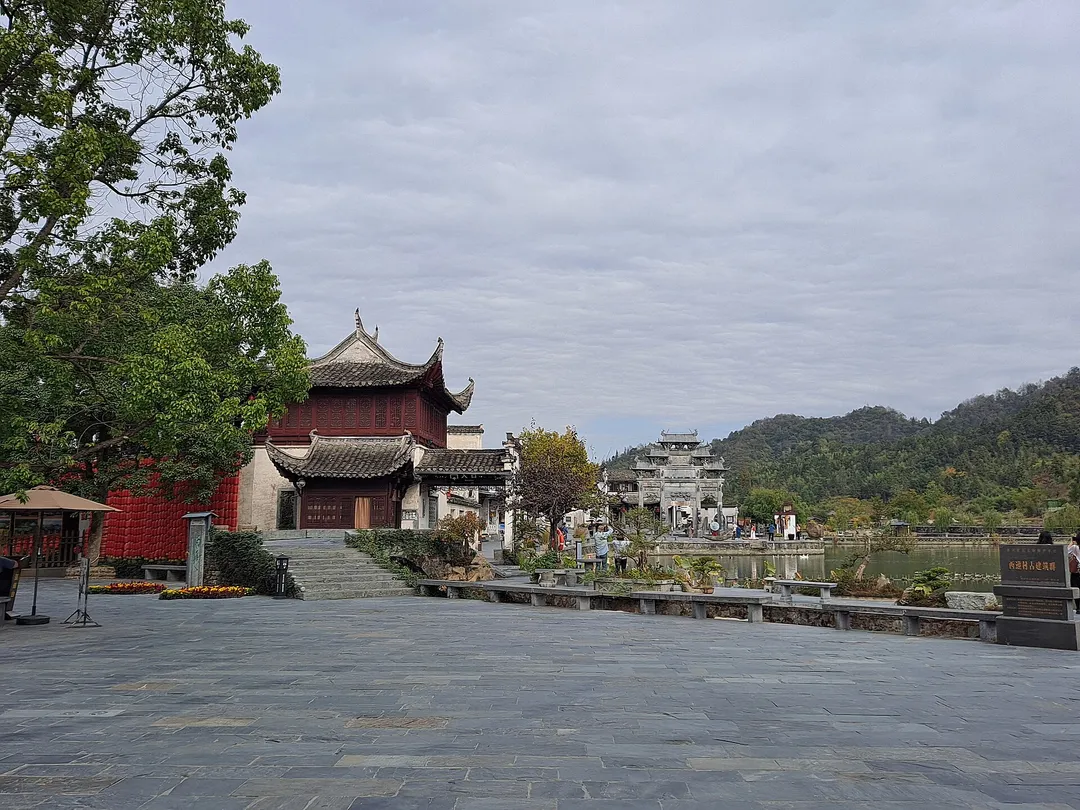
The Cishi Memorial Archway at the village entrance, built in the Zhengde era of the Ming, is Xidi's landmark: three bays and three tiers, 12 metres tall, its carving precise and its presence grand.
How to get there
Take the tourist bus from Huangshan North railway station to Yixian county town, then a local bus or taxi for the remaining 8 km to Xidi. Plan it with Hongcun — the two villages are 18 km apart, about 30 minutes by car.
Best photo spots
- The Cishi Memorial Archway in full
- Deep in the flagstone alleys (reflections are best after rain)
- Wood-carving details at Ruiyu Court
- The stream and old trees at the village entrance
- The village lamps at dusk
Tips
- Xidi is quieter and more rustic than Hongcun — start here if you prefer fewer crowds
- Buy the Xidi-Hongcun combo ticket and stay a night in each village for the full experience
- A photography contest is held here every autumn — a treat for shutterbugs
- The village farmhouses serve honest, fairly priced Huizhou food — try hairy tofu and smelly mandarin fish
Scams to avoid
- Ultra-cheap private day tours around Xidi end in shopping stops — avoid them
- Some 'free' guides in the village ask for tips; book a proper guide through your inn instead
Frequently asked questions
How do Xidi and Hongcun differ?
Both are UNESCO World Heritage villages. Hongcun is famous for its water system and reflections — more lyrical; Xidi for its architecture and carvings — more weighty and rustic. They complement each other and both are worth a visit.
Can I see Hongcun and Xidi in one day?
You can, but it is rushed. Better to split them over two days with a night in each, and enjoy the villages' quiet mornings and evenings.
Do I need to book tickets in advance?
In peak seasons (holidays, spring and autumn) book online to skip the queue; on weekdays buying at the gate is fine.
Is winter a good time to visit Xidi?
Winter is low season: few visitors, cheap lodging, and a quiet chance to savour the village mood — though some scenery looks bare.
Read next
Other things to do in Huangshan
Baojia Garden
China's largest private garden near Shexian in Huangshan, about 24 hectares (360 mu) with 10000+ Hui-style bonsai; entry 50 yuan, open 08:00-17:00, home to an 800-year-old plum.
Chengkan Village
A fengshui village laid out on the Eight Trigrams pattern, hailed as the finest of Jiangnan — three streams thread past 21 nationally protected Ming buildings. Allow 2-3 hours.
Huangshan Hot Springs
Hot springs in the Huangshan scenic area with over 1000 years of history; water at 37-42°C, about 400 tonnes daily, soak for around 238 yuan, 14:00-22:00, a great break after hiking.
Hongcun
A 900-year-old Huizhou village at the foot of Huangshan — the most beautiful water village in China, with a lotus pond, moon bridges, and traditional Anhui architecture. ¥104. 2–3 hours.
Yellow Mountain
China's most celebrated mountain — 36 granite peaks, seas of cloud, gnarled pines, and hot springs. UNESCO World Heritage Site. ¥150–230. 1–2 days minimum.
Qiyun Mountain
One of China's four sacred Taoist mountains near Huangshan, 585 m high with Taoist sites dating back some 1,300 years to the Tang; 68 yuan entry, cableway 35 one way, best April-October.
Shexian Ancient City
Cradle of Huizhou culture in Huangshan, founded in 221 BC with 2200+ years of history; free to enter with an 80-yuan combo ticket for sights, open 08:00-17:30.
Yellow Mountain (Huangshan)
China's most revered mountain — granite peaks, twisted pines, sea of clouds, and summit sunrises. The landscape that inspired classical Chinese ink painting. ¥230. 2 days minimum.