This page is archived and no longer updated — see the current guide: See the current guide
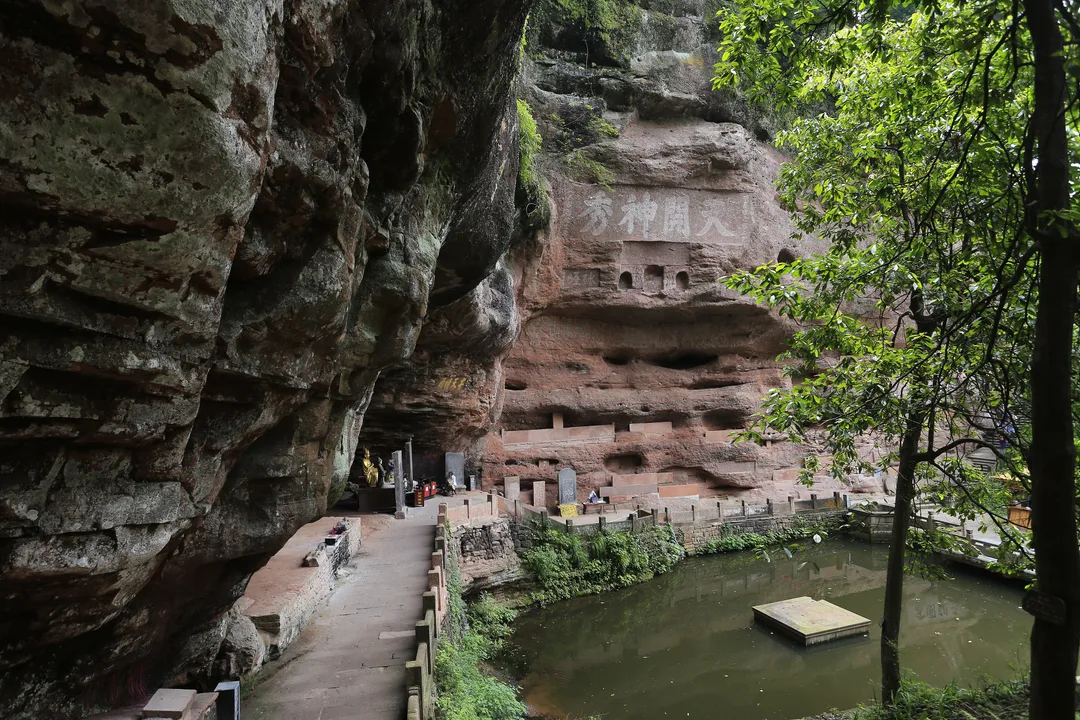
Qiyun Mountain齐云山
One of China's four sacred Taoist mountains near Huangshan — a 585 m Danxia red-sandstone peak with 1,400+ cliff inscriptions and Taoist temples.
Huangshan · Visitor Guide2026-10-19
Quick Answer
Is Qiyun Mountain worth visiting?
One of China's four sacred Taoist mountains near Huangshan, 585 m high with Taoist sites dating back some 1,300 years to the Tang; 68 yuan entry, cableway 35 one way, best April-October.
Quick facts
| Ticket | Adults ¥68; cableway ¥35 one way |
|---|---|
| Hours | 08:00-17:30 (may extend in peak season) |
| Recommended duration | 3-5 hours |
| Best time to visit | April-October (azaleas in spring, seas of cloud in autumn) |
| How to get there | Shuttle bus from Huangshan North station to Xiuning county town, then a local bus to Qiyun Mountain; or drive |
| English signage | Partial |
| Wheelchair accessible | Partial |
| Elevation | 585 m |
| Taoist rank | One of China's four sacred Taoist mountains |
| First temples | Tang dynasty (over 1,300 years ago) |
| Danxia landform | Yes (classic Danxia scenery) |
| Cliff inscriptions | Over 1,400 |
| Key sights | Yuehua Street, Tiangong Mansion, Wangxian Tower |
What to expect
Known in ancient times as White Peak (Baiyue), the mountain was renamed Qiyun — 'level with the clouds' — for a rock spire that pierces the sky. Taoism took root here in the Tang dynasty and reached its height in the Song and Yuan, when Qiyun joined Wudang, Longhu and Qingcheng as one of China's four sacred Taoist mountains.
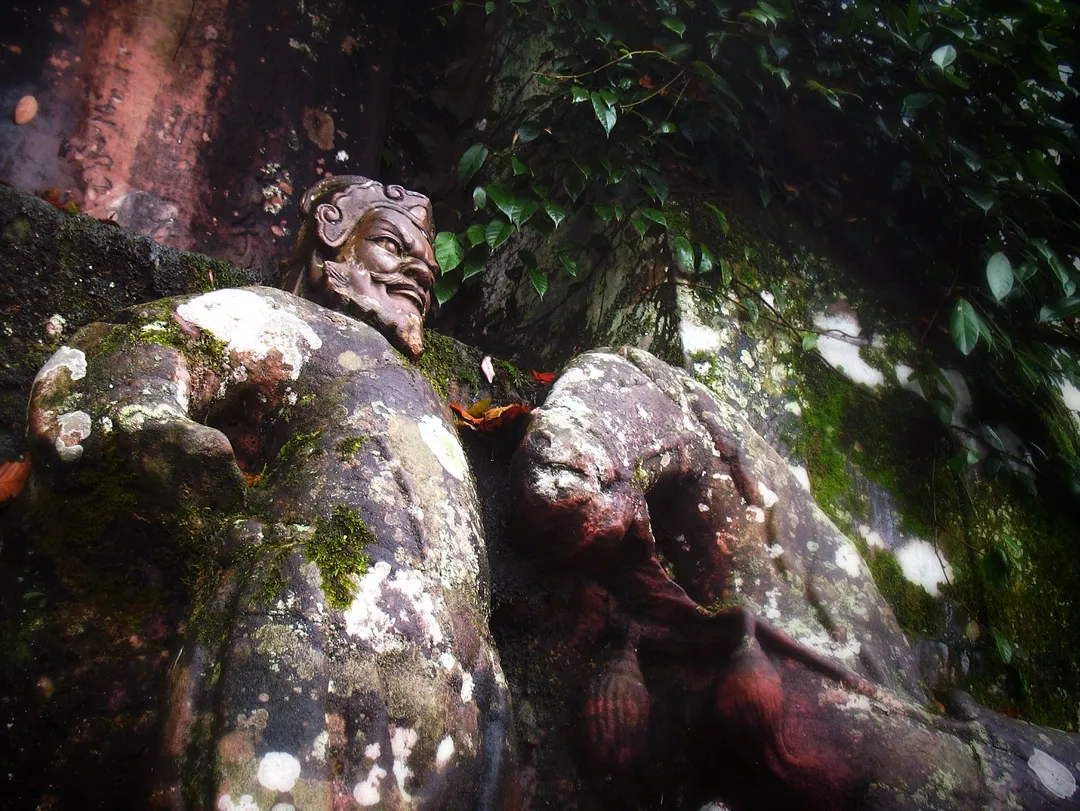
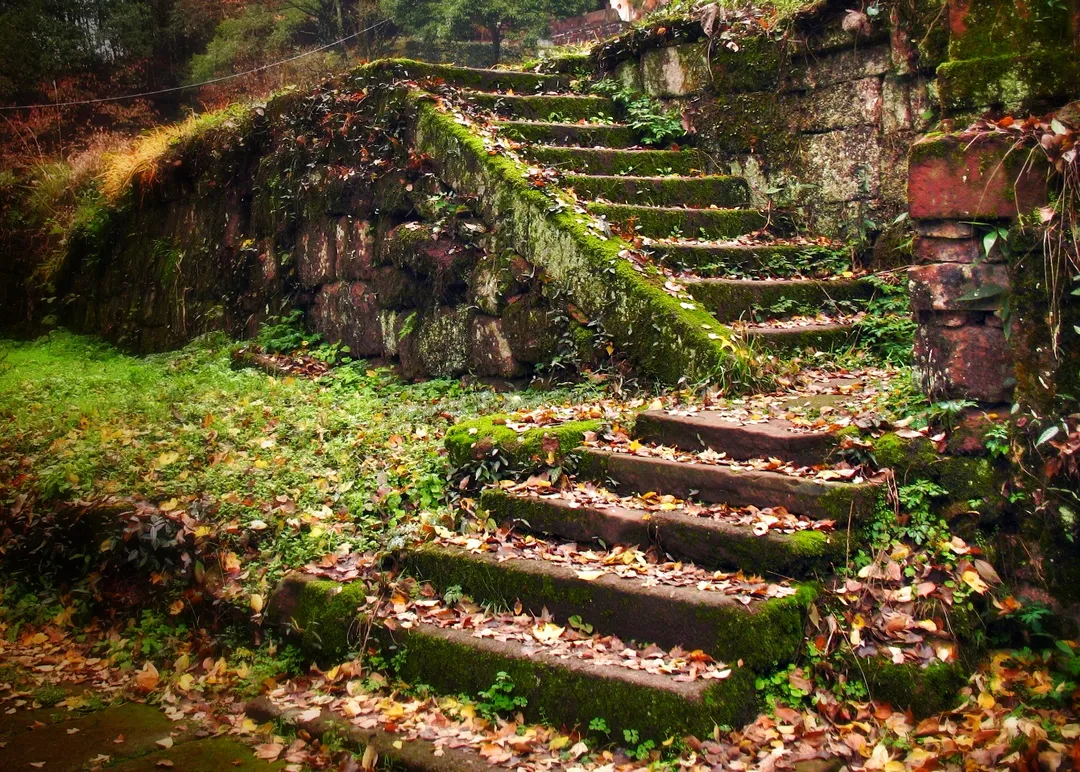
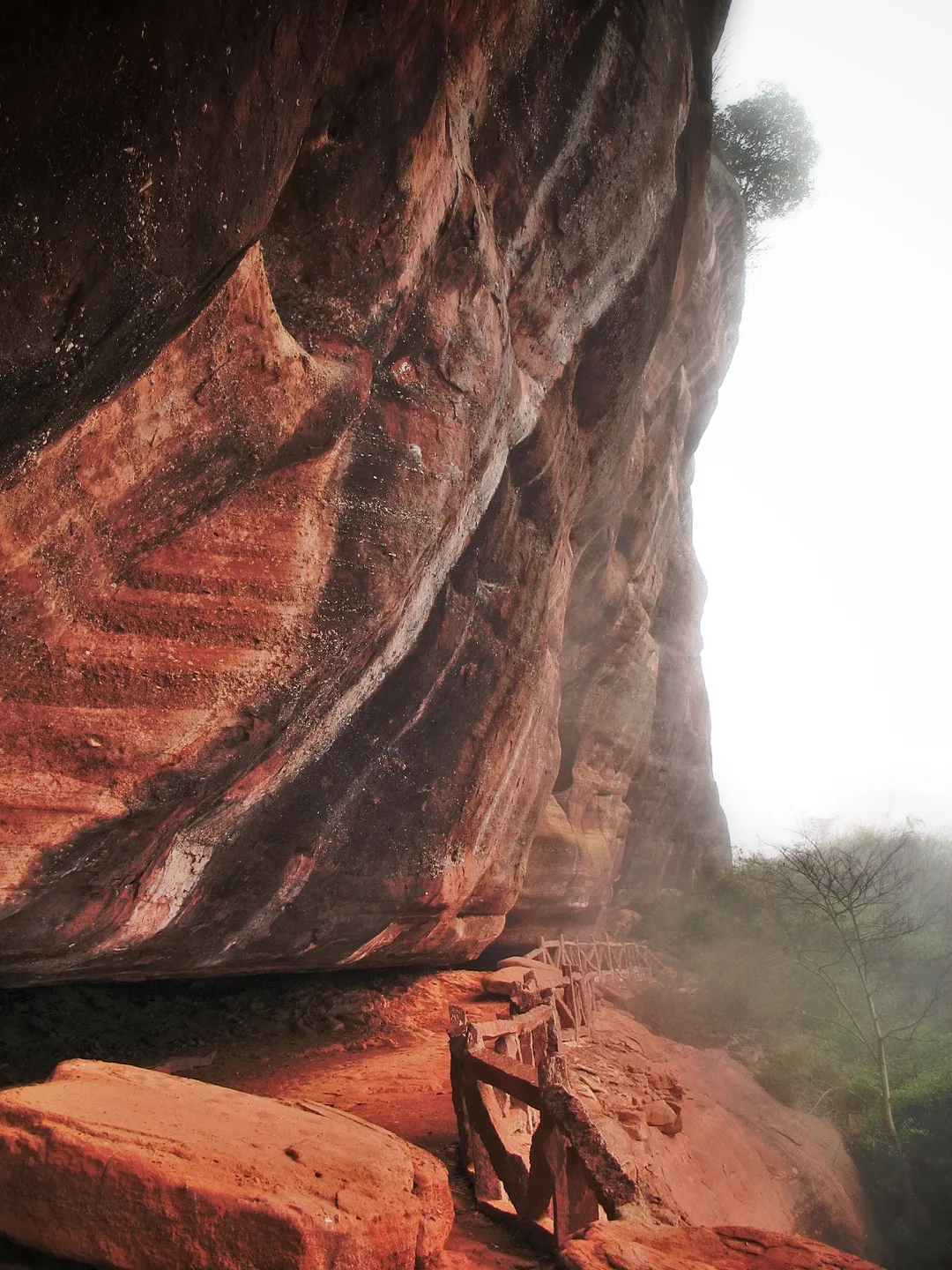
Qiyun is famed for its Danxia landform: red sandstone sculpted by eons of weathering into strange peaks, grotesque rocks and hidden caves. Old paths climb past the 'eighteen pavilions of nine li', and more than 1,400 cliff inscriptions dot the rock faces.
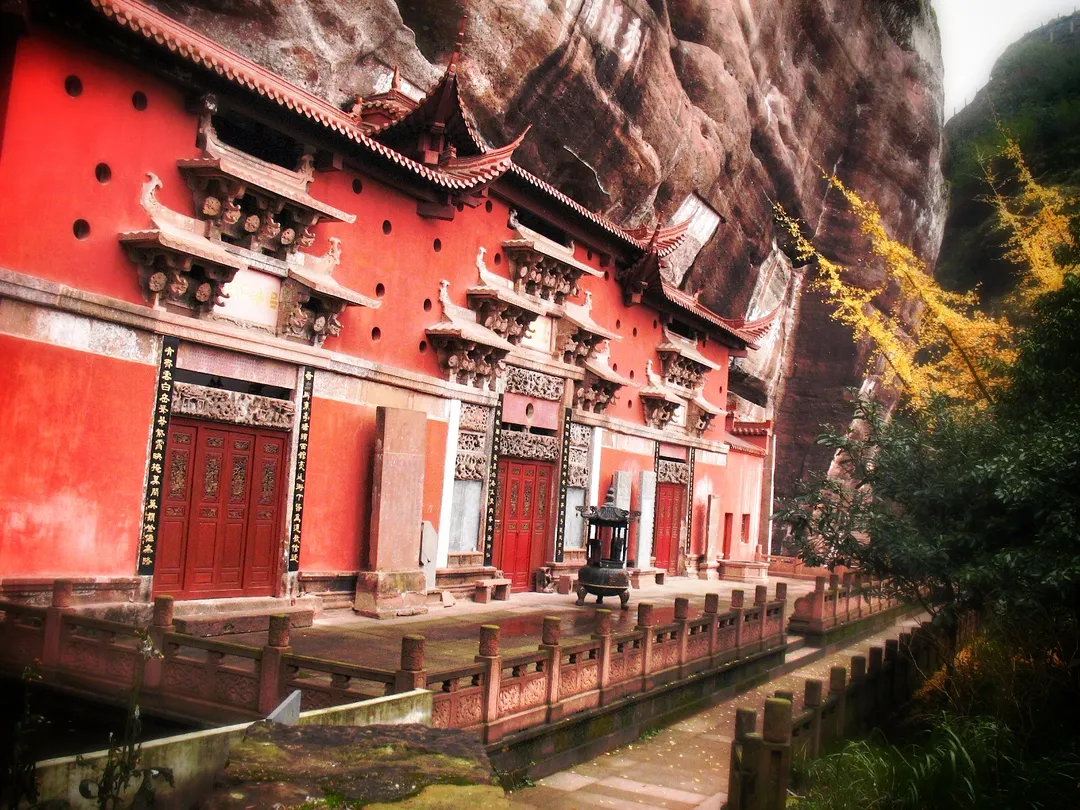
Yuehua Street is the mountain's lively heart, where temples, homes and shops mingle — a model of Taoist culture woven into village life. The Yuxu Palace complex on the summit is Qiyun's most important Taoist building.
How to get there
Tourist buses run from Huangshan North railway station to Xiuning county town (about 30 minutes); from Xiuning bus station a direct bus reaches Qiyun Mountain (about 40 minutes). Drivers can take the Beijing-Taipei expressway to the Xiuning exit.
Best photo spots
- The sea of clouds at sunrise
- The temple cluster along Yuehua Street
- Danxia sandstone peaks
- Cliff-inscription details
- The Bagua fields seen from the summit
Tips
- The climb is moderate — 2-3 hours — but some stretches are steep
- Take the cableway up and walk down for two different perspectives
- Taoist culture runs deep here; a guide brings the history alive
- It is cooler on the summit — bring a jacket even in summer
Scams to avoid
- Vendors at the foot sell overpriced incense and 'blessed' ritual objects with no real connection to the mountain
- Private sedan-chair carriers overcharge — stick to the official cableway
Frequently asked questions
How is Qiyun Mountain different from Huangshan?
Huangshan is famed for natural scenery — pines, rocks and seas of cloud; Qiyun for Taoist culture and Danxia landforms. They complement each other rather than compete.
Does it need a full day?
Qiyun is smaller than Huangshan — half a day covers it well. With time to spare, pair it with Chengkan Village or Shexian Ancient City the same day.
Is the Taoism on Qiyun Mountain real?
Yes — Qiyun is one of the four Taoist mountains recognised through Chinese history; resident priests practise in its temples year round and the incense never stops burning.
Read next
Other things to do in Huangshan
Baojia Garden
China's largest private garden near Shexian in Huangshan, about 24 hectares (360 mu) with 10000+ Hui-style bonsai; entry 50 yuan, open 08:00-17:00, home to an 800-year-old plum.
Chengkan Village
A fengshui village laid out on the Eight Trigrams pattern, hailed as the finest of Jiangnan — three streams thread past 21 nationally protected Ming buildings. Allow 2-3 hours.
Huangshan Hot Springs
Hot springs in the Huangshan scenic area with over 1000 years of history; water at 37-42°C, about 400 tonnes daily, soak for around 238 yuan, 14:00-22:00, a great break after hiking.
Hongcun
A 900-year-old Huizhou village at the foot of Huangshan — the most beautiful water village in China, with a lotus pond, moon bridges, and traditional Anhui architecture. ¥104. 2–3 hours.
Yellow Mountain
China's most celebrated mountain — 36 granite peaks, seas of cloud, gnarled pines, and hot springs. UNESCO World Heritage Site. ¥150–230. 1–2 days minimum.
Shexian Ancient City
Cradle of Huizhou culture in Huangshan, founded in 221 BC with 2200+ years of history; free to enter with an 80-yuan combo ticket for sights, open 08:00-17:30.
Xidi Village
Hui-style ancient village founded in 1047 and UNESCO-listed with Hongcun in 2000; entry 104 yuan, open 07:30-17:30, famed for brick, wood and stone carvings.
Yellow Mountain (Huangshan)
China's most revered mountain — granite peaks, twisted pines, sea of clouds, and summit sunrises. The landscape that inspired classical Chinese ink painting. ¥230. 2 days minimum.