This page is archived and no longer updated — see the current guide: See the current guide
Yellow Mountain黄山风景区
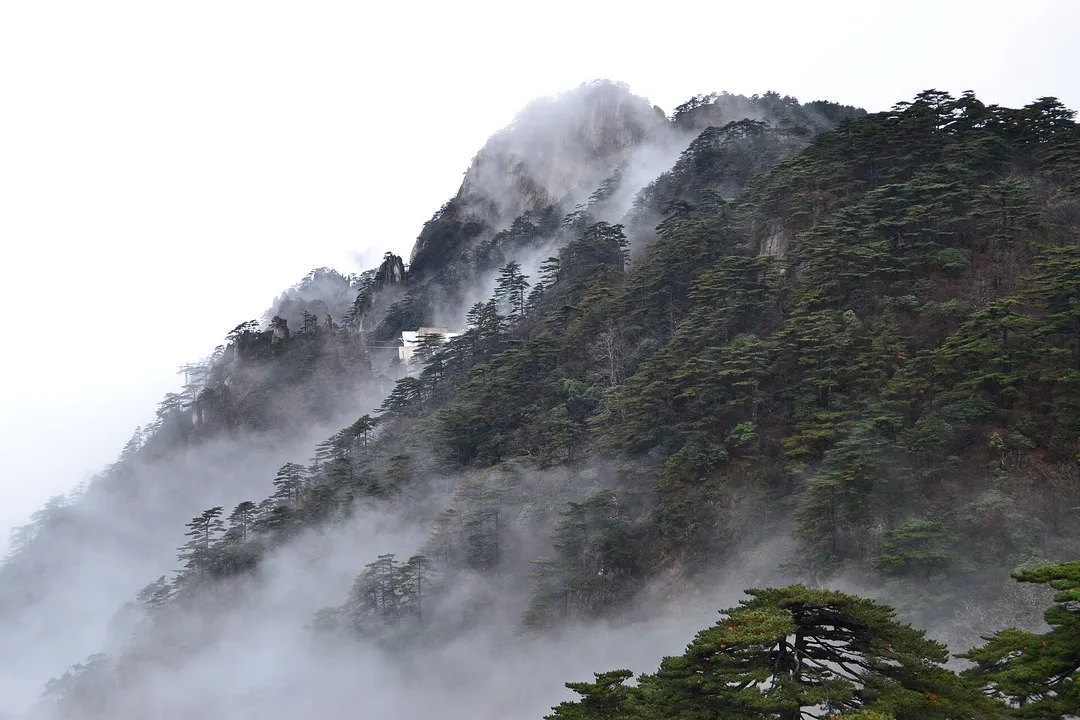
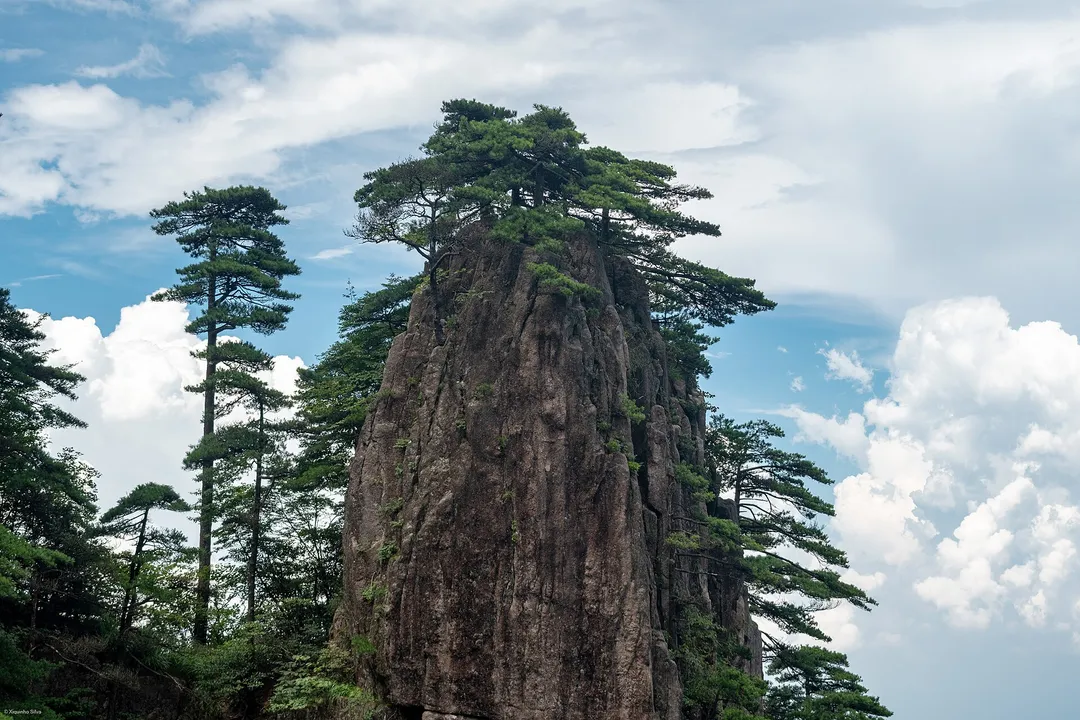
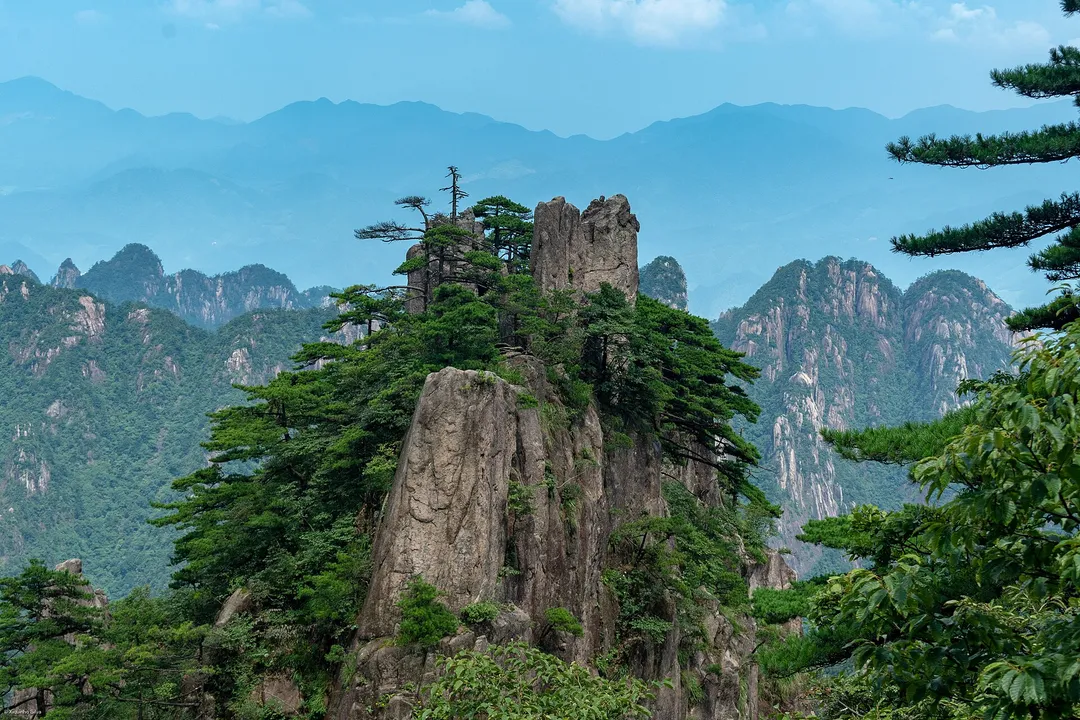
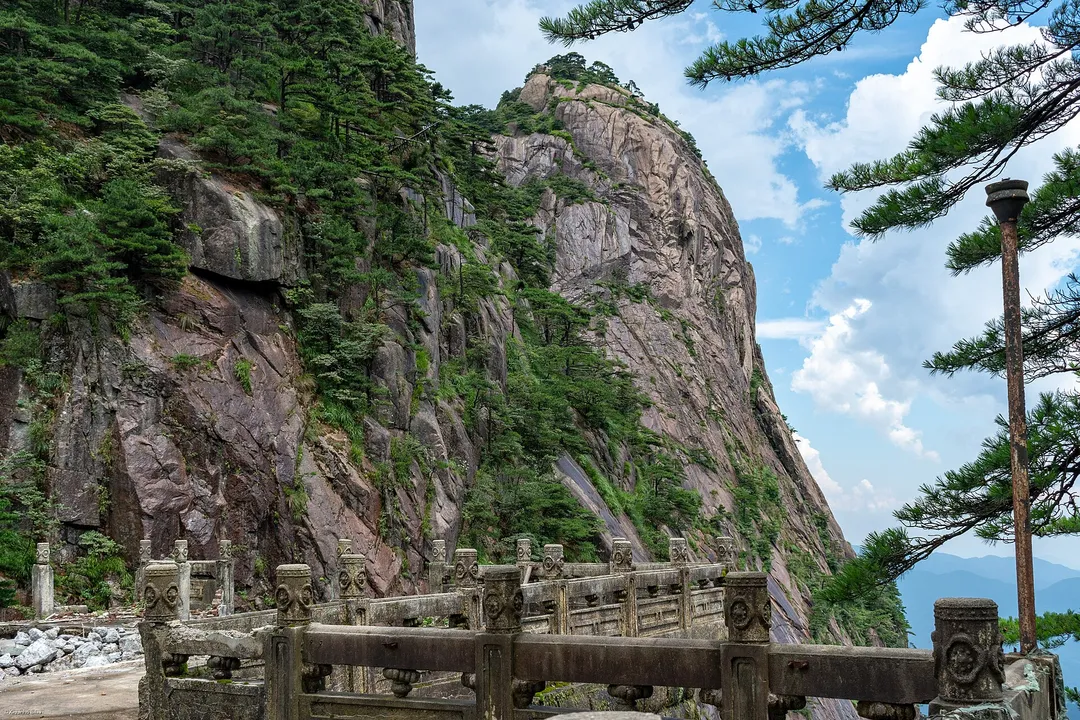
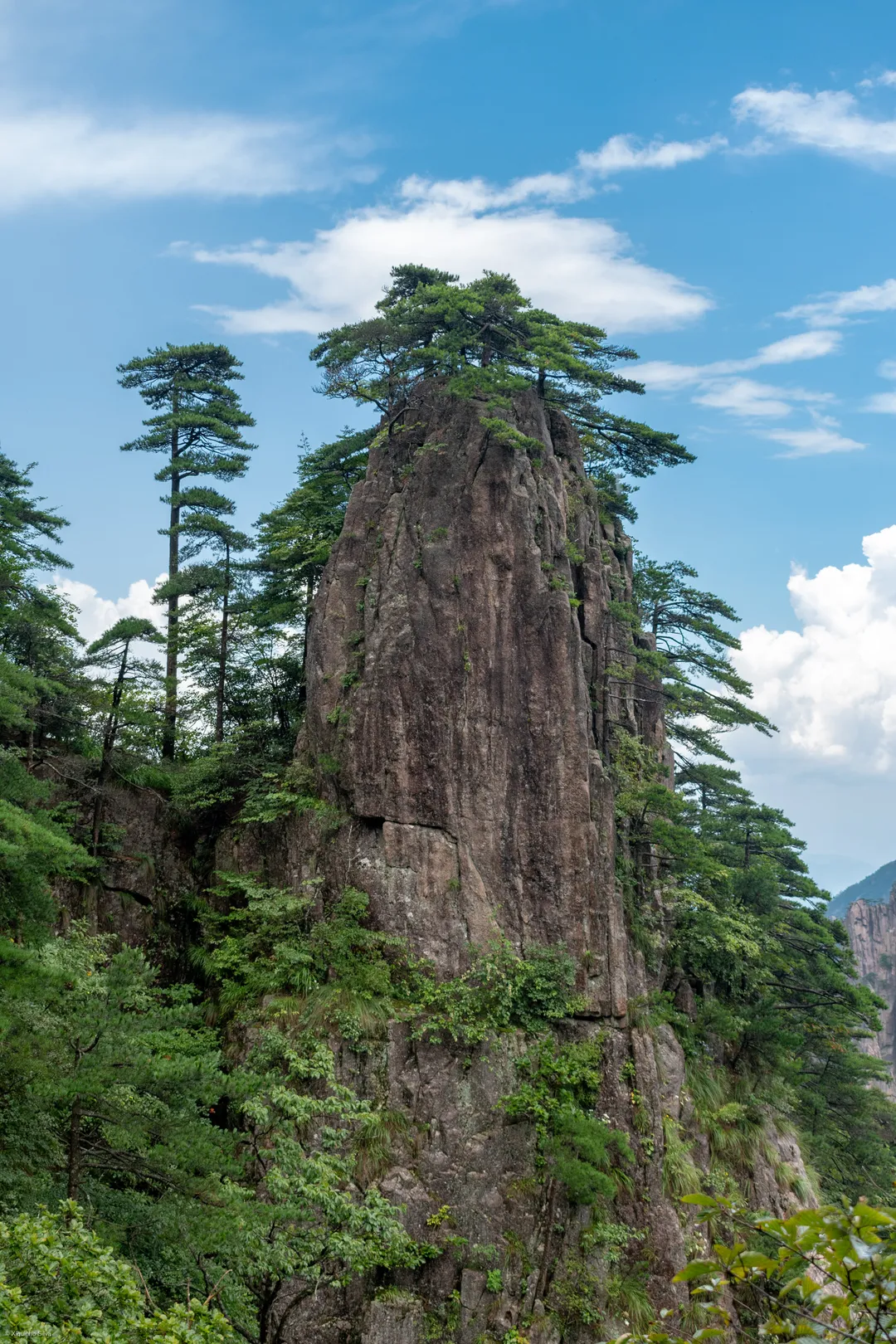
Yellow Mountain (黄山, Huángshān) is China's most celebrated mountain, in southern Anhui, celebrated in Chinese art and literature for over 1,000 years as the embodiment of Chinese landscape aesthetics. The mountain's 36 granite peaks (averaging 1,600m, with莲花峰 at 1,864m) are perpetually wreathed in cloud, with the famous "sea of clouds" (云海) visible on roughly 200 days per year. The granite formations are draped with twisted pines (黄山松) that grow impossibly from rock faces, giving the landscape its characteristic gnarled, windswept character. A UNESCO World Heritage Site since 1990.
Huangshan · Visitor Guide2026-10-19
Quick Answer
Is Yellow Mountain worth visiting?
China's most celebrated mountain — 36 granite peaks, seas of cloud, gnarled pines, and hot springs. UNESCO World Heritage Site. ¥150–230. 1–2 days minimum.
Quick facts
| Ticket | ¥150 (low season December–February), ¥190 (peak season March–November). Scenic shuttle bus ¥38 one way. Yungu cable car ¥80 one way, Yuping cable car ¥90 one way. Combined with hot spring ¥268. |
|---|---|
| Hours | 24 hours (the mountain is always accessible). Cable cars run 06:30–17:00. Sunrise from Bright Summit (Guangming Ding) 05:30–06:00. |
| Recommended duration | 1–2 days minimum; 2 days allows time for sunrise and the main peaks circuit. |
| Best time to visit | October–December for clearest skies and autumn foliage (the gnarled pines turn gold). March–May for spring growth and clear mornings. Summer (June–August) is the wettest season — seas of cloud are more common but visibility can be poor. Avoid Chinese public holidays — the queues for cable cars are extreme. |
| How to get there | From Huangshan city (屯溪): Bus 1, 13, or 15 to Huangshan Bus Station (¥20, 50 minutes). From Huangshan North Railway Station: Bus 19 or DiDi (¥30). A DiDi from Huangshan Airport costs ¥80–100. Most visitors stay at the mountain top hotels (光明顶山庄, 白鹅山庄) for the sunrise. |
| English signage | Yes |
| Wheelchair accessible | No |
| Highest peak | 莲花峰 (Lotus Peak), 1,864 m |
| Number of peaks | 36 named peaks |
| Sea of clouds | Visible ~200 days per year |
| UNESCO status | World Heritage Site since 1990 |
| Famous pines | 1,000+-year-old gnarled pines (黄山松) growing from bare rock |
| Temperature at summit | 5–15°C below city temperature; can be below 0°C in winter |
What to expect
Yellow Mountain has been the subject of Chinese ink painting and poetry for 1,000 years, celebrated for its combination of granite peaks, seas of cloud, twisted pines, and hot springs — the five classical elements of the Chinese landscape aesthetic. The "sea of clouds" (云海) is the defining phenomenon: on roughly 200 days per year, moisture-laden air from the Pacific is trapped below the summit peaks, creating a white sea beneath the peaks that shifts and moves. The famous gnarled pines (黄山松) are shaped by the constant strong winds at altitude — their branches all grow horizontally in one direction, away from the prevailing wind, giving them a windswept, eternal quality. The most famous pine is the "Greeting Pine" (迎客松) on Yungang Bridge, a 1,000-year-old specimen whose branch extends horizontally like a welcoming arm.
The mountain is accessed via four cable car systems: Yungang (云谷寺索道), Yuping (玉屏索道), Taiping (太平索道), and the Fuxian (芙蓉峰索道). Most visitors enter from Yungang (north) or Yuping (south) and stay overnight at the summit hotels to see the sunrise from光明顶 (Bright Summit). The classic itinerary is: arrive by cable car, stay at a summit hotel, wake for sunrise (05:30–06:00), walk the peak circuit (6–8 hours), descend by cable car.
The hot springs at the foot of the mountain (黄山温泉) have been used since the Tang dynasty and are a traditional post-hike reward. The water temperature is maintained at 37–42°C. The area has been developed as a resort with pools and hotels. After a hard day on the peaks, it is the ideal end point.
How to get there
From Huangshan city (屯溪), take Bus 1, 13, or 15 to Huangshan Bus Station, then the scenic area bus to the cable car stations (¥13). A DiDi from Huangshan Airport or North Railway Station costs ¥80–100 / 60 minutes. The most comfortable option is a private car with driver for the round trip.
Best photo spots
- Sunrise from光明顶 (Bright Summit) — the sea of clouds and the peaks above it, best in autumn and winter
- The Greeting Pine (迎客松) — photographed from Yungang Bridge with the branch extending toward the camera
- The sea of clouds from炼丹峰 — peaks emerging from a white sea of cloud, best after rain
- The summit ridge from光明顶 to莲花峰 — the classic panorama showing the granite peaks and twisted pines
Tips
- Stay at a summit hotel (光明顶山庄 or 白鹅山庄) — the sunrise over the sea of clouds is the defining Yellow Mountain experience and cannot be captured in a day trip
- Book your summit hotel months in advance during peak season (October, May Day, Golden Week) — the hotels fill up quickly
- Wear layers — the temperature at the summit is 10–15°C cooler than at the foot; even in summer, warm layers are essential at sunrise
- The Yungang cable car (云谷寺) from the north is the most popular — the Yuping (玉屏) from the south is less crowded and gives a different perspective
- Prepare for sea of clouds — it is the mountain's most impressive feature and is most likely after rain
Scams to avoid
- "Hiking guide" services at the cable car station offering to escort you on the peaks for ¥300–500 — the paths are well-marked and the audio guide (¥40) is sufficient
- Vendors at the summit selling overpriced water and food — bring your own supplies; the prices are 3–4× city prices
- Unofficial "mountain top hotels" sold by touts — book directly with the official hotels or through Ctrip
Frequently asked questions
Is Yellow Mountain worth visiting?
Yes — it is one of China's most impressive natural landscapes and the sea of clouds with the granite peaks and twisted pines is unlike anything else in the world. Budget at least one night at a summit hotel for the sunrise.
How many days do I need?
One night + two days is the standard itinerary: arrive on day 1 by cable car, stay at summit hotel, see sunrise, walk the peak circuit (6–8 hours), descend day 2. Two nights allows for two sunrises.
When is the best time to go?
October–December for the clearest skies and autumn colours. Spring (March–May) for fresh growth. Summer (June–August) is the wettest — seas of cloud are more common but visibility can be poor. Avoid Chinese public holidays.
Is Yellow Mountain wheelchair accessible?
No. The mountain paths, stairs, and cable cars are not accessible for wheelchair users.
How cold is it at the summit?
10–15°C cooler than Huangshan city. Summer days are 15–25°C at the summit; nights can drop to 5°C. Winter temperatures can fall below 0°C. Bring warm layers regardless of season.
Read next
Other things to do in Huangshan
Baojia Garden
China's largest private garden near Shexian in Huangshan, about 24 hectares (360 mu) with 10000+ Hui-style bonsai; entry 50 yuan, open 08:00-17:00, home to an 800-year-old plum.
Chengkan Village
A fengshui village laid out on the Eight Trigrams pattern, hailed as the finest of Jiangnan — three streams thread past 21 nationally protected Ming buildings. Allow 2-3 hours.
Huangshan Hot Springs
Hot springs in the Huangshan scenic area with over 1000 years of history; water at 37-42°C, about 400 tonnes daily, soak for around 238 yuan, 14:00-22:00, a great break after hiking.
Hongcun
A 900-year-old Huizhou village at the foot of Huangshan — the most beautiful water village in China, with a lotus pond, moon bridges, and traditional Anhui architecture. ¥104. 2–3 hours.
Qiyun Mountain
One of China's four sacred Taoist mountains near Huangshan, 585 m high with Taoist sites dating back some 1,300 years to the Tang; 68 yuan entry, cableway 35 one way, best April-October.
Shexian Ancient City
Cradle of Huizhou culture in Huangshan, founded in 221 BC with 2200+ years of history; free to enter with an 80-yuan combo ticket for sights, open 08:00-17:30.
Xidi Village
Hui-style ancient village founded in 1047 and UNESCO-listed with Hongcun in 2000; entry 104 yuan, open 07:30-17:30, famed for brick, wood and stone carvings.
Yellow Mountain (Huangshan)
China's most revered mountain — granite peaks, twisted pines, sea of clouds, and summit sunrises. The landscape that inspired classical Chinese ink painting. ¥230. 2 days minimum.