This page is archived and no longer updated — see the current guide: See the current guide
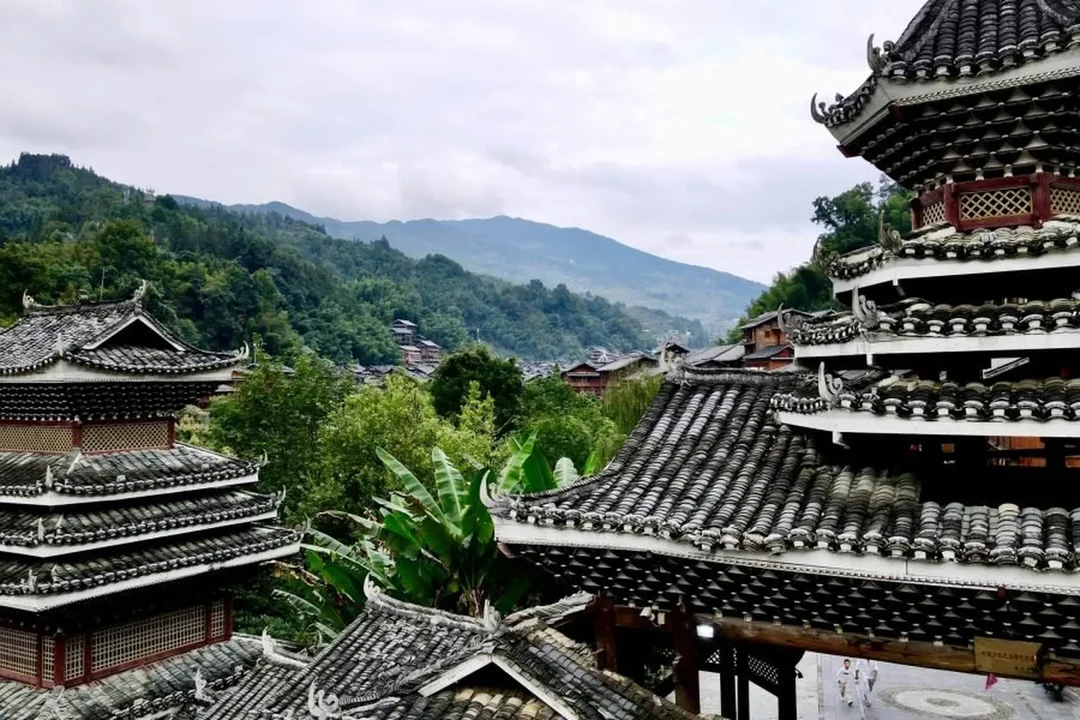
Chengkan Village呈坎村
Chengkan Village, in Huizhou District of Huangshan, was founded in the late Eastern Han dynasty and is celebrated as the finest ancient village of Jiangnan. Laid out on the Eight Trigrams (Bagua) pattern and threaded by three streams, it is known as a Bagua village made by nature.
Huangshan · Visitor Guide2026-10-19
Quick Answer
Is Chengkan Village worth visiting?
A fengshui village laid out on the Eight Trigrams pattern, hailed as the finest of Jiangnan — three streams thread past 21 nationally protected Ming buildings. Allow 2-3 hours.
Quick facts
| Ticket | Adults CNY 107; students/seniors CNY 53 |
|---|---|
| Hours | 07:30-17:30 |
| Recommended duration | 2-3 hours |
| Best time to visit | Mar-May (rapeseed blossoms), Sep-Nov (autumn colors), and misty mornings after rain |
| How to get there | About 30 minutes from Huangshan North railway station by bus or taxi; by car via National Road 205 |
| English signage | Partial |
| Wheelchair accessible | Partial |
| Founded | Late Eastern Han dynasty (c. 180 AD) |
| Layout | Bagua (Eight Trigrams) plan on yin-yang and five-element principles |
| Water system | Three streams run through the village |
| National heritage listings | 21 Ming-dynasty buildings |
| Notable figures | Zhu Xi (lectured here) |
| Distinctive feature | The only village where two streams flow side by side |
What to expect
Chengkan, anciently known as Longxi, was founded in the late Eastern Han dynasty and carries more than 1,800 years of history. The village follows the Eight Trigrams (Bagua) pattern, its quarters clearly marked by the Azure Dragon, White Tiger, Vermilion Bird and Black Tortoise, earning it a reputation as China's foremost fengshui village.
Three streams flow through the village, forming a landscape of five gates and four waters. Villagers live with the hills at their back and the water at their feet, in harmony with nature — a demonstration of the fengshui wisdom of ancient Huizhou.
Twenty-one Ming-dynasty buildings survive, among them the Luodongshu Ancestral Hall (hailed as the foremost ancestral hall in China), the Luo family tombs and a thousand-year-old well. The hall's timber frame and painted decoration remain beautifully preserved.
How to get there
About 30 minutes from Huangshan North railway station by bus or taxi. By car, follow National Road 205 to Chengkan in Huizhou District. Pairs well with Tangmo Ancient Village and the Qiankou Residences.
Best photo spots
- Reflections on Yongxing Lake (best at sunrise)
- Where the three streams converge
- The front gate of the Luodongshu Ancestral Hall
- Blue-stone flagstones along the stream bank
- The village in morning mist after rain
Tips
- Go early in the morning for few visitors, good light and still water
- Farmhouse restaurants at the village entrance serve authentic Huizhou country cooking
- Village elders work as guides and can tell the fengshui stories
- The autumn shaiqiu harvest drying — chilies and corn spread out to sun — is a signature sight
Scams to avoid
- Vendors at the village entrance may pass off inferior goods as local specialties; buy from farmhouse shops inside
- Some unlicensed guides charge for poor commentary; book through official channels
Frequently asked questions
How is Chengkan different from Hongcun and Xidi?
Chengkan is famed for its Bagua fengshui layout and wealth of Ming-dynasty buildings; Hongcun for its water system and reflections; Xidi for its carving artistry. Each has its own character, and Chengkan sees fewer visitors.
Do I need a guide?
Recommended — a guide brings the village's fengshui layout and history to life. Official guide services are available in the village.
When is the best time of year?
Spring rapeseed blossoms and the autumn harvest drying are the highlights; misty early mornings after rain are the most atmospheric.
Read next
Other things to do in Huangshan
Baojia Garden
China's largest private garden near Shexian in Huangshan, about 24 hectares (360 mu) with 10000+ Hui-style bonsai; entry 50 yuan, open 08:00-17:00, home to an 800-year-old plum.
Huangshan Hot Springs
Hot springs in the Huangshan scenic area with over 1000 years of history; water at 37-42°C, about 400 tonnes daily, soak for around 238 yuan, 14:00-22:00, a great break after hiking.
Hongcun
A 900-year-old Huizhou village at the foot of Huangshan — the most beautiful water village in China, with a lotus pond, moon bridges, and traditional Anhui architecture. ¥104. 2–3 hours.
Yellow Mountain
China's most celebrated mountain — 36 granite peaks, seas of cloud, gnarled pines, and hot springs. UNESCO World Heritage Site. ¥150–230. 1–2 days minimum.
Qiyun Mountain
One of China's four sacred Taoist mountains near Huangshan, 585 m high with Taoist sites dating back some 1,300 years to the Tang; 68 yuan entry, cableway 35 one way, best April-October.
Shexian Ancient City
Cradle of Huizhou culture in Huangshan, founded in 221 BC with 2200+ years of history; free to enter with an 80-yuan combo ticket for sights, open 08:00-17:30.
Xidi Village
Hui-style ancient village founded in 1047 and UNESCO-listed with Hongcun in 2000; entry 104 yuan, open 07:30-17:30, famed for brick, wood and stone carvings.
Yellow Mountain (Huangshan)
China's most revered mountain — granite peaks, twisted pines, sea of clouds, and summit sunrises. The landscape that inspired classical Chinese ink painting. ¥230. 2 days minimum.