nihaovisit

Lhasa · Visitor Guide

Norbulingka (罗布林卡, Luóbùlínkǎ)

Norbulingka, "Jewel Park" in Tibetan, served as the seasonal retreat for Dalai Lamas from 1755 until 1959 and is the largest man-made garden in Tibet Autonomous Region. Inscribed jointly with the Potala Palace on the UNESCO World Heritage List in 2001, it contains palaces, pavilions, a zoo, and some of the oldest trees in central Lhasa. It is the least crowded of the three Potala-area heavyweights, which is exactly why it is worth budgeting real time for it.

Last updated:

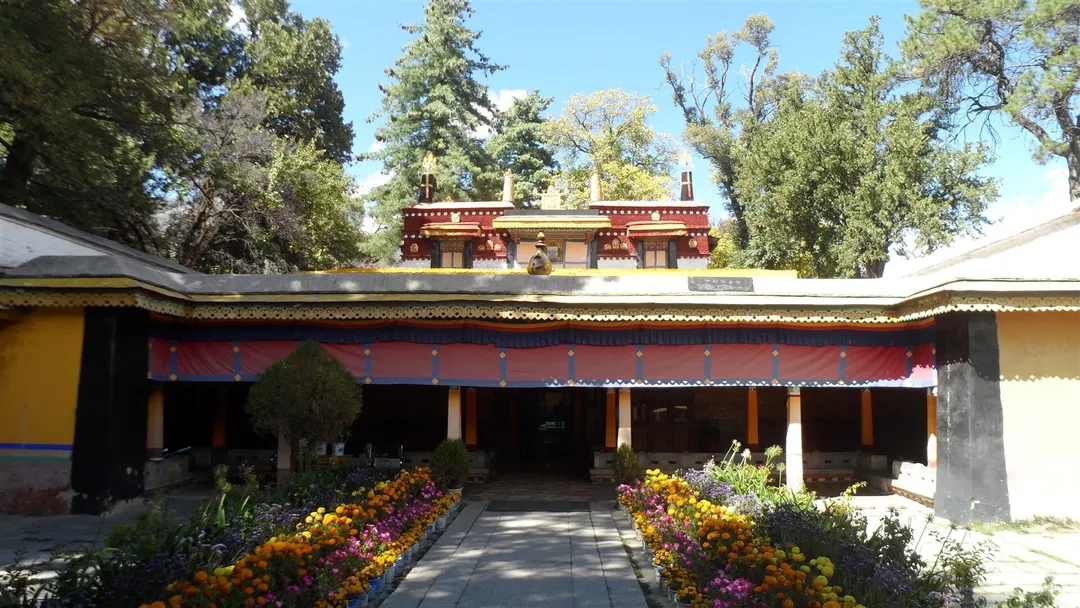
Norbulingka travel photo

Quick Answer

Is Norbulingka worth visiting?

The Dalai Lamas' summer garden-palace covers 36 hectares next to the Potala Palace and rewards 2–3 hours of unhurried walking — go in summer to catch the Sho Dun festival.

Quick facts

TicketCNY 60 in low season, CNY 80 in peak summer (as of 2026); free entry during the Sho Dun festival opening day in August. Separate tickets for individual palace interiors apply.
Hours09:00–18:00 (May–October, peak season); 09:00–17:00 (November–April). Last admission 30 minutes before close. Closed on Mondays during off-season (verify).
Recommended duration2–3 hours for the gardens; add 1 more hour if you pay to enter the main palace interiors.
Best time to visitLate June through August, when roses bloom and the Sho Dun (Yogurt) festival transforms the park into a week-long picnic ground; mornings beat the tour-bus wave that hits around 10:30.
How to get thereWalk 10–15 minutes west from the Potala Palace, or take bus 2, 14, or 24 from Beijing Zhong Lu and alight at Norbulingka Bei Men (北门) stop. A DiDi from Barkhor costs about CNY 15–25 and drops you at the east gate in 10 minutes. There is no Lhasa Metro as of 2026.
English signagepartial
Wheelchair accessiblepartial
Built1755, by the 7th Dalai Lama; expanded by every subsequent Dalai Lama through the 14th.
AreaAbout 36 hectares (89 acres); largest man-made garden in Tibet.
UNESCOInscribed 2001 as extension of the Potala Palace (WHL 707).
PalacesThree main palace buildings plus Tashikyang (new summer palace, 1956).
Elevation3,650 m above sea level.
FestivalSho Dun (Yogurt) Festival, held annually in late July or early August.

What to expect

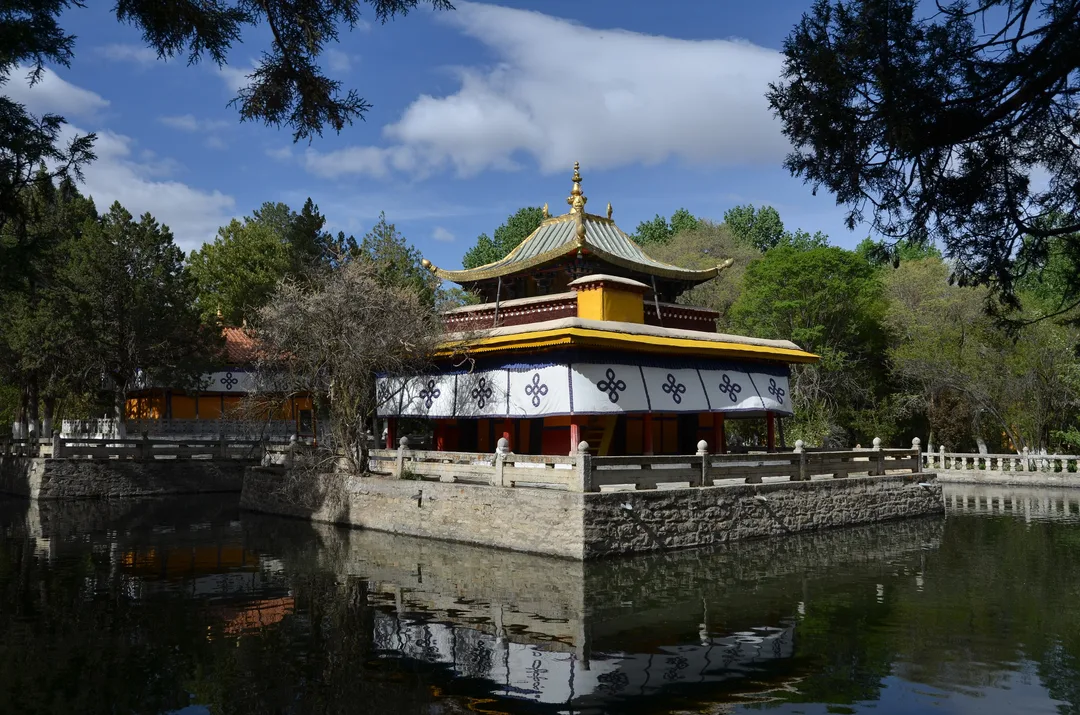
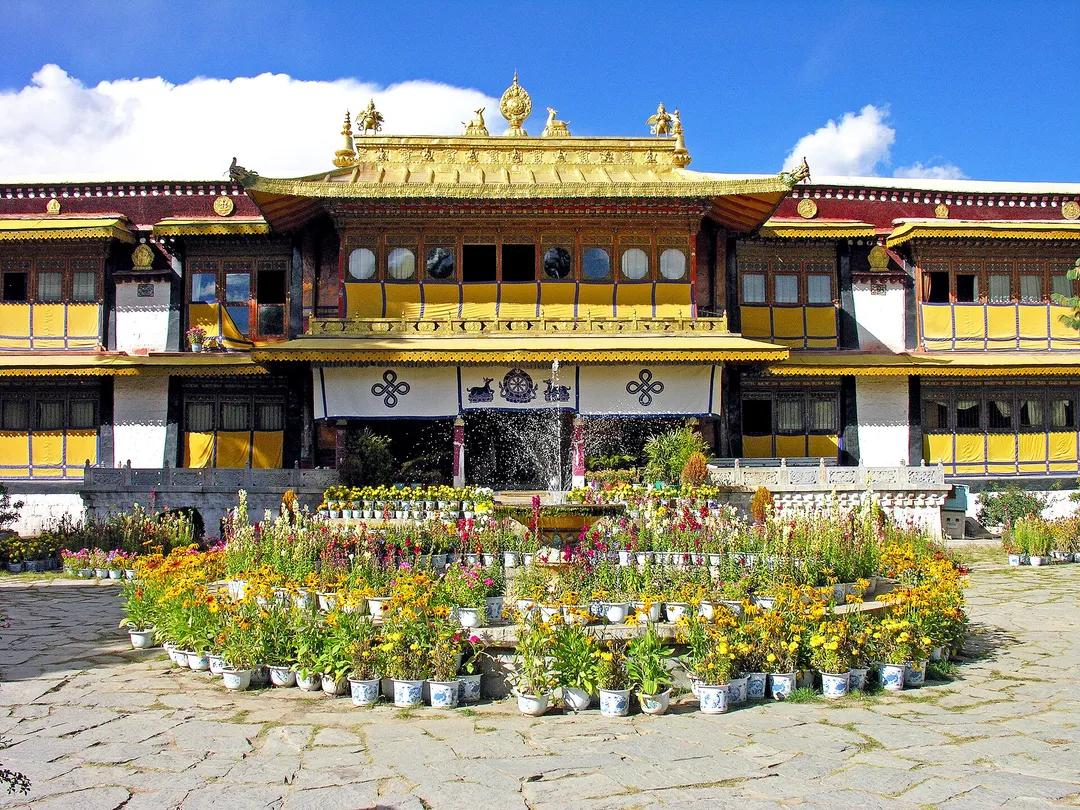
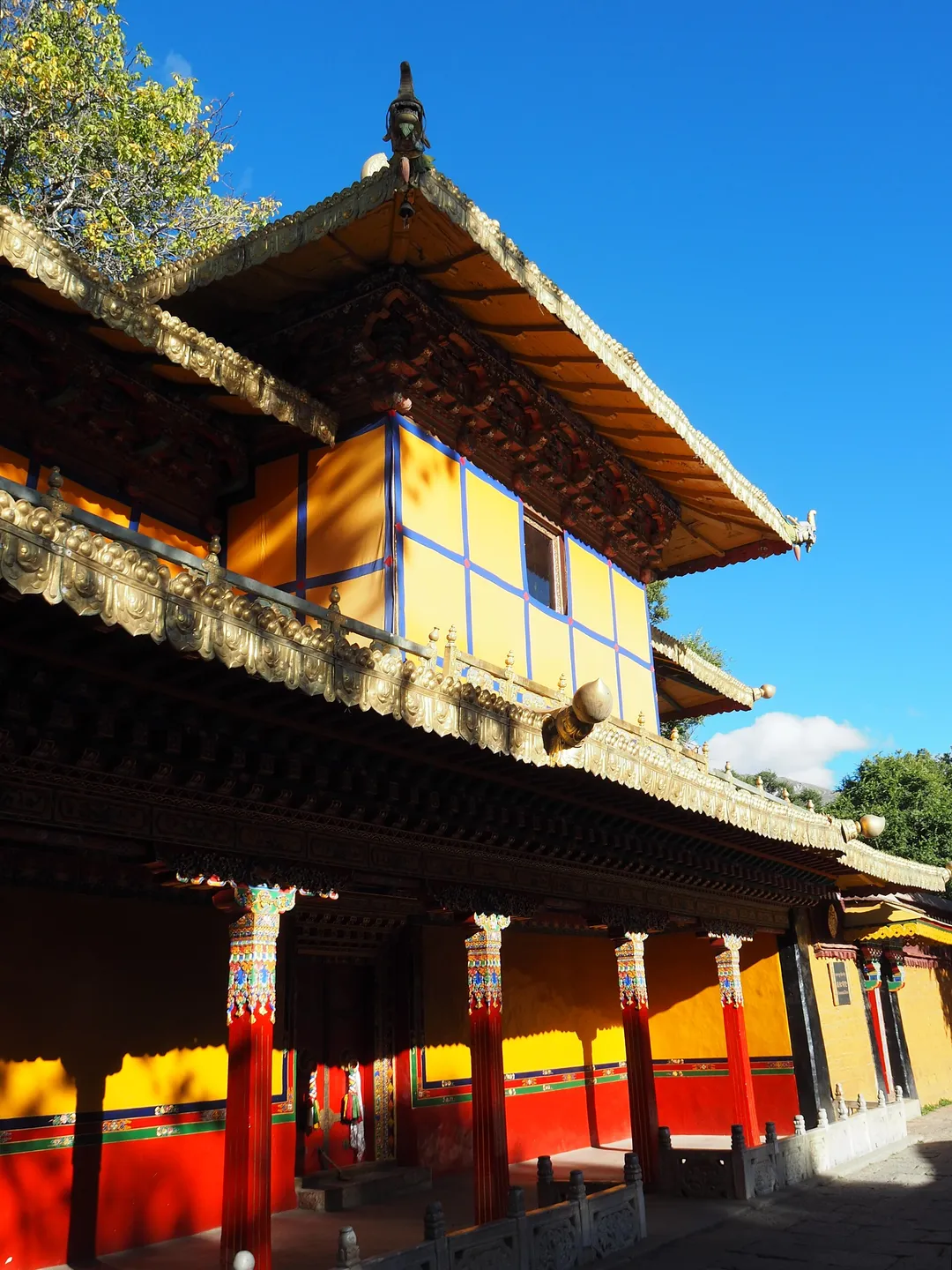
What you actually walk through is a working public park first and a museum second. Expect willow-shaded ponds, gravel paths, Tibetan families in picnic mode under the oldest trees, and a small zoo with bears and yaks that is exactly as threadbare as you have heard. The palace interiors are surprisingly intimate — the 14th Dalai Lama's 1956 New Summer Palace (Tashikyang) has its cinema hall and bathroom fixtures still in place, which is the part foreign visitors quietly find most affecting. Photography inside the palaces is forbidden; outside, knock yourself out.

Construction began in 1755 under the 7th Dalai Lama, who needed a retreat away from the damp, window-crowded Potala, and successive Dalai Lamas added palaces and pavilions for 200 years. It functioned as the de facto seat of the Tibetan government during the summer months and hosted the enthronement of the present Dalai Lama in 1950. The park took heavy damage during the Cultural Revolution but reopened in 1980 and was inscribed on the UNESCO World Heritage List in 2001 alongside the Jokhang and Potala.

Practical reality: altitude is the real barrier, not logistics. Take it slow on the steps near Kelsang Phodrang, drink water, and do not chain Norbulingka with the Potala on day one — most travelers misjudge this and pay for it with a wasted afternoon. There are a handful of Tibetan tea shops inside the gates selling butter tea and noodles; food inside is mid and overpriced, so eat in town before entering.

How to get there

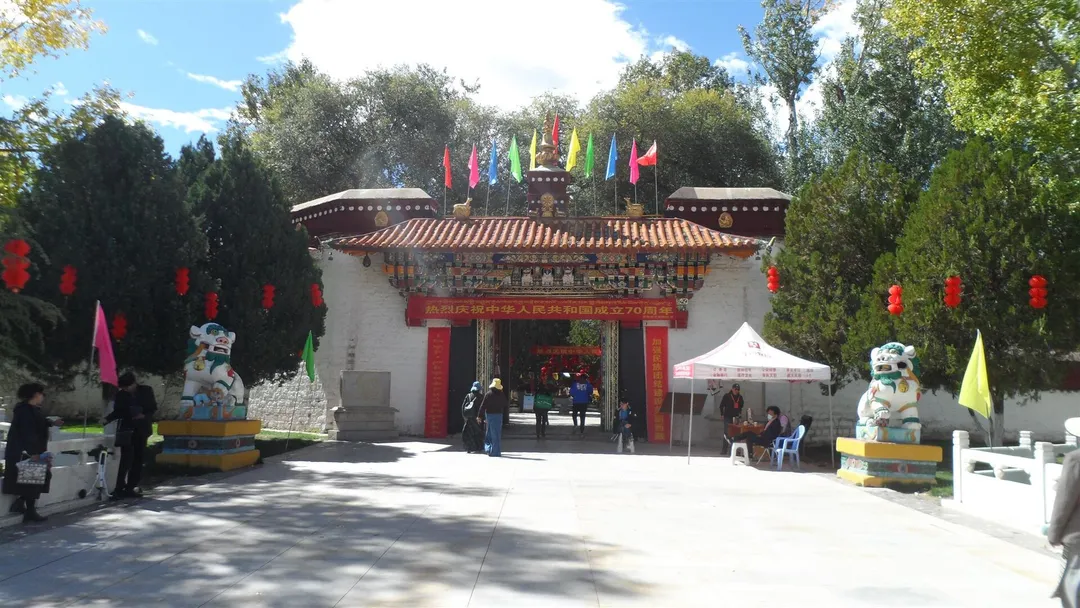
The simplest approach is the walk from the Potala Palace west gate — exit, cross Luobulinka Lu, and you are at the east entrance in 10–15 minutes along a flat road. From the Barkhor or Jokhang area, buses 2, 14, and 24 all stop at Norbulingka Bei Men (北门, North Gate); a taxi or DiDi from Jokhang runs CNY 15–25 and takes 10 minutes depending on Lhasa's surprisingly aggressive traffic. If arriving by train from Xining, Lhasa Railway Station taxi to Norbulingka is about CNY 60 and 25 minutes. Self-driving is uncommon — most visitors have not organized the permit — but the parking lot off the north gate is free. There is no Lhasa Metro line as of 2026 (line 1 is under construction and unlikely to open before 2028).

Best photo spots

  • The willow-framed pond in front of Chensel Phodrang (Golden Throne Palace) at mid-morning, when the light cuts sideways through the leaves.
  • The second-floor balcony of Tashikyang (New Summer Palace) looking out over the garden — photography is allowed in the courtyard but not inside, so frame the exterior first.
  • North Gate entrance with the Potala Palace framed above the trees, the classic Lhasa postcard shot taken at golden hour.
  • The long gravel avenue between the old poplars on the western side of the park, where tour groups rarely wander and you can actually get an empty frame.

Tips

  • Buy a combo ticket with the Potala Palace if you plan both on the same trip — the joint ticket saves about CNY 30 and the cashiers know it.
  • Skip the small zoo; the enclosures are genuinely depressing and your time is better spent in the palace interiors or the western garden.
  • Arrive at 09:00 opening: tour buses arrive around 10:30 and depart by 14:00, so the first hour and the last hour are the quietest.
  • If visiting during Sho Dun, bring a mat or buy a cheap Tibetan rug at the gate — locals sit for hours watching the opera stage and it is the most culturally honest thing you can do in Lhasa.
  • Do not chain Norbulingka with the Potala on day one at altitude; the parks look easy but the elevation punishes rushed itineraries.

Scams to avoid

  • Touts near the north gate offering "shortcut guides" to the Dalai Lama's private rooms — there are no private rooms, and the guides are unlicensed.
  • "Free prayer ceremony" invitations that turn into a yak-butter-lamp donation request of CNY 100+; legitimate ceremonies are open and free, no invitation required.
  • Overpriced "Tibetan costume photo" setups that quote CNY 50 and balloon to CNY 300 once you have changed; agree on a total in writing before putting on the robes.

Frequently asked questions

Is Norbulingka included in the Potala Palace ticket?

No — they are separate tickets as of 2026. The Potala Palace costs CNY 200 (summer) or CNY 100 (winter) with mandatory reservation, while Norbulingka is CNY 60–80. A small joint-ticket discount of roughly CNY 30 is sometimes available at the Potala ticket office.

Do I need a Tibet Travel Permit to visit Norbulingka?

Yes. A Tibet Travel Permit (TTP) is required for all foreign visitors entering Tibet, and Norbulingka falls under the same rules as Lhasa city attractions. Your tour operator arranges it, typically 15–20 business days in advance.

What is the best month to visit Norbulingka?

July through early September is peak: roses bloom, willows are fully leafed, and the Sho Dun festival (late July or early August) lights up the park for one week. May and October are quieter shoulder months with cooler weather but less green.

How long does it take to walk through Norbulingka?

Allow 2–3 hours for the gardens at a relaxed pace. Adding 60–90 minutes for the three palace interiors brings you to a half-day, which is what most guided groups schedule.

Can I take photos inside the palaces?

No. Photography and video are prohibited inside all palace buildings at Norbulingka as of 2026. The gardens, courtyards, and exteriors are unrestricted.

When was Norbulingka built?

Construction began in 1755 under the 7th Dalai Lama, and the complex was expanded by every subsequent Dalai Lama until the 14th fled in 1959. The New Summer Palace (Tashikyang) was added in 1956.

Is Norbulingka a UNESCO World Heritage Site?

Yes — inscribed in 2001 as an extension of the Potala Palace under World Heritage List number 707, which covers the Jokhang, Potala, and Norbulingka ensemble.

How big is Norbulingka?

About 36 hectares (roughly 89 acres), making it the largest man-made garden in Tibet Autonomous Region.

Is Norbulingka accessible for wheelchairs?

Partially. The main gravel paths are flat and passable, but the palace interiors require climbing narrow wooden stairs and several garden bridges have steps. The New Summer Palace has the best step-free access via a side ramp.

What is the Sho Dun festival?

Sho Dun (Yogurt Festival) is an annual Tibetan festival held in late July or early August, originating in the 11th century but relocated to Norbulingka by the 7th Dalai Lama. It features Tibetan opera, butter sculpture displays, and picnicking in the park, with free entry to the gardens on opening day.

Read next

Other things to do in Lhasa

Potala Palace

13-story Tibetan palace, 3,700m altitude, 1,000+ rooms, tombs of 8 Dalai Lamas. Tibet permit required. Book weeks ahead. 1 hour inside (enforced).

Mount Kailash

Tibet's holiest peak at 6,638m — sacred to four religions. 3-day kora (52 km) around the mountain. Permit required. Remote, high-altitude, deeply spiritual.

Jokhang Temple

Tibet's holiest temple, built around 647 CE, holds the Jowo Sakyamuni — the most sacred Buddha image in Tibetan Buddhism. Budget 1.5-2 hours inside plus the Barkhor kora around it.

Sera Monastery

Sera Monastery (色拉寺, Sèlā Sì) is one of the three great Gelug-school monasteries of Lhasa, founded in 1419 by Jamchen Chojey, a disciple of Tsongkhapa. The reason most visitors come is the monk debate (辩经), held Monday to Saturday from 15:00 to 17:00 in the debate courtyard — ¥50 entry (as of 2026), allow 2–3 hours including the chapels.

Drepung Monastery

Drepung Monastery (哲蚌寺, Zhébàng Sì), founded in 1416, was once the largest monastery in the world — housing up to 10,000 monks before 1959 — and still clings to a steep hillside 8 km west of Lhasa. Entry is ¥50 CNY (as of 2026); budget 2-3 hours for the climb, the Ganden Podrang palace, and the assembly halls.

Barkhor Street

A 1 km clockwise pilgrim circuit ringing Jokhang Temple, walked by Tibetans for over 1,000 years and now lined with thangka and turquoise stalls. Allow 1-2 hours, and go at dawn to see real kora devotion before the crowds.

Yamdrok Lake

A sacred turquoise lake at 4,441 m and one of Tibet's three holy lakes, reached by a 2.5-hour drive from Lhasa over the 4,794 m Kamba La pass. Plan a half-day; the postcard turquoise only appears in direct sun, so it's a gamble in monsoon cloud.

Namtso Lake

At 4,718 m, Namtso is one of the highest large lakes on Earth and Tibet's largest saltwater lake; the run from Lhasa is about 240 km each way and eats a full 12-hour day, so leave before dawn.

Museums in Lhasa

Sources