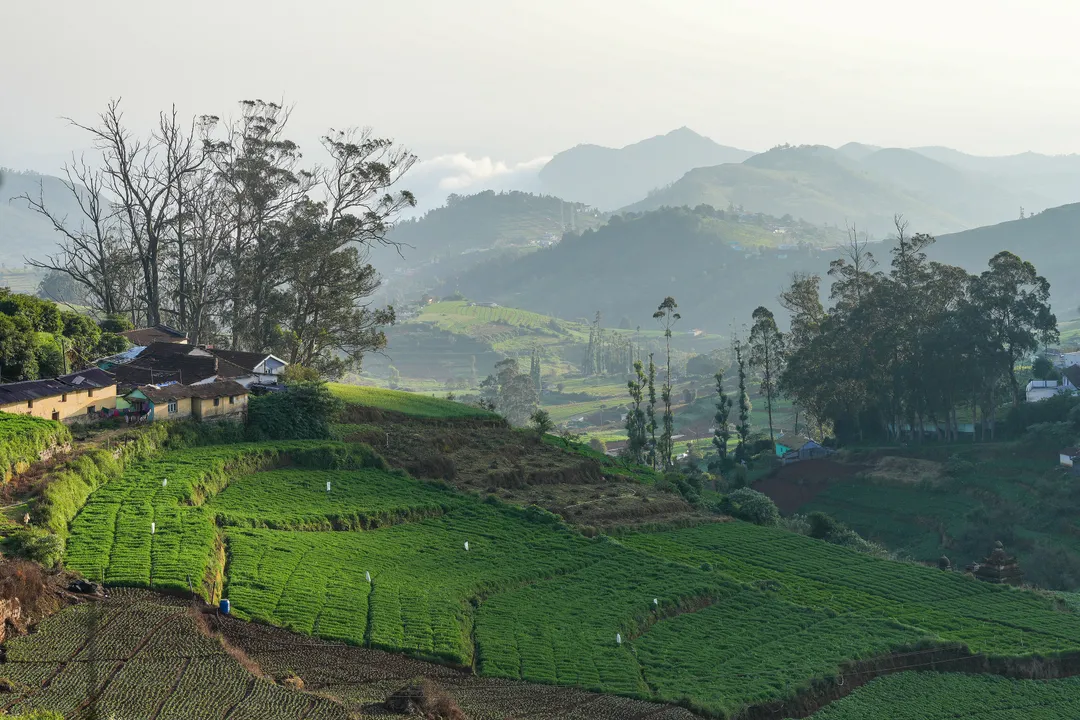
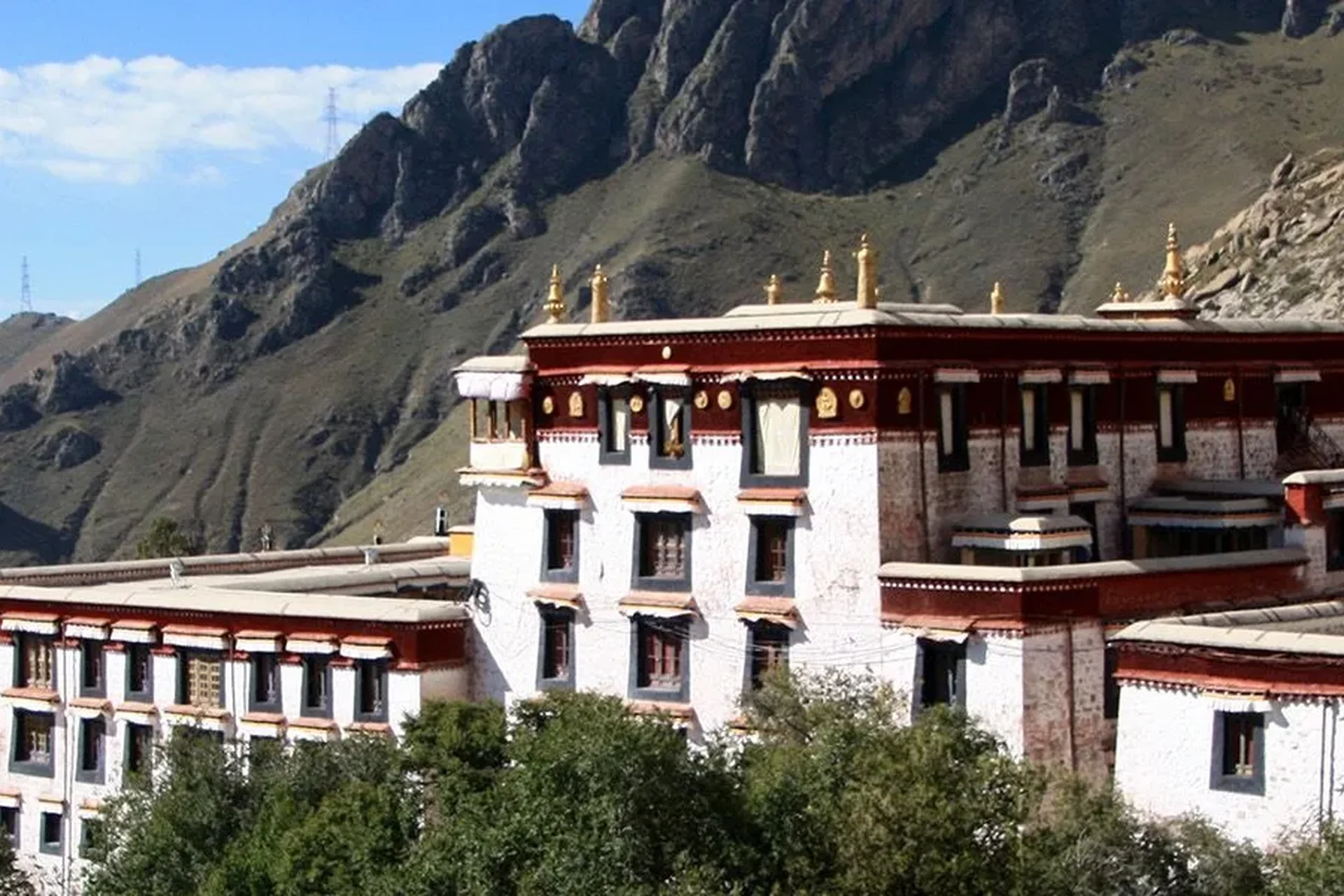
Lhasa is the strangest capital city you'll ever visit. At roughly 3,650 meters above sea level, the air is thin, the light is sharp, and the bureaucracy is real — every foreign visitor needs the Tibet Travel Permit (入藏函) just to board a plane or train here, and that's before you've even considered altitude sickness. Most first-time visitors arrive thinking they'll do the Potala Palace and move on. They leave five days later, oxygen-deprived and slightly altered, having eaten more yak momos than they can count.
This guide is written from the perspective of someone who has landed at Lhasa Gonggar Airport, queued for a permit check, and spent enough evenings sitting in the Barkhor to know which tea houses are genuine and which are theatre. The numbers are 2026-verified; the opinions are mine.
essential Attractions
Potala Palace (布达拉宫)
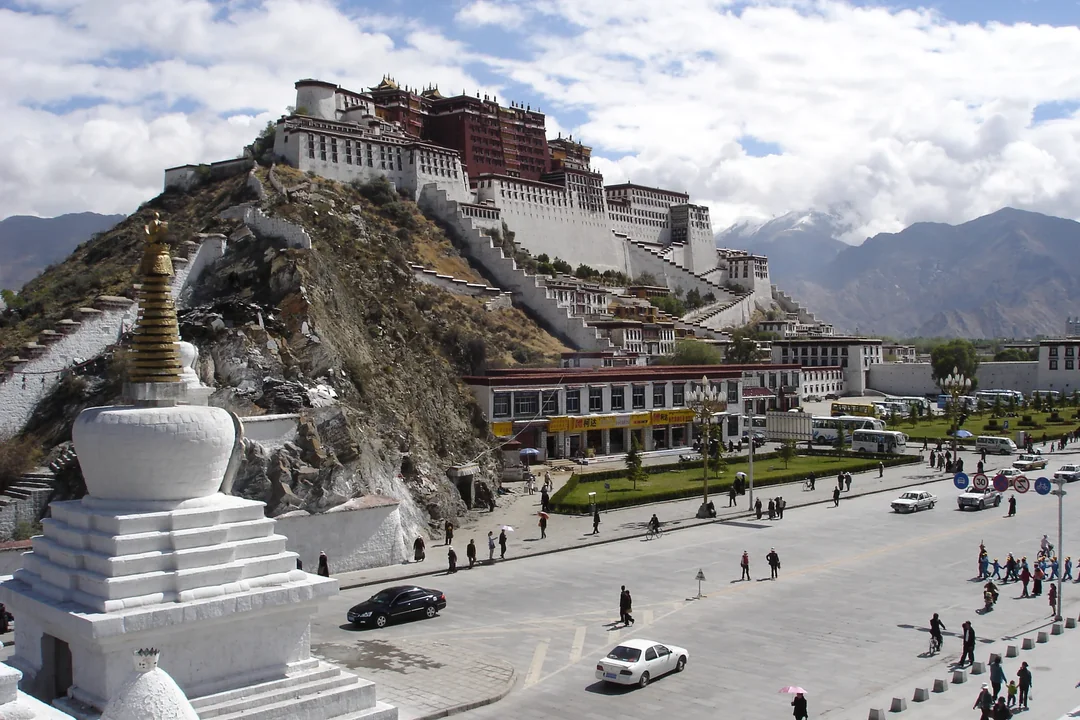
The Potala is not just Lhasa's headline attraction — it is the reason most people come to Tibet at all, and the permit, the altitude, the cost, and the crowds all flow downstream from this one red-and-white fortress on the hill. Built originally in the seventh century under King Songtsen Gampo and expanded into its current form by the Fifth Dalai Lama in the 17th century, the palace served as the winter residence of the Dalai Lamas and the political heart of old Tibet. It is now a museum, a UNESCO World Heritage Site, and one of the most visited buildings in all of China.
What you actually see is constrained. Each visitor is limited to a one-hour slot inside the palace proper, and tickets are released daily in batches — usually capped around 2,300-2,500 visitors per day, which sounds generous until you realise half the year is sold out weeks in advance. You climb from the entrance gate at the foot of the hill, up a long switchback ramp, through the White Palace (administrative quarters), and finally into the Red Palace (religious). The highlight is the Tomb of the Thirteenth Dalai Lama, gilded floor-to-ceiling, and the Jokhang-style chapels stacked above the central courtyard. Photography inside is forbidden. Outside, from the ramp itself, you get the views that justify the trip — the rooftops of old Lhasa, the gold roofs of Jokhang Temple, and the Kyi Chu valley unrolling west.
Practical: Open 8:30-15:00 in winter (November-April) and until 16:30 in summer, but the last ticket is sold roughly 1.5 hours before closing. Tickets cost 200 CNY in peak season (May-October) and 100 CNY off-peak, plus a mandatory 30 CNY shuttle from the east parking area. Book via the official WeChat mini-program (布达拉宫票务) 1-7 days ahead — passports are required at booking. Allow at least 90 minutes total including the climb.
Our take: Do it on day two, after you've acclimatised. Going straight from the airport to the Potala is the single most common mistake — altitude sickness ruins more Tibet trips than bad weather, and the climb is steeper than it looks.
Jokhang Temple (大昭寺)
If the Potala is the political centre, the Jokhang is the spiritual one. Older than the current Potala (founded in the seventh century under King Songtsen Gampo for his Chinese wife Wencheng's statue of Shakyamuni), this temple in the middle of the old town is the most sacred site in Tibetan Buddhism. The Barkhor — the circular pilgrim path around it — is the heartbeat of Lhasa.
Inside, the four-storey complex is dense with chapels, statues, and murals. The main hall holds the Jowo Shakyamuni statue, brought to Tibet as part of a marriage alliance with Tang-dynasty China. It's about 1.3 meters tall and is considered so holy that touching it is reserved for high lamas; everyone else queues in a slow spiral around the ground floor. The roof offers a real rarity — a clear view of the Potala across the rooftops, framed by the gold spires of the Jokhang itself. Photography is forbidden inside the chapels but permitted in the rooftop area.
Practical: Tickets are 85 CNY, and the temple opens roughly 8:00-18:00, with closures for religious observances that aren't always published. The rooftop sometimes closes early for a fee (10 CNY). Queueing for the interior circuit can take 30-90 minutes depending on season.
Our take: Visit twice if you can — once during the day to absorb the pilgrims, and once at dusk when the Barkhor crowd thins and the chanting from inside carries across the square. The Jokhang at dusk, with the pilgrims prostrating around it, is the single most Lhasa thing you'll see.
Barkhor and the Old Town (八廓街)
The Barkhor (literally "middle circle") is the pilgrim circuit around the Jokhang, and the old Tibetan quarter that wraps around it is the part of Lhasa where the city still feels like itself. It's a kora — a clockwise walking path — lined with stalls selling prayer wheels, turquoise jewellery, yak-wool sweaters, and Chinese-made souvenirs of variable quality. The outer ring is more tourist-oriented; the inner lanes still have cobblers, butter-sculpture workshops, and Tibetan tea houses where grandmothers drink sweet tea for 6 CNY a pot.
The walk itself takes 15-25 minutes at pilgrim pace, faster if you push through. Mornings are quieter and the light is best; afternoons bring the tour buses. Come at dawn once and you'll have it almost to yourself — pilgrims, a few stray dogs, the smell of juniper smoke.
Practical: No ticket; free to walk. Don't photograph pilgrims up close without permission — it's a real etiquette line, not a tourism-board formality. The lanes get very narrow at midday when tour groups funnel through; head to the side streets off Barkhor South (八廓南街) for the same atmosphere with a fraction of the foot traffic.
Sera Monastery (色拉寺)
North of the city centre, about 20 minutes by taxi, Sera is one of the great Gelug monasteries of Tibet — founded in 1419, partially destroyed during the Cultural Revolution, and now restored to working order. The reason tourists come here is the debating monks (喇嘛辩经): every afternoon from around 15:00 to 17:00 (Mon-Fri, weather permitting), monks gather in a courtyard behind the main assembly hall and engage in a structured theological argument that involves hand-clapping, finger-pointing, and theatrical stomping. It looks staged; it's not.
The rest of the monastery is quieter and worth a slow walk. The main assembly hall has a vast Maitreya statue and is open to visitors for a small fee. The whole complex is much less crowded than the Drepung monastery up the road, and you can actually sit on the steps and watch.
Practical: Tickets are 60 CNY. Combined tickets with Norbulingka or Drepung sometimes exist; ask at the entrance. Get a taxi from the Barkhor — 40-60 CNY depending on traffic. The debating usually stops by 17:30 sharp; arrive by 15:00.
Norbulingka (罗布林卡)
The "Jewel Garden" was the Dalai Lama's summer residence, built in the 18th century and now a quiet park on the west side of the city. It's the most under-rated of the headline attractions, partly because it's a park rather than a temple and partly because the gardens are at their best from May to September — out of peak tourist photo season. Inside the walls are several palaces (each with a separate ticket), a lake with fat carp, rose gardens, and old willows that lean at improbable angles. The new summer palace (New Palace) has a small but very good museum on Tibetan opera and palace history.
Practical: Entry to the grounds is 10 CNY in low season and 20 CNY in peak. The individual palaces add 10-20 CNY each. Open 9:00-17:00 in low season, until 18:30 in summer. Closed on Mondays in some buildings. Tram line 1 stops at the south gate, or it's a 15-minute walk from the Barkhor if you cross the Lhasa River via the pedestrian bridge near Potala Square.
Our take: Best visited in late May when the roses bloom and the willow catkins are out. Skip the souvenir shops; go for the garden.
Where to Stay
Lhasa is small and the central area is walkable. For most visitors, anything within 1.5 km of the Barkhor puts the Potala, Jokhang, and the old town within a short walk. The two main foreigner-friendly clusters are around Beijing Middle Road (北京中路) and west of the Potala along Luobulinka Road.
Backpacker Tier (150-350 CNY/night)
- Tibet Namtso International Youth Hostel (西藏纳木错国际青年旅舍), Beijing Middle Road. Dorms from 80-120 CNY, doubles 200-300 CNY. Reliable for foreigners (they understand the permit rules), helpful with booking onward transport, and a useful social hub if you're travelling solo. The rooftop has a clear view of the Potala — bring a jacket, even in summer.
- Kailash International Youth Hostel (岗日梅朵青年旅舍), close to Sera Monastery. Quieter, slightly further from the centre. Good if you want to base near the debating monks.
Mid-Range (400-800 CNY/night)
- Tibet Hotel (西藏宾馆), behind the Potala on Minzu Road. The classic Tibetan-mid-range choice — decor is dated but the rooms are clean, the staff are used to foreign guests, and the breakfast buffet is the most extensive in town (includes tsampa and yak butter tea for the curious). Doubles around 500-700 CNY.
- Shangri-La Lhasa (香格里拉拉萨大酒店), Luobulinka North Road. This is the most foreigner-friendly international chain in town. Rooms from 850-1200 CNY, modern oxygenated rooms available (worth the upgrade if you haven't acclimatised), good buffet, and a reliable oxygen lounge on the 4th floor. Book through the official site for better rates.
Luxury (1200+ CNY/night)
- Intercontinental Lhasa Paradise (拉萨圣地天堂洲际大饭店), Liuwu New District. The city's best luxury property, about 20 minutes' drive from the Barkhor. The rooms are spacious, there's a heated pool, and the altitude is somewhat lower (around 3,580 m). From 1300 CNY.
- St. Regis Lhasa (瑞吉拉萨), Jiangsu Road. International luxury standard, oxygenated rooms, central location, but the price reflects it: from 1500 CNY for a basic room, suites significantly higher.
Our take: For first-time visitors, stay near Beijing Middle Road or west of the Potala for the central experience. Splurge on one night at the Shangri-La or St. Regis early in the trip for the acclimatisation benefit — oxygenated rooms are not a gimmick. After that, drop to a mid-range hotel for the rest of the stay.
Getting Around
Lhasa doesn't have a metro. The city's transit is built around the new Lhasa-Kathmandu railway (terminus at Lhasa Station, east of the city), buses, taxis, and the limited DiDi (滴滴) presence.
Taxi
The default. Most drivers don't speak English, but they recognise Potala, Jokhang, Sera, Norbulingka, and "Barkhor." Trips within the central area run 20-40 CNY; to Sera Monastery 40-60 CNY; to Norbulingka 20-30 CNY. Fares are metered but drivers often quote flat prices — agree before getting in. Always carry your hotel card with the address in Chinese.
DiDi (滴滴)
Available in Lhasa since 2018, the ride-hailing app works reasonably well within the central area. The interface is in Chinese, so write down your destination in characters or use the Chinese pinyin spelling. Surge pricing applies at peak times.
Bus
Local buses cover most of the city for 1-2 CNY. The most useful lines:
- Line 1 runs east-west along Beijing Middle Road and continues to Norbulingka's south gate.
- Line 4 (B1) connects the train station to the centre and onward to Sera.
- Lines 16/17 run toward Norbulingka and the south of the city.
Routes and stops are in Chinese only. Useful if you're confident and have a translation app — otherwise the bus is more adventure than transit.
Walking
The central old town is genuinely walkable. From the Barkhor to the east entrance of the Potala is about 15 minutes; from the Barkhor to the west entrance about 25. The pedestrian bridge across the Lhasa River near the Potala is one of the better urban additions of the last decade — walk it at sunset.
Tram (Lhasa Nyingchi Light Rail)
A new light-rail system opened in stages between 2021 and 2024, running roughly north-south from Lhasa Station through the city to suburban districts. Foreigners can use it; tickets are 2-6 CNY depending on distance. Useful mainly for transit from the train station — less so for sightseeing.
Train to Lhasa
The Qinghai-Tibet Railway (青藏铁路) terminates at Lhasa Station. The Beijing-Guangzhou-Tibet routes take 41-53 hours; the Xining-Lhasa route is the most common access via train, taking roughly 22 hours. Oxygen-supplied carriages and altitude-sickness briefings are standard. Tickets are released 15 days in advance and sell out fast in peak season.
Our take: Take the train if you have the time. The approach across the Kunlun and Tanggula passes is one of the great rail journeys in the world, and the slow acclimatisation during the ascent genuinely reduces altitude sickness compared with flying in.
Where to Eat
Tibetan cuisine is meat-heavy, butter-heavy, and built around a handful of dishes. The good news: most visitors, even first-timers, find something to love. The bad news: the truly authentic Tibetan restaurants cluster around the Barkhor and aren't always English-friendly. The following are 2026-verified.
- Lhasa Kitchen (拉萨厨房), Zangyiyi Road, behind the Barkhor. Probably the most foreigner-friendly Tibetan restaurant in town, with a bilingual menu and reliable versions of the staples. Thenthuk (hand-pulled noodle soup) 35 CNY, yak momos 38 CNY, Tibetan hotpot for two 120-180 CNY. Service is brisk. Expect a queue on weekends.
- Tashi's Restaurant (塔吉餐厅), Beijing East Road. A long-running favourite with both locals and in-the-know travellers. The dumplings (momo) are among the best in Lhasa, the fried yak meat with chili is addictive, and the butter tea is the genuine article. Average dish 40-60 CNY.
- Dunya (多尼餐厅), near the Yak Hotel. Excellent for Tibetan-influenced Western dishes and yak burgers — useful if you're tired of noodles and yak meat by day three. Mains 50-90 CNY, salads around 45 CNY.
- Snowland Restaurant (雪域餐厅), Barkhor South. Tsampa-based dishes and very good sweet tea. The yak yogurt (牦牛酸奶) is the real deal — sour enough to pucker your mouth. Yogurt with sugar 12 CNY, full Tibetan set meals 80-150 CNY.
- Sho-tre Tea House (光明商店茶馆 / 光明港琼甜茶馆), near the Barkhor. Down-to-earth tea house where locals drink sweet tea for 6-8 CNY per cup and talk politics. Order by pointing. The momos here are decent; the experience is what you come for.
- Chengdu Snack Street (成都小吃街), Beijing Middle Road. Sometimes you just want dumplings or a Sichuan quick-lunch. Noodle bowls 20-30 CNY, perfect for a low-altitude-stomach day.
- Hotel Tibet Golden Yak (西藏宾馆藏餐厅). The Tibetan restaurant inside the Tibet Hotel serves more formal Tibetan dishes and a decent set menu for 150-200 CNY per person. Good for a first proper Tibetan meal.
Our take: Try at least one proper Tibetan meal at Lhasa Kitchen or Tashi's, one tea-house afternoon at Sho-tre, and one yak-burger Dunya detour. Don't order sweet tea at a Sichuan restaurant — the chain places use syrup. Real sweet tea is grey and tastes of, well, very milky tea.
When to Visit
Lhasa sits at 3,650 m and the climate is essentially continental high-altitude. Winters are cold, dry, and sunny; summers are warm, wetter, and the wildflower and pilgrimage peak.
April-May and September-October are the sweet spots. Spring brings the dusty apricot blossoms (mid-March to mid-April at the Potala) and comfortable daytime temperatures (15-22°C), though nights still drop close to freezing in April. Autumn has the clearest skies, the harvest festivals, and stable weather — daytime 18-25°C in September, dropping into single digits at night.
June-August is monsoon season. It rains most afternoons, the humidity makes the altitude feel thicker, and the Barkhor gets crowded with domestic tour groups. But the wildflowers at Norbulingka and the trekking season in the surrounding valleys make this the period that some visitors prefer. Temperatures reach 27-28°C in the shade.
November-March is winter. Cold (daytime 5-12°C, nights -5 to -10°C), dry, very sunny, and the least crowded. The Potala and Jokhang are much quieter; the light is excellent; budget hotels drop to half their summer rates. Bring serious layers and lip balm.
Festivals worth timing around:
- Losar (Tibetan New Year, usually February/March): Lhasa's biggest annual event. The Barkhor transforms, and the Potala and Jokhang have special opening arrangements. Book 2-3 months ahead for accommodation.
- Saga Dawa (May/June, full moon): The most important Buddhist festival. Pilgrims circumambulate the Barkhor at night. Atmosphere over everything else.
- Shoton Festival (August): "Yogurt festival" with opera performances at Norbulingka. Big crowds; book early.
- National Day (early October): Chinese domestic tourism peaks; avoid unless you have no choice.
Altitude: Avoid flying in and immediately climbing the Potala on day one. Spend 24-48 hours doing light walking, drinking water, and avoiding alcohol. Diamox (acetazolamide) is widely available without prescription in Lhasa pharmacies for around 20-40 CNY if you want a backup.
Practical Information
Tibet Travel Permit (入藏函)
Every foreign visitor (non-Chinese citizen) needs this to enter Tibet, and you cannot get it on arrival. Apply through a registered travel agency; they will issue the permit in your name, usually valid for the duration of your booked tour, and you must show it at the airport before boarding your flight or at the train station ticket gate. Processing time: 7-14 working days. Cost: included in most tour packages, otherwise 200-600 CNY depending on agency. Without it, you literally cannot board the plane to Lhasa.
Visa
A Chinese tourist visa (L-visa) is required for most nationalities. The Tibet Travel Permit is issued in addition. As of 2026, China has expanded its visa-free entry to additional countries on a trial basis — check the current policy for your passport before booking.
Mobile Payment
Alipay and WeChat Pay both work in Lhasa. To use foreign cards:
- Alipay International: Link a Visa/Mastercard via the app and verify. Most vendors, including small ones, accept it.
- WeChat Pay: Foreign cards can be linked; works similarly.
Cash still useful for some tea houses, small restaurants, and as backup. Bring CNY in 100-yuan notes; ICBC and Bank of China ATMs in the central area accept foreign cards and dispense CNY.
SIM and Connectivity
- eSIM: Airalo China plans work in Lhasa, 5-30 USD for 1-30 days. Reasonable signal on 4G in the city, patchy in the surrounding mountains.
- Local SIM: China Mobile or China Telecom at the airport on arrival. ~80 CNY for a month with 30GB. Passport required. Phone-number registration makes app access (Alipay, WeChat, Baidu Maps) easier than an eSIM.
Language
Mandarin is widely spoken; Tibetan (Lhasa dialect) is the local language at home. English is spoken in hotels, restaurants around the Barkhor, and major attractions — but not on buses, taxis, or in markets. A translation app that works offline (Google Translate's Chinese pack, Pleco) is genuinely useful.
Safety
Lhasa is one of the safer Chinese cities for tourists. Petty crime is uncommon; violent crime is rare. The main safety risks are:
- Altitude sickness. Take it seriously. Rest the first day.
- Sunburn. UV is brutal at 3,650 m. SPF 50+, hat, sunglasses.
- Petty scams at the Barkhor. Don't sign anything, don't let people "gift" you scarves, and photograph anyone who insists on photographing them first.
Etiquette
- Walk clockwise around monasteries and stupas.
- Don't touch prayer flags or step on them.
- Do not photograph monks or pilgrims without permission — this is taken seriously in Lhasa.
- Don't wear shorts or tank tops inside monasteries. Most provide wrap-skirts at the entrance.
Hidden Gems and Local Knowledge
Lukhang (Dragon King) Temple
On an island in the Lhasa River behind the Potala, accessible via a small bridge off the west side of the palace. Most tourists miss it entirely. Small, atmospheric, with a quiet courtyard and some of the best murals in central Lhasa. Tickets 30 CNY; closed Mondays. The walk there from the west side of the Potala is about 15 minutes and crosses one of the quieter parts of the river.
Ani Tsangkhung Nunnery (仓姑寺茶馆)
A nunnery on the south side of Barkhor with a tea house open to visitors. The sweet tea is excellent and the momos are arguably better than most restaurant versions. Sit on the rooftop and look out over the old town. Drinks 6-10 CNY.
The Two Rooftop Cafés off Barkhor
Several small cafés have opened on top floors above the Barkhor lanes in the last five years. The exact names change, but look for English signage around Barkhor South, just inside the second ring. Rooftop views of the Potala with a coffee for 30-40 CNY — very Lhasa, very 2020s.
Late-Night Lhasa: The "Langma" Night Markets
The Lhasa Evening Market (拉萨夜市) on the east side near the train station and the smaller night markets along Beijing Middle Road come alive from about 19:00 onward. Yak meat skewers at 8 CNY, fried potatoes with chili (guo ba, 锅巴) at 15 CNY, and fried yak yogurt with rice. Easy to walk between, friendly to foreigners, and one of the best ways to spend an acclimatised evening.
The North Face of the Potala
Most visitors climb the south ramp. Walk along the Beijing Middle Road north side instead and look up — the Potala Palace looms much larger and more fortress-like from there. Particularly striking at sunrise (the best time to view it from outside, since the south face is in shadow by mid-afternoon).
Final Word
Lhasa is not an easy destination — it requires a permit, an altitude adjustment, and a willingness to be in a place where the infrastructure is genuinely older and rougher than the rest of China. It rewards that effort in a way few cities do. Plan two days at minimum; three is better; four lets you take a day trip to Ganden Monastery (甘丹寺) or Drigung Thil (直贡梯寺) without rushing. Stay oxygenated, walk slowly on day one, eat where the queue is long, and don't try to pack in the same number of sights you would in Beijing. The altitude will win.
Updated 2026. Numbers verified. Permit rules are the part you cannot afford to be casual about.
Practical Travel Notes
Getting around the city
The metro is the backbone of the urban transport network and the cheapest way to move between major districts. Trains run from around 6 a.m. to 11 p.m. with frequent service in the central business district. We always keep a small stash of coins or a transit card topped up; the line queues at peak hours can be long but the carriages themselves are well air-conditioned and clearly announced in Mandarin and English. A single journey typically costs between 2 and 9 CNY depending on distance, and transfers are usually free within the same station complex. If you plan to ride more than five times a day, a day pass is the better value and saves the hassle of buying individual tickets.
Buses fill in the gaps the metro does not cover. They are slower, often crowded, and the routes take some learning, but they reach almost every neighborhood and run deep into the evening. We use buses when we want to see the city at street level and to reach the older residential districts that lack metro stations. Route numbers and stops are listed in Chinese only at the stop, so a translation app is helpful. Taxis are inexpensive by international standards. Insist on the meter, or use DiDi (the Chinese ride-hailing app) to lock in the price. We avoid unmarked cabs and always carry a card with our hotel name and address in Chinese characters for the driver.
Where to stay
Accommodation is concentrated in a few distinct neighborhoods, each with its own character. The city center offers the most convenience for first-time visitors, with major attractions within walking distance and a wide range of restaurants and shops. Mid-range hotels in this area typically cost between 500 and 900 CNY per night, with international chains at the higher end. Boutique hotels and guesthouses cluster around the older lanes, where restored courtyard homes (siheyuan) and traditional architecture provide a more atmospheric stay. We recommend booking at least a month ahead during peak travel seasons, and two to three months ahead for the autumn festival period.
For budget travelers, hostels with dormitory beds are widely available in the central district and around the major university areas, typically charging 80 to 200 CNY per night. Private rooms in hostels run from 200 to 400 CNY. The newer chain hotels at the periphery of the city are reliable and clean, with rooms from 250 to 450 CNY, and they often have better access to the high-speed rail stations. Wherever you stay, confirm that the hotel accepts foreign guests (you will need to show your passport at check-in) and that they can store luggage after checkout if you have a late flight.
Food and dining
Local cuisine is one of the great reasons to visit this part of China, and the range of options reflects both regional traditions and the cosmopolitan character of the city. Street food is everywhere, particularly in the evening markets and around the older neighborhoods. We always look for stalls with a high turnover of local customers; the food is fresher and the recipes are more authentic. Hot pot, dumplings, and the regional noodle dishes are staples. Vegetarians should note that many dishes contain pork or beef by default, but most restaurants will accommodate a no-meat request if you ask. Tipping is not customary, but a small token of appreciation for a guide or a particularly attentive server is welcome.
For Western food, the international hotels and the expat neighborhoods have restaurants serving everything from Italian to Mexican. Prices are higher than the local equivalents, but the quality is generally good. Cafes have proliferated in the past decade, and the third-wave coffee scene is well established; the barista culture is taken seriously, and the espresso is often better than what you find in cities three times the size. We recommend trying at least one local tea house for the full sensory experience. Chinese tea service is a ritual in itself, and the better houses will walk you through the leaves, the water temperature, and the brewing times.
Practicalities
The currency is the Chinese Yuan (CNY), and while major hotels and some restaurants accept credit cards, cash and mobile payment dominate. We always carry a small amount of cash for taxis, street food, and small shops. Alipay and WeChat Pay are the standard mobile payment platforms, and most foreigners can now link an international Visa or Mastercard to either app. ATMs are widely available at bank branches and inside the airport, but check the withdrawal fee with your home bank before traveling. We recommend carrying a small amount of US dollars as an emergency backup, easily exchangeable at major bank branches.
Connectivity is excellent on 4G and 5G networks, with China Mobile and China Unicom offering the widest coverage. Tourist SIM cards are available at the airport on arrival, and eSIM options from Airalo and Holafly work well for shorter stays. Note that Google, Facebook, Instagram, YouTube, Twitter, and most Western news sites are blocked without a VPN, so install and test your VPN before you arrive. Public Wi-Fi is widely available in hotels, cafes, and shopping malls, but the speeds are inconsistent. We rely on a local SIM for daily navigation and use Wi-Fi for video calls back home.
For visas, check the latest requirements with your local Chinese consulate well in advance of your trip. Most Western passport holders need a visa, and processing times vary by country. The 144-hour visa-free transit policy applies to many major hubs if you are passing through en route to a third country, but it does not allow independent travel within the city. Carry your passport with you at all times; hotels are required by law to register foreign guests with the local police, and you will need your passport to buy certain tickets, to enter restricted areas, and to register at major events.
Health and safety
China is generally a very safe country for foreign travelers, with violent crime against tourists being rare. The most common issues are petty: pickpocketing in crowded markets and bus stations, taxi scams (insist on the meter or use DiDi), and the occasional overcharge at souvenir shops. Tap water is not drinkable, so use bottled water for drinking and brushing your teeth. The major hospitals have international clinics with English-speaking staff, and the larger hotel chains can help you find one in an emergency. Travel insurance that covers medical evacuation is highly recommended, particularly for those with pre-existing conditions or for travelers planning high-altitude excursions.
Pharmacies are widely available, and many common Western medications are sold over the counter. Bring any prescription medication in its original packaging, along with a copy of the prescription, and check the import rules for controlled substances before you travel. Air quality varies by season and weather, with the worst readings during winter in the northern cities; a basic mask is useful if you are sensitive to particulates. The sun can be intense in summer; sunscreen, a hat, and water are essential for outdoor sightseeing. We pack a small first-aid kit with bandages, antiseptic, and a few doses of the medications we use most often.
Local culture and etiquette
China has a rich cultural heritage that varies dramatically by region, and the cities we cover each have their own distinctive character shaped by geography, history, and the people who have called them home for generations. The dominant philosophies of Confucianism, Daoism, and Buddhism have shaped the social norms and the architecture, and many public spaces incorporate elements that reflect these traditions. Local temples, museums, and cultural centers offer a window into the regional history and provide context for the food, the dialects, and the daily rhythms you will encounter.
Etiquette varies, but a few common courtesies apply almost everywhere. Greet elders first when entering a room. Use both hands when passing something to another person, particularly in formal settings. Avoid pointing with a single finger; the open hand is more polite. When visiting a temple or a private home, remove your shoes if you see others doing so. Public displays of affection are uncommon in many parts of the country, and a modest demeanor is appreciated. In restaurants, it is fine to share dishes family-style, and the host typically orders for the table. Tipping is not expected but increasingly accepted in international hotels and high-end restaurants.
Suggested day plans
For travelers with limited time, we recommend a three-day plan that covers the major highlights without rushing. Day one focuses on the historical center: the imperial palace, the old town, and the principal museums. Start early to beat the crowds, and plan to spend at least three to four hours at the main historical site. Lunch at a local restaurant, then a relaxed walk through the surrounding lanes and gardens. Day two covers the natural scenery or the cultural venues that require a half-day excursion; book transportation in advance. Day three is for the neighborhoods you found most interesting on the first two days, with a long lunch and a slow afternoon.
For a one-week stay, add a side trip to a nearby town, a hiking area, or a scenic river cruise. Most major cities in China have well-developed high-speed rail connections, and a two- to three-hour train ride can take you to a dramatically different landscape, from mountain temples to coastal villages. The off-the-beaten-path destinations are often where the most memorable experiences happen, particularly if you can spend at least two nights to let the place reveal itself. We always recommend a buffer day at the end of the trip for the unexpected: a new museum, a festival you did not know about, or simply a quiet morning at a favorite cafe.
Photography and content
China offers extraordinary photographic opportunities, from the dramatic skylines of the major cities to the rural landscapes that have been farmed for thousands of years. Most public spaces are open to photography, but restrictions apply in museums, religious sites, and government buildings. Drones are heavily regulated; you will need a permit for any commercial or even semi-professional use, and personal drones are sometimes confiscated at airports. We always check the local rules before flying, and we never fly near airports, military installations, or over crowds.
For social media content, remember that many Western platforms are blocked in China without a VPN. Posting live updates from a VPN connection is technically against the local rules, but enforcement is inconsistent and the practical risk is low for tourists. We always recommend a respectful approach to local customs, particularly when photographing children, religious ceremonies, and rural villages. A smile and a brief conversation go a long way, and most people are happy to be photographed if you ask. The light is best in the early morning and the golden hour before sunset, and the worst midday light is a good time for an indoor museum or a long lunch.
What to pack
Pack light, especially if you plan to use the high-speed rail network, where luggage space in the carriages is limited. A small rolling suitcase plus a daypack is our standard kit. Comfortable walking shoes are essential, particularly for the older neighborhoods where the streets are often cobblestone or uneven. A light rain jacket or a compact umbrella handles most weather, and a warm layer is necessary for winter visits in the north. Modest clothing is appreciated when visiting religious sites, and a scarf or a sarong can double as a shoulder covering for both sun and respectful entry.
Bring a universal power adapter, and note that China uses Type A, Type C, and Type I plugs at 220V and 50Hz. A small first-aid kit, your prescription medications, sunscreen, and a reusable water bottle complete the essentials. We also pack a small bag of snacks for the long train rides; while the dining cars serve food, the quality is variable and a favorite chocolate bar or a handful of nuts can rescue a delayed journey. A small notebook is useful for the address of your hotel in Chinese, the emergency numbers, and the names of any guides you have worked with.
Sources
- Source: China National Tourism Administration: cnta.gov.cn — official tourism statistics and policy.
- Source: Trip.com: trip.com — booking platform with verified user reviews.
- Source: Lonely Planet China: lonelyplanet.com/china — guidebook recommendations.