Lhasa · ethnic museum
Xizang (Tibet) Museum (西藏博物馆, Xīzàng Bówùguǎn)
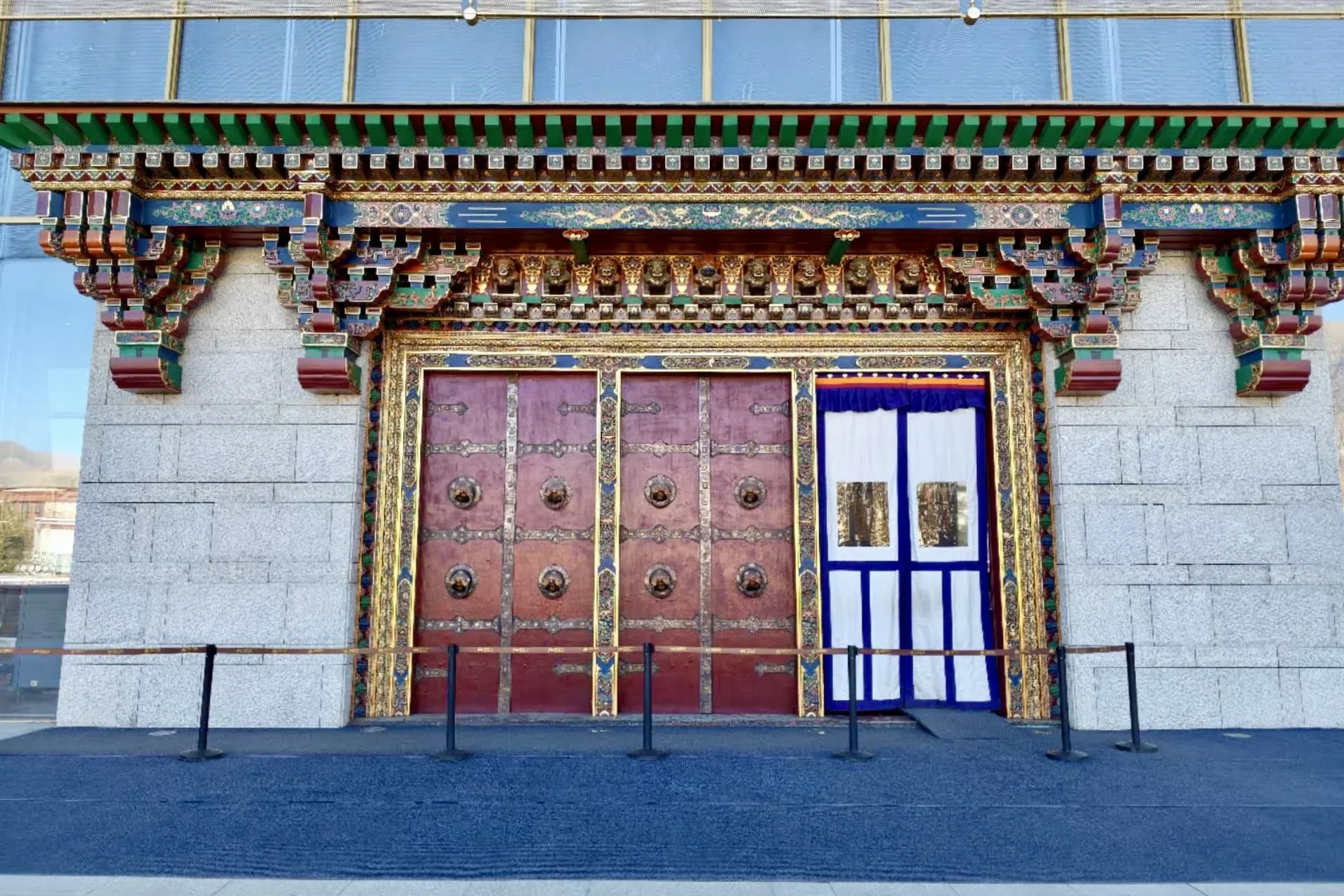
"The Xizang (Tibet) Museum in Lhasa reopened in 2022 after a comprehensive renovation that expanded and modernized the original 1999 building. Its collection of over 520,000 objects covers Tibetan history, art, and culture from the Neolithic period through the 20th century. The museum's strengths include thangka (Tibetan scroll paintings), Buddhist bronze statuary, historical documents in Tibetan script, and ethnographic displays of traditional Tibetan life — tents, clothing, tools, and ritual objects. The new galleries are spacious, well-lit, and provide the most comprehensive introduction to Tibetan civilization available in a single building.".
Last updated:
Quick Answer
Is Xizang (Tibet) Museum worth visiting?
"Reopened in 2022 after a multi-year renovation. Tibetan history from prehistory to modern era, with world-class thangka and Buddhist art collections. Free.".
Quick facts
| Category | ethnic |
|---|---|
| Ticket | Free. Passport required. Reserve via WeChat mini-program "西藏博物馆" or on-site. Foreign visitors may need a Tibet Travel Permit (arranged through your tour operator) to enter Lhasa. |
| Hours | 10:00-17:30 (last entry 16:30). Closed Mondays. |
| Recommended duration | 2-3 hours. |
| Best time to visit | Weekday mornings. Lhasa's altitude (3,650 m) means you will move slowly — plan a relaxed pace. April-October has the most comfortable weather. |
| How to get there | In central Lhasa, southeast of the Potala Palace on Minzu South Road. 15-minute walk from the Potala Palace. DiDi from central Lhasa hotels is ¥15-25. Bus routes 2, 3, 6, 7, 8, 13, 14, 18, 24 stop nearby. |
| English signage | yes |
Why visit
The thangka gallery displays works from the 13th through 19th centuries in pristine condition — the mineral pigments on cotton retain astonishing vibrancy after centuries. If you visit before the Potala Palace or Jokhang Temple, this museum provides the historical and artistic framework that makes those sites meaningful.
Collection highlights
- Thangka gallery — Tibetan Buddhist scroll paintings from the 13th-19th centuries, with detailed English explanations of the iconography and pigments
- Buddhist bronze statuary — gilded bronze Buddhas, bodhisattvas, and lamas from the 11th-18th centuries, showing the evolution of Tibetan sculptural styles
- Tibetan historical documents — manuscripts in Tibetan script, including edicts from the Dalai Lamas and Panchen Lamas
- Traditional Tibetan life exhibit — full-scale reconstructions of a nomad tent, a farmhouse, and an aristocratic residence
- Pre-Buddhist Bon religion artifacts — rare ritual objects from Tibet's indigenous religion, predating Buddhism's arrival in the 7th century
- Geological and natural history section — explaining the formation of the Tibetan Plateau and its unique ecosystem
Tips
- Visit this museum on your first day in Lhasa — the altitude means you should avoid strenuous activity, and the museum provides essential context for the Potala Palace and Jokhang Temple
- The museum has excellent English signage — among the best of any museum in western China. Every major gallery has bilingual panels
- I found the Bon religion section fascinating and unexpected — it covers Tibet's pre-Buddhist spiritual tradition that most visitors never encounter
- The museum is heated in winter and air-conditioned in summer — a comfortable refuge from Lhasa's extremes
- Photography is permitted without flash in most galleries. The thangka gallery restricts photography in some sections — signs are clearly posted
- The museum shop sells reproduction thangkas at ¥200-2,000 — far more affordable than antique dealers and clearly labeled as reproductions
Frequently asked questions
Do I need a Tibet Travel Permit to visit the Xizang Museum?
The museum itself does not require a separate permit, but foreign visitors generally need a Tibet Travel Permit to enter Lhasa. This is arranged through a registered tour operator as part of an organized tour. Independent travel to Tibet by foreign passport holders is not currently permitted.
When did the Xizang Museum reopen?
The museum reopened in 2022 after a multi-year renovation that doubled the exhibition space and added modern climate control, lighting, and bilingual signage. The current galleries are state-of-the-art.
Is the Xizang Museum free?
Yes, entry is free. Reserve via the WeChat mini-program "西藏博物馆" or register on-site with your passport. Special exhibitions occasionally charge a fee.
How long do I need at the Xizang Museum?
2-3 hours at a relaxed pace — important at Lhasa's altitude (3,650 m). The thangka gallery (45 minutes), Buddhist art gallery (30 minutes), and traditional life exhibit (30 minutes) are the highlights. Move slowly and drink water.
How does the Xizang Museum compare to the Potala Palace?
The Potala Palace is a historic site — the former winter residence of the Dalai Lamas — where you experience the architecture and chapels but with limited interpretive material. The Xizang Museum provides the full historical and cultural context with modern museum presentation. Visit the museum first, then the Potala Palace.
Can I take photos inside the Xizang Museum?
Yes — photography without flash is permitted in most galleries. Some thangka and textile galleries restrict photography due to light sensitivity; restrictions are clearly posted. No tripods or selfie sticks.
Read next
Other things to do in Lhasa
Drepung Monastery
Drepung Monastery (哲蚌寺, Zhébàng Sì), founded in 1416, was once the largest monastery in the world — housing up to 10,000 monks before 1959 — and still clings to a steep hillside 8 km west of Lha…
Jokhang Temple
jokhang-temple in Beijing: 藏传佛教最神圣寺庙,文成公主主持建造,供奉释迦牟尼12岁等身像。
Mount Kailash
"Tibet's holiest peak at 6,638m — sacred to four religions. 3-day kora (52 km) around the mountain. Permit required. Remote, high-altitude, deeply spiritual.".
Nam Co Lake
nam-tso-lake in Beijing: 西藏第二大湖,海拔4718米,藏传佛教圣湖,与念青唐古拉山相映成趣。
Potala Palace
potala-palace in Beijing: 世界最高宫殿,海拔3700米,藏传佛教圣地,世界文化遗产。
Yamdrok Lake
A sacred turquoise lake at 4,441 m and one of Tibet's three holy lakes, reached by a 2.5-hour drive from Lhasa over the 4,794 m Kamba La pass.…