두보 초당杜甫草堂
두보(712~770)는 중국 최고의 시인으로 꼽히며, 759~765년 청두의 초가집에서 240수가 넘는 시를 남겼습니다. 15세기 재발견 후 기념원으로 재건되었고, 가을이면 은행나무가 황금빛으로 물듭니다.
Chengdu · 여행 가이드2026-10-18
빠른 답변
두보 초당에 갈 가치가 있나요?
당나라 시인 두보의 기념원——재건된 초가집, 돌에 새겨진 서예, 그의 삶을 다룬 박물관. 50위안, 2시간.
핵심 정보
| 입장료 | 50위안(2026년 6월 기준). 학생/노인 25위안. |
|---|---|
| 관람 시간 | 8:00-20:00(여름), 8:00-18:30(겨울). |
| 권장 관람 시간 | 정원, 박물관, 기념당 한 바퀴에 2시간. |
| 방문 최적기 | 가을(10~11월)엔 은행나무와 등불 축제. 봄엔 매화. 어느 계절이든 이른 아침이 좋습니다. |
| 교통 방법 | 지하철 4호선 차오탕베이루역(草堂北路)에서 하차, 도보 약 10분. 또는 춘희로에서 58번 버스로 두푸차오탕 정류장(20분). |
| 영어 안내 표지 | 부분 |
| 휠체어 접근 | 부분 |
| 두보의 거처 | 서기 759~765년(당나라) |
| 이곳에서 쓴 시 | 240수 이상, 『모옥위추풍소파가(茅屋爲秋風所破歌)』 포함 |
| 정원 면적 | 24헥타르 |
| 핵심 명소 | 초가집, 각석, 환화계(浣花溪), 박물관 |
| 축제 | 가을 등불 축제(9~11월) |
볼거리와 체험
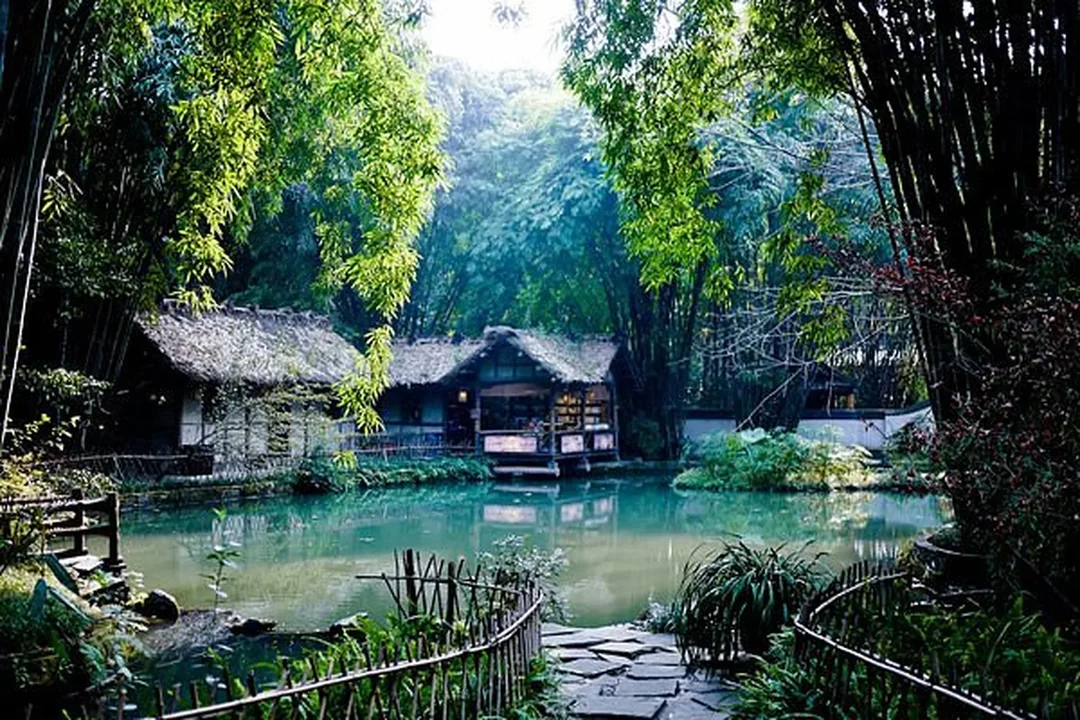
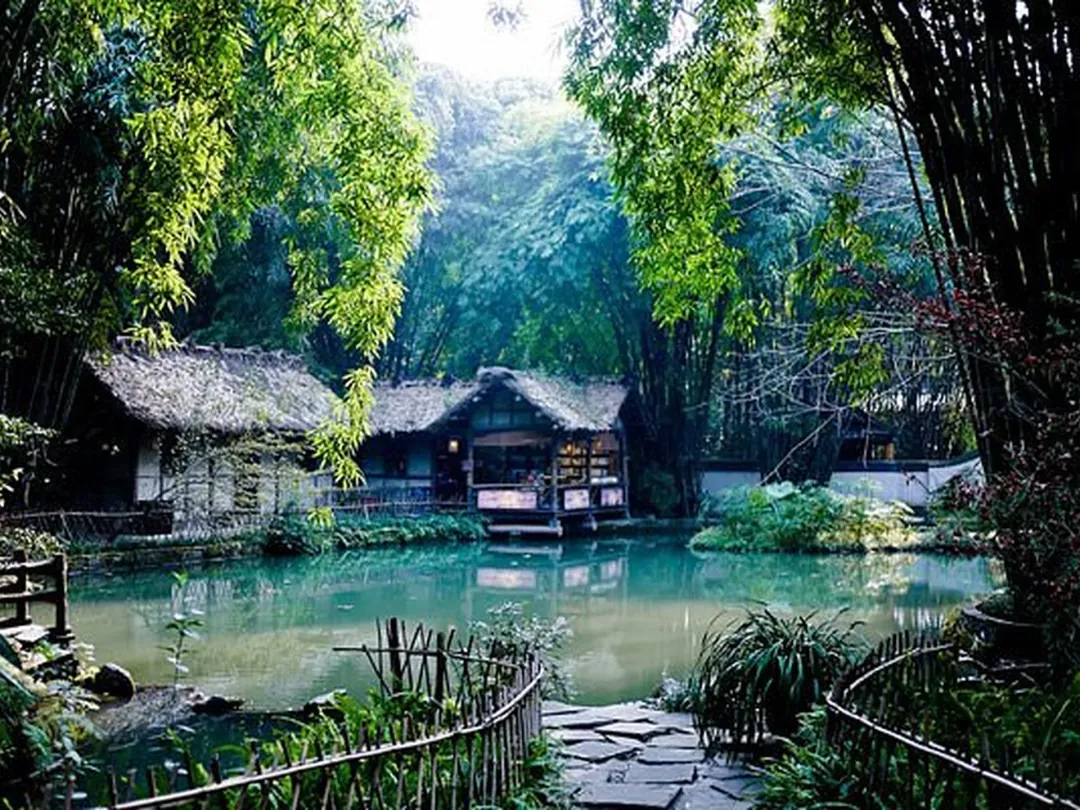
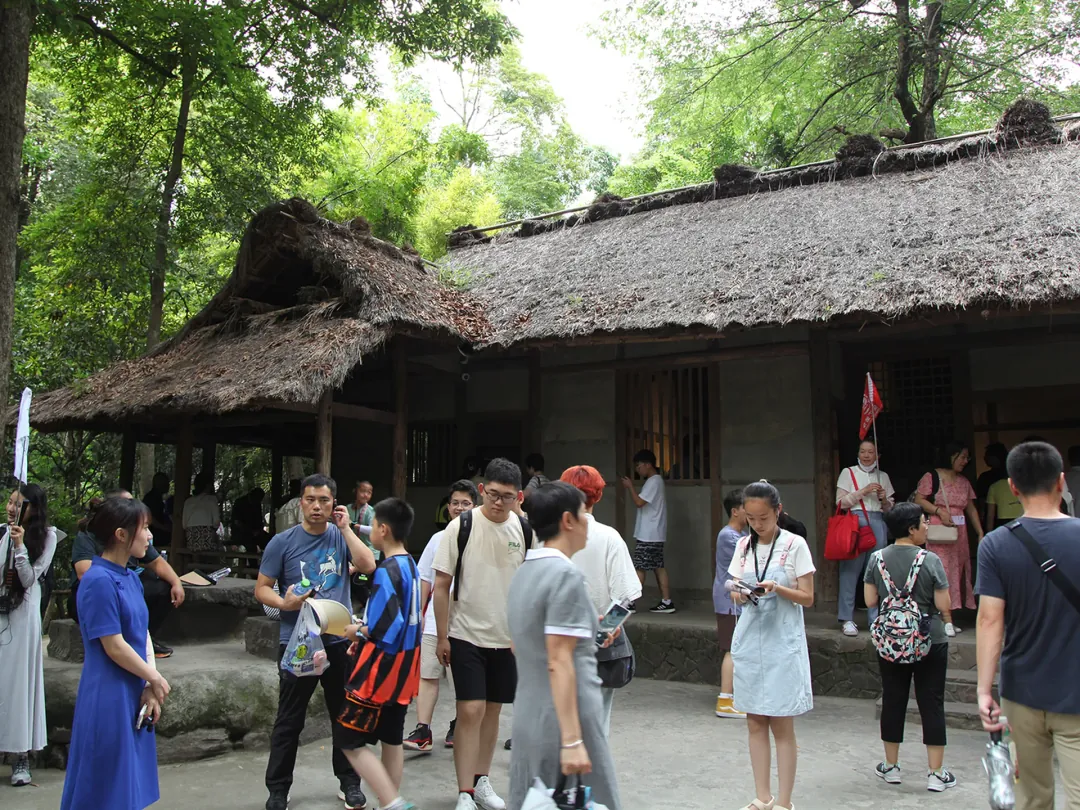
정원은 세 구역으로 나뉩니다: 사적구(원지와 재건된 두보 초가집), 미술관(당나라 시와 서예를 아우르는 훌륭한 박물관), 정원구(환화계, 대나무 길, 정자). 먼저 사적구에서 초가집 원지를 찾으세요——1817년 원터에 재건된 소박한 대나무 건물로, 문 앞으로 환화계가 흐릅니다.
각석 회랑(石刻廊)에는 두보 서예의 송나라 복각이 걸려 있습니다——원석은 1090년에 돌에 새겨져 거의 천 년을 살아남았습니다. 박물관 2층은 그림과 주석 달린 시집으로 두보의 일생을 더듬는데, 청두 시절을 다룬 부분이 가장 마음에 와닿습니다: 그는 안사의 난의 피난민으로 와서 4년의 비교적 평온한 나날을 보낸 뒤 더 서쪽으로 떠났습니다.
정원 곳곳의 서예 패널은 두보의 일생을 아우릅니다. 그중 『춘망』——나라는 깨져도 산하는 있고, 성의 봄엔 풀과 나무가 깊다——은 757년 반군이 점령한 장안에 갇혀 있을 때 지어진 것으로, 청두에 정착하기 수년 전의 작입니다. 청두 시절의 대표작 『모옥위추풍소파가(茅屋爲秋風所破歌)』는 761년 초당에서 지어졌습니다.
교통 방법
지하철 4호선 차오탕베이루역(草堂北路) C출구로 나와 도보 약 10분. 19·35·58·82·151번 버스로 두푸차오탕 정류장. 청두 시내에서 디디로 25~35위안, 20분.
포토 스팟
- 환화계 건너편에서 바라본 초가집——대나무와 버드나무 프레임
- 아침 햇살의 각석 회랑
- 정원구의 은행나무(10~11월)
- 기념당을 따라 걸린 서예 패널
팁
- 같은 날 근처 청두 판다 번식연구기지까지 연계——디디로 20분 거리
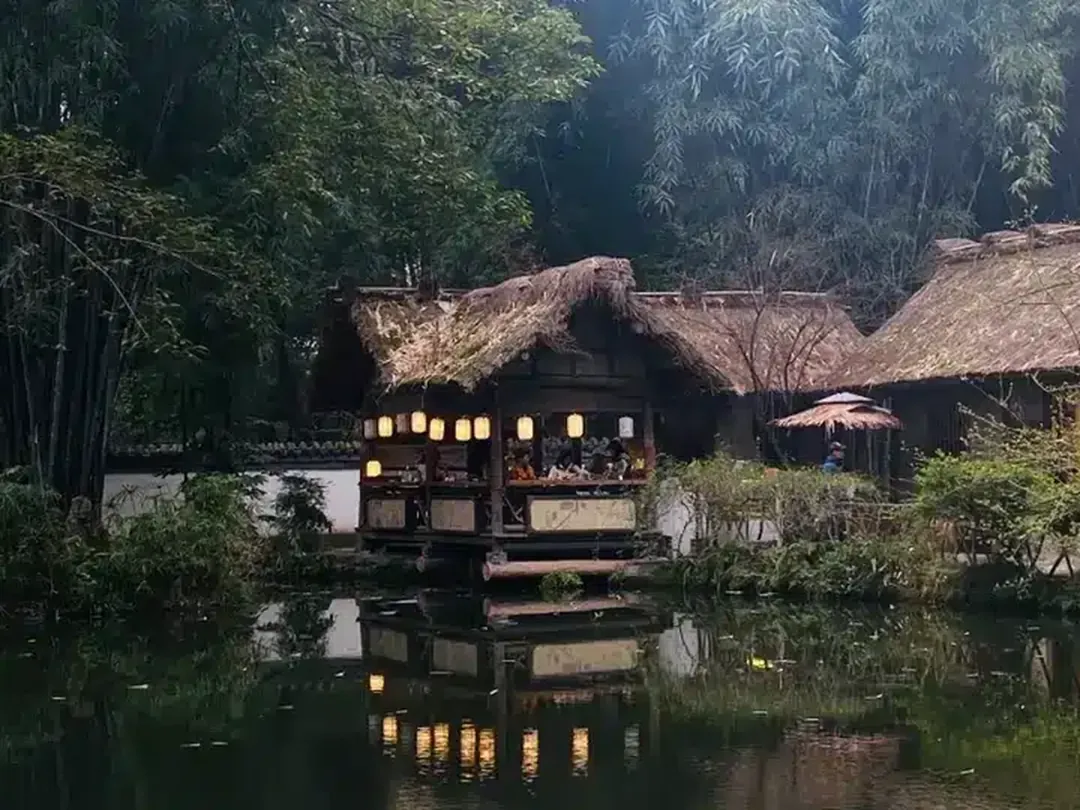
- 가을 등불 축제(9~11월)는 정원의 밤 분위기를 완전히 바꿔놓습니다
- 개장 시간(8시)에 가면 텅 빈 정원을——사람 없는 대나무와 강의 정취는 전혀 다릅니다
- 옆 미술관은 냉방이 되고 현존 최고 수준의 당나라 서예를 소장하고 있습니다
주요 사기 수법
- 정원 근처에서 두보의 서예를 판다는 노점——전부 현대 복제품입니다
자주 묻는 질문
당시 시를 몰라도 즐길 수 있나요?
네——시 지식과 무관하게 여기는 아름다운 전통 중국 정원입니다. 박물관의 이중언어 패널이 두보의 맥락을 명확히 설명합니다. 시를 알면 더 풍부하지만, 정원과 강, 재건된 초가집에는 그 자체의 매력이 있습니다.
청두 다른 역사 명소와 비교하면?
두푸차오탕은 원수사나 진리거리보다 작고 친밀합니다. 실질적으로 작은 박물관이 딸린 문학 기념원입니다. 중국 시나 당나라 역사에 관심 있으면 필수이고, 아니라면 기분은 좋지만 건너뛰어도 되는 곳——판다나 진사(金沙)처럼 필수는 아닙니다.
등불 축제는 무엇인가요?
두푸차오탕 등불 축제는 매년 9~11월 열립니다. 수천 개의 전통 중국 등롱이 정원 곳곳에 걸려 밤에 밝혀지고, 개장은 20시까지입니다. 중국 가족 단위 관람객에게 특히 인기 있으며, 이 시기 은행나무가 가장 사진 잘 나옵니다.
함께 읽기
Chengdu의 다른 즐길 거리
바오광사
청두 신두구에 있는 유명 불교 사원으로 수나라 때 창건되었으며 오백 나한당으로 유명합니다. 입장료 30위안 — 반나절 여행으로 가볼 만한 곳입니다.
두보 초당
당나라 시인 두보의 기념원——재건된 초가집, 돌에 새겨진 서예, 그의 삶을 다룬 박물관. 50위안, 2시간.
진사유적
3,000년 된 고촉(蜀) 문명 고고학 유적——상아 600개의 항, 금 가면, 그리고 유명한 태양신조 금박. 모두 발굴 현장 위에 지어진 현대 박물관 안에 있습니다.
청두 박물관
청두 최대 종합박물관. 2016년 개관, 전시 면적 약 2만㎡, 소장 유물 20만 점 이상. 무료·예약 필수, 09:00-20:00, 월요일 휴관.
청두 판다 번식연구기지
세계 최대 판다 번식 시설로, 사육 개체수가 어디보다 많다. 입장료 위안 55, 셔틀 위안 30. 판다가 가장 활발한 오전에 가자.
춘시루
청두에서 가장 번화한 상업 거리. 1924년에 조성되었고 IFS 벽타기 판다가 랜드마크입니다. 입장은 무료이며 상점은 대략 10:00-22:00에 영업하고 지하철 2호선/3호선으로 바로 연결됩니다. 쇼핑과 먹거리가 한자리에 모인 곳입니다.
두장옌
리빙이 기원전 256년경 지은 댐 없는 관개 시스템은 오늘날에도 청두 평원의 약 53만 헥타르를 적십니다. 입장료 80위안, 2~3시간 소요, 청두에서 기차로 30분.
환화시
청두에서 가장 시적인 공원. 약 2킬로미터의 시내 산책로로, 당나라 시인 두보가 살던 곳. 2003년 개장, 무료 종일 개방. 지하철 4호선, 두부 초당 옆.
진리 거리
청두에서 가장 유명한 옛 거리. 전장 약 550m, 2004년 개장, 삼국 문화+사천 민속 테마, 무료. 상점은 09:00-23:00, 밤의 붉은 등불이 가장 아름답습니다. 지하철 3호선 가오성차오역 C 출구에서 도보 10분.
진사 유적 박물관
상주 시대 고촉 왕국의 유적으로 중국 문화유산 표지인 '태양신조' 금세공 출토지입니다. 입장료 70위안. 고고학 애호가에게 필수입니다.
주자이거우
터코이즈 트래버틴 호수, 100개가 넘는 단층 폭포, 눈 덮인 티베트 봉우리 — 해발 2,000~4,500m의 유네스코 공원. 위안 169. 이틀 권장.
콰안자이 샹쯔
청두 시내에 복원된 세 개의 청대 뜰집 골목(무료, 24시간 개방), 1718년 만주 주둔지 격자 위에 배치.
러산 대불
세계 최대의 석불 — 강변 절벽에 새겨진 71m 높이의 앉은 미륵상. 입장 80위안, 유람선 50위안 별도. '불이 곧 산이고 산이 곧 불'입니다.
룽먼산
청두 북쪽 끝자락의 국가지질공원이자 원촌 지진 추모의 땅으로, 바일루진이 중심입니다. 일부 무료 또는 30위안. 하이킹과 탐험에 좋습니다.
어메이산
중국 불교 4대 명산 중 하나이자 보현보살의 도량. 입장 160위안+셔틀버스 90위안, 케이블카 별도. 금정(金頂) 일출이 백미 — 별 5개 필수 명소.
쓰구냐산
쓰구냐산 — 해발 6,250m 봉우리와 3개 계곡을 지닌 트레킹 낙원. 야오메이 펑은 중국판 마터호른. 150위안. 청두에서 2–3일. 고산 호수, 빙하, 티베트 마을.
청두 판다베이스
대나무 숲이 우거진 100헥타르 번식센터에서 오전 8시 먹이 시간에 새끼를 포함한 50마리 이상의 자이언트판다를 만나세요. 중국 최고의 판다 체험. 3-4시간.
인민공원
무료로 들어갈 수 있는 백년 도시 공원으로, 청두의 다관(茶館) 문화가 플라타너스 아래에서 펼쳐집니다——자스민 차 한 주전자에 ¥15-30를 내고 마작과 귀청소, 인파 구경 두 시간.
칭청산
중국 4대 도교 성산 중 하나로 천사도(기원후 142년)의 발상지. 숲그늘 오솔길, 정자, 도교 사원. 90위안, 청두에서 1시간.
싼싱둬이 박물관
알이 튀어나온 청동 가면, 2.62미터 청동 인물상, 4미터 신성한 나무 — 문자 기록을 남기지 않은 3000년 문명의 유물.
솽류 구
청더 솽류 국제공항의 소재지로 시내에서 20km. 백년 역사의 펑전 옛 찻집은 옛 청더의 삶을 응축합니다 — 무료, 15분 거리. 아침이 가장 좋습니다.
촉극 변언쇼
쓰촨 문화의 클래식 체험: 변언(얼굴 바꾸기), 불 뿜기, 굴등 공연이 약 70분. 수펑야원이나 푸롱 궈추이에서 보는 게 최고입니다.
타이핑제
청두의 올드 스트리트, 민국 감성. 길이 약 400m이며 청말~민국기 벽돌·목조 건물이 늘어서 있습니다. 무료 관람, 종일 개방, 상점은 대략 10:00-20:00. 지하철 2호선 둥먼다차오역 B출구에서 도보 10분. 콰안자이샹보다 한산하고 감성적인 곳입니다.
문수원
청두에서 가장 온전하게 남은 불교 사원. 수나라 605-618년에 창건돼 1400년이 넘는 역사와 2만여 제곱미터 면적을 자랑합니다. 무료 관람, 08:00-17:00. 청나라 고건축 군이며, 사찰음식과 찻집이 백미. 지하철 1호선 문수원역 K출구에서 도보 5분.
워룽 판다 보호구
쓰촨 최대의 판다 보호구이자 야생 판다의 자연 서식지로 청두에서 약 130km — 하루 종일 나들이. 자연 애호가에게 최고의 선택.
월룽 대판다 자연보호구
중국 최초의 야생 판다 보호구역 — 20만 헥타르 대나무숲, 야생 판다 150마리 이상. 자원봉사 프로그램 운영. 청두에서 차로 1시간 30분. 입장료 위안 90. 하루 코스.
무후사
중국에서 가장 유명한 삼국지 사당 — 촉한의 전설적 군사 제갈량을 기리는 사당. 명대 건축, 수령 1,800년 측백나무. 입장료 위안 60.
Chengdu의 박물관
청두박물관
톈푸광장에 있는 청두 시립 박물관—고촉 문명, 진사 유적, 판다 보호를 다룹니다. 무료.
청두 대판다 번식연구기지
청두 시내의 청두 대판다 번식연구기지 — 세계 최대의 판다 번식 센터. 자연 숲 서식지에 150마리 이상의 자이언트판다가 있고 레서판다도 있습니다. 입장료 ¥58.
쓰촨성 중의약박물관
작지만 밀도 높은 대학 박물관. 쓰촨 한약재를 망라한 3,000점이 넘는 중의약 소장품 — 60-90분 정도 걸리며 기념품숍 촬영 세트는 건너뛰어도 됩니다.
진사유적박물관
3,000년 된 '태양신조' 금장식 — 중국에서 가장 유명한 유물 중 하나 — 와 산싱두이의 자매 문명. 입장료 ¥80. 아름다운 공원을 갖춘 살아 있는 고고학 유적지.
촨차이 박물관
4000년 쓰촨 음식 역사를 먹으면서 둘러볼 수 있는 세계 유일의 박물관. 피셴 더우반장도 직접 만들어 본다.
쓰촨 박물관
인민공원 곁에 있는 쓰촨 최고의 성급 박물관. 촉한 삼국 문화, 티베트 불교 미술, 고고(三星堆) 문명 소장품이 강점이다.