Shanghai · natural museum
Shanghai Natural History Museum (上海自然博物馆, Shànghǎi Zìrán Bówùguǎn)
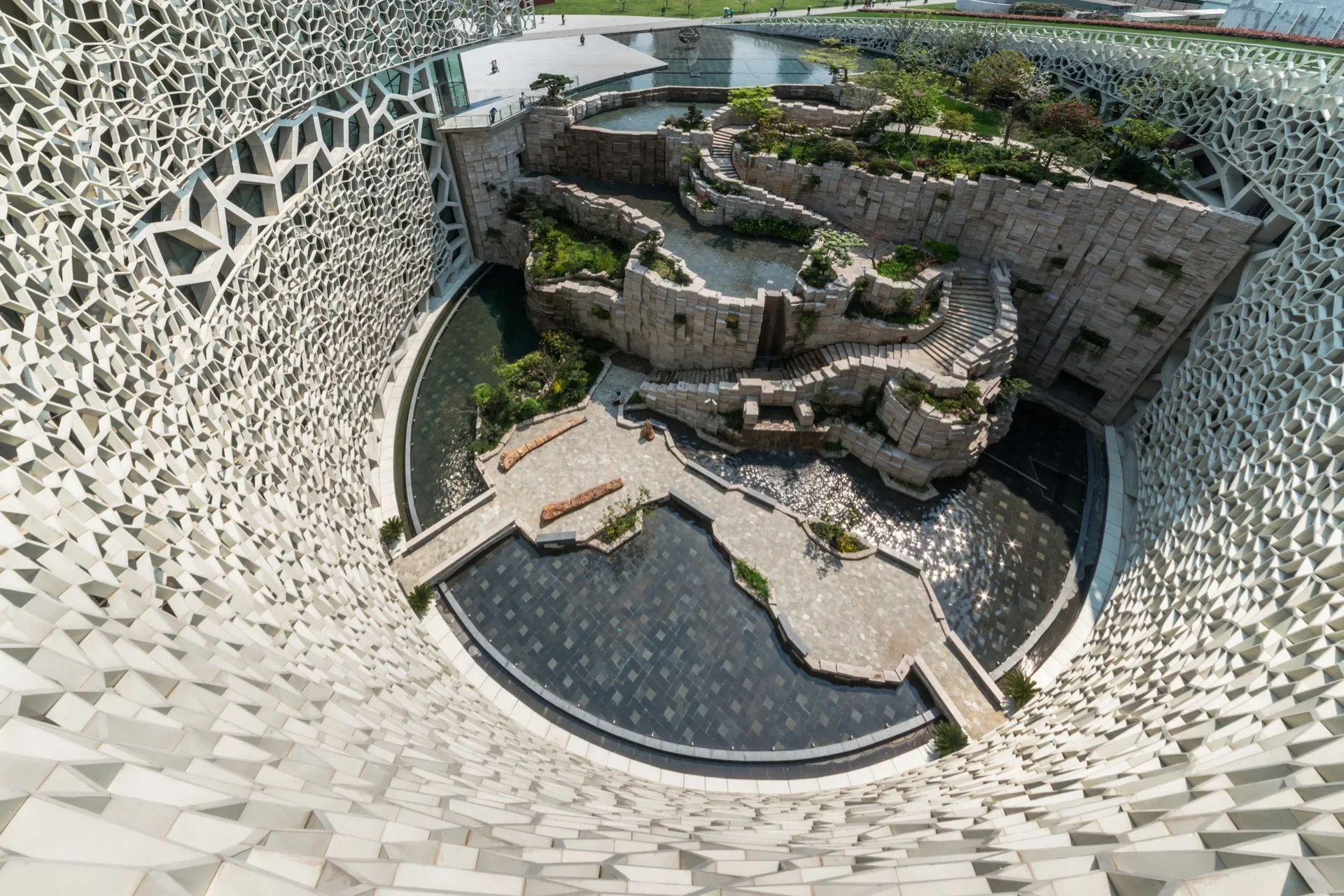
"\"The Shanghai Natural History Museum (上海自然博物馆) opened in 2015 inside the striking \\\"Plant-Bulb\\\" (植物楼) building on People's Square, part of the larger Shanghai Science and Technology Museum system. The museum houses approximately 10 million specimens and collection items across four floors, with core permanent exhibitions covering: (1) The Origins of Life — from the Big Bang through Precambrian oceans; (2) Life Evolution — dinosaur skeletons, mammal diversification, and human evolution; (3) Mineral and Geology — the largest collection of minerals in China; and (4) Wilderness China — dioramas of China's major ecosystems from the Tibetan Plateau to the tropical south.\".".
Last updated:
Quick Answer
Is Shanghai Natural History Museum worth visiting?
"A world-class natural history museum inside Shanghai's famous \"Plant-Bulb\" building on People's Square — 10 million specimens, evolution galleries,.".
Quick facts
| Category | natural |
|---|---|
| Ticket | Adult ¥30, Student ¥15, Children under 1.3m free. Tickets purchased via the Shanghai Science and Technology Museum WeChat mini-program or at the door. Peak days (weekends, holidays) — book ahead online. |
| Hours | 9:00-17:00 (last entry 16:00). Closed Mondays (or Tuesday if Monday is a public holiday). Extended hours sometimes apply in summer. |
| Recommended duration | 2.5-4 hours depending on interest depth. |
| Best time to visit | Weekday mornings (Tuesday-Thursday) are least crowded. Spring (March-May) and autumn (September-November) are best weather-wise for walking to/from the museum. Avoid weekends and school holiday periods. |
| How to get there | Metro Line 1, 2, or 8 to People's Square Station (人民广场站), Exit 18. The museum is on the south side of People's Square. From the Bund by foot: ~15 minutes north. DiDi from Xintiandi or Lujiazui: ¥25-40. |
| English signage | yes |
Why visit
This is the finest natural history museum in China and among the best in Asia. The dinosaur hall on B1 has a complete Mamenchisaurus and interactive evolution displays; the mineral gallery holds specimens that would be centerpiece pieces in any Western museum. If you have children interested in science, this is non-negotiable in Shanghai. Even without kids, the mineral and evolution halls are genuinely world-class.
Collection highlights
- Dinosaur Hall (B1) — complete Mamenchisaurus skeleton, feathered dinosaur fossils, and interactive evolutionary timeline displays
- Mineral and Gem Gallery — over 1,000 specimens including Chinese lead-zinc ores, jade, and gemstones; some pieces are among the finest quality specimens in the world
- Life Evolution Gallery — primate evolution sequence including a complete Homo erectus skeleton and early hominin comparative displays
- Origin of Life Theater — immersive theater experience recreating the first living cells and the Cambrian explosion
- "Wilderness China" dioramas — scale dioramas of Qinghai-Tibet Plateau, Mongolian steppe, and Yunnan tropical rainforest ecosystems
- Giant Sequoia cross-section — a massive sequoia log cross-section dating to 1,200+ years old, on permanent display
Tips
- The museum is inside the Shanghai Science and Technology Museum system — tickets are ¥30 for the Natural History Museum section specifically
- Combine with the nearby Shanghai Museum (China art, 45-minute walk) and People's Square for a full day of culture on foot
- The 4th floor has a cafe and rest area — good for a break after B1 dinosaur hall
- Photography is allowed but flash and tripods are prohibited in the exhibit halls
- The basement floor has the most popular exhibits (dinosaurs, origins of life) — arrive when doors open to beat school groups
Frequently asked questions
Is the Shanghai Natural History Museum suitable for young children?
Yes — the dinosaur hall on B1 is a major draw for children of all ages. The互动展项 (hands-on exhibits) on the 2nd floor are designed for younger visitors. Strollers are permitted but the basement stairs can be congested with school groups.
How does this museum compare to the Shanghai Museum?
They are completely different. The Shanghai Museum (上海博物馆) on Nanmen Road is China's premier ancient art museum — bronzes, ceramics, jades, and calligraphy. The Natural History Museum (自然博物馆) is about biology, evolution, dinosaurs, and geology. They are 45 minutes apart on foot and complement each other well.
Is English signage available?
Yes — the Shanghai Natural History Museum has comprehensive English signage throughout, one of the better bilingual experiences among Shanghai museums. Audio guides in English are also available.
Can I buy tickets at the door?
Yes, but during weekends, school holidays, and Golden Week (Oct 1-7), tickets often sell out by midday. Booking via the Shanghai Science and Technology Museum WeChat mini-program is recommended.
What is the relationship between this museum and the Shanghai Science and Technology Museum?
The Shanghai Natural History Museum is a branch of the Shanghai Science and Technology Museum (上海科技馆), sharing the same ticket booking system. They are separate buildings approximately 200 meters apart.
How long should I allocate for a visit?
2.5 hours for a thorough visit to the main galleries; 4 hours if you plan to watch both theaters and spend time at the hands-on exhibits.
Read next
Other things to do in Shanghai
Century Park
century-park in Beijing: "浦东最大公园,140公顷,草地音乐节,赏花好去处.".
City God Temple (Chenghuang Temple)
city-god-temple in Beijing: "上海老城厢文化核心,豫园商圈,小商品市场.".. 2026 verified.
Sweet Love Road (Dixing Road)
dixing-road in Beijing: "上海最浪漫街道,300米梧桐隧道,网红打卡地.".
Hefang Street (Near West Lake)
hangzhou-park in Beijing: 清河坊历史街区,杭州最著名古街,南宋1000多年历史,免费。地铁1号线定安路站步行10分钟,胡庆余堂、方回春堂等百年老店汇聚。
Oriental Pearl Tower
oriental-pearl-tower in Beijing: "上海地标,468米,旋转餐厅,俯瞰夜景最佳点.".
Shanghai Disneyland
The first Disney park on mainland China, open since June 2016 in Pudong, with the tallest Disney castle anywhere (~60 m) and rides you can't get elsewhere like TRON and the redesigned Pirates.…
Shanghai Tower
shanghai-tower in Beijing: "中国最高楼,632米,世界第二高,龙形螺旋设计.".
The Bund
the-bund in Beijing: "52栋历史建筑群,上海名片,万国建筑博览会,夜景最佳.".
World Financial Center (Shanghai IFC)
world-financial-center in Beijing: "陆家嘴三件套之一,开瓶器造型,100层观光厅.".
Zhujiajiao Water Town
"A 1,700-year-old canal town 45 minutes from Shanghai — stone bridges, boat rides, and lane food. Free entry (attractions cost extra). Half day.".
Museums in Shanghai
M50 Art District
"A converted 1930s wool-spinning mill on Moganshan Road now hosting 130+ artist studios and galleries; plan 2–3 hours for a real walk-through, not a quick photo stop.".
China Art Museum
"Modern and contemporary Chinese art in the striking former China Pavilion from Expo 2010. Free entry. Home of the animated digital \"Along the River During the Qingming Festival.\".".
China Maritime Museum
"Maritime Silk Road, Zheng He's treasure ships, and a full-size Ming Dynasty junk replica inside a sail-shaped building near Dishui Lake. China's national maritime museum. ¥50.".
HOW Art Museum
"A private contemporary art museum in Pudong with about 3,000 sqm of exhibition space, walkable in 90 minutes if you skip the gift-shop vortex.".
Long Museum (Pudong)
"Two million RMB and eight years of collecting went into this private art museum in the Pudong riverfront — set aside about 2 hours and arrive before noon.".
Long Museum West Bund
"Shanghai's largest private art museum inside a former coal物流 warehouse — 33,000 sqm of contemporary and modern Chinese art, the Wang Jianwei installation,.".
Power Station of Art
"China's first state-run contemporary art museum, set inside a converted 1897 British-built coal-fired power plant on the Huangpu River — admission is free and 2-3 hours covers the main halls.".
Rockbund Art Museum
"Contemporary art in a striking 1933 Art Deco building on the Bund. ¥50. Rotating exhibitions by Chinese and international artists. The building rivals the art.".
Shanghai History Museum
"Shanghai's journey from fishing village to 1930s \"Paris of the East\" — told through artifacts, photographs, and immersive street scenes. Below the Oriental Pearl Tower. Free.".
Shanghai Museum
"\"China's best museum for ancient Chinese art — 5 floors of masterworks: ancient bronzes, jades, ceramics, calligraphy, paintings, coins, and Ming-Qing家具. Free. Located on People's Square.\".".
Shanghai Propaganda Poster Art Centre
"Private collection of Mao-era propaganda posters in a basement gallery. ¥20. One of Shanghai's most distinctive small museums. A window into 20th-century Chinese political art.".
Power Station of Art
"Shanghai's state-run contemporary art museum inside a former thermal power plant — China's first state-run contemporary art museum,.".. 2026 verified.
Shanghai Science and Technology Museum
"A family-oriented science museum with robot musicians, a walk-through animal world, and Shanghai's best hands-on physics exhibits — budget a full afternoon (4–5 hours). ¥60 adults, ¥30 students.".
Shanghai Urban Planning Museum
"A 5-floor museum inside Shanghai's municipal government building showing the city's past, present, and future urban planning — the highlight is a 1:500 scale model of Shanghai in 2035. ¥50.".