Shanghai · specialty museum
Shanghai Propaganda Poster Art Centre (上海宣传画艺术中心, Shànghǎi Xuānchuánhuà Yìshù Zhōngxīn)
"\"The Shanghai Propaganda Poster Art Centre is a private museum founded by Yang Peiming, a collector who has amassed over 5,000 original Chinese propaganda posters from the 1930s through the 1990s. The museum occupies a basement space in a residential building in the French Concession, displaying rotating selections of posters organized by theme: the Great Leap Forward, the Cultural Revolution, the Cult of Mao, women in the revolution, industrial and agricultural production, and international solidarity. The posters are displayed unframed in simple glass cases, and the lighting is functional rather than museum-grade, but the collection itself is extraordinary — a visual history of 20th-century Chinese political communication.\".".
Last updated:
Quick Answer
Is Shanghai Propaganda Poster Art Centre worth visiting?
"Private collection of Mao-era propaganda posters in a basement gallery. ¥20. One of Shanghai's most distinctive small museums. A window into 20th-century Chinese political art.".
Quick facts
| Category | specialty |
|---|---|
| Ticket | ¥20. Cash preferred. No reservation needed — walk in. |
| Hours | 10:00-17:00. Open daily, but call ahead — the owner sometimes closes for personal reasons. Phone: +86 21 6212 8695. |
| Recommended duration | 45-60 minutes. |
| Best time to visit | Weekday afternoons. The museum is small and intimate — even 10 visitors can feel crowded. Tuesday-Thursday afternoons are quietest. |
| How to get there | The museum is inside a residential building in the French Concession. Closest metro: Line 2 or 11 to Jiangsu Road (江苏路), Exit 2. Walk south 10 minutes. The exact address is Room 601, Building 1, 868 Huashan Road (华山路868号1号楼601室). Look for the residential building entrance and take the elevator to B1 (basement). |
| English signage | partial |
Why visit
The Cultural Revolution posters — with their strident red-and-black color palette, heroic workers and peasants, and demonized class enemies — are some of the most powerful political graphics of the 20th century. This private museum preserves a visual culture that state institutions often prefer to leave in storage.
Collection highlights
- Cultural Revolution posters (1966-1976) — the largest and most powerful section: Mao as the red sun, workers with raised fists, caricatured class enemies
- Great Leap Forward posters (1958-1961) — optimistic agricultural and industrial imagery promoting backyard furnaces and record harvests
- Women in the revolution — posters depicting female tractor drivers, militia members, and factory workers as equals in the socialist project
- International solidarity posters — Chinese propaganda supporting revolutionary movements in Vietnam, Cuba, Africa, and Palestine
- Pre-1949 commercial posters — Art Deco-style advertising posters from 1930s Shanghai, a sharp contrast to the political material that follows
- Original woodblocks — printing blocks used to produce some of the posters, showing the production process
Tips
- The museum is hard to find — it is in a residential building basement. Look for the unmarked door at Building 1, 868 Huashan Road. The elevator to B1 is inside the residential lobby
- Call ahead (+86 21 6212 8695) to confirm the owner is there — the museum is a one-man operation and occasionally closes without notice
- The owner, Yang Peiming, speaks some English and is often present — he can provide fascinating context that the labels do not
- I visited on a Wednesday in June 2026 and had the entire museum to myself for 40 minutes — the owner shared stories about acquiring posters from retired propaganda artists
- Posters are for sale — original Cultural Revolution posters range from ¥500-5,000 depending on rarity and condition. Cash only
- Photography is permitted without flash. The basement lighting is poor — a phone with good low-light performance helps
Frequently asked questions
What is the Shanghai Propaganda Poster Art Centre?
A private museum in a basement in the French Concession housing over 5,000 original Chinese propaganda posters from the 1930s-1990s. It is owned and operated by Yang Peiming, a private collector. The collection focuses on Mao-era political posters but also includes pre-1949 commercial art.
How much does the Shanghai Propaganda Poster Art Centre cost?
¥20 entry fee. Cash preferred. No reservation needed. Call ahead to confirm it is open: +86 21 6212 8695.
Where is the Shanghai Propaganda Poster Art Centre?
Room 601, Building 1, 868 Huashan Road (华山路868号1号楼601室), in the French Concession. It is in a residential building basement. Closest metro: Jiangsu Road (Lines 2 and 11), Exit 2, then a 10-minute walk south.
Can I buy posters at the museum?
Yes — original propaganda posters are for sale at ¥500-5,000 depending on era, condition, and rarity. Cash only. The owner can advise on authenticity and significance.
Is the museum hard to find?
Yes — it is in the basement of a residential building with minimal signage. Look for Building 1 at 868 Huashan Road, enter the residential lobby, and take the elevator to B1. Call ahead to confirm the owner is present.
Does the museum have English signage?
Partial. Poster labels are mostly in Chinese, but the owner speaks some English and can provide context. The visual nature of the posters makes them understandable even without reading the text. Some thematic sections have English introductions.
Read next
Other things to do in Shanghai
Century Park
century-park in Beijing: "浦东最大公园,140公顷,草地音乐节,赏花好去处.".
City God Temple (Chenghuang Temple)
city-god-temple in Beijing: "上海老城厢文化核心,豫园商圈,小商品市场.".. 2026 verified.
Sweet Love Road (Dixing Road)
dixing-road in Beijing: "上海最浪漫街道,300米梧桐隧道,网红打卡地.".
Hefang Street (Near West Lake)
hangzhou-park in Beijing: 清河坊历史街区,杭州最著名古街,南宋1000多年历史,免费。地铁1号线定安路站步行10分钟,胡庆余堂、方回春堂等百年老店汇聚。
Oriental Pearl Tower
oriental-pearl-tower in Beijing: "上海地标,468米,旋转餐厅,俯瞰夜景最佳点.".
Shanghai Disneyland
The first Disney park on mainland China, open since June 2016 in Pudong, with the tallest Disney castle anywhere (~60 m) and rides you can't get elsewhere like TRON and the redesigned Pirates.…
Shanghai Tower
shanghai-tower in Beijing: "中国最高楼,632米,世界第二高,龙形螺旋设计.".
The Bund
the-bund in Beijing: "52栋历史建筑群,上海名片,万国建筑博览会,夜景最佳.".
World Financial Center (Shanghai IFC)
world-financial-center in Beijing: "陆家嘴三件套之一,开瓶器造型,100层观光厅.".
Zhujiajiao Water Town
"A 1,700-year-old canal town 45 minutes from Shanghai — stone bridges, boat rides, and lane food. Free entry (attractions cost extra). Half day.".
Museums in Shanghai
M50 Art District
"A converted 1930s wool-spinning mill on Moganshan Road now hosting 130+ artist studios and galleries; plan 2–3 hours for a real walk-through, not a quick photo stop.".
China Art Museum
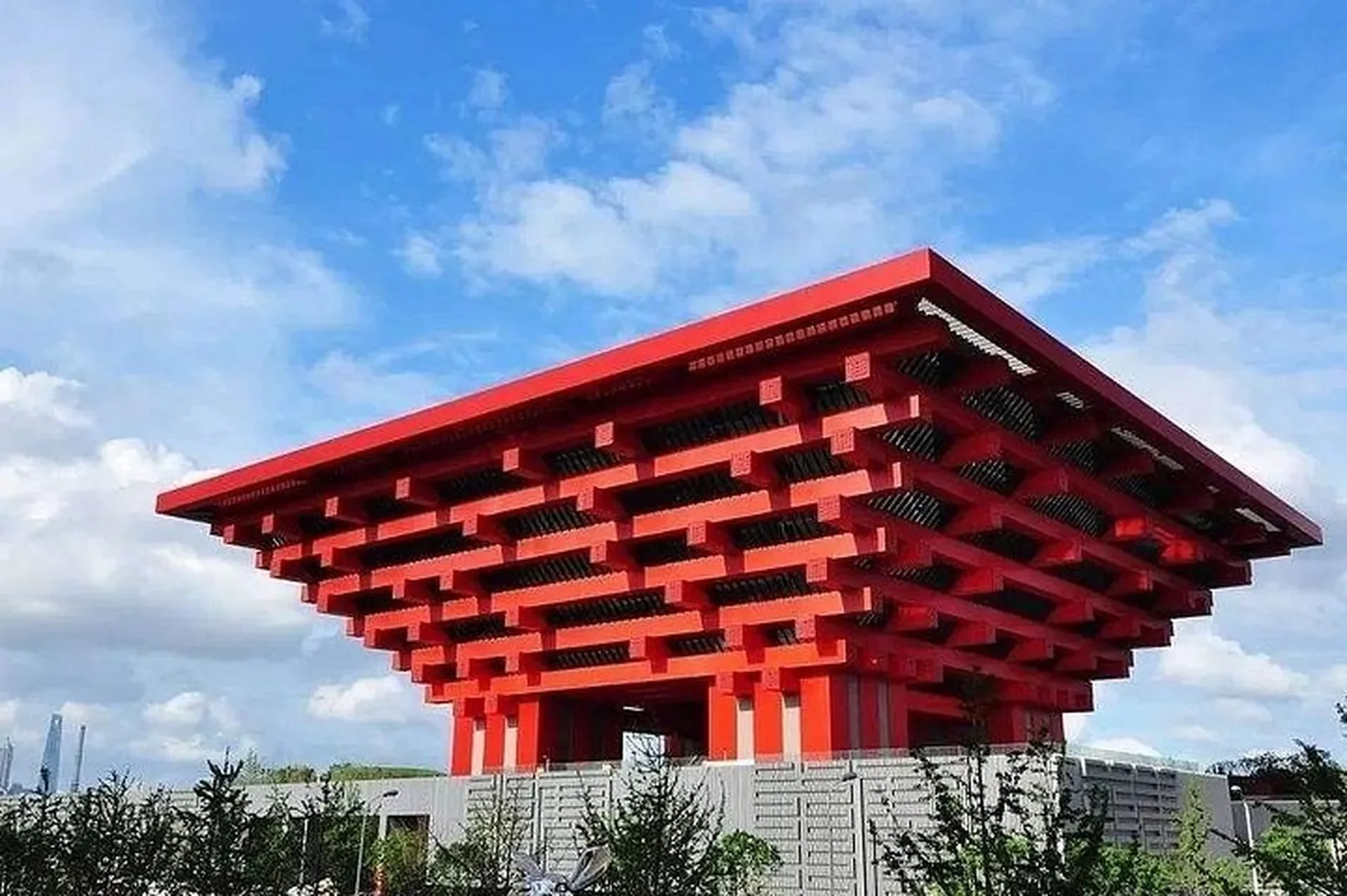
"Modern and contemporary Chinese art in the striking former China Pavilion from Expo 2010. Free entry. Home of the animated digital \"Along the River During the Qingming Festival.\".".
China Maritime Museum
"Maritime Silk Road, Zheng He's treasure ships, and a full-size Ming Dynasty junk replica inside a sail-shaped building near Dishui Lake. China's national maritime museum. ¥50.".
HOW Art Museum
"A private contemporary art museum in Pudong with about 3,000 sqm of exhibition space, walkable in 90 minutes if you skip the gift-shop vortex.".
Long Museum (Pudong)
"Two million RMB and eight years of collecting went into this private art museum in the Pudong riverfront — set aside about 2 hours and arrive before noon.".
Long Museum West Bund
"Shanghai's largest private art museum inside a former coal物流 warehouse — 33,000 sqm of contemporary and modern Chinese art, the Wang Jianwei installation,.".
Power Station of Art
"China's first state-run contemporary art museum, set inside a converted 1897 British-built coal-fired power plant on the Huangpu River — admission is free and 2-3 hours covers the main halls.".
Rockbund Art Museum
"Contemporary art in a striking 1933 Art Deco building on the Bund. ¥50. Rotating exhibitions by Chinese and international artists. The building rivals the art.".
Shanghai History Museum
"Shanghai's journey from fishing village to 1930s \"Paris of the East\" — told through artifacts, photographs, and immersive street scenes. Below the Oriental Pearl Tower. Free.".
Shanghai Museum
"\"China's best museum for ancient Chinese art — 5 floors of masterworks: ancient bronzes, jades, ceramics, calligraphy, paintings, coins, and Ming-Qing家具. Free. Located on People's Square.\".".
Shanghai Natural History Museum
"A world-class natural history museum inside Shanghai's famous \"Plant-Bulb\" building on People's Square — 10 million specimens, evolution galleries,.".
Power Station of Art
"Shanghai's state-run contemporary art museum inside a former thermal power plant — China's first state-run contemporary art museum,.".. 2026 verified.
Shanghai Science and Technology Museum
"A family-oriented science museum with robot musicians, a walk-through animal world, and Shanghai's best hands-on physics exhibits — budget a full afternoon (4–5 hours). ¥60 adults, ¥30 students.".
Shanghai Urban Planning Museum
"A 5-floor museum inside Shanghai's municipal government building showing the city's past, present, and future urban planning — the highlight is a 1:500 scale model of Shanghai in 2035. ¥50.".