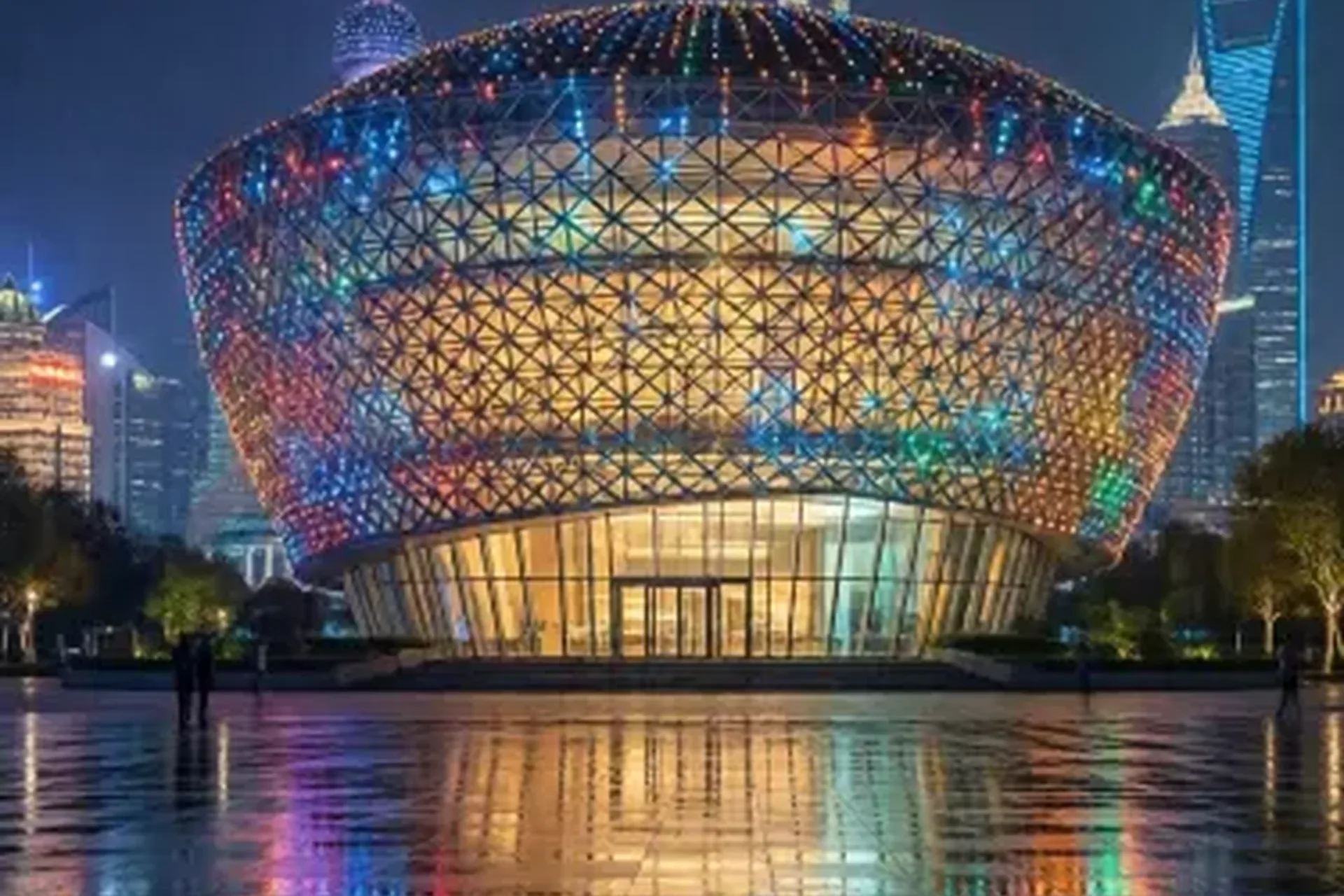
Shanghai Urban Planning Museum
The Shanghai Urban Planning Museum (上海城市规划展示馆) occupies the ground floors of the Shanghai Municipal Government building on People's Avenue in Huangpu District. Opened in 2000 and renovated multiple times since, the museum traces Shanghai's urban development from its 1843 treaty-port founding to the present mega-city and the 2035 master plan. The centerpiece is a 1:500 scale architectural model of central Shanghai covering 600 sqm — every building in the city center rendered in miniature, updated regularly as new towers rise.
Shanghai · science museum2026-10-18
Quick Answer
Is Shanghai Urban Planning Museum worth visiting?
A 5-floor museum inside Shanghai's municipal government building showing the city's past, present, and future urban planning — the highlight is a 1:500 scale model of Shanghai in 2035. ¥50.
Quick facts
| Category | science |
|---|---|
| Ticket | Adult ¥50, Student ¥25. Children under 1.4m free. Tickets at the door or via Dazhong Dianping (大众点评) app. No online booking system as of 2026. |
| Hours | 9:00-17:00 (last entry 16:00). Open daily including weekends. Closed for maintenance occasionally — check before visiting during Chinese New Year period. |
| Recommended duration | 1.5-2.5 hours. |
| Best time to visit | Weekday mornings (9:00-11:00) when the museum is quiet and you can spend time with the 2035 model without crowds. Weekends get school groups and domestic tourists. Spring and autumn (March-May, September-November) are best weather for combining with a walk along the Bund afterward. |
| How to get there | Metro Line 2 or 10 to Nanjing East Road Station (南京东路站), Exit 1, then walk south 5 minutes to People's Avenue. Or Metro Line 1, 2, or 8 to People's Square Station (人民广场站), Exit 16. From the Bund by foot: 10 minutes west. |
| English signage | Partial |
Why visit
The massive 2035 Shanghai model is the definitive way to understand the city's scale and ambition — you can stand above it and scan the entire bundled Bund-Lujiazui skyline at once, then trace the plan north to Hongkou and south to Xintiandi. The historical photography archive on the 2nd floor documenting 1840s-1940s Shanghai treaty-port development is also excellent. This is the museum that makes Shanghai's urbanism click for visitors who have spent time on the ground but can't see the whole picture.
Collection highlights
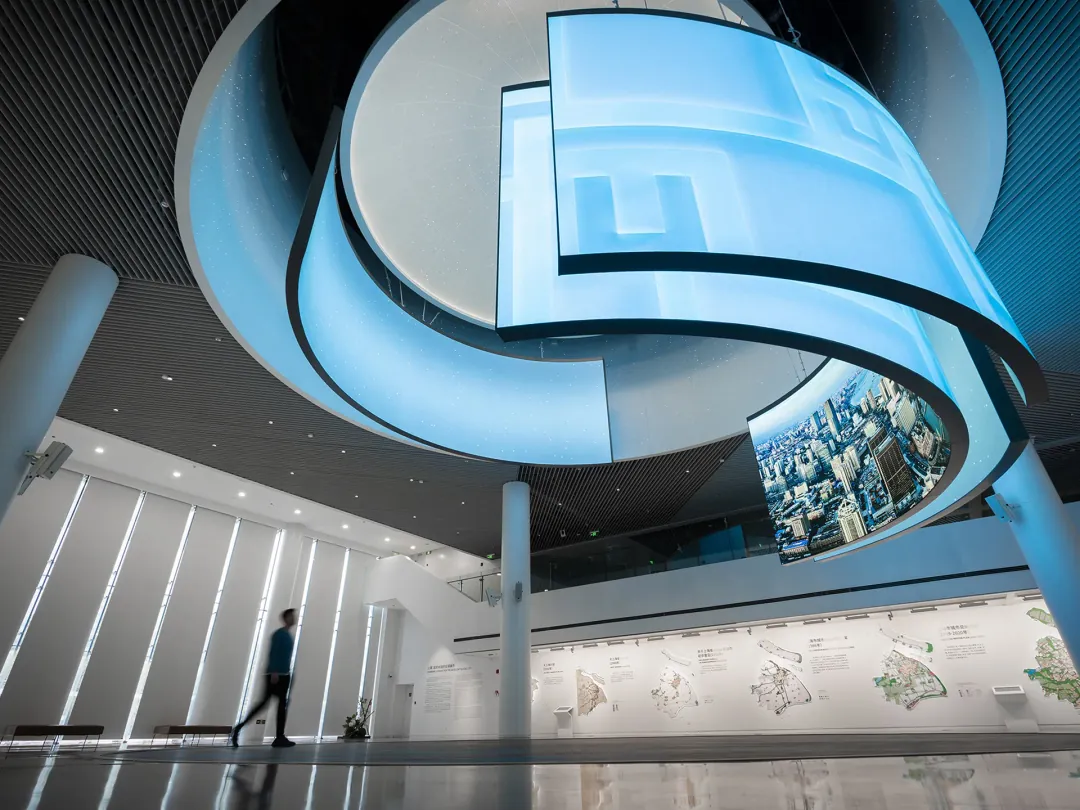
- Shanghai 2035 Scale Model (3rd floor) — 1:500 scale model of central Shanghai covering ~600 sqm, every major building rendered, regularly updated as the city changes
- Historical Treaty-Port Photography Archive (2nd floor) — original and reproduced photographs of 1840s-1940s Shanghai, documenting the foreign concession era and the city's transformation from fishing village to megacity
- "Tongren Guangchang" retrospective — detailed history of Shanghai's most famous roundabout and its evolution
- VR Future Shanghai experience — virtual reality theater showing proposed 2035 developments in Lujiazui and the Huangpu River waterfront
- Chongming Island ecological planning display — models and maps of Shanghai's tidal wetland conservation areas
- City infrastructure cross-section — animated models showing Shanghai's metro, water, power, and communications infrastructure systems underground
Tips
- The 3rd floor model hall gets very crowded on weekends — visit on Tuesday or Wednesday morning
- The museum is inside the municipal government building — enter from People's Avenue, not the main government entrance which has security checkpoints
- Combine with Shanghai Museum (Nanmen Road, 10-minute walk) and People's Square for a full culture day
- The 4D theater inside requires a separate ticket (¥35-50) and has limited English — skip if you don't speak Mandarin
- Photography is allowed in most galleries but the 2035 model hall has low lighting optimized for the model display
Frequently asked questions
How does the Shanghai Urban Planning Museum compare to the Shanghai Museum?
Completely different. The Shanghai Museum (上海博物馆) shows ancient Chinese art (bronzes, ceramics, calligraphy). This museum shows urban planning, city infrastructure, and Shanghai's future development. They are both on People's Square area but serve different intellectual interests.
Is the 2035 model the same as the one at the World Expo Museum?
No — the Urban Planning Museum's model shows central Shanghai (Puxi and Pudong core). The World Expo Museum (世博会博物馆) near the former Expo 2010 site covers global expo history and Shanghai's own Expo participation.
Is English signage available?
Partial — the 2035 model hall has English panels; the historical photography section has limited English captions. The historical section labels are mostly in Chinese. Audio guides in English are sometimes available for the 3rd floor but confirm at the information desk.
How often is the 2035 model updated?
The model is updated periodically to reflect major new buildings — approximately every 2-3 years as part of museum renovations. The current model reflects the approved 2017-2035 Shanghai Master Plan.
Is this museum interesting for children?
Moderate — the VR theater and scale model are visually impressive and will engage older children. The detailed planning maps and infrastructure exhibits are better suited for teenagers and adults with an interest in urban planning or architecture.
Read next
Other things to do in Shanghai
Jing'an Temple
Shanghai's oldest and most famous temple, Jing'an Temple, founded in 247 in the Three Kingdoms era; the 50 yuan ticket includes three incense sticks, open 7:30-17:00.
Century Park
Century Park is Pudong's largest green space at 140 hectares — sweeping lawns, flower seasons and open-air music festivals; entry CNY 20.
City God Temple (Chenghuang Temple)
The spiritual heart of old Shanghai, anchoring the Yuyuan Garden bazaar and its sprawling small-commodities market. Temple entry CNY 10.
Sweet Love Road (Tian'ai Road)
Sweet Love Road (Tian'ai Road) is Shanghai's most romantic street — a 300 m tunnel of plane trees and a favorite photo stop.
French Concession
Shanghai's leafy plane-tree quarter, the French Concession of 1849-1943; free to wander, shops about 10:00-20:00, by Jiaotong University or Shanghai Library metro stations.
Jade Buddha Temple
Famous Shanghai Buddhist temple of 1918 with two Burmese jade Buddhas, seated 1.9 m and reclining 4.6 m; entry 30 yuan, 8:00-17:00, 10 minutes' walk from Jiangning Road station.
Nanjing Road Pedestrian Street
China's busiest shopping street in Shanghai, about 1.2 km long with over 100 years of history and roughly 1 million visitors a day; free, malls 10:00-22:00.
Oriental Pearl Tower
The Oriental Pearl Tower is Shanghai's 468 m landmark, with a revolving restaurant and one of the city's best vantage points over the night skyline.
People's Square
Shanghai's central square of about 140,000 sqm, free and open, ringed by the Shanghai Museum, the Grand Theatre and metro lines 1, 2 and 8.
Qibao Ancient Town
Thousand-year-old water town of Song-dynasty origin about 20 km from downtown Shanghai; free entry with a 30-yuan combo ticket, a 15-minute walk from Qibao metro station.
Shanghai Disneyland
The first Disney park on mainland China, open since June 2016 in Pudong, with the tallest Disney castle anywhere (~60 m) and rides you can't get elsewhere like TRON and the redesigned Pirates.
Shanghai Museum
China's top museum of ancient art, about 1.02 million objects in its 1995 People's Square home; free with reservation, 9:00-17:00, closed Mondays, star piece the Da Ke Ding bronze.
Shanghai Tower
Shanghai Tower is China's tallest building at 632 m — second tallest in the world, designed as a dragon-like spiraling form.
The Bund
Shanghai's signature waterfront: 52 historic buildings in every style — the 'Exhibition of World Architecture' — with the best night views in the city.
Shanghai World Financial Center
One of the three Lujiazui skyscrapers, nicknamed 'the bottle opener' for its trapezoid aperture, with an observation deck up on the 100th floor.
Xintiandi
Shikumen renovation district opened in 2001, now a Shanghai fashion landmark; free entry, shops about 10:00 to 02:00, a 5-minute walk from South Huangpi Road station on Metro Lines 1 and 10.
Yu Garden (Yuyuan Garden)
A classical Ming garden in Shanghai first built in 1559 and counted among Jiangnan's four great gardens, covering about 2 hectares; tickets 30-40 yuan, open 8:30-17:30.
Zhujiajiao Ancient Water Town
Zhujiajiao is Shanghai's best-preserved water town, 1,700 years old, with 36 stone bridges and intact Ming-Qing architecture. Free entry (combo ticket CNY 40), 8:30-17:00.
Museums in Shanghai
M50 Art District
A converted 1930s wool-spinning mill on Moganshan Road now hosting 130+ artist studios and galleries; plan 2–3 hours for a real walk-through, not a quick photo stop.
China Art Museum
Modern and contemporary Chinese art in the striking former China Pavilion from Expo 2010. Free entry. Home of the animated digital "Along the River During the Qingming Festival.
China Maritime Museum
Maritime Silk Road, Zheng He's treasure ships, and a full-size Ming Dynasty junk replica inside a sail-shaped building near Dishui Lake. China's national maritime museum. ¥50.
HOW Art Museum
A private contemporary art museum in Pudong with about 3,000 sqm of exhibition space, walkable in 90 minutes if you skip the gift-shop vortex.
Long Museum (Pudong)
Two million RMB and eight years of collecting went into this private art museum in the Pudong riverfront — set aside about 2 hours and arrive before noon.
Long Museum West Bund
Shanghai's largest private art museum, built in a former coal warehouse on the West Bund — 33,000 sqm of modern and contemporary Chinese art including Wang Jianwei.
Power Station of Art
China's first state-run contemporary art museum, set inside a converted 1897 British-built coal-fired power plant on the Huangpu River — admission is free and 2-3 hours covers the main halls.
Rockbund Art Museum
Contemporary art in a striking 1933 Art Deco building on the Bund. ¥50. Rotating exhibitions by Chinese and international artists. The building rivals the art.
Shanghai History Museum
Shanghai's journey from fishing village to 1930s "Paris of the East" — told through artifacts, photographs, and immersive street scenes. Below the Oriental Pearl Tower. Free.
Shanghai Museum
China's best museum for ancient Chinese art — 5 floors of bronzes, jades, ceramics, calligraphy, paintings, coins and Ming-Qing furniture. Free, on People's Square.
Shanghai Natural History Museum
A world-class natural history museum inside Shanghai's famous "Plant-Bulb" building on People's Square — 10 million specimens, evolution galleries.
Shanghai Propaganda Poster Art Centre
Private collection of Mao-era propaganda posters in a basement gallery. ¥20. One of Shanghai's most distinctive small museums. A window into 20th-century Chinese political art.
Shanghai Propaganda Posters
Note: this slug is an alternate reference for the Shanghai Propaganda Poster Art Centre, the ¥20 basement museum of 5,000+ Mao-era posters — see that entry for tickets and hours.
Shanghai Science and Technology Museum
A family-oriented science museum with robot musicians, a walk-through animal world, and Shanghai's best hands-on physics exhibits — budget a full afternoon (4–5 hours). ¥60 adults, ¥30 students.