Fengdu Ghost City丰都鬼城
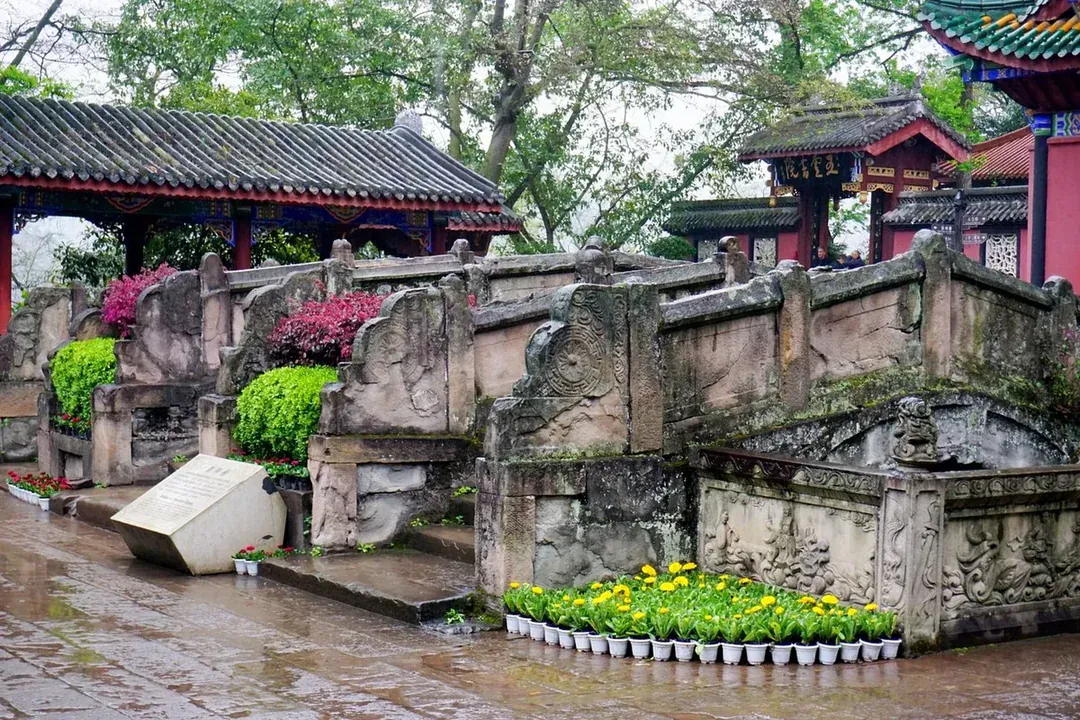
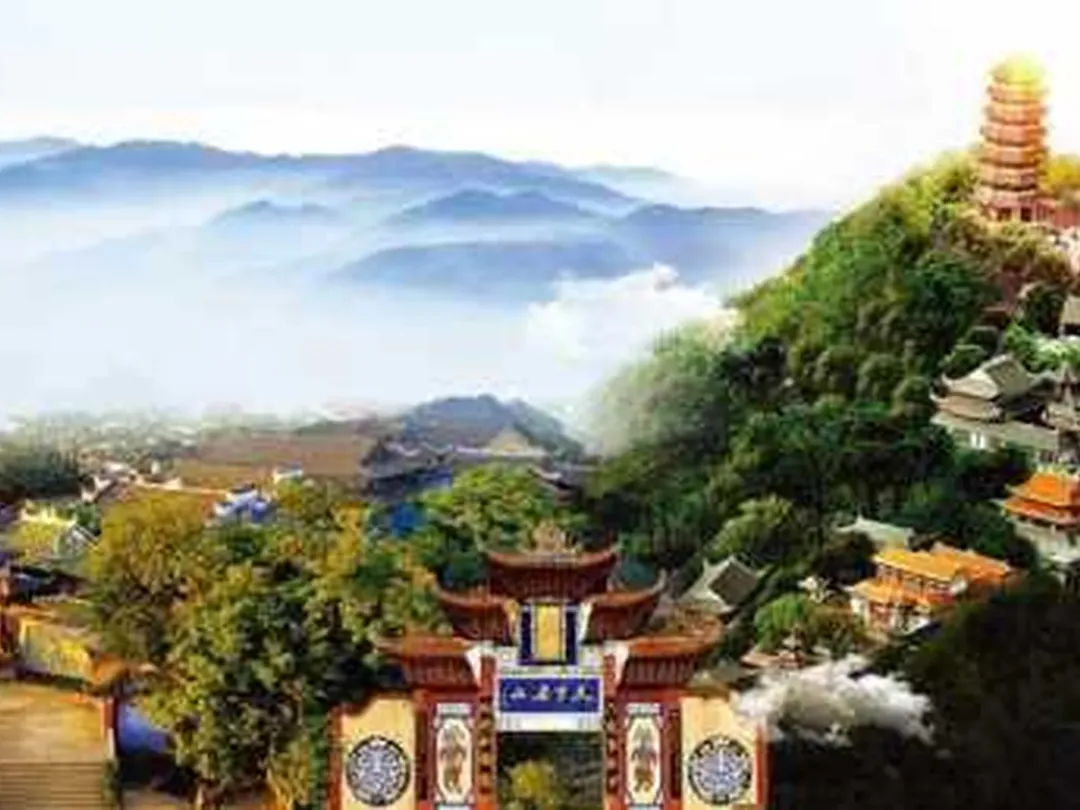
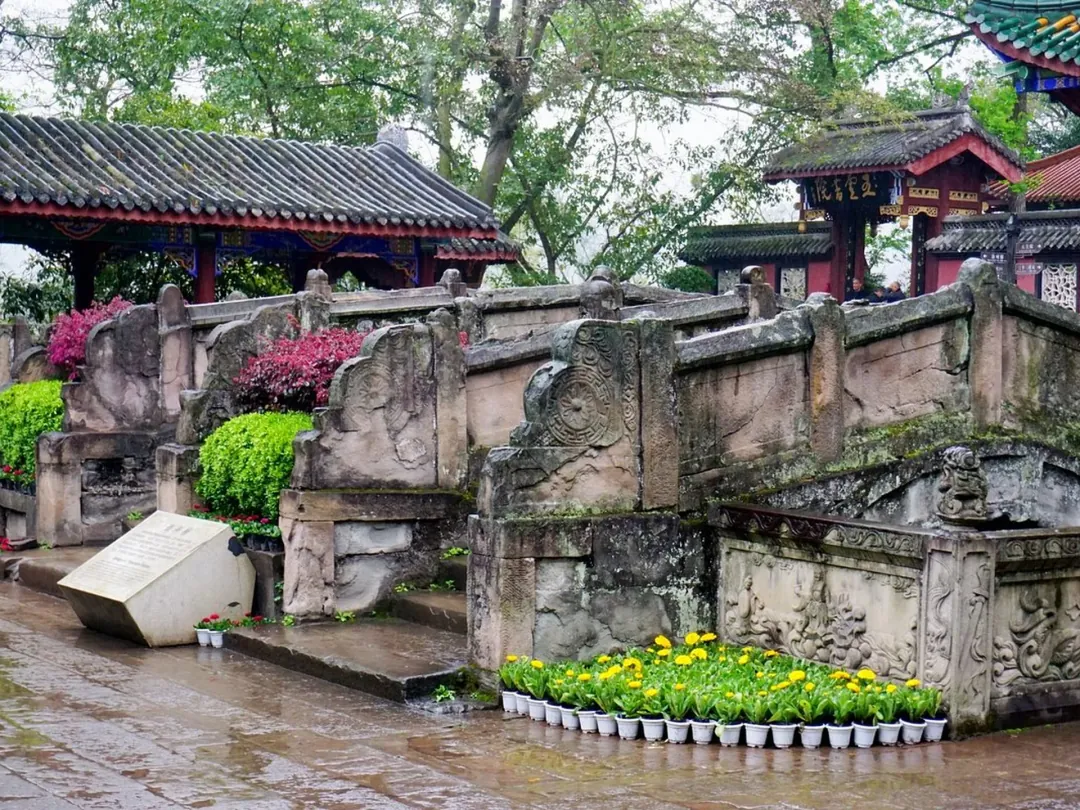
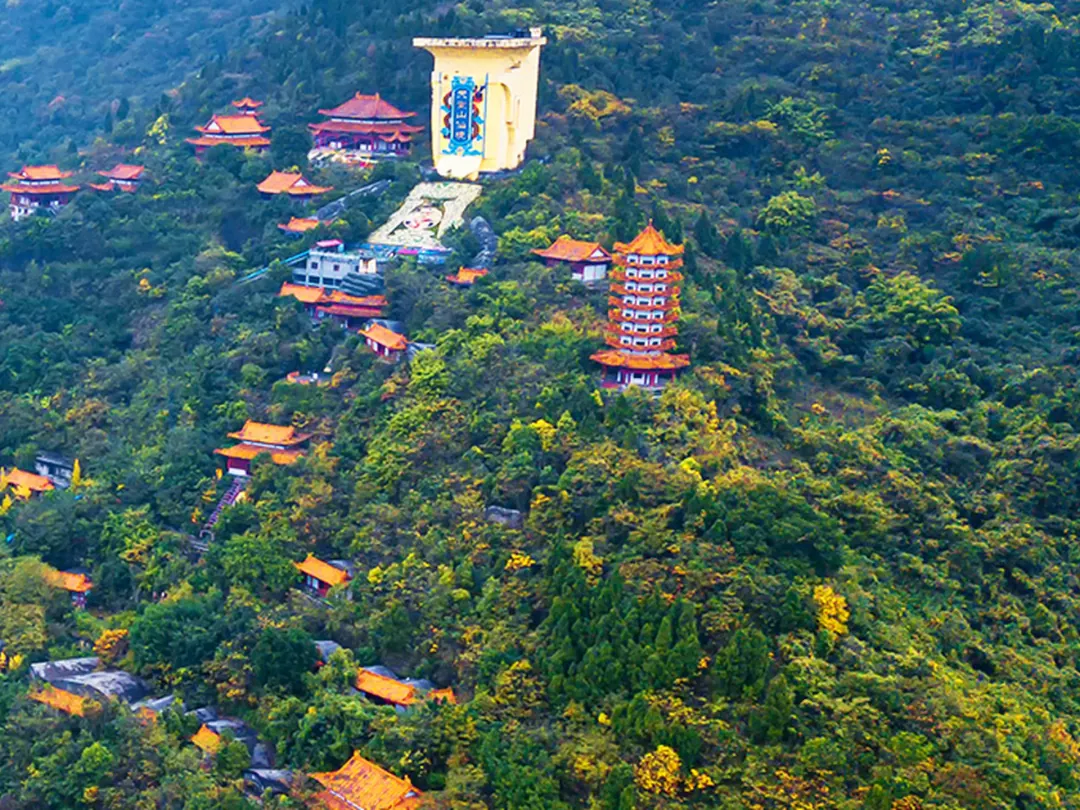
Fengdu Ghost City stands on the north bank of the Yangtze, a historic scenic area built around China's ghost culture. Legend locates the netherworld here, and ages of building — Hengha Shrine, Bao'en Temple, the Bridge of Helplessness, Ghost Gate Pass, the Yellow Springs Road — have made it China's largest ghost-culture theme area.
Chongqing · Visitor Guide2026-10-18
Quick Answer
Is Fengdu Ghost City worth visiting?
Fengdu Ghost City above the Yangtze in Chongqing, themed on the Chinese underworld; entry 80 yuan, open 08:00-17:30, allow 2-3 hours, blending Taoist, Buddhist and Confucian culture.
Quick facts
| Ticket | Adults ¥80; concessions ¥40 (online booking discounts) |
|---|---|
| Hours | 08:00-17:30 (last entry 16:30) |
| Recommended duration | 2-3 hours |
| Best time to visit | Spring and autumn, when the climate is comfortable |
| How to get there | Boat from Chaotianmen Dock, Chongqing, to Fengdu Port (about 3 hours); or train to Fengdu Station then a taxi; about 2 hours by car |
| English signage | Partial |
| Wheelchair accessible | Partial |
| Address | 64 Mingshan Road, Mingshan Subdistrict, Fengdu County, Chongqing |
| Type | Historic-cultural scenic area / theme park |
| Theme | Ghost culture / the netherworld |
| Elevation | About 200 m |
| Ticket | 80 yuan (concession 40 yuan) |
| Recommended duration | 2-3 hours |
What to expect
Mingshan Hill at Fengdu, anciently called Pingdu Mountain, is one of Taoism's 72 blessed lands. Legends of the Western Han adepts Wang Fangping and Yin Changsheng attaining immortality here led to its identification as the seat of the netherworld, making Fengdu the birthplace and center of Chinese ghost culture — one of the country's best-known ghost-culture sanctuaries.
The scenic area splits into the Mingshan and Shuanggui Mountain sections. On Mingshan stand dozens of netherworld-themed structures and sculptures — Hengha Shrine, Bao'en Temple, the Bridge of Helplessness, Ghost Gate Pass, the Yellow Springs Road, the Homesickness Terrace, the Yama Palace. Through architecture, sculpture and painting they vividly stage the Chinese imagination of the afterlife and of karmic retribution.
Ghost City culture is a strand of traditional Chinese culture reflecting ancient thinking on life, death and karma. The area also preserves many relics and old buildings, among them the Tang-dynasty Bao'en Temple and the Song-era Shuanggui Hall. Around the third day of the third lunar month each year Fengdu holds its temple fair — huge crowds and thick incense, a good time to see folk belief up close.
How to get there
From Chongqing the easiest route is a boat from Chaotianmen Dock to Fengdu Port (tickets about 80-150 yuan, roughly 3 hours); the site is a 10-minute walk from the pier. Alternatively take the D-train to Fengdu Station (about 1 hour, around 40 yuan) and a taxi to the site for about 20 yuan. By car, the G50 Shanghai-Chongqing expressway takes about 2 hours.
Best photo spots
- The Ghost City archway at the Mingshan gate with the Yangtze behind
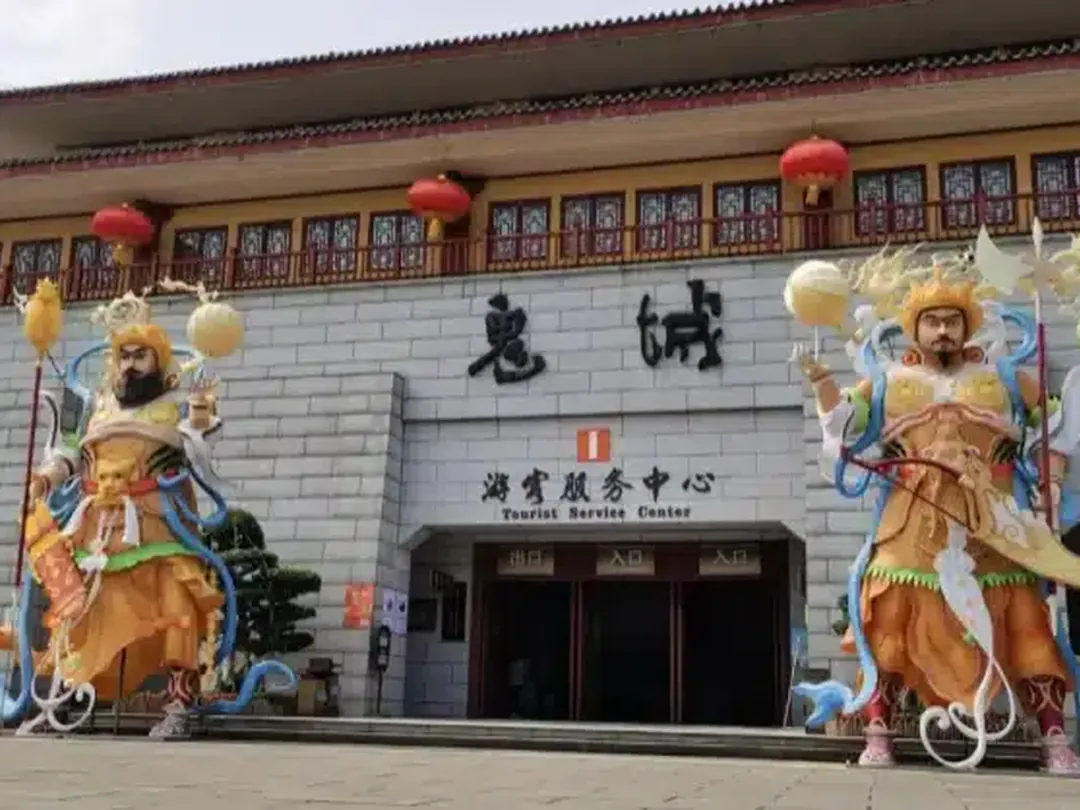
- The guardian statues flanking the Bridge of Helplessness
- The eighteen-hells sculpture groups along the Yellow Springs Road
- The Yangtze panorama from the Homesickness Terrace
Tips
- Visitors indifferent to ghost culture may find it dull — choose by taste
- The area climbs a hill with many steps; wear comfortable shoes
- Some performances cost extra; pick by interest
- It combines easily with a Three Gorges cruise — boats call at Fengdu
Scams to avoid
- Unlicensed guides work the docks, pitching itineraries — buy tickets through official channels
- Some paranormal-experience add-ons cost extra; check prices before joining
- Nearby restaurants are pricey and mediocre — bring food or eat after returning
Frequently asked questions
Is Fengdu Ghost City really scary? Is it suitable for children?
It is mostly cultural display; the spooky element lives in the sculptures and atmosphere. Suits children over about 12 — younger kids may find some statues frightening.
Can Fengdu and the Three Gorges be done together?
Yes — Fengdu is a standard cruise stop with about 3 hours ashore that does not disturb the itinerary. It also works by boat or car from Chongqing.
Does it need a whole day?
No — the site is compact; 2-3 hours suffice. A Chongqing day return with travel takes most of a day.
Read next
Other things to do in Chongqing
Chongqing Zoo
A large southwest China zoo covering 43 hectares in Chongqing, home to 400-plus species and a leading giant panda base; 25 yuan peak, 20 yuan off-season, allow 3-4 hours.
Ciqikou Ancient Town
The best-preserved old town in central Chongqing, where traditional Bayu architecture meets the city's wharf heritage — and one of its most popular photo spots. Free to enter; allow 3-4 hours.
Ciqikou Ancient Town
A 1,000-year-old Jialing River porcelain port turned pedestrian snack street in Chongqing's Shapingba District — free to enter, 2-3 hours to walk, and best at 08:30 on a weekday before the crowd.
Dazu Rock Carvings
50,000+ Buddhist, Taoist, and Confucian statues carved into Chongqing cliffsides between the 9th and 13th centuries.
Hongyadong (Hongya Cave)
A 11-floor hillside complex of traditional Chinese stilted buildings rebuilt in 2006 on the site of a Ming-dynasty wall city gate.
Jiefangbei Pedestrian Street
Chongqing's central landmark, the 27.5 m Liberation Monument completed in 1940 as China's only surviving victory memorial of the War of Resistance; malls open 10:00-22:00.
Liziba Monorail Station
Chongqing Rail Transit Line 2 runs straight through floors 6-8 of a 19-storey apartment block at Liziba — a six-second spectacle you photograph from a free platform across the road.
Nanshan One Tree Viewing Platform
Chongqing's best night-view platform at about 400 m elevation, built in 1997; entry 30 yuan, open 09:00-22:30, reached by bus 384 from Shangxinjie metro station.
Three Gorges Museum
Chongqing's flagship museum, 42,000 sqm of galleries with 100,000+ relics; free with reservation, open 09:00-17:00, closed Mondays, 5 minutes on foot from Zengjiayan metro station.
Wulong Karst - Three Natural Bridges
A UNESCO World Natural Heritage site where three colossal natural bridges span a gorge — a filming location for Transformers: Age of Extinction. Entry CNY 125; allow 3-4 hours.
Yangtze River Cableway
A 1987 commuter cable car that still glides 1,166 m over the Yangtze between Yuzhong and Nan'an for about 20 yuan - the ride lasts under 5 minutes, but expect to queue an hour at peak.
Museums in Chongqing
Chongqing China Three Gorges Museum
Chongqing's flagship Three Gorges Museum, covering the Yangtze gorges civilization, the ancient Ba Kingdom and the wartime Nationalist-capital years; verified in 2026.
Three Gorges Museum
The history of the Yangtze River, the Three Gorges Dam, and Chongqing — from ancient Ba culture to the world's largest hydroelectric project. Free. Allow 2–2.5 hours. Chongqing's premier museum.