Wulong Karst - Three Natural Bridges武隆天生三桥
Wulong's Three Natural Bridges — Tianlong, Qinglong, Heilong — form Asia's largest natural-bridge cluster, inscribed by UNESCO as South China Karst in 2007.
Chongqing · Visitor Guide2026-10-18
Quick Answer
Is Wulong Karst - Three Natural Bridges worth visiting?
A UNESCO World Natural Heritage site where three colossal natural bridges span a gorge — a filming location for Transformers: Age of Extinction. Entry CNY 125; allow 3-4 hours.
Quick facts
| Ticket | Adults CNY 125 (incl. park shuttle); concessions CNY 62.5 |
|---|---|
| Hours | 08:30-17:00 (last entry 16:00) |
| Recommended duration | 3-4 hours |
| Best time to visit | Spring and autumn, when the weather is mild and the scenery at its best |
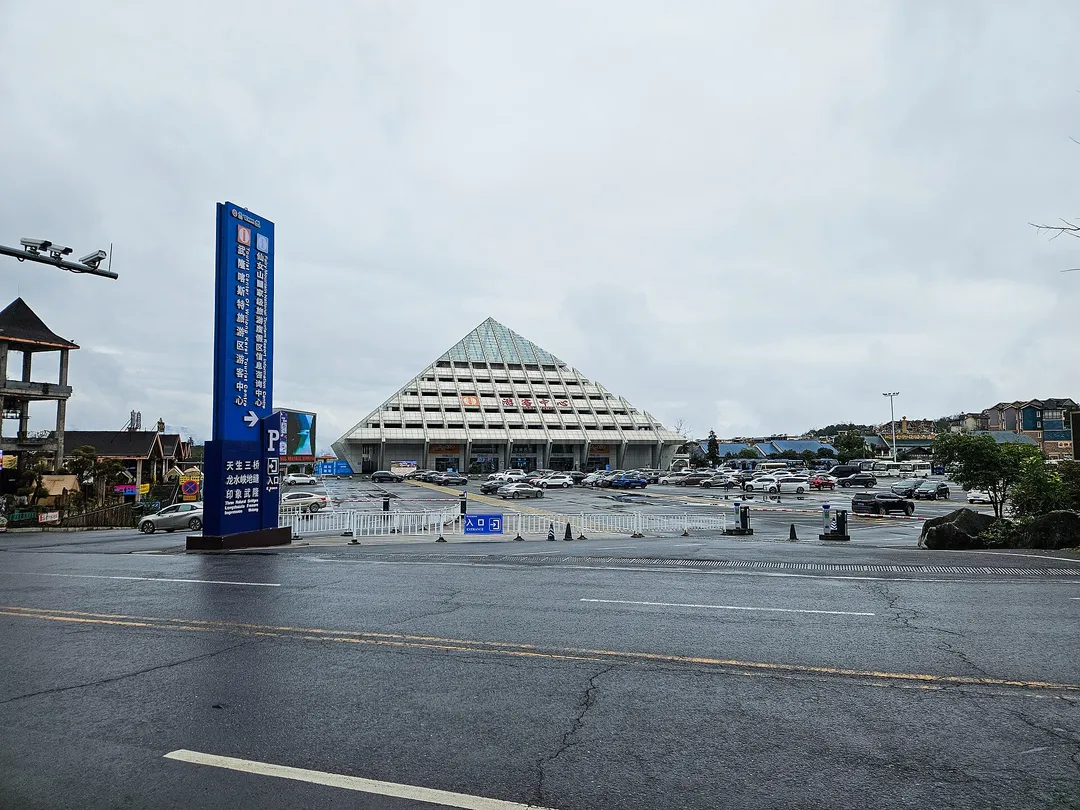
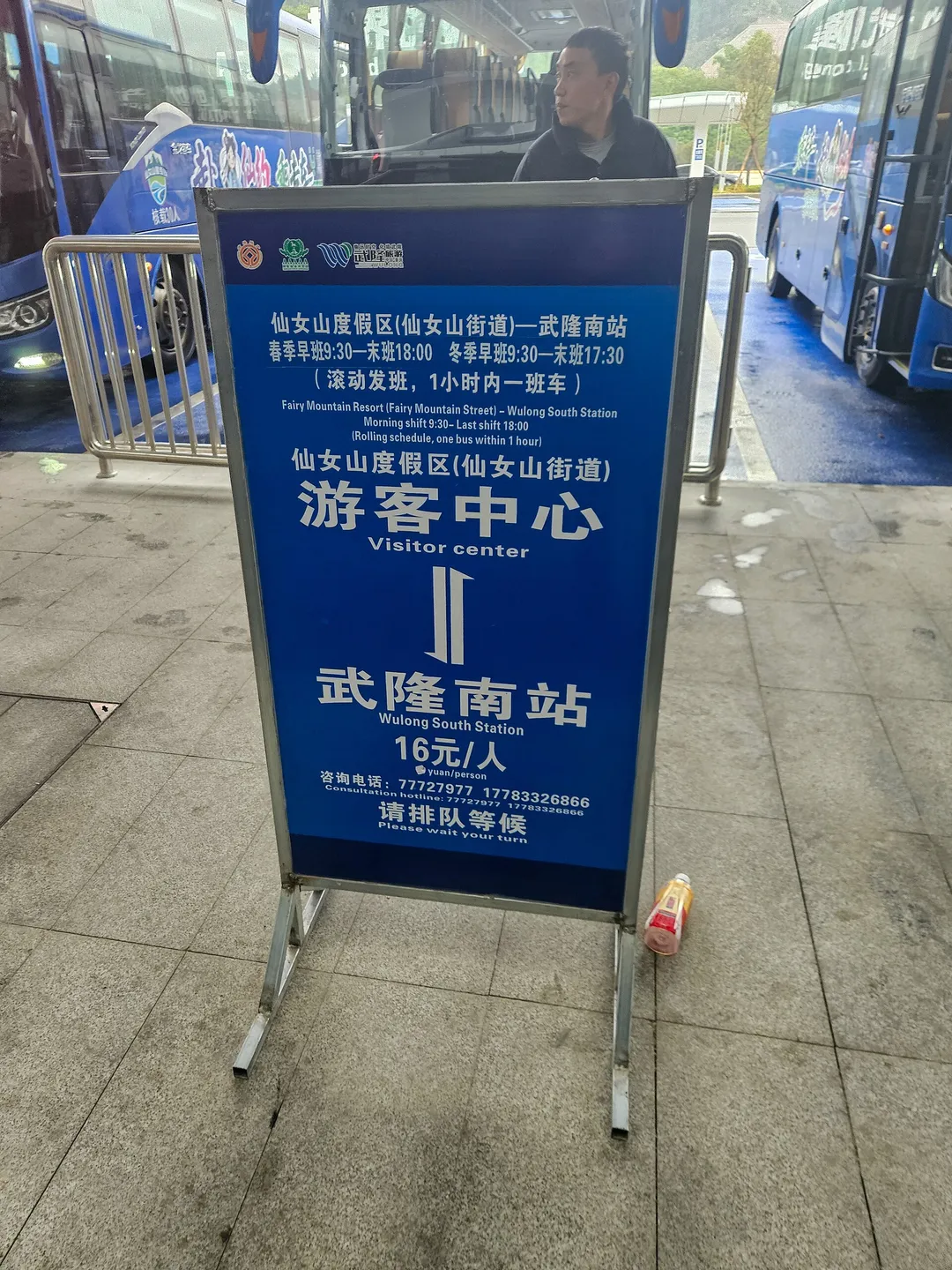
| How to get there | Direct shuttle from the Sigongli tourist center in central Chongqing (about 2.5 hours), or a train to Wulong Station then a local bus |
| English signage | Yes |
| Wheelchair accessible | Partial |
| Address | Xianshan Town, Wulong District, Chongqing |
| Type | UNESCO World Natural Heritage / karst landscape |
| Elevation | About 1,200-1,400 m |
| Bridge height | 200-350 m |
What to expect
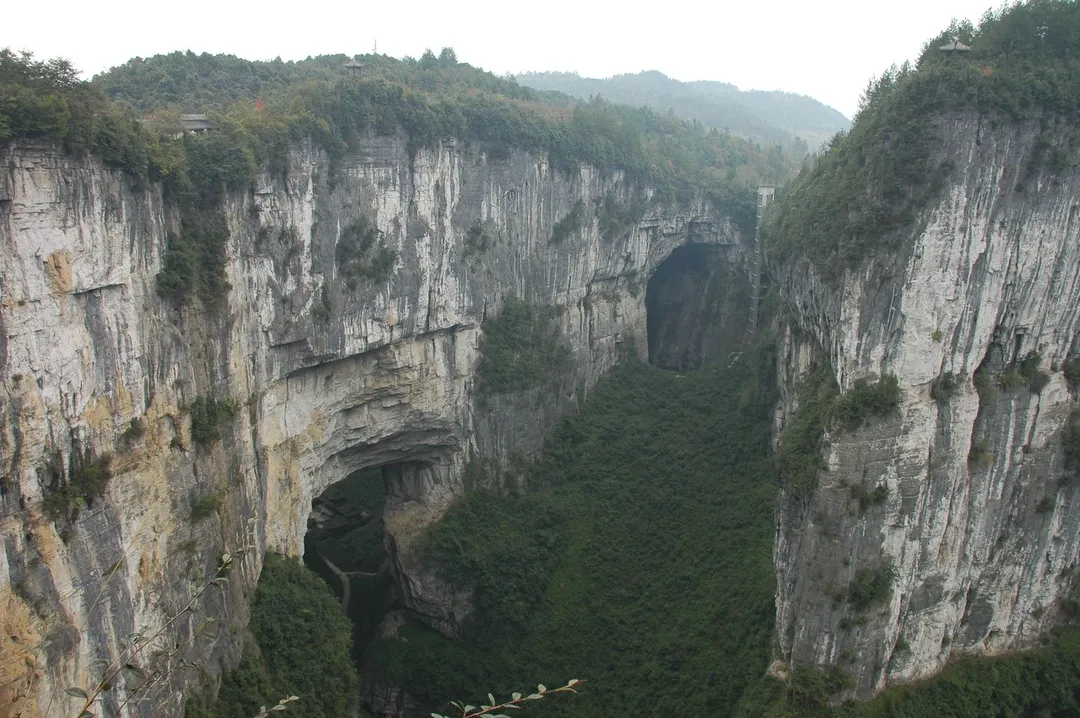
The Three Natural Bridges lie in Xianshan Town, Wulong District, and form the largest natural bridge cluster in Asia. The three limestone spans — Tianlong, Qinglong and Heilong — were carved as groundwater dissolved the rock; each bridges more than 200 m and rises 200-350 m, a scene of overwhelming grandeur. Tianlong Bridge takes its name from Tianlong Lake between its arches, its vaulted opening evoking two dragons at play.
Two ravines run between the three bridges, creating the unusual spectacle of arches within caves and caves within arches. The shaft of light beneath Qinglong Bridge is a famous photo spot — on clear days sunlight pours through a gap in the bridge top in a dramatic natural column. The site has also served as a backdrop for numerous films and TV dramas, including Curse of the Golden Flower, Transformers: Age of Extinction and Eternal Love.
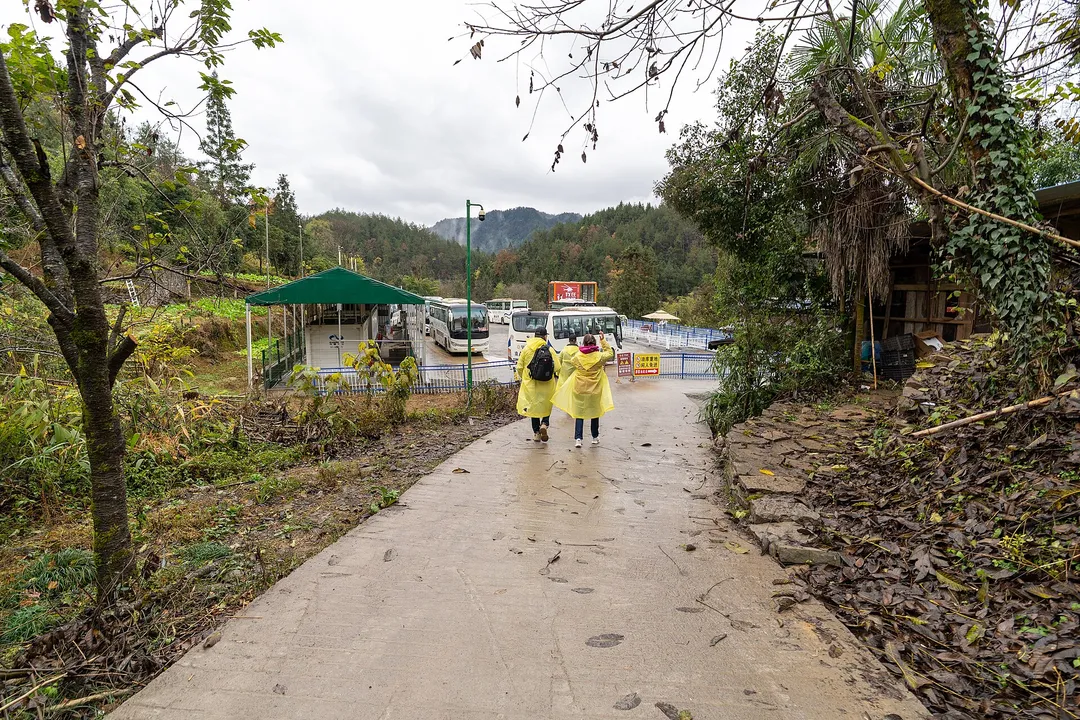
The route is a one-way downhill circuit: a park bus takes you from the entrance to the top of the bridges, you walk past all three in sequence, then a bus carries you back at the end. Allow about 3 hours on footpaths, some of them steep. At this elevation the temperature swings widely between morning and evening, so bring a jacket. The park also stages the live outdoor show Impressions Wulong, performed in the evening.
How to get there
From central Chongqing, direct shuttle buses leave from the Sigongli tourist center (Sigongli Station on Metro Line 3), about CNY 60 and a 2.5-hour ride. Alternatively take a train to Wulong Station (about CNY 25, around 2 hours), then a bus or taxi to the park (about 30 minutes). Driving takes roughly 3 hours.
Best photo spots
- The full view looking up beneath Tianlong Bridge (the classic angle)
- The natural light shaft beneath Qinglong Bridge
- The dramatic contrast of cliffs and boardwalk near the park exit
- The afternoon light column through the bridge gap on clear days
Tips
- Enter right at opening to beat the crowds and catch the best light
- The route runs downhill throughout — easier than climbing, but watch your footing on the many steps
- Food inside is limited and pricey; bring your own snacks
- Combine with Xianshan National Forest Park, about 30 minutes away by car
Scams to avoid
- Some Chongqing travel agencies resell tickets at a markup — buy at the park window or on the official platform
- Villagers run unofficial parking with arbitrary fees; use the official park lot
- Local ride-pooling drivers may take longer routes for extra fare; stick to licensed taxis or ride-hailing apps
Frequently asked questions
Do I have to climb down into the gorge? How strenuous is it?
The circuit runs one-way downhill: from the hilltop you follow boardwalks to the gorge floor past the three bridges, then return to the entrance by elevator or stairs. There are many steps but nothing steep — moderate exertion; seniors and children should pace themselves.
Can the Three Natural Bridges and Xianshan be done in one day?
Yes, though the timing is tight. Do the bridges in the morning (3-4 hours), drive on to Xianshan National Forest Park in the afternoon (about 30 minutes), and head back to Chongqing by evening.
Tickets cost more than expected — any discounts?
Students, seniors and military personnel qualify for concession tickets (CNY 62.5). Booking ahead on the official e-commerce platforms sometimes brings discounts.
Read next
Other things to do in Chongqing
Chongqing Zoo
A large southwest China zoo covering 43 hectares in Chongqing, home to 400-plus species and a leading giant panda base; 25 yuan peak, 20 yuan off-season, allow 3-4 hours.
Ciqikou Ancient Town
The best-preserved old town in central Chongqing, where traditional Bayu architecture meets the city's wharf heritage — and one of its most popular photo spots. Free to enter; allow 3-4 hours.
Ciqikou Ancient Town
A 1,000-year-old Jialing River porcelain port turned pedestrian snack street in Chongqing's Shapingba District — free to enter, 2-3 hours to walk, and best at 08:30 on a weekday before the crowd.
Dazu Rock Carvings
50,000+ Buddhist, Taoist, and Confucian statues carved into Chongqing cliffsides between the 9th and 13th centuries.
Fengdu Ghost City
Fengdu Ghost City above the Yangtze in Chongqing, themed on the Chinese underworld; entry 80 yuan, open 08:00-17:30, allow 2-3 hours, blending Taoist, Buddhist and Confucian culture.
Hongyadong (Hongya Cave)
A 11-floor hillside complex of traditional Chinese stilted buildings rebuilt in 2006 on the site of a Ming-dynasty wall city gate.
Jiefangbei Pedestrian Street
Chongqing's central landmark, the 27.5 m Liberation Monument completed in 1940 as China's only surviving victory memorial of the War of Resistance; malls open 10:00-22:00.
Liziba Monorail Station
Chongqing Rail Transit Line 2 runs straight through floors 6-8 of a 19-storey apartment block at Liziba — a six-second spectacle you photograph from a free platform across the road.
Nanshan One Tree Viewing Platform
Chongqing's best night-view platform at about 400 m elevation, built in 1997; entry 30 yuan, open 09:00-22:30, reached by bus 384 from Shangxinjie metro station.
Three Gorges Museum
Chongqing's flagship museum, 42,000 sqm of galleries with 100,000+ relics; free with reservation, open 09:00-17:00, closed Mondays, 5 minutes on foot from Zengjiayan metro station.
Yangtze River Cableway
A 1987 commuter cable car that still glides 1,166 m over the Yangtze between Yuzhong and Nan'an for about 20 yuan - the ride lasts under 5 minutes, but expect to queue an hour at peak.
Museums in Chongqing
Chongqing China Three Gorges Museum
Chongqing's flagship Three Gorges Museum, covering the Yangtze gorges civilization, the ancient Ba Kingdom and the wartime Nationalist-capital years; verified in 2026.
Three Gorges Museum
The history of the Yangtze River, the Three Gorges Dam, and Chongqing — from ancient Ba culture to the world's largest hydroelectric project. Free. Allow 2–2.5 hours. Chongqing's premier museum.