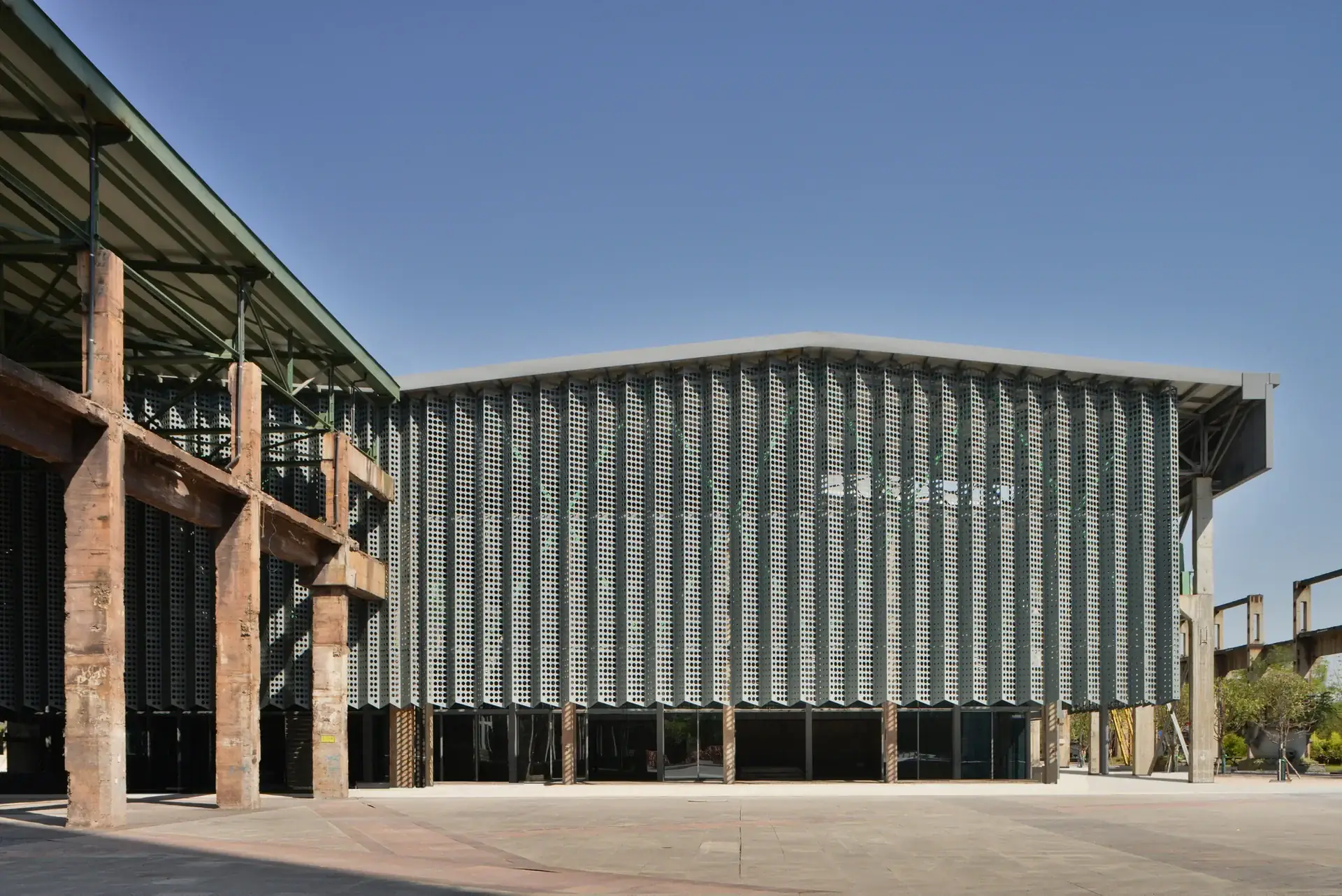
Chongqing China Three Gorges Museum
The Chongqing China Three Gorges Museum (重庆中国三峡博物馆) opened in 2005 in Chongqing's Yuzhong District as the definitive museum for the Yangtze River Three Gorges civilization. The museum's 30,000 objects trace: (1) the ancient Ba (巴) Kingdom culture — the 3,000-year-old indigenous civilization of the Chongqing region before Han Dynasty incorporation; (2) the Three Gorges archaeological discoveries — artifacts recovered during the Three Gorges Dam reservoir construction rescue archaeology, including ancient shipping, settlements, and burial sites; (3) the Three Gorges Dam relocation memorial — photographs, objects, and documentation of the 1.3 million people displaced by the Three Gorges Dam; (4) the Nationalist capital (陪都) period — when Chongqing was the wartime capital of China under Japanese occupation (1937-1946).
Chongqing · history museum2026-10-18
Quick Answer
Is Chongqing China Three Gorges Museum worth visiting?
Chongqing's flagship Three Gorges Museum, covering the Yangtze gorges civilization, the ancient Ba Kingdom and the wartime Nationalist-capital years; verified in 2026.
Quick facts
| Category | history |
|---|---|
| Ticket | Free. Passport required. Walk-in from the north gate. |
| Hours | 9:00-17:00 (last entry 16:00). Closed Mondays. |
| Recommended duration | 2.5-3.5 hours. |
| Best time to visit | October through March (cool, less foggy). Chongqing is famous for its fog ("陪都雾都") and gray skies year-round. Summer (June-August) is hot (35°C+) and humid. Spring (March-April) is pleasant. Winter is cold but museums are uncrowded. |
| How to get there | Metro Line 1 or 6 to Linjiangmen Station (临江门站), Exit A, then walk 5 minutes. Bus routes 145, 152, 181, 215, 261, 262, 322, 401, 413 to Chongqing Museum stop. From Chongqing North Station by DiDi: ¥30-40. From Chongqing Jiangbei International Airport: ¥50-70. |
| English signage | Partial |
Why visit
The Three Gorges Dam relocation memorial is unique in Chinese museums — the scale of forced displacement (1.3 million people) and the submergence of 100+ ancient towns and archaeological sites is documented with a human empathy rarely found in Chinese institutions. The ancient Ba Kingdom bronze collection is also the finest in existence.
Collection highlights
- Ancient Ba Kingdom bronze weapons — the finest collection of Ba (巴) Kingdom bronze daggers, swords, and ceremonial objects, decorated with distinctive tiger motifs unique to the Ba culture
- Three Gorges Dam relocation memorial — photographs, personal objects, and documents from the 1.3 million people displaced by the Three Gorges Dam construction
- Ancient shipping and navigation objects — models, maps, and actual objects from the ancient Three Gorges shipping routes showing Yangtze River trade civilization
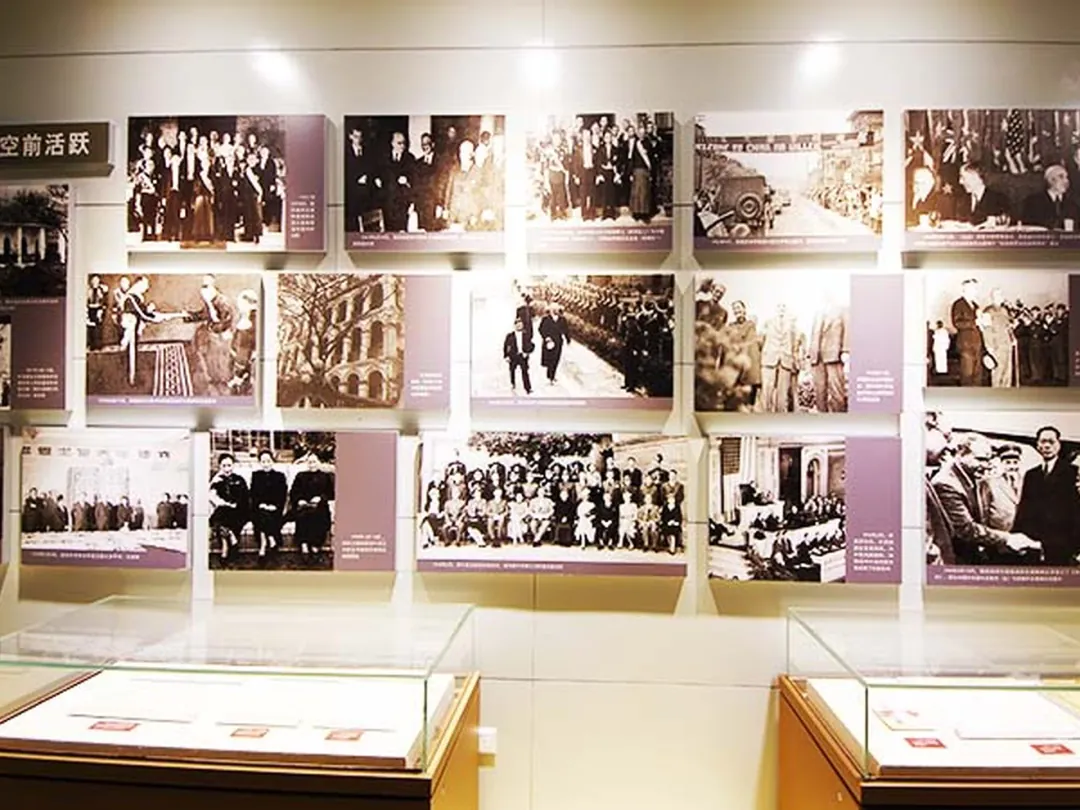
- Nationalist capital (陪都) period archive — photographs and objects from Chongqing's period as the wartime capital of China (1937-1946), including artifacts from the Japanese bombing period
- Prehistoric archaeology of the Three Gorges region — artifacts from the 100+ archaeological sites excavated during the Three Gorges reservoir rescue archaeology
- Sichuan earthquake (2008) memorial — objects and documentation from the earthquake's impact on Chongqing and the subsequent rescue operations
Tips
- Combine with the nearby Jiefangbei (解放碑) commercial walking street and the Hongya Cave (洪崖洞) riverside traditional-style commercial development for a full Chongqing day
- The Three Gorges Dam relocation memorial is emotionally significant — allocate time for it
- Chongqing's famous food (hot pot / 火锅) is best experienced in the Jiefangbei area after the museum
- The museum is on the same hillside as the Chongqing People's Hall (人民广场) and the historically significant Chaotianmen (朝天门) riverside area
- Winter visits are feasible because the museum is fully heated and uncrowded
Frequently asked questions
What was the Ba Kingdom?
The Ba (巴) Kingdom was an ancient state in the Chongqing and Hubei region from the 11th century BCE to 316 BCE, when it was conquered by Qin. The Ba people were known for: (1) distinctive bronze weapons with tiger motifs; (2) the 'Ba Drum' (巴渝鼓), a percussion instrument that became the ancestor of modern Chinese opera; (3) their territory along the Three Gorges of the Yangtze River. The Chongqing Museum has the world's largest collection of Ba Kingdom artifacts.
What is the Three Gorges Dam relocation memorial?
The Three Gorges Dam on the Yangtze River (completed 2006, world's largest dam) required the relocation of 1.3 million people and flooded 100+ towns and archaeological sites. The museum has a dedicated memorial to this displacement, including personal objects, photographs, and documentation of the human cost of the dam. It is one of the most emotionally significant museum sections in China.
How does this museum relate to actual Three Gorges tourism?
The museum provides essential context for understanding the Yangtze River civilization before or after taking a Three Gorges cruise. Actual Three Gorges cruise ships depart from Chongqing and travel east through the gorges to Yichang (or vice versa). The museum shows what was lost beneath the reservoir and what remains.
Does Chongqing Museum have English signage?
Partial — the Ba Kingdom and Three Gorges Dam sections have English labels. The Nationalist capital period section has limited English. No English audio guide as of 2026.
Can I visit this museum and still do a Three Gorges cruise?
Yes — most Three Gorges cruise ships depart from Chongqing's Chaotianmen (朝天门) docks, which are near the museum. The ideal itinerary is: Day 1 morning museum + afternoon/evening boarding; Day 2-4 Three Gorges cruise.
Read next
Other things to do in Chongqing
Chongqing Zoo
A large southwest China zoo covering 43 hectares in Chongqing, home to 400-plus species and a leading giant panda base; 25 yuan peak, 20 yuan off-season, allow 3-4 hours.
Ciqikou Ancient Town
The best-preserved old town in central Chongqing, where traditional Bayu architecture meets the city's wharf heritage — and one of its most popular photo spots. Free to enter; allow 3-4 hours.
Ciqikou Ancient Town
A 1,000-year-old Jialing River porcelain port turned pedestrian snack street in Chongqing's Shapingba District — free to enter, 2-3 hours to walk, and best at 08:30 on a weekday before the crowd.
Dazu Rock Carvings
50,000+ Buddhist, Taoist, and Confucian statues carved into Chongqing cliffsides between the 9th and 13th centuries.
Fengdu Ghost City
Fengdu Ghost City above the Yangtze in Chongqing, themed on the Chinese underworld; entry 80 yuan, open 08:00-17:30, allow 2-3 hours, blending Taoist, Buddhist and Confucian culture.
Hongyadong (Hongya Cave)
A 11-floor hillside complex of traditional Chinese stilted buildings rebuilt in 2006 on the site of a Ming-dynasty wall city gate.
Jiefangbei Pedestrian Street
Chongqing's central landmark, the 27.5 m Liberation Monument completed in 1940 as China's only surviving victory memorial of the War of Resistance; malls open 10:00-22:00.
Liziba Monorail Station
Chongqing Rail Transit Line 2 runs straight through floors 6-8 of a 19-storey apartment block at Liziba — a six-second spectacle you photograph from a free platform across the road.
Nanshan One Tree Viewing Platform
Chongqing's best night-view platform at about 400 m elevation, built in 1997; entry 30 yuan, open 09:00-22:30, reached by bus 384 from Shangxinjie metro station.
Three Gorges Museum
Chongqing's flagship museum, 42,000 sqm of galleries with 100,000+ relics; free with reservation, open 09:00-17:00, closed Mondays, 5 minutes on foot from Zengjiayan metro station.
Wulong Karst - Three Natural Bridges
A UNESCO World Natural Heritage site where three colossal natural bridges span a gorge — a filming location for Transformers: Age of Extinction. Entry CNY 125; allow 3-4 hours.
Yangtze River Cableway
A 1987 commuter cable car that still glides 1,166 m over the Yangtze between Yuzhong and Nan'an for about 20 yuan - the ride lasts under 5 minutes, but expect to queue an hour at peak.