Guangzhou · Visitor Guide
Baiyun Mountain (白云山, Báiyún Shān)
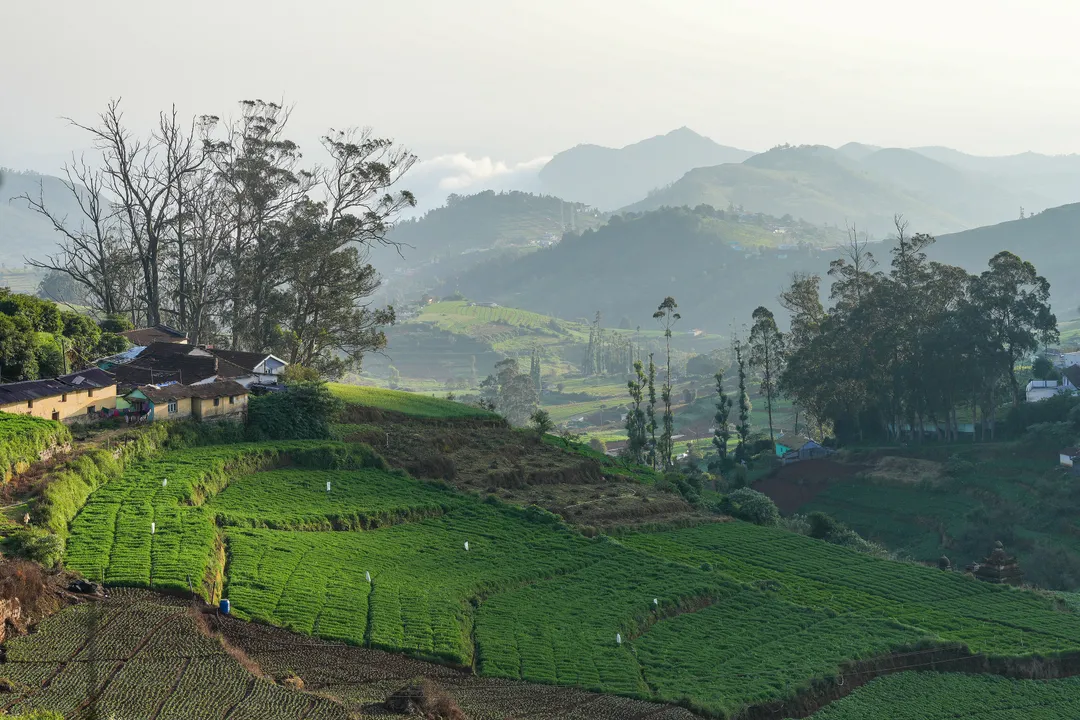
白云山位于广州市白云区,是广州最高峰,也是广州的城市绿肺和代表性自然景观。主峰摩星岭海拔382米,山势巍峨,林木葱茏,云雾缭绕,故名白云山。白云山自古以来是广州著名的风景名胜区,有羊城第一秀之誉,是广州人周末登山健身的首选之地。
Last updated:
Quick Answer
Is Baiyun Mountain worth visiting?
baiyun-mountain in Beijing: 广州市肺,羊城第一山,门票5元,摩星岭海拔382米,徒步登山好去处,山顶广场俯瞰广州全景,秋季山顶石刻最著名。
Quick facts
| Ticket | 5元(大门票),摩星岭额外加5元;身高1.4米以下儿童免票 |
|---|---|
| Hours | 全天开放(索道运营约08:00-18:00) |
| Recommended duration | 建议3-5小时(登顶摩星岭约2-3小时) |
| Best time to visit | 秋季(10-11月)最佳,气候宜人;春季赏花;雨后云雾缭绕如仙境 |
| How to get there | 公交24路、63路、285路至白云山南门;地铁3号线梅花园站B口出换乘公交;地铁2号线白云公园站换乘公交 |
| English signage | partial |
| Wheelchair accessible | limited |
| 主峰海拔 | 382米(摩星岭) |
| 面积 | 约28平方公里 |
| 地位 | 广州最高峰,羊城第一山 |
| 门票 | 5元(大门票) |
| 类型 | 国家5A级景区 |
What to expect
白云山位于广州市白云区,主体为九连山的一段,自古是广州著名的风景名胜区。山势由东北向西南倾斜,主峰摩星岭海拔382米,山林茂密,溪泉淙淙,云雾常在山腰缭绕,故有白云山之名。白云山风景名胜区面积约28平方公里,分为麓湖、飞鹅岭、三台岭、鸣春谷、摩星岭等景区,以自然风光和人文景观并重著称。山顶广场是俯瞰广州全景的最佳位置,天气晴好时可远眺珠江和广州塔。
白云山历史悠久,自古以来是岭南著名的游览胜地。山上有多处历史文化遗迹,如云岩(相传为秦代方士郑安期隐居采药之处)、九龙泉、能仁寺、滴水岩等。摩星岭顶有广州碑林,收藏了历代名人题咏白云山的诗词石刻,极具文化价值。白云山也是广州重要的生态屏障,森林覆盖率超过95%,空气负氧离子含量极高,是广州市民健身休闲的首选场所。
游览建议:登山路径有多条,最经典的是从南门(云台花园)上行至摩星岭,约需2-2.5小时,路况好,景点多。体力有限者可乘景区观光车至明珠楼,再步行或乘索道上山。明珠楼附近有三特极限运动中心,可体验蹦极、滑道等刺激项目。山顶广场有小吃和饮料售卖,价格比外面贵2-3倍,建议自带饮水。
How to get there
广州公交24路、63路、285路、298路至白云山南门站(云台花园)。地铁3号线梅花园站B口出,换乘66路公交约15分钟。地铁2号线白云公园站C口出,换乘76A路或旅游1线。广州东站乘地铁1号线至广州东站再转乘公交,约45分钟。
Best photo spots
- 摩星岭顶(俯瞰广州全景)
- 明珠楼观景台
- 云台花园(花展期间最美)
- 桃花涧(春季桃花盛开)
- 鸣春谷(看白鹭)
Tips
- 建议早晨6-8点登山,此时空气清新、人少,10点前登顶可避人潮
- 夏季注意防晒和防蚊,山上蚊虫较多
- 雨后的白云山云雾缭绕很有意境,但路滑注意安全
- 体力一般者建议乘一段索道上山,留体力游览山顶
- 山顶广场有广州塔方向观景台,天气晴好时可看到广州塔
Scams to avoid
- 山上小商贩可能缺斤短两,建议自带饮水
- 节假日停车困难,不建议自驾
Frequently asked questions
白云山有多高?登顶需要多久?
主峰摩星岭海拔382米。从南门(云台花园)步行登顶约需2-2.5小时,体力好者约1.5小时。下山约1-1.5小时。
白云山和云台花园是什么关系?
云台花园是白云山的南门入口,位于山脚下,花园本身需另购门票。云台花园以园林花卉展览著称,与白云山是同一个景区。
白云山有索道吗?
有。云台花园至摩星岭有观光索道(单程40元,往返70元),运营时间约08:00-18:00。
白云山晚上可以登山吗?
可以,但不建议。晚上灯光不足,部分路段有安全隐患,建议白天登山。
Read next
Other things to do in Guangzhou
Nanhai Temple (Temple of the God of the South Sea)
beiji-temple in Beijing: 中国古代四大海神庙之一,隋朝始建,古代出海祭海圣地,门票10元,菠萝诞庙会热闹非凡,值得历史爱好者探访。
Canton Tower (Guangzhou Tower)
canton-tower in Beijing: 广州新地标,小蛮腰昵称,600米高,观光票150元起,塔顶有摩天轮和速降轨道,俯瞰珠江三角洲夜景极佳。
Chen Clan Ancestral Hall
chen-clan-ancestral-hall in Beijing: 广东最精美的祠堂建筑,岭南建筑艺术明珠,门票10元,木雕、砖雕、石雕、灰塑精美绝伦,现为广东民间工艺博物馆。
Chen Clan Academy (Chen Lineage Hall)
chen-lineage in Beijing: 陈家祠的正式名称,广东最精美祠堂建筑,门票10元,岭南建筑艺术精华,砖木石雕精美绝伦,现为广东民间工艺博物馆。
Guangzhou Opera House
guangzhou-opera in Beijing: 珠江新城四大文化建筑之一,扎哈·哈迪德设计,2010年建成,约1800座。免费进大厅参观,演出票100-1280元。世界十大歌剧院之一,建筑爱好者必朝圣。
Shangxia Walkway
"\"Cantonese Art Deco shopping street — 1.2 km of restored 1930s arcade buildings, milk custard, and silk shops, 15 minutes from the Beijing Lu pedestrian zone. Free. 1–2 hours.\".".
Kaiping Diaolou (Watchtower Villages)
About 1,833 surviving fortified tower-houses scattered across rural Kaiping, built mainly between the 1890s and 1930s by returned overseas Chinese; plan a full day, ideally an overnight, to see …
Pearl River Night Cruise
A 60-to-80-minute boat ride down Guangzhou's lit-up Pearl River past Canton Tower and the Zhujiang New Town skyline.…
Shamian Church (Our Lady of Lourdes Church)
shamian-church in Beijing: 沙面岛上最著名的教堂,法国建于1890年,哥特式建筑,免费参观,非弥撒时间可入内拍照,是广州最浪漫的教堂。
Shamian Island
shamian-island in Beijing: 广州最具欧洲风情的历史街区,鸦片战争后英法租界,150余座欧式建筑,免费漫步,婚纱照圣地,美食遍及。
Shangxiajiu Pedestrian Street
shangxiajiu in Beijing: 广州最著名的传统骑楼商业街,全长约1200米,十甫路和下九路组成,免费逛,老字号美食云集,华林寺玉器街相邻。
Sun Yat-sen Memorial Hall
A 1931 octagonal, blue-roofed hall to Sun Yat-sen on the site of his 1921 presidential office — 49 m tall with a 71 m column-free auditorium span.…
Pearl River Night Cruise
sunset-pearl-river in Beijing: 广州最经典的夜游体验,乘船赏珠江两岸夜景,广州塔、海心沙、猎德大桥美景,票价约80-150元,节假日需提前订票。
Yuexiu Park
yuexiu-park in Beijing: 广州最大的综合性公园,面积约86万平方米,五羊石像高11米。门票免费,镇海楼(广州博物馆)另票10元。明代古城墙,镇海楼高28米。地铁2号线越秀公园站A口或B口出。建议2-4小时。
Museums in Guangzhou
Chen Clan Ancestral Hall
Guangzhou's finest example of traditional Cantonese (Lingnan) architecture — a Qing Dynasty ancestral hall with intricate brick, wood, and stone carvings. ¥10.
Guangzhou Museum (Zhenhai Tower)
"Inside Zhenhai Tower (1380) overlooking the Pearl River — Cantonese history from Neolithic to modern. ¥10. 1.5 hours. Less crowded than the bigger museums.".
Museum of the Mausoleum of the Nanyue King
"A 2,000-year-old royal tomb you can walk into — the intact burial of the second Nanyue King, Zhao Mo, with his jade burial suit sewn in silk thread.".